Starbucks Enhances Environmental Action! Eliminating Single-Use Cups and Introducing Washing Machines for Customers to Clean Their Own Cups
Starbucks' Plan to Phase Out Disposable Cups
It has been a year since Starbucks announced its plan to phase out disposable cups. On March 6th of last year, the company publicly stated that it intends to completely stop using disposable cups in Starbucks stores by 2025.
Initial Implementation in South Korea
The plan was first rolled out in South Korea, which had already embraced the concept of a "plastic restriction policy" before the pandemic. That policy was suspended for over a year or two due to COVID-19, and only this year did the South Korean government announce it would enforce the "plastic restriction policy" on major chain restaurants starting in June.
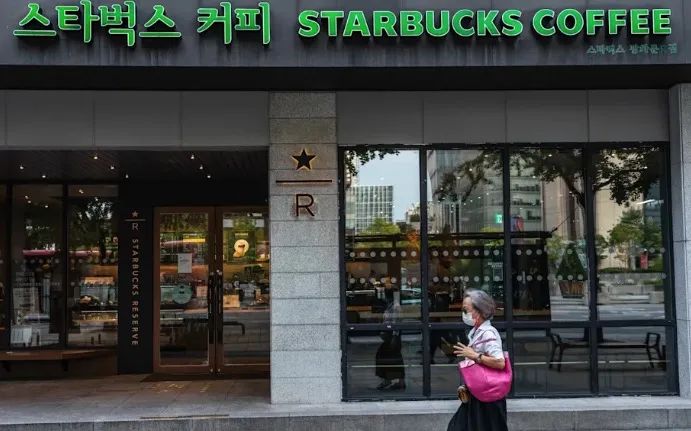
As Starbucks' fifth-largest global market, South Korea hosts more than 1,500 stores. Following the government's plan last year, Starbucks Korea moved proactively to support the policy. Starting in June of last year, the company began offering reusable cups, with customers paying a "small deposit." After finishing their drink, customers could return the cups to contactless vending machines to get their deposit back.
Challenges and Adjustments
Consumer response was initially lukewarm — many found it troublesome to make a special trip to a vending machine just to return a cup. After receiving that feedback, Starbucks and the South Korean government upgraded the system: customers could now return cups to any Starbucks store for their deposit, with no time limit. The company even said cups found out on the street could be brought to any store for a deposit refund. But that, too, proved unreasonable — employees reported a heavier workload and suggested returns be limited to non-peak hours.
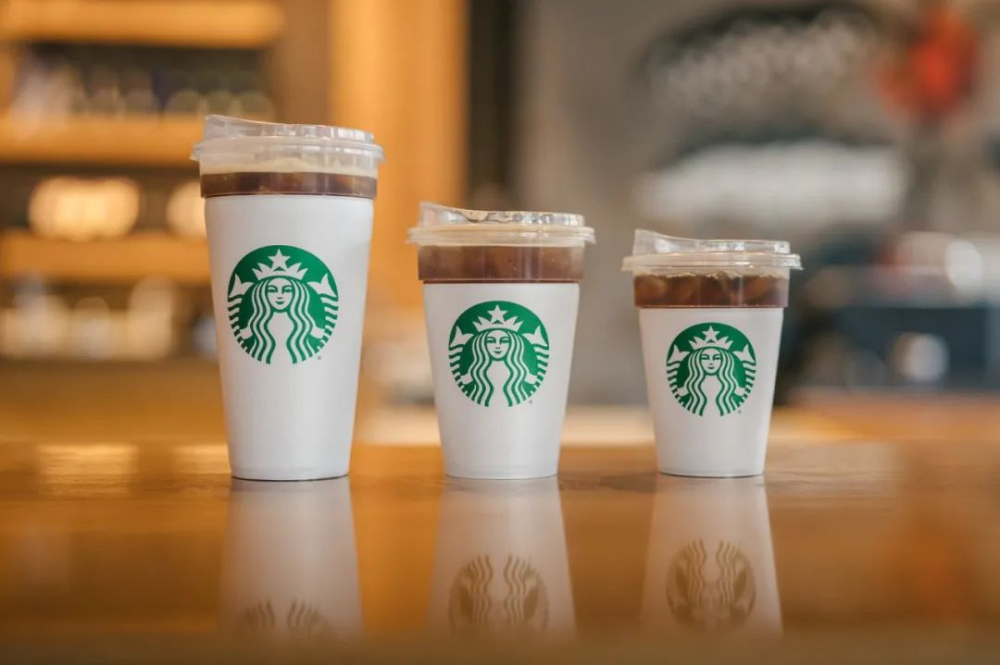
Plan B: The "Borrow a Cup" Program
When that approach proved less workable, Starbucks upgraded its environmental program with Plan B — the "Borrow a Cup" program — in stores across multiple markets including Seattle, Japan, Singapore, and London. Customers who wanted to take their beverage to go had to pay a $1 deposit (a fairly blunt form of "mandatory enforcement"). But as long as they returned the cup to any store afterward, they not only got their deposit back but also earned a bonus of 10 stars (points). Accumulated stars can be redeemed for select beverages and food.

The only difference between Plan A (South Korea) and Plan B was the star "reward"; at their core, both were equally cumbersome. Consumer enthusiasm across regions remained tepid, and Starbucks itself realized the system was a hassle for both customers and staff!
Plan C: Introducing Cup Washing Machines
And so! On Tuesday (March 15th), Starbucks' Chief Sustainability Officer Michael Kobori announced a new plan to encourage reusable cups. Plan C differs from A and B in one key way: specialized cup washing machines. After finishing their drinks, consumers can take their cups to a dedicated washing machine, clean them, and take them home.
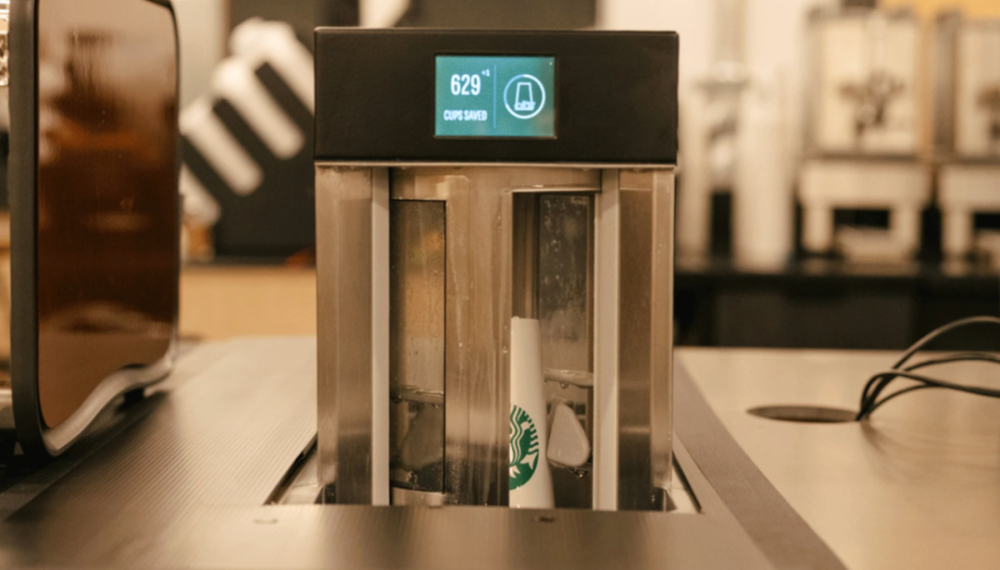
Cups still require a deposit. Once a cup gets too old, customers can return it to Starbucks to reclaim the deposit or swap it for a new one. The cup-washing-machine plan will first be tested at stores on the Arizona State University campus and at some locations in Hawaii.
Public Response and Hygiene Concerns
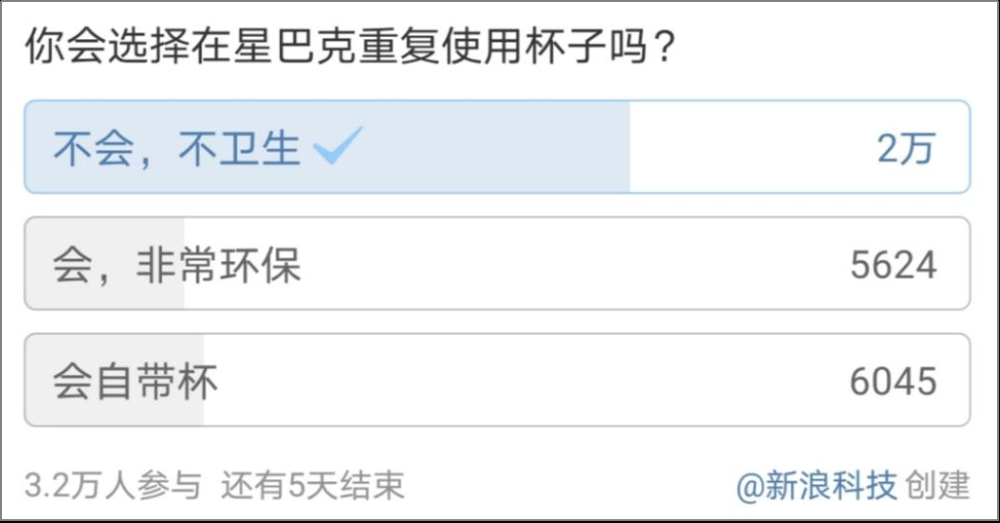
Many netizens responded that the initiative is environmentally friendly but inconvenient! Having to ferry cups back and forth when buying coffee feels like a chore, and hygiene is a real concern. In a previous Sina Technology discussion on "Starbucks reusable cups," 32,000 people participated, and 20,000 declined to support the program out of hygiene worries.
On cup hygiene, Starbucks — the world's largest coffee chain — takes the issue seriously. On March 4th, 2020, out of concern over the spread of the novel coronavirus, the company announced a temporary suspension of personal-cup use in stores. It was the first time Starbucks had suspended its bring-your-own-cup policy since introducing that policy in 1985.
Contradictory Approaches and Environmental Commitment
Banning personal cups on one hand while encouraging everyone to use reusable cups on the other — something feels inconsistent, even if it's hard to pin down. To be fair, Starbucks says returned cups are processed in partnership with recycling company GO Box, with each cup cleaned and disinfected before returning to stores for reuse within 48 hours, reducing disposable cup waste.
I can't speak for readers everywhere, but friends from Guangdong province — home of the time-honored tradition of "rinsing all tableware with tea, clean or not, before dining out" — probably feel some hesitation staring at these shared cups.

Currently, all Starbucks stores in mainland China have adopted more environmentally friendly paper straws and specially developed sip-through lids designed to replace plastic straws altogether. By the company's statistics, this cuts roughly 200 tons of plastic use annually. Whether Starbucks, long committed to environmental causes, can hit its 2025 goal remains to be seen.
Additional Information
Image source: Internet
FrontStreet Coffee Recommendation
Planning to brew your own coffee at home and skip the cup debate entirely? Here are three beginner-friendly specialty beans:
FrontStreet Sun-Dried Huakui — a natural-processed Sidamo from Ethiopia, showcasing berries, florals, jackfruit, melon, and honey. An easy-drinking introduction to African coffee's fruit-forward charm.
FrontStreet Brazil Cerrado Red Bourbon — from Brazil's famous Cerrado region, delivering classic cream, peanut, and cocoa flavors with soft acidity and great sweetness. Delicious and affordable — the very definition of a daily-drinker bean.
FrontStreet PWN Golden Mandheling — wet-hulled Sumatran coffee sorted three times by hand and once by machine for minimal defects, resulting in a clean, smooth cup with distinct woody and caramel notes. Ideal for drinkers who prefer zero acidity.
Important Notice :
FrontStreet Coffee is a long-established specialty coffee roaster in Guangzhou China, selling freshly roasted beans from its own farm in Yunnan as well as dozens of carefully selected single-origin beans from around the world for both pour-over and espresso. The products deliver consistently excellent quality and great value, with shipping within 24 hours. Guangzhou's FrontStreet Coffee shop is recommended by many coffee lovers, and the beans are now available online at the Tmall 。
FrontStreet Coffee has moved to a new address:
FrontStreet Coffee Address: 315,Donghua East Road,GuangZhou
Tel:020 38364473
 Scan and follow the En Gafei WeChat official account. Please indicate that the reprint comes from "En Gafei".