
The Correct Way to Drink Espresso: Espresso Coffee Bean Flavor Characteristics
Espresso rarely appears on coffee shop menus—it's often a hidden item you need the secret code to order. Even when it is listed, it's usually the least-ordered category. Many people wonder what could be special about such a tiny cup.
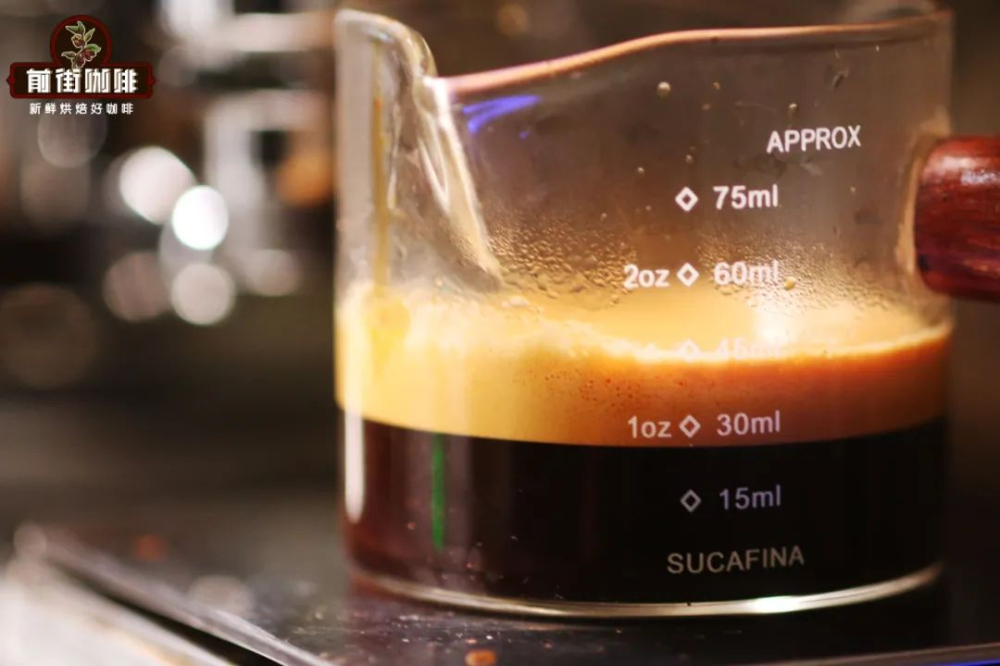
Espresso is not an easy drink. Its intense bitterness drives people away, and so does its small serving. What's left are the connoisseurs and the newcomers sinking into coffee culture who fall under its spell.
Since "bitter" is all many people take away from espresso, FrontStreet Coffee breaks down how to appreciate it in three parts: aroma, mouthfeel, and flavor.
Aroma
Food is judged on "appearance, aroma, and taste"—first impressions matter, and aroma is the entry ticket that decides whether you'll try something at all. Coffee's aroma is exactly what draws people to it.
Espresso's aroma range is narrow; you usually have to bring your nose in close. Traditional espresso carries a rich creamy, nutty scent that evokes almond cream cake. A lightly roasted Single Origin Espresso (SOE) smells lighter and more ethereal, with enticing floral and fruit notes.
Mouthfeel
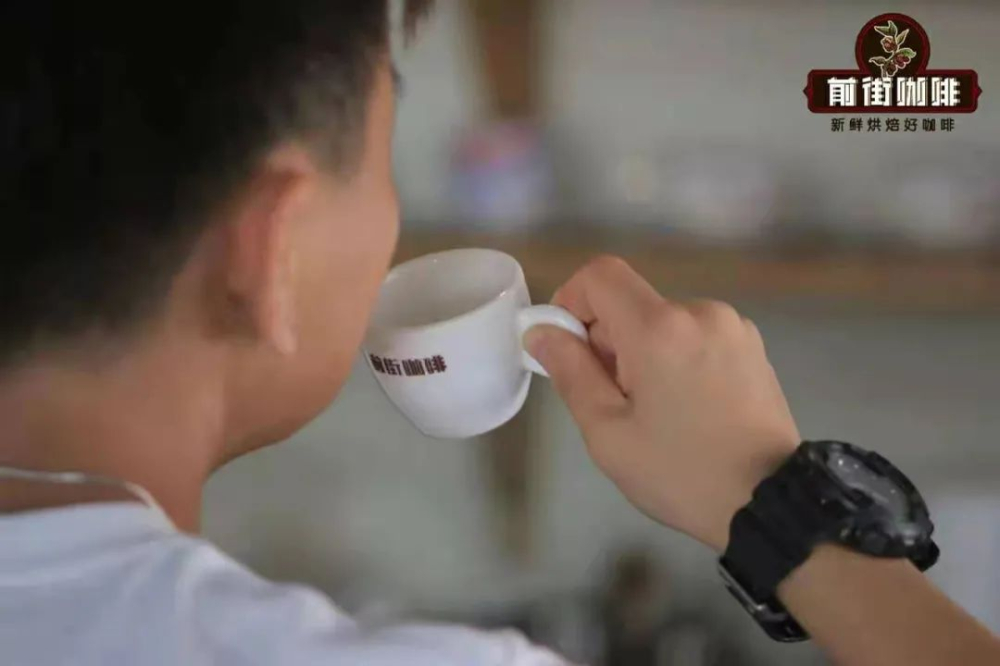
This is espresso's greatest attraction. The crema is the soul of the shot and the source of its rich mouthfeel. So unlike the small careful sips of pour-over, espresso should be drunk in generous gulps, letting the coffee and its oils coat the tongue and palate in silkiness. Traditional espresso feels like cream or honey; an SOE runs comparatively thinner.
Flavor
Traditional espresso presents as roasted bitterness, which is exactly what puts many people off. If FrontStreet Coffee had to describe its flavor, it would be "a village appearing after the endless dark path." You can still find nuts, dark chocolate, and caramel in it—"colorful bitterness," if you like—but as you swallow, what lingers in the mouth comes back with persistent sweetness and aroma. That aftertaste (retro-olfaction) is a whole category of espresso appreciation in itself.
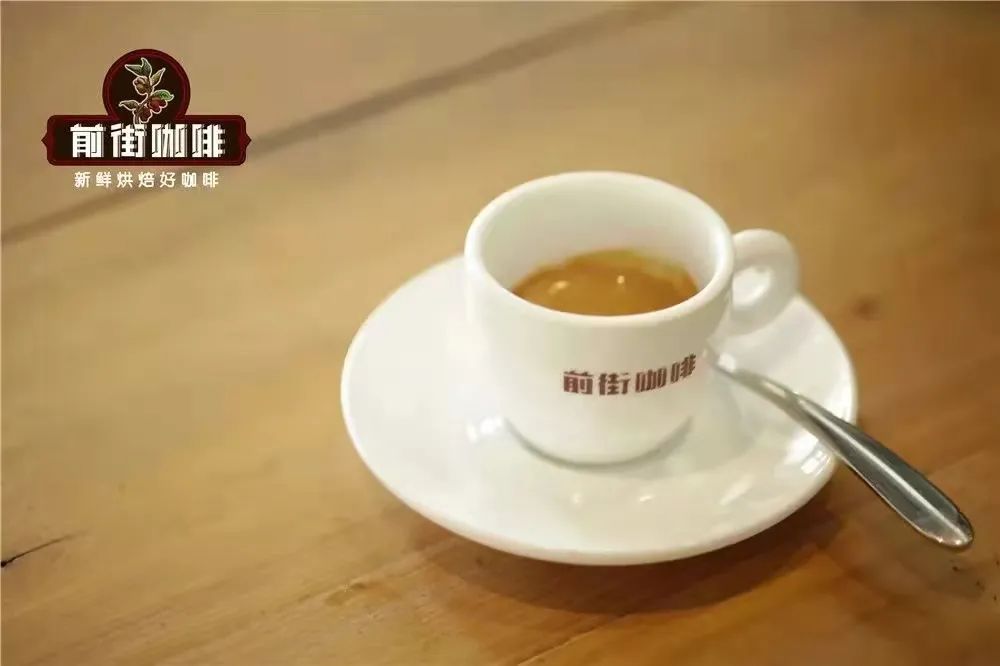
So if you want to taste espresso properly, do it like this:
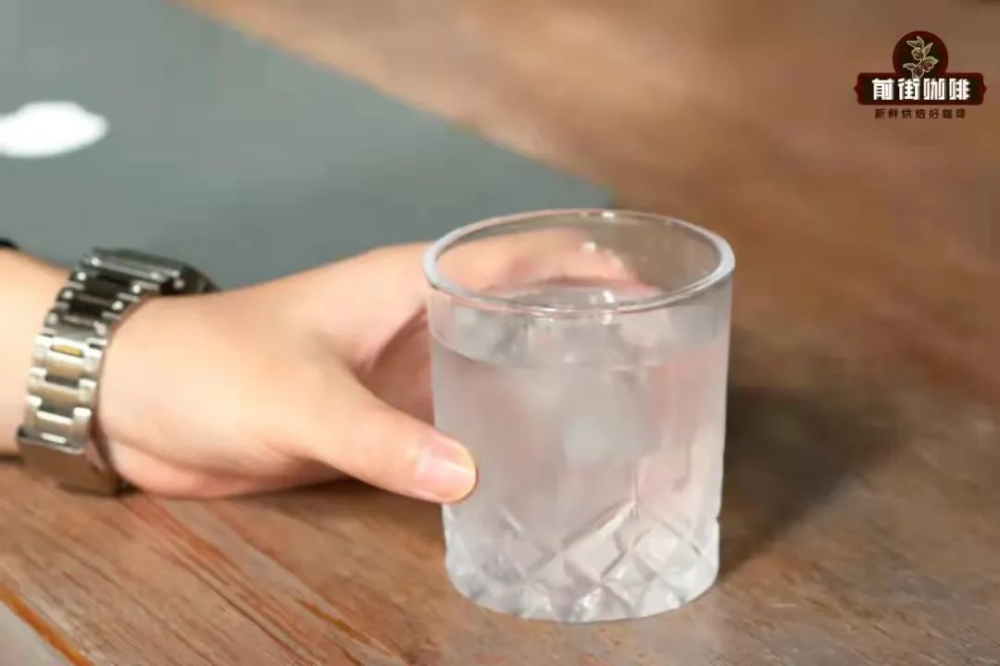
- First, sip some ice water to cleanse your palate.
- Stir with a spoon, or swirl the cup, to even out the shot.
- Bring the cup up and take in the aroma.
- Drink in large gulps, rubbing your tongue against the roof of your mouth to feel the texture. A cup of espresso should take 2–3 gulps.
- After swallowing, close your mouth and exhale through your nose to catch the aroma and aftertaste.
FrontStreet Coffee Recommendation
Traditional-style espresso lives or dies on crema, and FrontStreet Coffee's Classic Blend was designed for exactly that: even a beginner with a home machine can pull a dense, silky layer of golden crema, with butter, nut, spice, dark chocolate, and toast aromatics and a wild, full body—perfect for Americanos and lattes alike.
Prefer the nutty-sweet route? The FrontStreet Signature Blend, built on Brazil Cerrado and Colombia Huila, delivers almond, walnut, and hazelnut character with chocolate, caramel, and a gentle acidity. For something fruitier, the Natural Huakui SOE—grown at 2,300 meters in Guji Hambella and medium roasted—turns into cream, cocoa, berry, soft florals, and black tea in the cup.
Important Notice :
FrontStreet Coffee is a long-established specialty coffee roaster in Guangzhou China, selling freshly roasted beans from its own farm in Yunnan as well as dozens of carefully selected single-origin beans from around the world for both pour-over and espresso. The products deliver consistently excellent quality and great value, with shipping within 24 hours. Guangzhou's FrontStreet Coffee shop is recommended by many coffee lovers, and the beans are now available online at the Tmall 。
FrontStreet Coffee has moved to a new address:
FrontStreet Coffee Address: 315,Donghua East Road,GuangZhou
Tel:020 38364473
 Scan and follow the En Gafei WeChat official account. Please indicate that the reprint comes from "En Gafei".

