
Coffee Allowed to Contain 10% Cockroaches? I Don't Believe It!
Unpacking the Cockroach-in-Coffee Myth: What's Really in Your Ground Coffee?
Last March, Dr. Karan Raj, an NHS doctor, posted a short video on his TikTok account @dr.karanr claiming that most pre-ground coffee sold in supermarkets contains cockroaches (to spare readers, we will call them "Ah Qiang" below). According to the video, a certain percentage of coffee beans are contaminated by Ah Qiang and other insects before being ground into powder.
The video added that these insects typically cannot be completely separated from the beans, so they get roasted and ground along with them. Most food regulators, it said, allow a certain percentage of insects in food. While Ah Qiang is high in protein and generally harmless to humans, people allergic to it should avoid pre-ground coffee products.
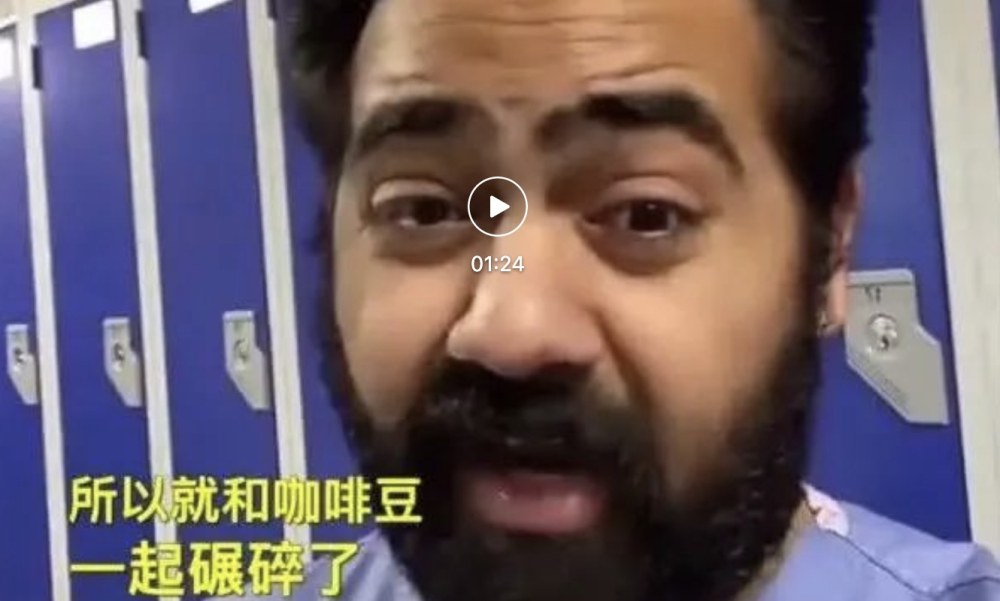
Soon after, another TikTok pharmacist, @earthpothecary, posted a video claiming that most coffee beans are stored in warm, humid environments—Ah Qiang's favorite habitat—making the insects nearly impossible to separate from the beans. Coffee, the video claimed, is therefore allowed to contain up to 10% insect content including Ah Qiang—so that supermarket pre-ground coffee might be up to 10% insect... The pharmacist advised that anyone wanting pure black coffee without Ah Qiang should buy whole beans—at least you can see whether insects are inside.
Now let's unpack how much misinformation these two videos served up.
The 10% Insect Content Claim
First, the claim that "coffee may legally contain up to 10% insects." According to guidelines published by the U.S. Food and Drug Administration (FDA), it is impractical to expect crops to be completely free of natural, harmless foreign matter during harvesting and processing—the presence of such matter (insects, insect eggs, and so on) is inevitable. However, the food preservation section states that if 10% or more of similar objects are found in even the smallest unit (such as a small box) within a batch of goods, the entire batch must be seized for inspection.
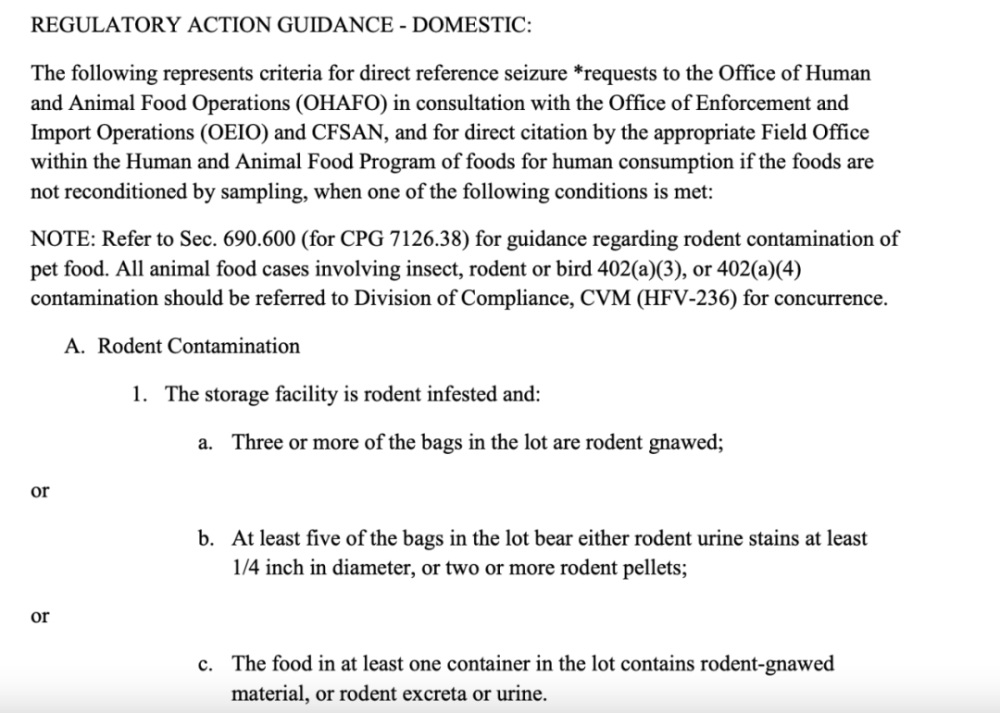
While the FDA's Microanalytical Procedures Manual (MPM) does note that insects and their feces are common foreign objects in ground coffee and coffee beans, other unexpected contaminants—mold, fungi, rodents, cigarette butts, chewing gum, broom straws—can also show up. Because such things can easily slip in, extra vigilance is warranted.
Separating Insects from Coffee Beans
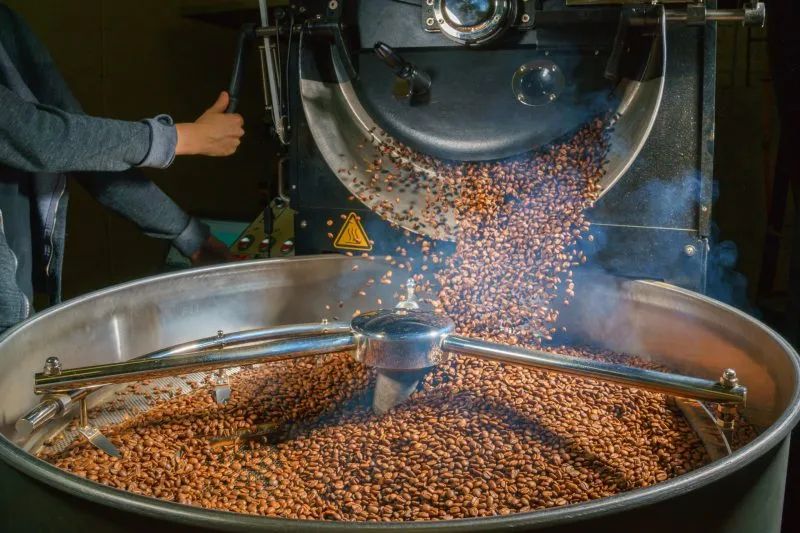
As for the claims that "separating Ah Qiang from coffee beans is extremely difficult" and "these insects cannot be fully removed"—in reality, coffee beans go through manual sorting to remove defective beans before roasting. Is it truly impossible to separate them from insects? Hardly. The Federal Food, Drug, and Cosmetic Act also requires food manufacturers to prepare, package, and store food under sanitary conditions at every stage of production and distribution, and producers must comply with regulations mandating effective pest control in their facilities to keep pests like Ah Qiang out.
In China, food processing plants holding proper production licenses must keep storage, production, and packaging environments 100% insect-free. Properly built roasting facilities are equipped with screens, pest elimination tools, and rodent barriers—everything needed to block pests—so disease-carrying organisms such as cockroaches, mice, and flies cannot be present in production areas.
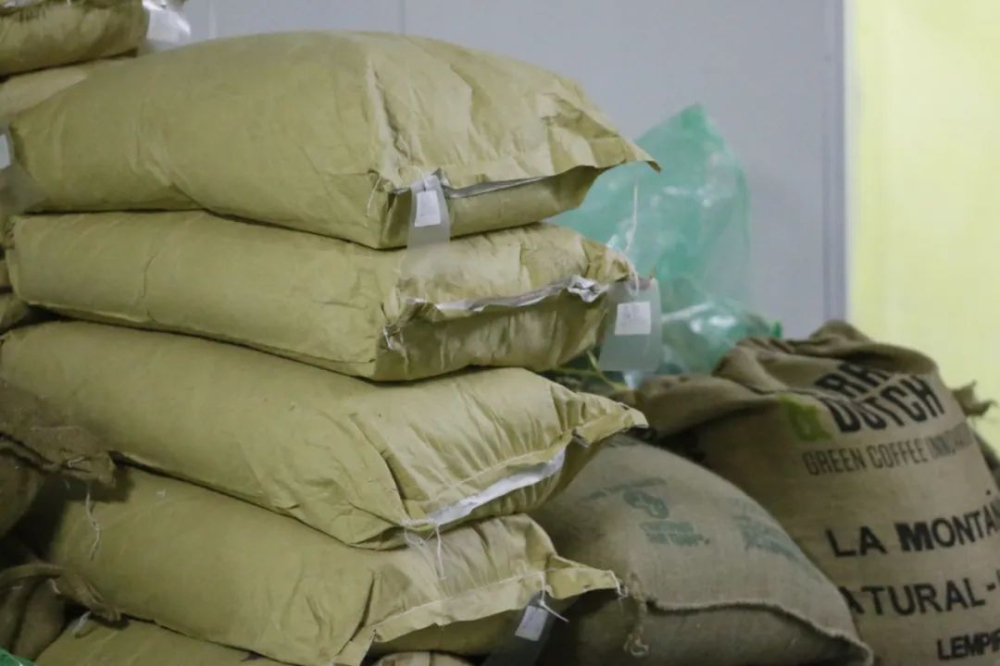
These facilities are checked for compliance during certification, license renewal, routine inspections, and surprise checks. So whether it is green coffee, roasted beans, or ground powder, it is essentially impossible for pests like Ah Qiang or rodents to be present. Consumers should buy from brands with proper production qualifications—and as practitioners with compliant facilities, that also spares us the malicious "rights protection" buyer.
Coffee Bean Storage Conditions
Then there is the claim that "most coffee beans are stored in warm, humid environments"—which is unreasonable on its face. Neither green nor roasted beans should ever be stored in humidity. Green coffee must be kept at 20-25°C with 50-65% humidity; anything above 80% humidity is generally considered damp. Roasted beans must be stored dry, cool, ventilated, and sealed, at around 20°C—refrigeration is not advised.
Nutritional Value of Cockroaches
Finally, the claim that "Ah Qiang is high in protein and harmless to humans"... um... if Ah Qiang counts as a pest, how exactly is it harmless?! And if you must invoke specially bred cockroaches raised for pharmaceutical use, that is a spectacular stretch!
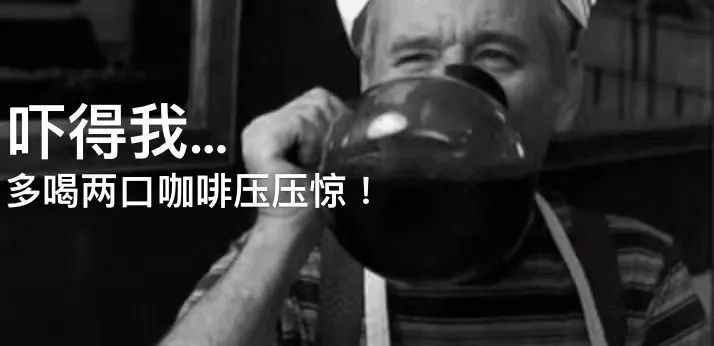
After watching the video at the top of this article, our writer quietly picked up a cup of coffee and drank it without a worry—and with great satisfaction.
Related websites: https://www.fda.gov/media/72108/download https://www.fda.gov/food/laboratory-methods-food/macroanalytical-procedures-manual-mpm
Image source: Internet
Video source: Weibo @internet-garcon-pdf
FrontStreet Coffee Recommendation
If the myth has you eyeing whole beans over pre-ground powder, good news: buying beans also buys you better flavor. Medium roasts are the sweet spot for a balanced cup, and FrontStreet Coffee's Brazil Queen Estate fits the bill—a yellow bourbon from Brazil, softly sweet with cream, peanut, chocolate, toasted bread, and sugarcane notes after medium roasting. For a fruitier medium roast, the FrontStreet Strawberry Candy geisha blend pairs Costa Rican honey-processed coffee with Panamanian washed geisha, showing orange-blossom honey tones and rounded sweetness, and the FrontStreet Jamaica Blue Mountain No.1 roasts medium to fuse acidity, bitterness, sweetness, and body into one elegant cup of chocolate, roasted nuts, cream, and caramel. Whole beans, freshly ground—no insects included.
Important Notice :
FrontStreet Coffee is a long-established specialty coffee roaster in Guangzhou China, selling freshly roasted beans from its own farm in Yunnan as well as dozens of carefully selected single-origin beans from around the world for both pour-over and espresso. The products deliver consistently excellent quality and great value, with shipping within 24 hours. Guangzhou's FrontStreet Coffee shop is recommended by many coffee lovers, and the beans are now available online at the Tmall 。
FrontStreet Coffee has moved to a new address:
FrontStreet Coffee Address: 315,Donghua East Road,GuangZhou
Tel:020 38364473
 Scan and follow the En Gafei WeChat official account. Please indicate that the reprint comes from "En Gafei".

