
How to Choose Single-Origin Coffee Beans for Pour-Over? FrontStreet Coffee's Introduction to Flavor Characteristics of Seven Major Growing Regions' Daily Beans
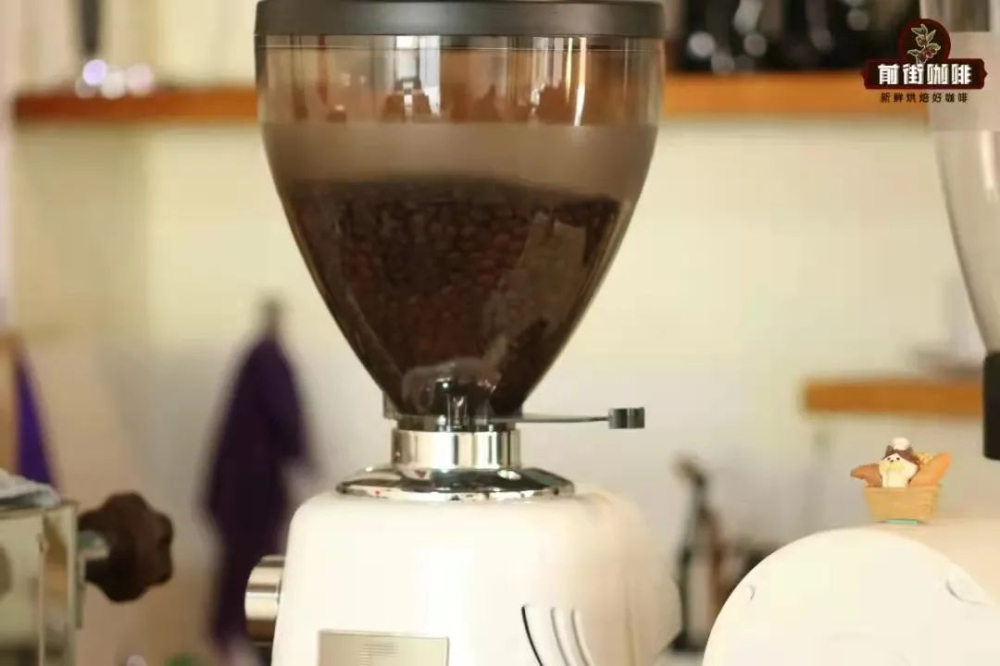
Coffee beans on the market generally fall into two types. One is designed for espresso machines, usually sold in larger quantities (1 pound or 1 kilogram). The other carries detailed origin information and is what we call single-origin coffee beans—typically brewed as pour-over, French press, and other filter methods, and packaged in quantities under half a pound.
So what actually separates the two? Can they be used interchangeably?
Browse any major shopping platform and you will notice espresso beans usually cost less than other coffee beans—which leads some newcomers to treat price as their main criterion.

Quality and Price Differences
First, espresso bean does not mean cheap bean. The price gap mostly reflects how refined the quality is.
Value-oriented espresso blends typically mix 2-5 different beans from various regions to lock in a stable flavor profile, with little emphasis on the refinement of any single component. But there are also espresso beans developed specifically for quality—these are priced higher and often use single-origin beans or premium blends.
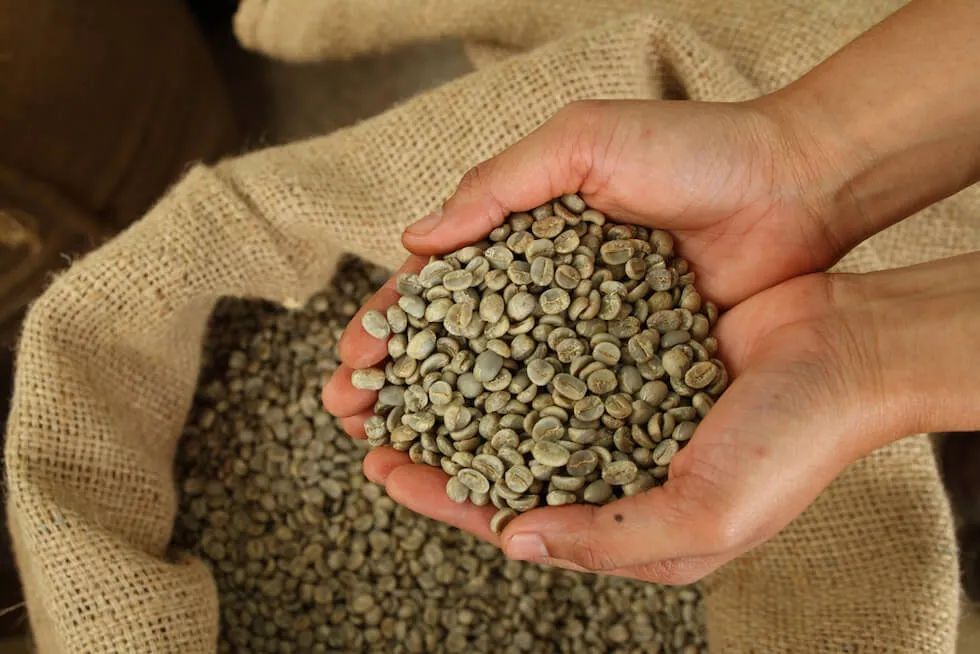
Espresso beans are also engineered specifically for extraction under espresso machine pressure, which is why their roast level differs from other beans: compared with drip coffee, they are roasted considerably darker.

Brewing Methods and Flavor Profiles
Pour-over is a brewing method, so technically any coffee can go through it—including espresso beans. But as noted, espresso beans are roasted darker, so the cup tends to be dominated by roasty character (bitterness): nuts, toasted bread, dark chocolate, caramel. Those flavors make a rich, smooth, mellow espresso and a sweet, pleasant milk drink, but as a pour-over they mostly deliver an ordinary, flat, bitter profile.
And if you pick espresso beans purely because they are cheap, the flavor can be, well, hard to describe.

Choosing the Right Beans
Match the bean to the brewing method. If you are worried about wasting beans and want something cheap to practice with, espresso beans are exactly what you should avoid: even a technically perfect brew will taste wrong, and that frustration can dead-end your progress.
For practice, pick cost-effective single-origin basics instead. FrontStreet Coffee's "Daily Beans" series is built for exactly this: seven representative coffee regions selected by FrontStreet Coffee, each with distinctive flavor characteristics, priced so that one bag costs about the same as a single cup of coffee in Guangzhou. It is ideal for anyone who wants to drill their pour-over technique or explore how different origins taste.
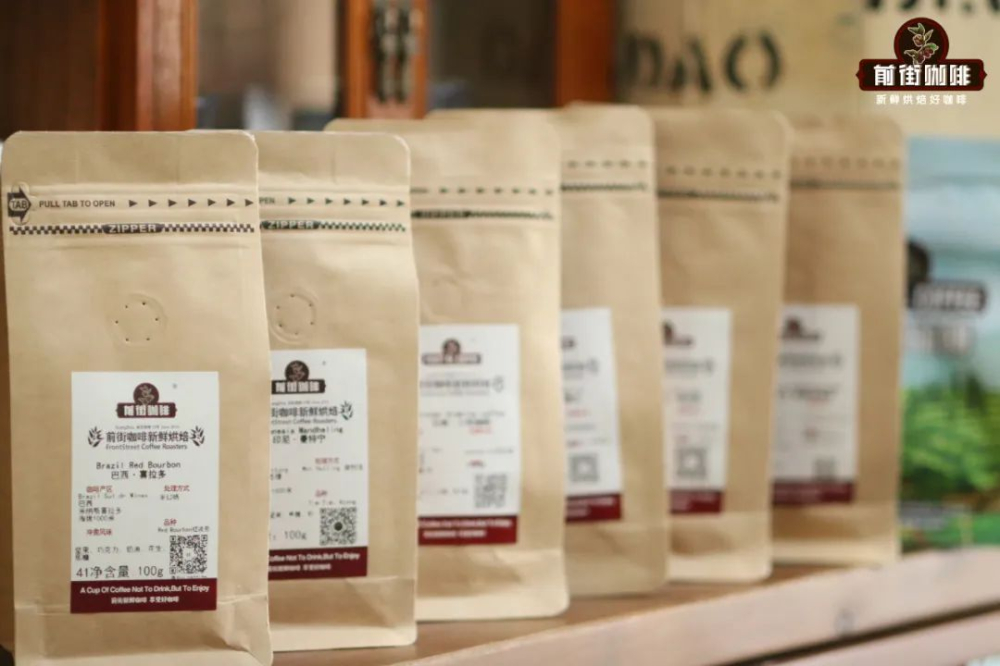
FrontStreet Coffee Recommendation
Within that approachable, single-origin spirit, two FrontStreet picks stand out. If you like a fragrant, delicate cup, try the FrontStreet Strawberry Candy—a geisha blend custom-built from Costa Rican honey-processed coffee and Panamanian washed geisha, uniting the finest flavor traits of Central American coffee; steeped in a French press or brewed as pour-over, it releases rose, citrus, grape, and dried blueberry aromas, and with milk it takes on a strawberry-soft-candy sweetness. If you prefer a low-acid, full-bodied black coffee, the FrontStreet PWN Golden Mandheling is the classic choice—triple hand-selected plus once machine-selected, medium-dark roasted with rich spice, caramel, cedar, and dark chocolate aromas and a thick, smooth mouthfeel.
Whichever you choose, give immersion brewing a try alongside pour-over: a 1:15 ratio, water around 90 degrees, and a coarse, raw-sugar grind with about 4 minutes of steeping is all it takes—the French press is as forgiving as it is simple.
Important Notice :
FrontStreet Coffee is a long-established specialty coffee roaster in Guangzhou China, selling freshly roasted beans from its own farm in Yunnan as well as dozens of carefully selected single-origin beans from around the world for both pour-over and espresso. The products deliver consistently excellent quality and great value, with shipping within 24 hours. Guangzhou's FrontStreet Coffee shop is recommended by many coffee lovers, and the beans are now available online at the Tmall 。
FrontStreet Coffee has moved to a new address:
FrontStreet Coffee Address: 315,Donghua East Road,GuangZhou
Tel:020 38364473
 Scan and follow the En Gafei WeChat official account. Please indicate that the reprint comes from "En Gafei".

