Pour-over Coffee Blooming Technique: Proper Method, Water Amount, and Timing - Yirgacheffe Brewing Parameters
On the subject of blooming, FrontStreet Coffee has covered quite a bit: pouring technique, coffee bed expansion, and how bloom water amount and time affect flavor. All of those observations were made from above the filter cone. This time, let's look at the issue from below the cone.
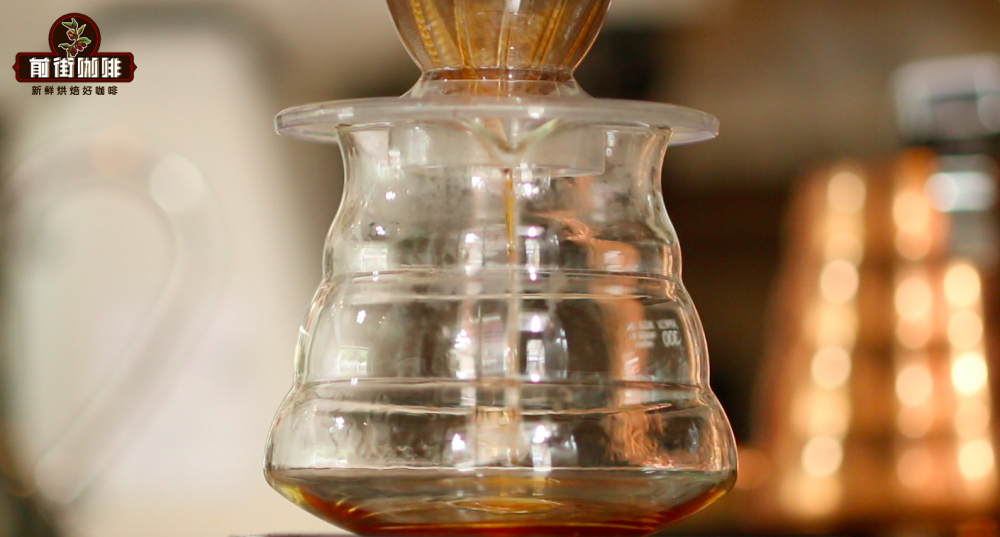
First, the basics: the bloom step is primarily designed to release gases from the coffee grounds. It's also known that coffee grounds absorb twice their weight in water. So for beginners, controlling the bloom water to twice the coffee weight is a reliable approach.
Careful observers will notice, however, that when blooming with twice the water amount, a fair amount of coffee liquid flows into the server. This means the grounds haven't completely absorbed the water.
This is actually normal. Hand-drip coffee typically uses a grind size similar to sugar granules. While it may look as though all the grounds are moistened, in reality only the surface of the particles gets wet, and the interior of some grounds remains unpenetrated by water. That causes the excess water, now coffee liquid, to flow down.
The amount of coffee liquid flowing into the server relates to the following factors.
1. Coffee Grind Size
Ground finer, water doesn't easily penetrate downward and stays in the coffee bed longer, but too fine will cause water pooling. Ground coarser, the grounds expand better, but correspondingly the gaps between grounds grow larger and water flows away more easily. When the gaps are too large, the coffee bed can easily collapse.
You can use this in reverse: when blooming with twice the water amount, if water drips into the server very slowly, the coffee is ground too fine. If water drips very quickly, with more water in the server and a collapse in the middle, the grind is too coarse.
2. Coffee Roast Level
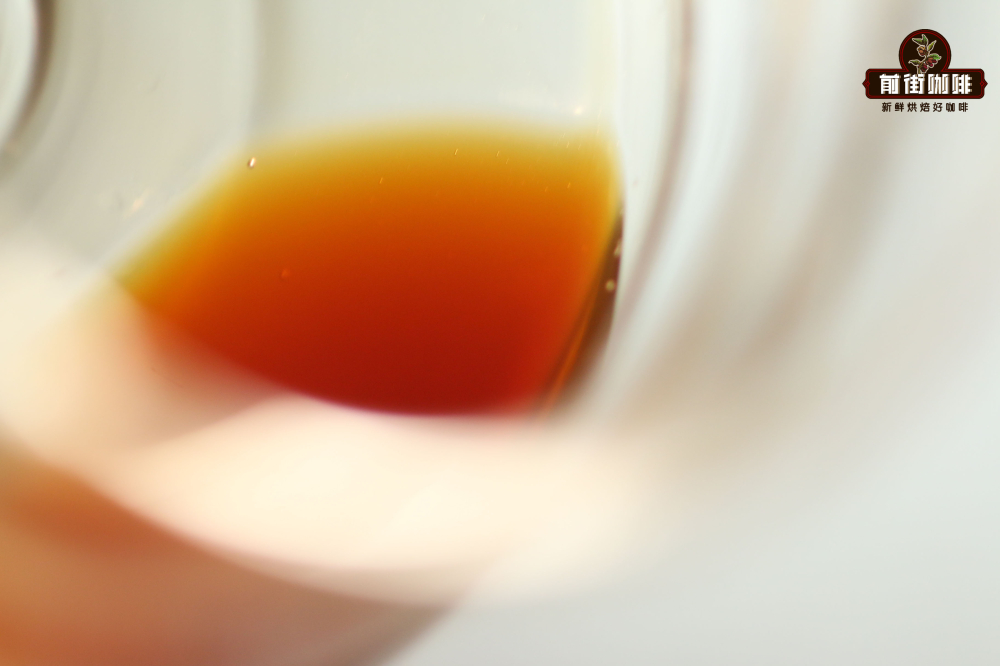
Under equal conditions, dark-roasted coffee absorbs water more easily, so less water flows into the server. Light-roasted coffee absorbs water more slowly, so relatively more water flows in. Generally speaking, with 15g of grounds and 30ml of bloom water, a dark roast yields about 3-6ml of coffee liquid, while a light roast yields about 5-10ml.
3. Pouring Technique
For bloom pouring, you can refer to the article "How to Pour Water Reliably for Blooming" for details. If you pour more around the outer edge, some water will run off from the sides. For some light-roasted coffees with a less obvious expansion, pouring in small circles around the center might leave the surrounding grounds unmoistened, which also causes more water to drip into the server.
If you accidentally pour too much water, it will likewise cause excessive dripping during the bloom, for example if you planned 30ml but actually poured 35ml.

Aside from those points to watch, a small amount of coffee liquid dripping during a bloom with twice the water amount is normal and won't significantly affect subsequent extraction. Some experienced brewers may choose less water for the bloom to avoid liquid dripping into the server prematurely. FrontStreet Coffee doesn't recommend this for beginners, though, because without full proficiency, using less than twice the water amount makes it hard to completely moisten the surface layer of the grounds. Sticking with twice the water amount is more reliable.
FrontStreet Coffee's own blooming phenomenon is that dripping begins just as the bloom pour is finishing, around the 7th second, with coffee liquid falling into the server in droplets (sometimes the first second is a thin stream), then stopping between the 15th and 18th second. You can use this as reference, but you don't have to follow it exactly. If you think too much liquid is dripping into the server during the bloom, you can trace the cause through the three points above.
FrontStreet Coffee Recommendation
Blooming is where a good pour-over begins, and it rewards beans with clean, expressive aromatics. FrontStreet Coffee's Washed Yirgacheffe is the classic example, with a white jasmine aroma, bright citrus and lemon acidity, and a tea-like body that makes it an ideal first specialty coffee. Its clean structure also makes it easy to see how your bloom and grind are behaving.
If you'd like to explore Yirgacheffe in more depth, FrontStreet Coffee's Gedingding Cooperative coffee comes from the Worka area at the southeastern edge of Yirgacheffe. Washed in the most traditional way, it shows fresh, bright citrus and lemon acidity with jasmine fragrance and no harsh bitterness. And for a sun-dried contrast from the same region, FrontStreet Coffee's Red Cherry lot uses fully ripe cherries and whole-fruit sun drying to add tropical fruit notes, berry juiciness, honey sweetness, and a creamy smoothness on top of the classic Yirgacheffe character.
Important Notice :
FrontStreet Coffee is a long-established specialty coffee roaster in Guangzhou China, selling freshly roasted beans from its own farm in Yunnan as well as dozens of carefully selected single-origin beans from around the world for both pour-over and espresso. The products deliver consistently excellent quality and great value, with shipping within 24 hours. Guangzhou's FrontStreet Coffee shop is recommended by many coffee lovers, and the beans are now available online at the Tmall 。
FrontStreet Coffee has moved to a new address:
FrontStreet Coffee Address: 315,Donghua East Road,GuangZhou
Tel:020 38364473
 Scan and follow the En Gafei WeChat official account. Please indicate that the reprint comes from "En Gafei".