
What is the optimal tasting temperature for coffee? Best brewing temperature recommendations for pour-over coffee beans
Many readers have messaged to ask, "What is the ideal drinking temperature for coffee?" The question momentarily left FrontStreet Coffee unsure where to begin.
"Generally, it is not recommended to drink coffee at temperatures above 55°C!" "Why?" "Because it will burn your tongue  "
"
Alright, all right, jokes aside. Now for the serious discussion.

FrontStreet Coffee has gathered that this reader really wants to know at what temperature coffee tastes best, when it is most fragrant and most enjoyable to drink.
To understand the question clearly, we have to start not with coffee itself but with our taste buds. Our tongues can perceive five flavors, among which the sourness, sweetness, and bitterness of coffee are the most easily detected. In coffee, the substances creating sour, sweet, and bitter flavors are all mixed together.

Usually, when sour and sweet substances overpower the bitter ones, the coffee presents sweet-and-sour fruity notes, which are the flavors we enjoy. If the bitterness becomes prominent, or the sourness dominates alone, it becomes unappealing.
Temperature also affects how we perceive sourness, sweetness, and bitterness. We perceive sweetness most strongly when the temperature is above and close to body temperature. Bitterness becomes more pronounced as the temperature falls toward room temperature. Our perception of sourness, however, is unaffected by temperature.
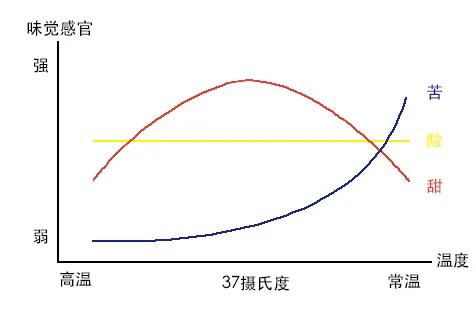
What is more, the most prominent flavors we experience when drinking coffee come from aroma. Freshly brewed coffee has the richest aroma, which grows more subdued as the temperature drops. In a cup of washed Geisha coffee, for instance, when it is hot we can smell and taste rich jasmine and citrus, but as it cools the jasmine and orange aromas become less noticeable, giving way to a honey-like fragrance. This does not mean coffee tastes bad when cool, only that it is less flavorful than when hot.
Optimal Temperature for Hot Coffee
For hot pour-over coffee, then, it is best enjoyed within the 35-45°C range. Coffee brewed with 90°C water takes about two minutes to finish, and its temperature will still be around 65-70°C, which is hot enough to burn the tongue and makes it difficult to perceive flavors properly. If the coffee is too hot, you might first appreciate its aroma, which is also part of the tasting experience.
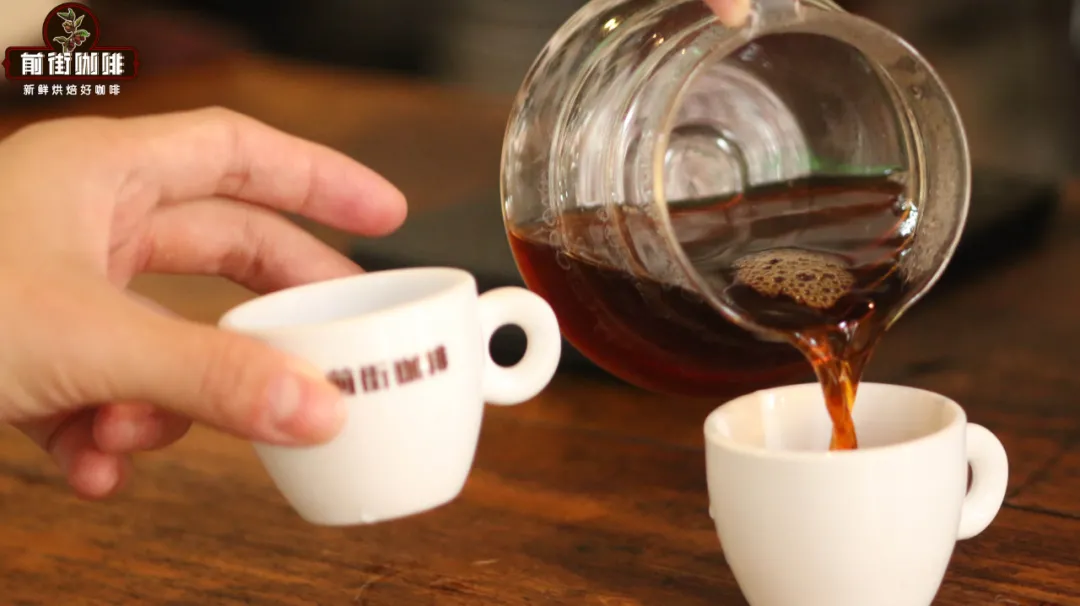
Of course, you can also follow the approach of coffee professionals and taste from high to low temperature to experience how the coffee changes as it cools.
Preserving Coffee Temperature
Some readers have asked whether keeping coffee in a thermos or reheating it can preserve the flavor. The answer is no. Drinking from a thermos within an hour will not noticeably affect the taste, but if it is left too long or reheated after cooling, the volatile aromatic compounds will not return, so the original flavor cannot be restored.
Iced Coffee Considerations
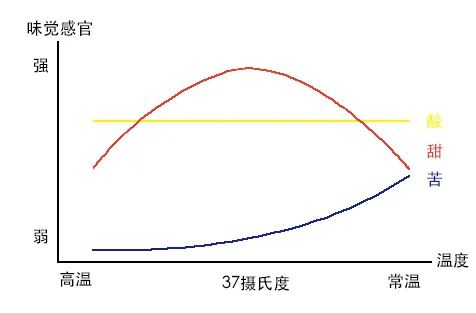
Others may ask, "You said bitterness becomes more pronounced at lower temperatures, but I don't experience that when drinking iced coffee." That brings us to how iced coffee is prepared. The common method for iced pour-over is to extract the early to middle-stage compounds, then cool and dilute them with ice.

This means the more bitter substances from the middle to later stages are not extracted. In iced pour-over coffee, the sweet and sour flavors can cover the bitter ones, so it tastes less bitter. Compare the aroma of iced and hot coffee, though, and the difference is enormous.
That is why customers often ask FrontStreet Coffee whether a certain coffee tastes better hot or iced. FrontStreet Coffee's usual answer is that hot coffee provides a more complete sensory experience, but whether to drink it hot or iced ultimately comes down to personal preference.
FrontStreet Coffee Recommendation
A coffee that changes as it cools is the best way to test this for yourself, and floral, washed coffees show the shift most clearly. FrontStreet Boquete Geisha, an entry-level washed Geisha from Panama's most representative specialty region, delivers a clean Geisha character with orange-blossom honey, an oolong-tea sensation, and delicate fruit acidity that separates into distinct layers as the cup cools.
FrontStreet Yirgacheffe Washed Coffee, from a cooperative in the Yirgacheffe region, is another excellent choice: jasmine florals, lemon acidity, and berry notes with a green-tea-like sweetness let you taste how the aroma peaks when hot and then settles into something gentler as it drops toward that 35-45°C sweet spot.
Important Notice :
FrontStreet Coffee is a long-established specialty coffee roaster in Guangzhou China, selling freshly roasted beans from its own farm in Yunnan as well as dozens of carefully selected single-origin beans from around the world for both pour-over and espresso. The products deliver consistently excellent quality and great value, with shipping within 24 hours. Guangzhou's FrontStreet Coffee shop is recommended by many coffee lovers, and the beans are now available online at the Tmall 。
FrontStreet Coffee has moved to a new address:
FrontStreet Coffee Address: 315,Donghua East Road,GuangZhou
Tel:020 38364473
 Scan and follow the En Gafei WeChat official account. Please indicate that the reprint comes from "En Gafei".

