
Three-Cut Method Tutorial for Pour-Over Coffee: Water Volume Requirements for Each Segment
Segmented pouring is the most common approach in pour-over coffee today. Its appeal is flexibility: by shifting how you distribute water across pours, you can steer the coffee's flavor expression.

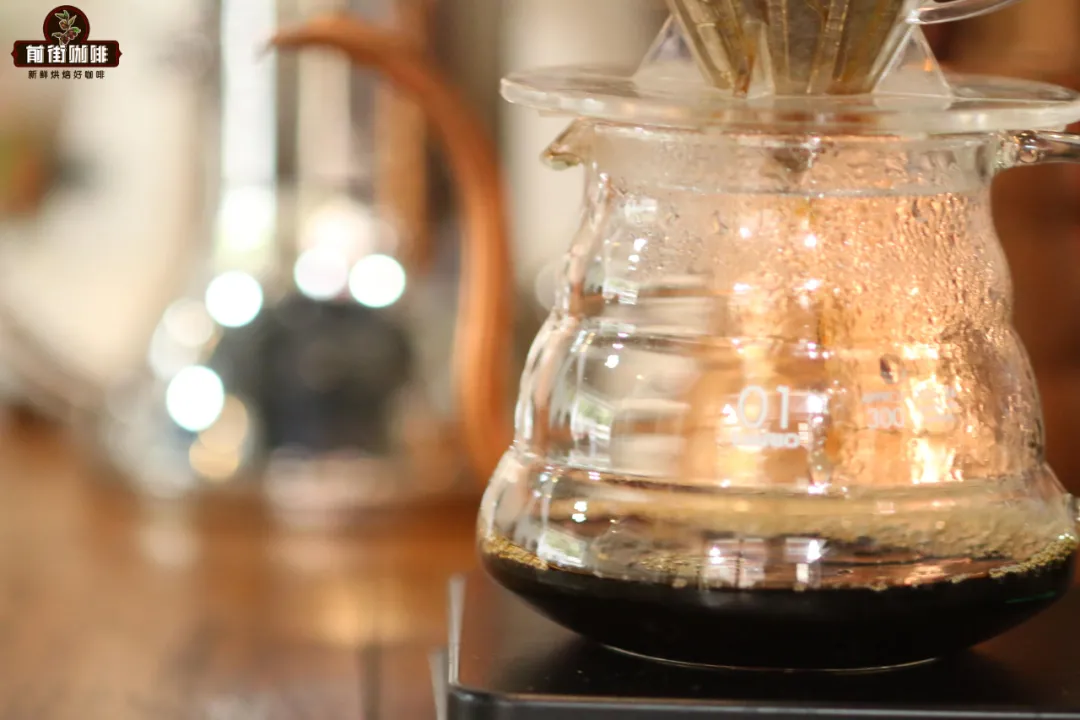
Here FrontStreet Coffee shares an exercise for understanding water distribution: extract the early, middle, and late stages of a brew separately, taste them against each other, and use what you learn to adjust your ratios. Different beans behave differently, and this method lets you steer a particular coffee toward its best qualities. Below we'll demonstrate with a washed Yirgacheffe and a three-stage pour. You'll need 3 servers to catch the early, middle, and late stage liquids separately.
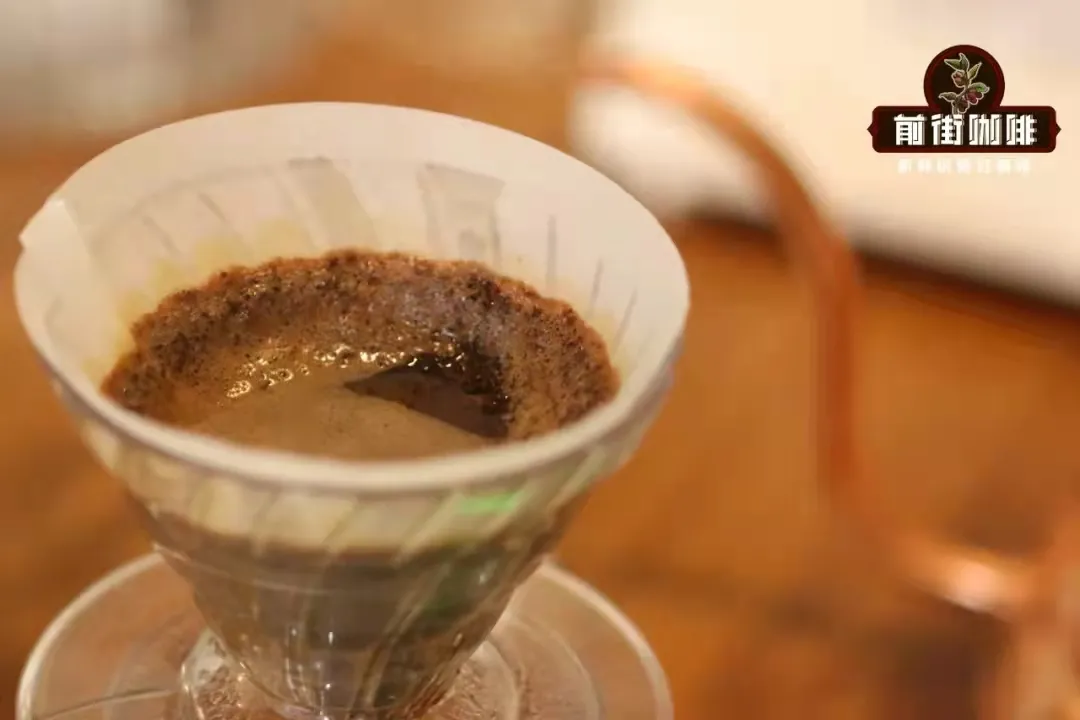
Dose 15g of grounds. Start with 30g of water and bloom for 30 seconds. Then pour the first stage: 65g of water. Once all the liquid has drained into the first server, swap in the second. Pour the second stage: another 65g. Again wait for full drainage and switch to the third server. Pour the third and final stage: 65g more, let it drain, and you're done.

Now you have the early, middle, and late stage coffee, and tasting them tells you how to distribute your water. In our tasting, the early stage was strong — a concentrated, juice-like acidity, though the high concentration made it feel somewhat sharp. The middle stage was much lighter: the sweet-tart sensation of berries with a honeyed aroma. The late stage was basically water-thin, but with very prominent florals, a tea-like quality, and a trace of woodiness. Based on that, the adjustment is clear: cut back the late-stage water and give more to the middle stage. That avoids the late stage's less desirable flavors while boosting the juiciness the middle stage delivers.
Of course, this is just one example — every coffee will tell its own story. The method works both ways: it shows you where a bean's best flavors concentrate, and where the unwanted ones sneak in, so you can fix the recipe step by step.
FrontStreet Coffee Recommendation
Beans like the washed Yirgacheffe used in this exercise reward segmented pouring beautifully. The FrontStreet Washed Guodingding Cooperative lot — from the Worka area at 1800m and above, washed G1 heirloom — is exactly that kind of coffee: clean and bright with jasmine florals, citrus and lemon acidity, and a tea-like finish that shifts fascinatingly from stage to stage. If you enjoy playing with extraction in the cup, it's the ideal practice bean.
For something juicier, the FrontStreet Natural Guji Huakui from Ethiopia (Sidama, 2250-2350m) brings strawberry, passion fruit, honey, and black tea with high sweetness and almost no bitterness, and the FrontStreet Kenya "Cherry Tomato" — SL28 and SL34 from Thika at 1550-1750m, K72 double-washed — offers crisp cherry-tomato and dark-plum acidity that stays balanced even in the early stage's high concentration. Three stages, three different cups of the same bean: that's the fun of pour-over.
Important Notice :
FrontStreet Coffee is a long-established specialty coffee roaster in Guangzhou China, selling freshly roasted beans from its own farm in Yunnan as well as dozens of carefully selected single-origin beans from around the world for both pour-over and espresso. The products deliver consistently excellent quality and great value, with shipping within 24 hours. Guangzhou's FrontStreet Coffee shop is recommended by many coffee lovers, and the beans are now available online at the Tmall 。
FrontStreet Coffee has moved to a new address:
FrontStreet Coffee Address: 315,Donghua East Road,GuangZhou
Tel:020 38364473
 Scan and follow the En Gafei WeChat official account. Please indicate that the reprint comes from "En Gafei".

