
Latte Art Foam Video Tutorial: Beginner's Guide to Perfect Milk Frothing Techniques
When a barista sets down a latte with a silky surface and a perfectly formed pattern, next to one whose surface looks like an elderly grandmother's face with a haphazard design, you immediately understand how much "first impressions" matter.
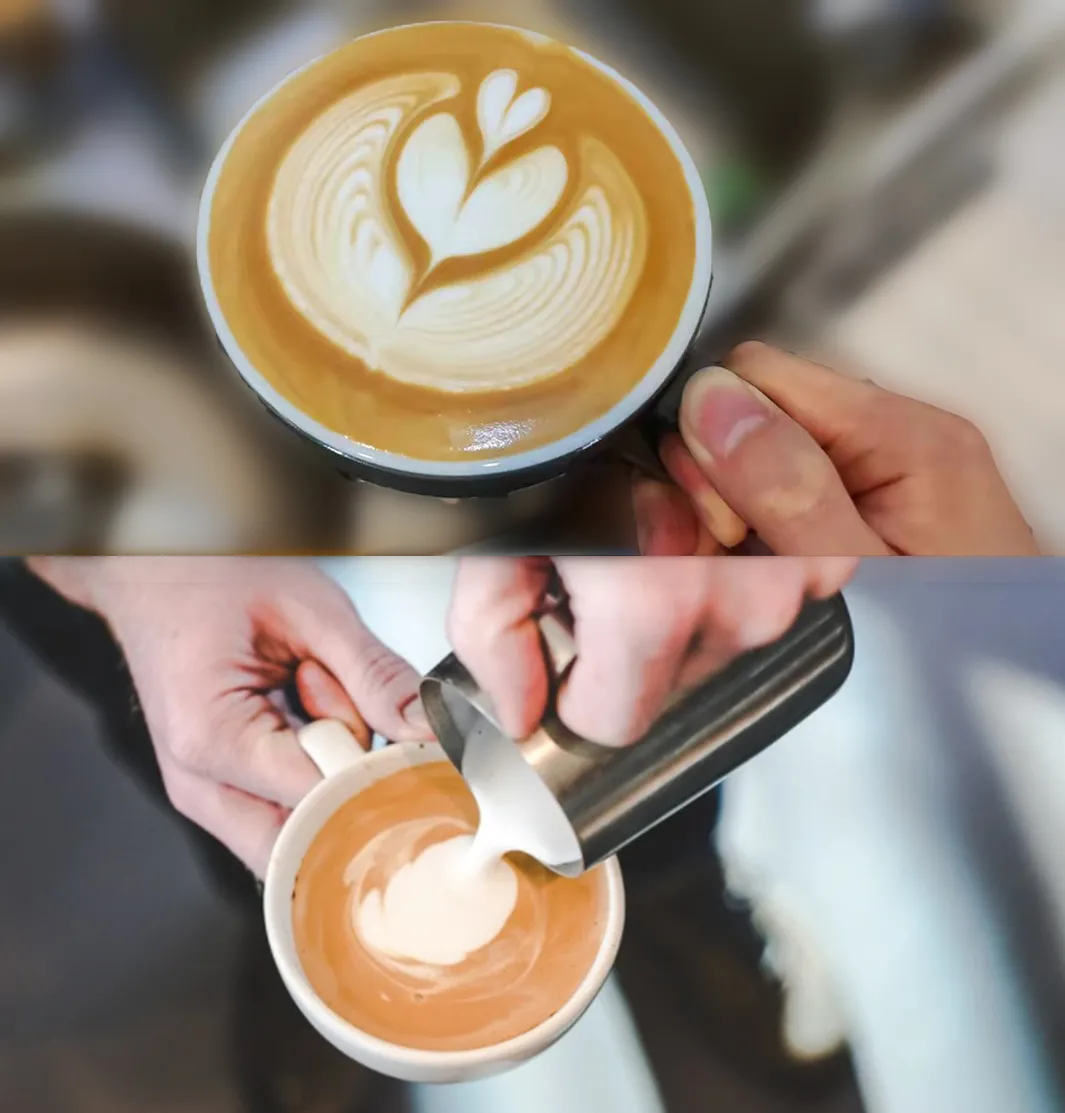
Looks aside, if both lattes are made from the same ingredients, the one with finer milk foam will taste better than the other.
FrontStreet Coffee has written plenty of tutorials on frothing milk foam in the past (search "milk foam" in our official account to read them alongside this article).

Many people overlook the milk itself. First, the good news: any milk can be frothed into fine foam — there's no debate there. But why do so many coffee shops choose whole fresh milk over UHT milk or skim milk?
Reason one: whole fresh milk simply tastes better, with a richer milk flavor. Reason two: whole milk contains more fat (about 3%), and higher fat content helps stabilize the foam structure so it's less likely to collapse.
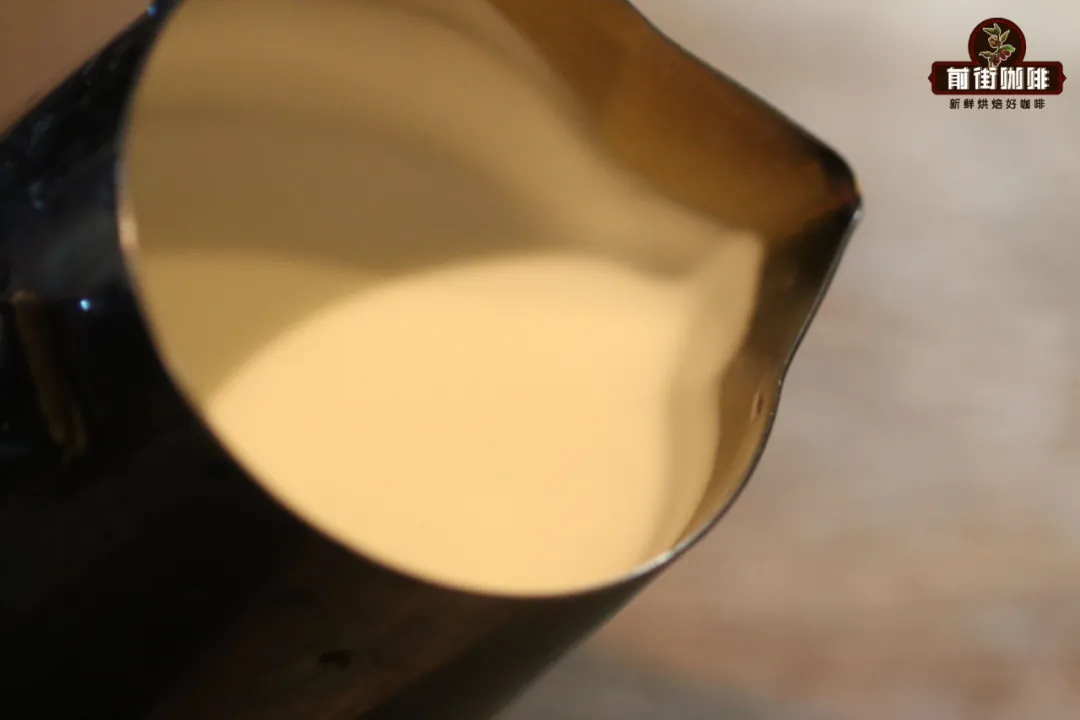
Next, the frothing itself. The simplest tool is the steam wand that comes with your espresso machine. FrontStreet Coffee reminds everyone to check the wand before you start.
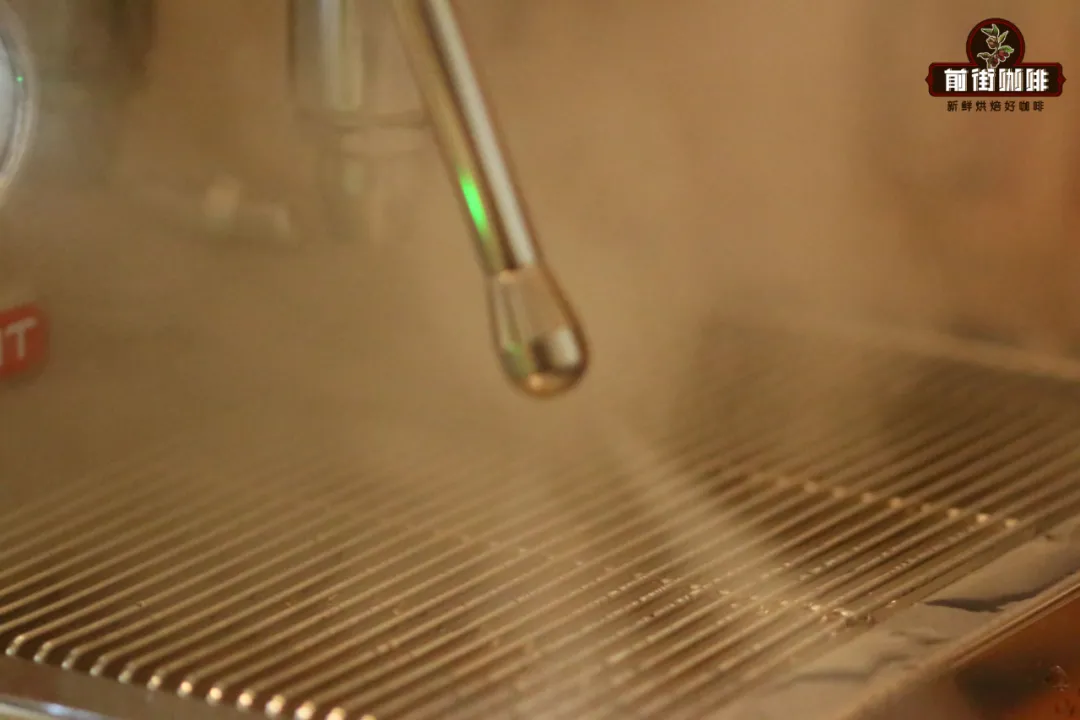
First, check that the steam wand is clean. Any milk or coffee residue should be scrubbed off thoroughly before use.
Second, confirm the steam pressure before frothing. This matters most on a new machine, since steam power varies from one espresso machine to the next. If you're unsure, test it with cold water in the pitcher first.
Third, purge the steam briefly before frothing to blow out any condensation inside the tube.
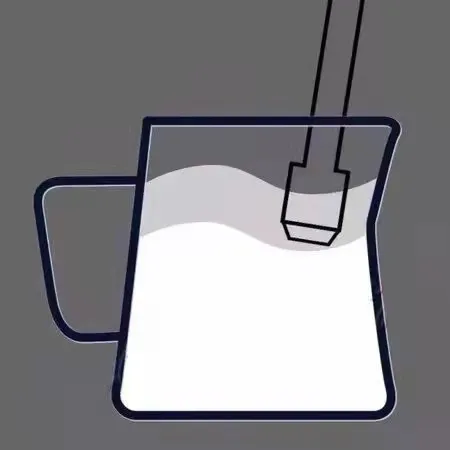
Now for the frothing process. Question one: how much milk? FrontStreet Coffee suggests filling the pitcher to 5–6 parts full — too little or too much makes life hard for beginners.
Question two: where to position the wand. Frothing milk is essentially creating a vortex. Clockwise or counterclockwise doesn't matter — as long as the milk moves in one consistent direction, you avoid turbulence, which is what creates big, coarse bubbles. Using the clock face as a reference, the 3 o'clock and 9 o'clock positions work best.
Question three: balancing aeration and texturing. Aeration introduces air to create foam, so the steam tip should sit half in, half out of the milk. The sharp "hissing" sound is your cue that aeration is happening.
Don't aerate for long — after about 3 seconds, submerge the tip completely to begin texturing. Texturing uses the steam to spin a vortex that breaks down large bubbles, ultimately producing fine, glossy milk foam.
Video link: https://mp.weixin.qq.com/s/M5HUWxsulUROT3gjXbe-PQ
When does texturing end? Keep going until the milk reaches 55–65°C — or until the pitcher feels too hot to hold comfortably — then shut off the steam.
The key to fine milk foam, then, comes down to two things: the "vortex" and the depth of the steam tip. Many people submerge the wand too deep after aeration, leaving the surface foam untextured and coarse. The ideal position during texturing is just deep enough that the "hissing" stops.
Does milk foam really affect the taste of coffee? Enormously. Fine foam delivers a full-bodied, silky mouthfeel. Coarse foam resists mixing, producing not only a rough texture but uneven flavor — one sip watery, the next overly strong.
FrontStreet Coffee Recommendation
FrontStreet Classic Blend: If you're learning latte art at home, buy FrontStreet's Classic Blend — a medium-dark espresso recipe combining three origins, with design inspiration drawn from the old-school "Mandheling-Brazil" (Mamba) combination. To boost aroma and crema, the Classic Blend also carries a small proportion of Robusta. In extraction it releases clear notes of butter, toasted bread, and caramel biscuit — bold flavor, a solid body, fine crema, and remarkably stable extraction. An essential home coffee for beginners.
FrontStreet Premium Blend: Also a medium-dark espresso bean, this one is for fans of rich, nutty flavor. It's the classic pairing of washed Colombian and pulped natural Brazilian beans; as espresso it shows nuts, dark chocolate, and caramel, and in any milk drink — Americano, latte, or flat white — it brings out the smooth aromas of cream, almond, and cocoa. The crema holds its own against café output, and there's more than enough of it for practicing latte art. Especially well suited to anyone planning to open a shop or learn at home.
FrontStreet Commercial Blend: If the Premium and Classic Blends are tailor-made for beginners, FrontStreet Coffee's Commercial Blend is made to order for those about to open a café. It's a traditional espresso recipe built on FrontStreet Coffee's Premium Blend with a small addition of Robusta, designed to add more deep-brown, finely textured crema and a heavier body — so whether you're pulling Americanos, lattes, or mochas, you get nuts, cocoa, and caramel in every cup, and latte art becomes effortless.
Important Notice :
FrontStreet Coffee is a long-established specialty coffee roaster in Guangzhou China, selling freshly roasted beans from its own farm in Yunnan as well as dozens of carefully selected single-origin beans from around the world for both pour-over and espresso. The products deliver consistently excellent quality and great value, with shipping within 24 hours. Guangzhou's FrontStreet Coffee shop is recommended by many coffee lovers, and the beans are now available online at the Tmall 。
FrontStreet Coffee has moved to a new address:
FrontStreet Coffee Address: 315,Donghua East Road,GuangZhou
Tel:020 38364473
 Scan and follow the En Gafei WeChat official account. Please indicate that the reprint comes from "En Gafei".

