
What to Do When Pour-Over Coffee Is Too Strong or Too Weak? What's the Ideal Concentration for Mandheling Coffee?
Coffee that is too strong can cause discomfort, while coffee that is too weak tastes like water. The jokingly named "pot washer water" is really the result of improper extraction combined with too much water, producing an overly weak cup.
In pour-over coffee, the simplest way to change concentration is to adjust the coffee-to-water ratio. If you want stronger coffee, use less water; if you want weaker coffee, use more. Taking FrontStreet Coffee's recommended 1:15 as an example, those who prefer stronger coffee can choose 1:13, and those who prefer weaker coffee can choose 1:18, both within a reasonable range.

If you have set up relatively comprehensive parameters as FrontStreet Coffee has, then simply changing the coffee-to-water ratio affects not only concentration but also the extraction rate. In FrontStreet Coffee's experience, when following the brewing parameters we share, most beans perform well at ratios between 1:15 and 1:16. At 1:15 the mouthfeel is fuller and the flavors richer; at 1:16 the cup is cleaner and the flavors more abundant.
But if some readers prefer to brew dark roast beans stronger, changing the ratio straight to 1:13 may leave the flavor incompletely extracted, producing a front-heavy, back-light profile that lacks aftertaste. To address that, other parameters can be adjusted to help.
Grind size and water temperature are excellent auxiliary levers. For dark roast coffee, FrontStreet Coffee does not recommend water above 90 degrees Celsius. So to achieve a richer mouthfeel, you can adjust to a finer grind.

For those who prefer weaker coffee, a 1:18 ratio is a good choice, but the grind size and water temperature need to be adjusted accordingly to avoid bitter and muddled flavors in the middle to late stages.
FrontStreet Coffee offers two examples of parameter adjustments and their effects. The first is to lower the water temperature to 88-91 degrees, which makes the overall cup more gentle, stable, and comfortable. The second is to use a coarser grind, which makes the coffee's aroma and acidity more pronounced than the first method, but does not taste as good as the first once the temperature drops.
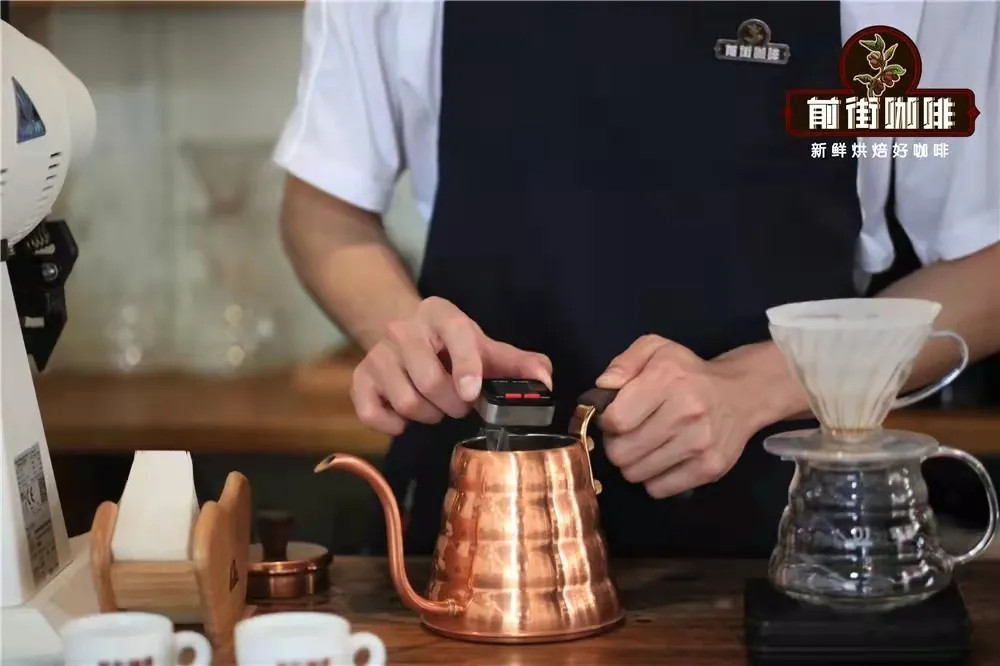
FrontStreet Coffee actually recommends another method called By Pass. Put simply, it means adding a small amount of water, 10-20ml, to already brewed coffee to reduce its concentration. This easily weakens the coffee without affecting the extraction rate, and the flavor compounds are not reduced. It can only make relatively strong coffee weaker, however; it cannot be reversed.
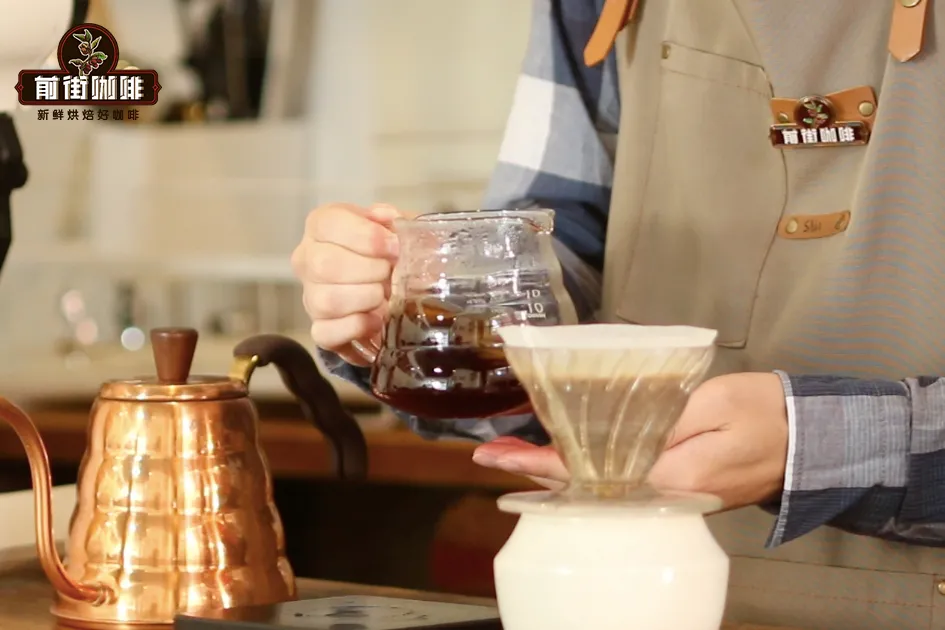
Other factors can also affect concentration, such as the filter cup. Using the same beans, parameters, and technique, an immersion-type Kono filter cup versus a pour-over type V60 filter cup can produce noticeably different flavors and mouthfeel.
FrontStreet Coffee Recommendation
If you want to put these ideas to work on a rich, low-acid coffee, Mandheling is the classic candidate. FrontStreet PWN Golden Mandheling is wet-hulled in the Sumatran style and medium-deep roasted, with dark chocolate, caramel, and a distinctly wild herbal character that comes from the bean's growing environment and processing. To bring out its best as a pour-over, FrontStreet suggests 87-88°C water, 15g of coffee, a 1:15 ratio, and a coarse-sugar grind, poured in three stages: a 30ml bloom that fully wets the grounds and lets them degas, a 100ml second pour that lifts the bed and washes out the golden foam, and a gentle 95ml center pour that raises the sweetness, yielding a thick, full body with caramel sweetness and chocolate and nutty notes.
If you want the same mellow character with a little more everyday ease, FrontStreet Lin Dong Mandheling comes from the Lindong region on Sumatra and is also medium-deep roasted, offering dark chocolate and caramel with a heavy, satisfying body and strong, lingering sweetness for those who prefer low-acid coffee.
Important Notice :
FrontStreet Coffee is a long-established specialty coffee roaster in Guangzhou China, selling freshly roasted beans from its own farm in Yunnan as well as dozens of carefully selected single-origin beans from around the world for both pour-over and espresso. The products deliver consistently excellent quality and great value, with shipping within 24 hours. Guangzhou's FrontStreet Coffee shop is recommended by many coffee lovers, and the beans are now available online at the Tmall 。
FrontStreet Coffee has moved to a new address:
FrontStreet Coffee Address: 315,Donghua East Road,GuangZhou
Tel:020 38364473
 Scan and follow the En Gafei WeChat official account. Please indicate that the reprint comes from "En Gafei".

