
Panama Geisha vs. Ethiopia Geisha: Flavor Characteristics of Coffee Beans and What Makes a True Geisha
Introduction
Panama is where Geisha rose to prominence, while genetic comparisons by biologists have confirmed Ethiopia as the birthplace of Geisha. It is therefore inevitable that we compare the Geisha varieties from Panama and Ethiopia.
Flavor Comparison
FrontStreet Coffee has compared Geisha from Panama with Geisha from Ethiopia. While both possess excellent acidity and delicate floral aromas, they show clear differences in their specific flavor profiles. Panamanian Geisha features distinct jasmine notes, citrus and berry, rich honey sweetness, and an overall smooth, comforting profile. Ethiopian Geisha also offers floral notes, but its main profile is very rich and juice-like, reminiscent of orange juice, and filled with the explosive fruit flavors characteristic of Ethiopia.

The Rise of Geisha
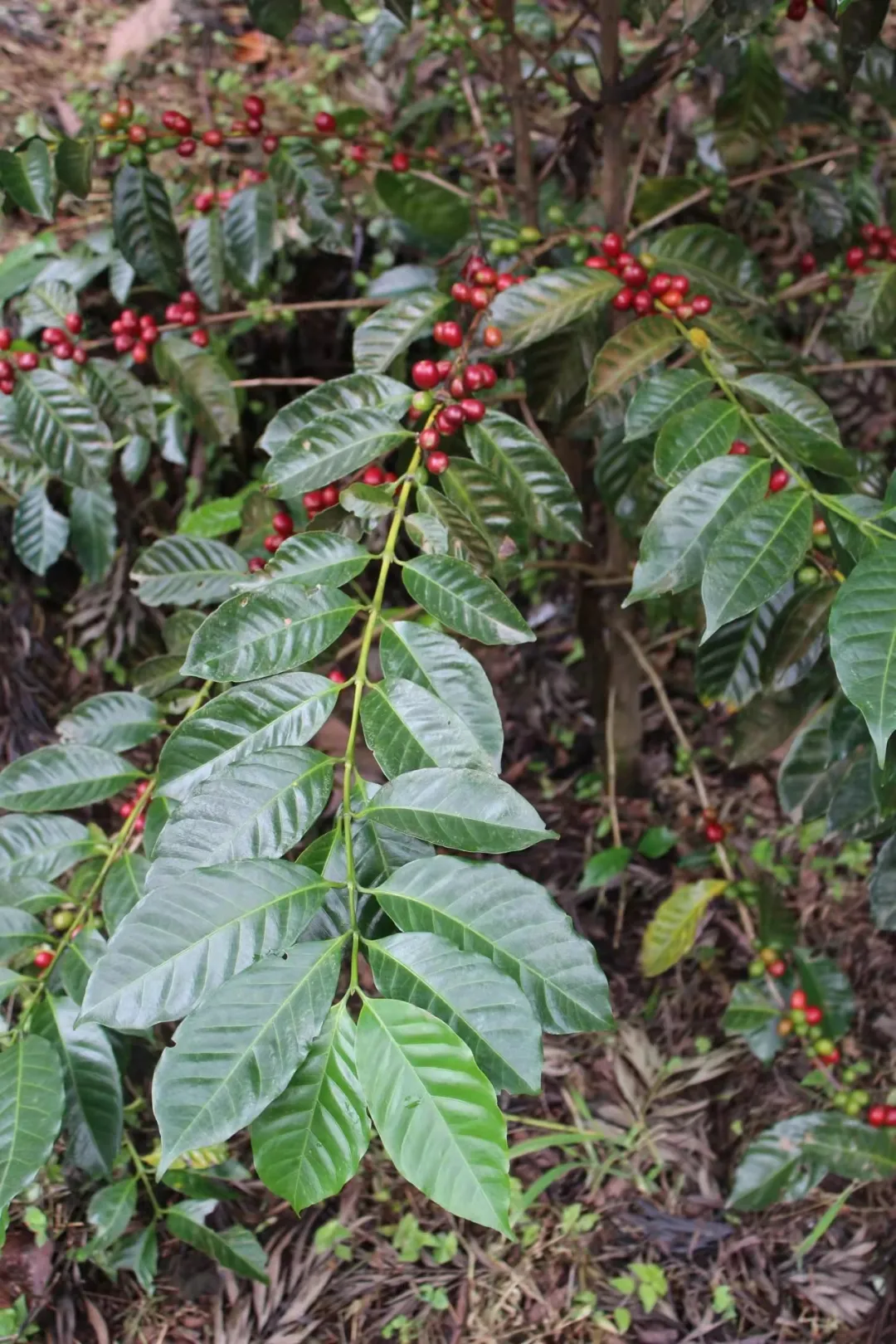
Geisha became famous through Panama. Before 2004, the name "Geisha" was unknown. Hacienda La Esmeralda originally planted the variety merely as a windbreak, since varieties were not distinguished at the time and it served as a "border guard" alongside other coffee trees. Later, Hacienda La Esmeralda discovered that the variety offered exceptionally outstanding flavor and carefully selected and processed the beans separately. In 2004 it won the BOP championship, and the Geisha name spread worldwide. FrontStreet Coffee therefore regards the Panamanian Geisha flavor as the authentic Geisha taste.
Historical Journey
So what is the relationship between Panama's Geisha and Ethiopia's Geisha? The mainstream theory today holds that Panama's Geisha traveled halfway around the globe from Ethiopia.
In 1931, botanical experts conducted sampling research in the Kaffa forests of Ethiopia. The sampling was aimed specifically at finding excellent varieties among the disease-resistant strains that had entered the Kaffa forests during the 1860 leaf rust outbreak (at that time, collected seeds were selected and screened in Kenya).
French biologist Jean-Pierre Labouisse later verified this trail and discovered that the coffee beans originally marked as coming from Geisha Mountain actually came from different trees, meaning they were not simply one type of Geisha coffee.
These seeds marked as Geisha were shipped to Kenya in batches during 1931 and 1932 for selection and sample investigation. In 1936 they were sent to Uganda and Tanzania.
In 1953, the Tropical Agricultural Education and Research Center of Costa Rica introduced the experimental Geisha varieties from Tanzania into Costa Rica, where they were cataloged under the code "T2722".
In the 1960s, Mr. Don Pachi of Pachi Estate in Panama introduced the Geisha variety from the Tropical Agricultural Education and Research Center of Costa Rica. The initial reason for the introduction was resistance to leaf rust, so Pachi Estate also shared the varieties with other estates. It was not until 2004 that Geisha finally achieved prominence.

Terroir Influence
From this theory we can basically understand that Panama's Geisha is just one branch among the many "Geishas" from Ethiopia. Moreover, after traveling through multiple locations, it took root in Panama for 40 years before its excellent quality was discovered. This is the second reason for the flavor differences between Panamanian and Ethiopian Geisha: the terroir environment is different. As the old saying goes, "Oranges grown south of the Huai River are sweet oranges; when grown north, they become bitter oranges."
Physical Differences
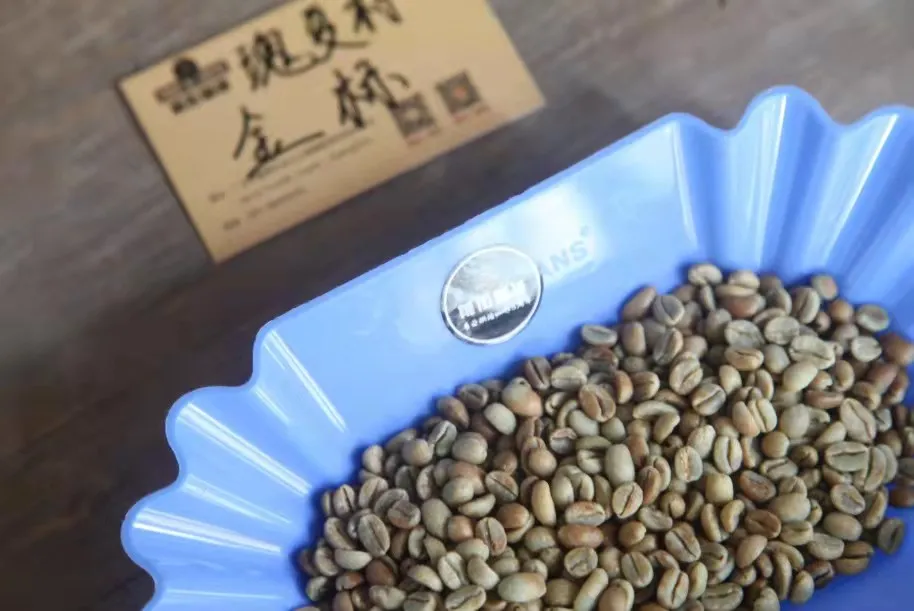
When comparing the appearance of the green beans, Panamanian Geisha and Ethiopian Geisha also show significant differences. Panamanian Geisha's green bean characteristics are more recognizable: "pointed at both ends, elongated, plump and full-bodied, with a large particle size." Ethiopian Geisha is "slightly smaller, not as elongated."
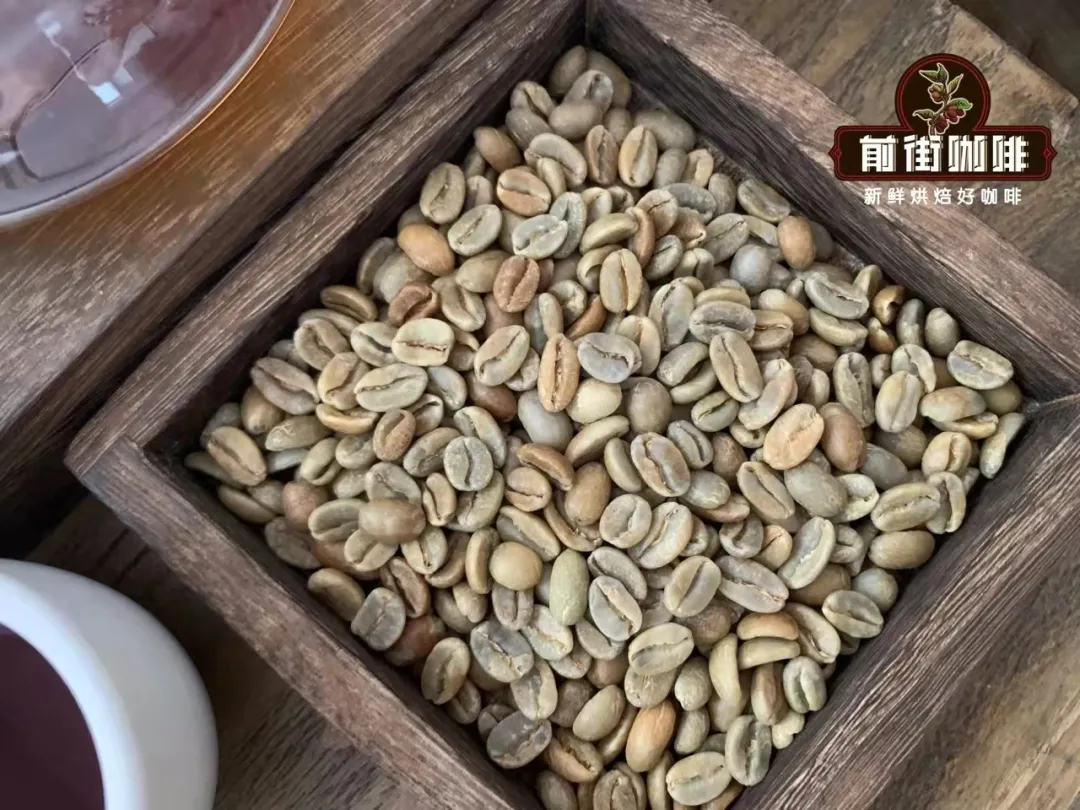
Panamanian Esmeralda Blue Label (above image);
Ethiopian Geisha Village Gold Label (below image).
Conclusion
So, apart from everyone calling them "Geisha" (Ethiopian Geisha is called "Geisha" in foreign languages while Panamanian Geisha is called "Gesha"), and aside from the genetic consistency and plant characteristics confirmed by botanists, they are essentially two different coffees when viewed from flavor and green bean appearance. Just like Typica varieties grown in Indonesia versus Panama, they share the same botanical characteristics but are two distinct coffees in terms of flavor.
FrontStreet Coffee Recommendation
If you want to taste the different faces of Geisha for yourself, FrontStreet's Geisha lineup makes the choice easy. Emerald Estate currently divides its Geisha into two grades: the FrontStreet Emerald Estate Red Label Geisha, officially named "Esmeralda Special," is grown at 1,600-1,800 meters, and each lot must cup above 90 points with its own individual number, every batch coming from a single small plot such as the Jaramillo area, so buyers can choose a lot to suit subtle flavor preferences. The FrontStreet Emerald Estate Green Label Geisha, originally "Private Collection" and nicknamed for its green background label, does not stress detailed plot information like the Red Label; instead it blends batches from several plots to express the signature high-altitude Geisha flavor, at a more affordable price and with excellent value. For newcomers who want a first taste, the FrontStreet Boquete Geisha is an entry-level Geisha that lets you enjoy the classic Panamanian orange-blossom honey character, an oolong-tea-like body, and delicate fruit acidity at a friendly price. On the Ethiopian side, the FrontStreet Grana Estate Geisha is a medium-light roast that keeps pleasant white florals while highlighting orange, guava, and citrus; and for those ready to step up, the FrontStreet Geisha Village Gold Label is of the Geisha 1931 variety, making up 10% of the village's total output, and is often chosen by competition baristas, with a refined natural process that yields complex, layered aromatics and a lingering finish.
Important Notice :
FrontStreet Coffee is a long-established specialty coffee roaster in Guangzhou China, selling freshly roasted beans from its own farm in Yunnan as well as dozens of carefully selected single-origin beans from around the world for both pour-over and espresso. The products deliver consistently excellent quality and great value, with shipping within 24 hours. Guangzhou's FrontStreet Coffee shop is recommended by many coffee lovers, and the beans are now available online at the Tmall 。
FrontStreet Coffee has moved to a new address:
FrontStreet Coffee Address: 315,Donghua East Road,GuangZhou
Tel:020 38364473
 Scan and follow the En Gafei WeChat official account. Please indicate that the reprint comes from "En Gafei".

