
Coffee Grinder Cleaning and Maintenance Tutorial: How to Thoroughly Clean Manual and Electric Grinders

These days, plenty of people enjoy grinding their own beans and brewing coffee at home, and many of them ask FrontStreet Coffee for advice on buying a grinder. Here is our honest, unified answer: FrontStreet Coffee is not a professional equipment-testing lab, and we have not hands-on tested most of the grinders on the market, so we are not in a position to recommend specific grinder models.
That said, we can share FrontStreet Coffee's general views on what a grinder needs to do well, point out the common pitfalls we know about, and help you choose a grinder you can trust. While we cannot recommend specific brands or models with confidence, we do believe this: buying the right grinder is an important first step, but the maintenance and care that follow matter even more.

Manual Grinder Maintenance
Hand-crank grinder maintenance is relatively simple, but that does not mean it can be skipped. Most of today's all-metal, single-body manual grinders are built to high precision (bearings and connection points included), and many of them can be fully disassembled.
After grinding, fine coffee particles almost always cling to the lower chamber of the grinder. Clearing out these fines after every session is a must. Two other spots deserve attention as well: the grounds chamber and the bean hopper. Even if you tap the chamber to shake the grounds loose, a layer of fine powder too small to see with the naked eye will remain on the inner walls — you can confirm this by running a finger along the inside. A brush will remove it completely. Left uncleaned over a long period, the chamber will start to develop stale, rancid oil flavors.

The bean hopper is the most commonly overlooked area. Fine powder and fragments also collect in the burr set during grinding. Ordinary fines can be blown out of the hopper with an air blower, but if debris has wedged itself into the burrs (you will feel it as a jamming sensation when you crank), set the grinder to a coarser grind size, let the debris pass through smoothly, then return to your original setting and turn the crank several dozen times to confirm nothing foreign is left inside.
Next comes disassembly cleaning. You do not need to strip the grinder down after every use — if you grind frequently, a full teardown roughly once every two weeks is enough. And if you plan to store the grinder unused for a while, disassemble and clean it before putting it away.

Disassembly cleaning mainly targets the coffee residue clinging to the bearings and the burr set — areas that are nearly impossible to clean properly without taking the grinder apart. While you are in there, check the burrs for wear. Burrs are consumable parts: with heavy use, after about 2 years they will show noticeable wear, the most obvious symptom being reduced grind consistency (more fines in the output). Plan on replacing them periodically.

As for questions like "Can I wash the parts with water after disassembly?" — FrontStreet Coffee recommends checking with the manufacturer first. Among the stainless steel manual grinders we have tested, some can indeed be rinsed with water, but you must make sure every component is completely dry before reassembly. If the bearings are stainless steel, they will also need regular lubrication: when you feel resistance while cranking the grinder empty, it is time to oil the bearings.
Electric Grinder Maintenance
Electric grinder maintenance follows the same principles as manual grinder care: cleaning out retained fines, looking after the burrs, and inspecting the electrics.
One issue no electric grinder escapes, no matter how well built, is ground retention (the only variable is how much). And if the grinder is never cleaned, both retention and stale-grounds carryover get progressively worse.
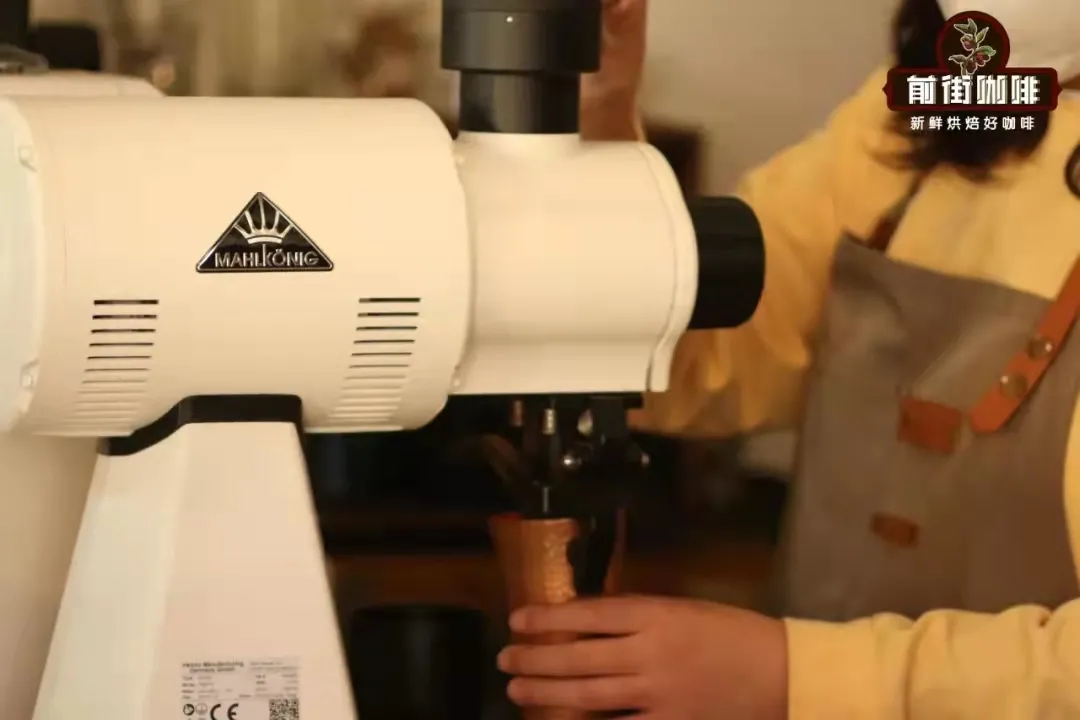
"Retention" means you feed in a given amount of beans but get out less coffee grounds than you put in — the missing portion is stuck inside the grinder.
"Stale-grounds carryover" is the opposite: you get out more grounds than the beans you fed in, and the excess is old coffee powder that had been hiding inside the grinder.
To deal with this, run a small "purge" dose of beans through the grinder before each proper grinding session, so stale grounds cannot contaminate the flavor. After grinding, use an air blower to clear residue from the grounds outlet.
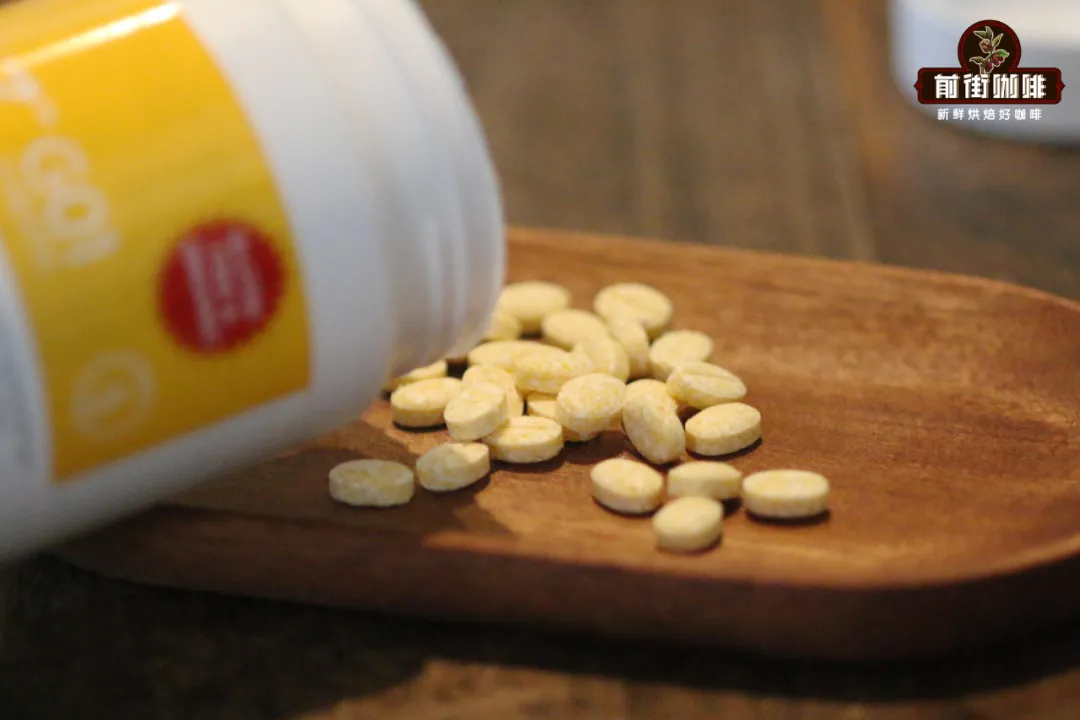
If you are not comfortable with mechanical work, FrontStreet Coffee does not recommend disassembling an electric grinder yourself (in our experience, there are always a few small parts left over after reassembly). To clean the fines inside the burr chamber, grind a dose of purpose-made grinder cleaning tablets instead.
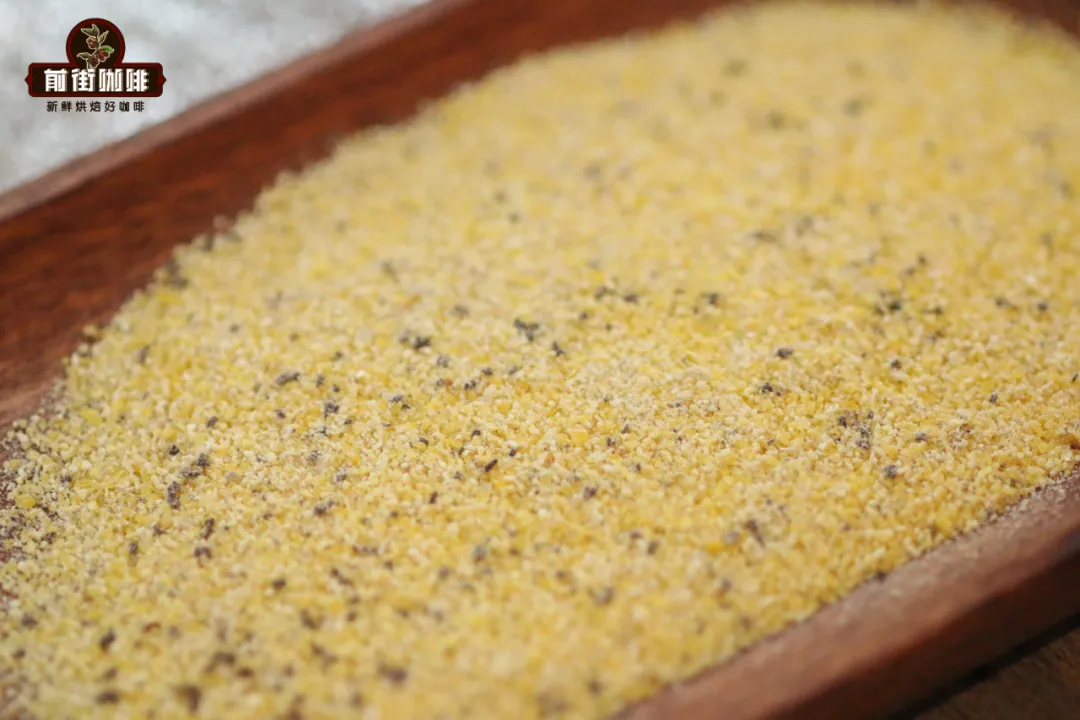
If your grounds suddenly produce a brew that tastes different from usual, that is a sign your grinder needs a deep clean.
One more electric-grinder-specific point: the wiring. Inspecting the grinder's cords and connections regularly can prevent many accidents — chewed cables from rodents, broken ground wires, aging insulation, and so on.
FrontStreet Coffee Recommendation
Still deciding which beans to grind first once your grinder is spotless? Here are a few coffees FrontStreet Coffee's own roastery turns out that pair beautifully with a freshly cleaned grinder:
FrontStreet Coffee Yirgacheffe Natural Red Cherry: a classic representative of high sweetness among light roasts. Sourced from the renowned Yirgacheffe region and among the earliest coffees processed as a fully ripe, all-red-cherry natural, it is roasted medium-light by FrontStreet Coffee. Expect aromas of ripe fruit, a distinct fermented note and berry flavors on the palate, then citrus acidity and a creamy smoothness as it cools, finishing with the juiciness of ripe grapes.
FrontStreet Coffee Strawberry Candy Gesha Blend: a blend of high-altitude coffees from two origins — washed Gesha from Panama and honey-processed coffee from Costa Rica. Roasted medium to bring out the strengths of both, it keeps a rich floral-and-fruit character while adding roast sweetness, pouring out caramel, raisin, dried-fruit notes and a sweet rose fragrance.
FrontStreet Coffee Musicians Series — Mozart: Costa Rican coffee is famously sweet, and this Mozart lot uses a raisin honey process, in which the coffee fruit ferments slowly during drying. Alongside a sweetness like Kyoho grapes, it carries distinctive pineapple and osmanthus aromas, roasted medium-light by FrontStreet Coffee to highlight concentrated raisin, rose and winy fermented flavors.
FrontStreet Coffee Queen Estate Yellow Bourbon: a long-time FrontStreet Coffee favorite prized above all for its sweetness, and a true all-rounder that works for pour-over, French press, moka pot or espresso machine. Queen Estate is a specialty farm in Brazil, Yellow Bourbon is an outstanding variety, and the natural process boosts its sweetness further. Roasted medium, it shows nuts, cream, raw sugar and a gentle fruit acidity.
FrontStreet Coffee 2013 Yunnan Arabica Typica: grown by FrontStreet Coffee itself — few people know that beyond sharing coffee knowledge and roasting beans, FrontStreet Coffee has been growing coffee in Lincang, Yunnan since 2013, selecting the land, breeding seedlings, planting and managing the farm step by step. The variety is Typica, an Arabica with excellent flavor, processed as a natural; after medium roasting it delivers intense dried-fruit sweetness, plum, yellow sugar and chocolate.
Important Notice :
FrontStreet Coffee is a long-established specialty coffee roaster in Guangzhou China, selling freshly roasted beans from its own farm in Yunnan as well as dozens of carefully selected single-origin beans from around the world for both pour-over and espresso. The products deliver consistently excellent quality and great value, with shipping within 24 hours. Guangzhou's FrontStreet Coffee shop is recommended by many coffee lovers, and the beans are now available online at the Tmall 。
FrontStreet Coffee has moved to a new address:
FrontStreet Coffee Address: 315,Donghua East Road,GuangZhou
Tel:020 38364473
 Scan and follow the En Gafei WeChat official account. Please indicate that the reprint comes from "En Gafei".

