
Guide to Judging Yellow Point and First Crack in Coffee Bean Roasting: What Causes Underdeveloped and Astringent Flavors in Coffee?
Introduction: The Reality Gap Between Theory and Practice
As the title suggests, this FrontStreet Coffee article is primarily about mental preparation for those about to start coffee roasting. The first five lessons of "Coffee Roasting from Scratch" covered only the most basic theory—roughly the equivalent of the multiplication table in mathematics.
Recognize a reality: theory is neat, practice is messy. Suppose you've thoroughly studied the roasting curve theory from those first five lessons and generally understand bean drop point, yellowing point, first crack, heat, damper, and time.
The First Challenge: Operating the Roasting Machine
Then, on your first practical run, you discover that "your brain gets it, but your hands don't." You start asking "why isn't the temperature keeping up," "why is there so much smoke when the beans drop," "I was recording data and forgot to adjust the heat"—and after a few chaotic batches, your confidence is gone.
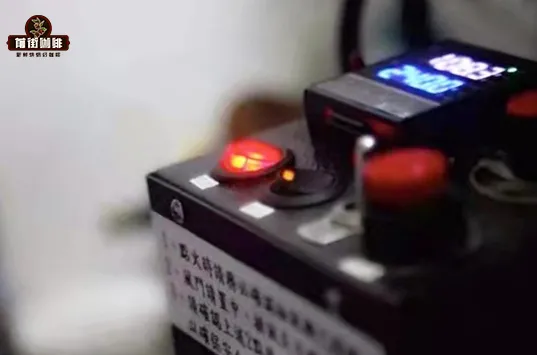
This is completely normal. Getting a feel for the machine—the relationship between heat, damper, and temperature rise—takes time. Even seasoned masters roast two or three batches on a new machine before it clicks. So the first practice goal is simply machine control: being able to hit your target temperatures through heat adjustments. (Temperature rise lags—after adjusting heat, the effect typically shows about 30 seconds later, so you must learn to anticipate.)
The Second Challenge: Identifying Key Roasting Points
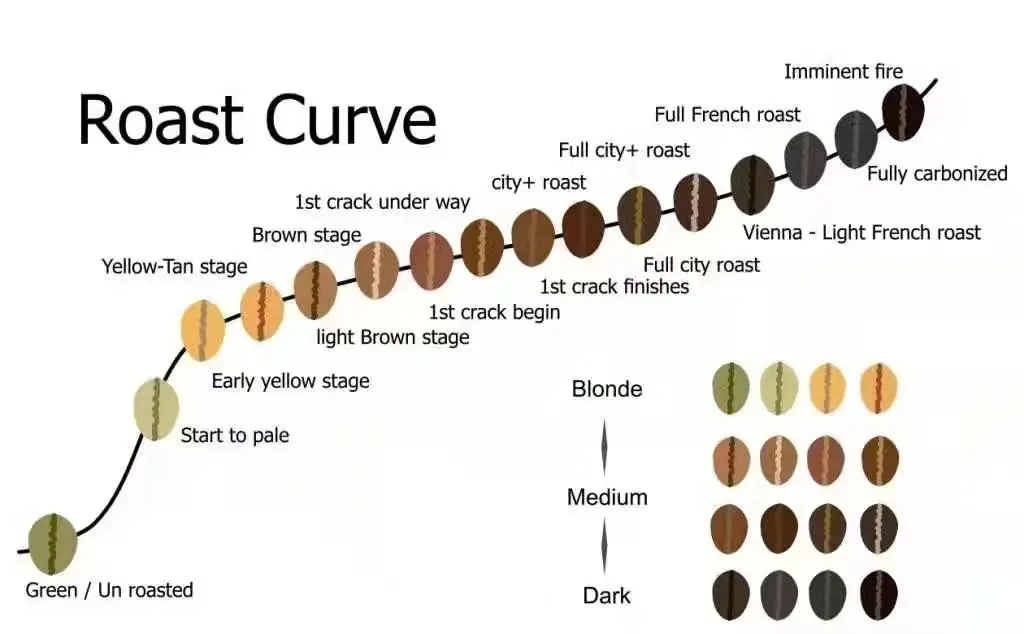
Once you pass the "trial of machine operation," don't celebrate yet—at this stage you're still just a "heartless boiler operator." Like a new driver fresh out of driving school, you'll find that standardized, fixed classroom skills don't help much on real roads.
You know the theory of judging the yellowing point and first crack, but in practice you find yourself wondering: "Has it changed color yet?" "Has it turned yellow?" "Was that a crack just now?" "Why hasn't the second pop come—does the first one count?" "Or did I imagine it?"
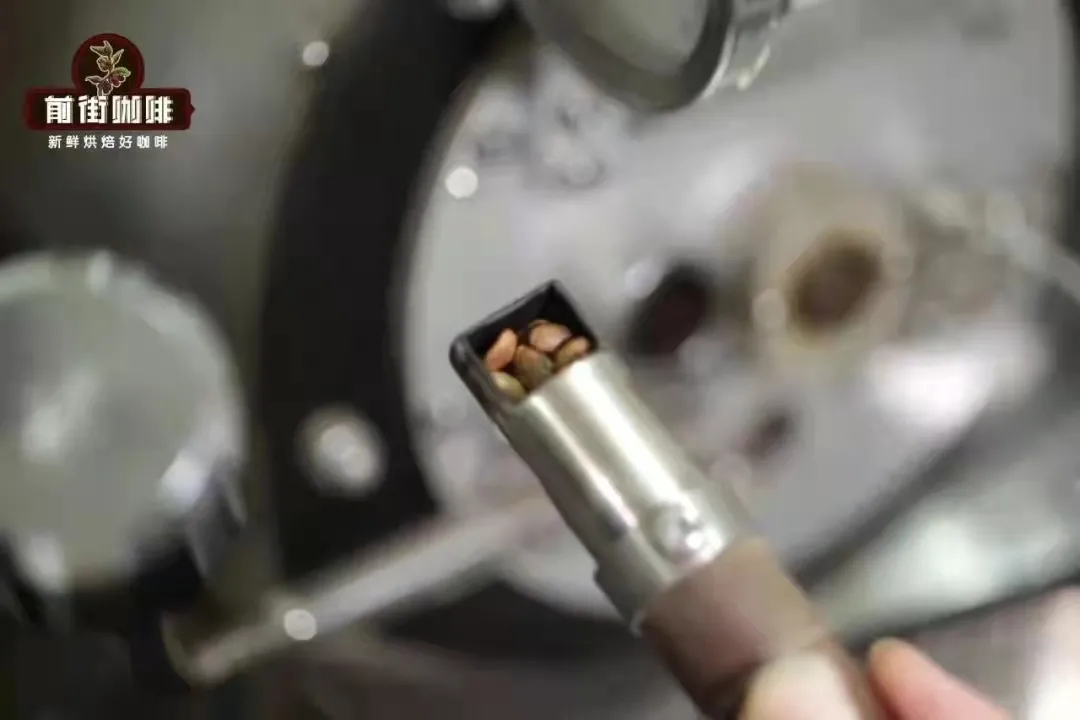
You will doubt your eyes and ears. As a beginner, align your standards with everyone else's, or communication becomes two people talking past each other. FrontStreet Coffee will describe in words the situations where misjudgment typically happens.
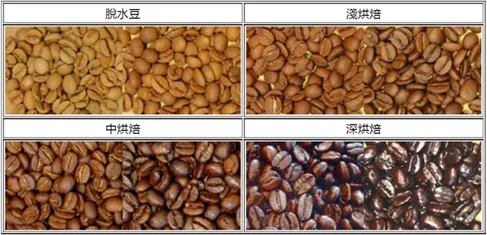
For the yellowing point, washed coffee is relatively easy—it shifts from light green to yellow. Sun-dried or anaerobic sun-dried beans are harder, because their raw color is already light yellow and the change may not be obvious.
Additional Indicators for Yellowing Point
FrontStreet Coffee adds two aids. First, temperature: yellowing generally begins after 150°C. Second, aroma: before the yellowing point the beans smell grassy and wheaty; after it, those aromas vanish and are replaced by sweet corn.
The Challenge of Identifying First Crack
Your first crack judgment determines the whole drop time. We drop beans based on development time after first crack and drop temperature. If "your" first crack comes later than the "actual" one, then at the same recorded development time your coffee will roast darker than everyone else's. If your call comes earlier, at the same development time your coffee will roast lighter—possibly underdeveloped. (A 20-second difference in development time produces very noticeable flavor changes.)
Why is first crack so hard to judge? FrontStreet Coffee's criterion for its start is the continuous arrival of crackling sounds. First crack is very crisp—like the "snap" of an electric mosquito swatter.
Misjudgment happens because "false crack sounds" precede the crisp crackling. False cracks are muffled, mainly from defective beans or individual beans that roast faster—beans that crack due to their own flaws and incomplete heat absorption, hence the duller sound. An individual bean might, by luck, keep settling at the bottom of the drum, absorbing more heat than the rest, crack first with a crisp pop—and then nothing for a long while. These "early starters" cannot be counted as first crack.

The Final Challenge: Taste vs. Expectations
The last thing that breaks beginners: "I followed the curve exactly, the bean color looked great—but it tastes terrible." Genuinely demoralizing. You worked hard, the batch looked promising, you endured the anxiety of waiting 8 hours to cup, and then... shock and disappointment.
If this is where you are, don't be discouraged. "There are thousands of curves that can roast good coffee—curves are infinite. Is it possible your curve wasn't right from the start?" In earlier lessons, FrontStreet Coffee also stressed: don't copy curve data shared online—understand the logic behind it. Summarize the cause of each failed roast, fix those defects, and you will find a curve that suits you.
FrontStreet Coffee Recommendation
If your goal as a roaster is that balanced, easy-drinking cup, medium-roast beans are the proving ground—darker means more bitter and heavier, lighter means more sour and thinner, and the middle is where acidity, sweetness and bitterness meet. Start with FrontStreet Brazil Fazenda Rainha: a Yellow Bourbon from the world's largest coffee-producing country, medium roasted to cream, peanut, chocolate, toasted bread and sugarcane sweetness—great as pour-over, moka pot, or espresso.
For a sweeter medium roast, the Strawberry Candy Gesha blend combines Costa Rican honey process with Panamanian washed Gesha for orange-blossom honey notes and round sweetness across cold brew, pour-over, or espresso. And for a taste of China, the 2013 Yunnan Typica—roasted medium—shows nuts, red sugar, black tea and dried apricot in a soft, balanced profile. For the classic benchmark of balance, Jamaica Blue Mountain No. 1, medium roasted, melds acidity, bitterness, sweetness and body into one elegant cup of chocolate, roasted nuts, cream and caramel.
Important Notice :
FrontStreet Coffee is a long-established specialty coffee roaster in Guangzhou China, selling freshly roasted beans from its own farm in Yunnan as well as dozens of carefully selected single-origin beans from around the world for both pour-over and espresso. The products deliver consistently excellent quality and great value, with shipping within 24 hours. Guangzhou's FrontStreet Coffee shop is recommended by many coffee lovers, and the beans are now available online at the Tmall 。
FrontStreet Coffee has moved to a new address:
FrontStreet Coffee Address: 315,Donghua East Road,GuangZhou
Tel:020 38364473
 Scan and follow the En Gafei WeChat official account. Please indicate that the reprint comes from "En Gafei".

