
Flavor Characteristics of Ethiopia AnaSora Dorothy White Peach Oolong Coffee Beans
Ethiopia White Peach Oolong Doris Coffee Beans
Region: Guji
Estate: Ana Sora
Altitude: 1900 - 2350m
Grade: G1
Variety: Heirloom
Processing Method: Enzyme Washed
Harvest Season: 2021
Flavor Notes: Lemon, Honey Peach, Plum, Oolong Tea
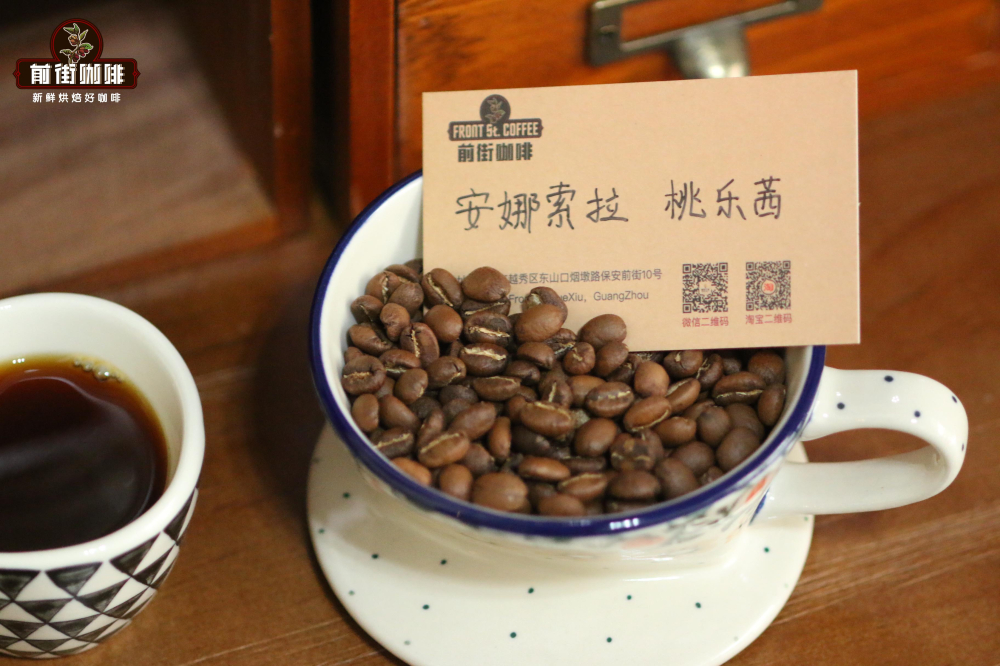
Ethiopian coffee has long been world-renowned for its natural, rich floral and citrus notes. Near-pristine cultivation methods, an abundance of excellent varieties, and traditional processing all contribute to the exceptional quality of these coffees. Since Ethiopian coffee began to gain prominence, cultivation has focused on specialty regions under a smallholder model. It wasn't until 2011, when documentary filmmaker Adam Overton established the Geisha Village Estate in the Bench Maji region, that Ethiopia saw sporadic plantation-style cultivation.
Guji Region
Guji is a highly acclaimed coffee-producing region that has drawn significant attention in recent years, performing impressively in both flavor expression and quality.
Formerly part of the Sidamo region, Guji was established as an independent region by the Ethiopia Commodity Exchange (ECX) in 2010. In recent years the Ethiopian government has been strategically developing numerous specialty coffee regions similar to Yirgacheffe, and Guji is one of its key priority projects.
Located southeast of Yirgacheffe, Guji has complex terrain: towering mountains, highlands, plateaus, valleys, and plains. Its geology features nutrient-rich Vertisol soil reaching nearly two meters deep, with an average altitude exceeding 1,800 meters. Those geographical characteristics create significant diurnal temperature variation - ideal terroir for producing high-quality specialty coffee.
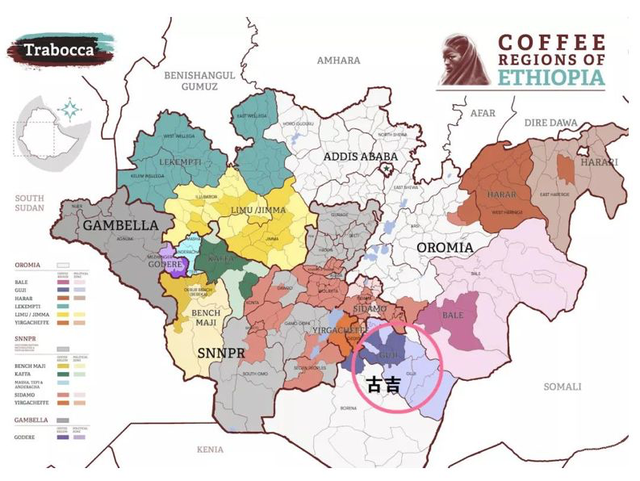
Since becoming an independent region, Guji has produced numerous renowned sub-regions, such as Hambela, known for the "Horse" coffee variety, and Uraga, which produced the 2020 TOH champion.
Ana Sora
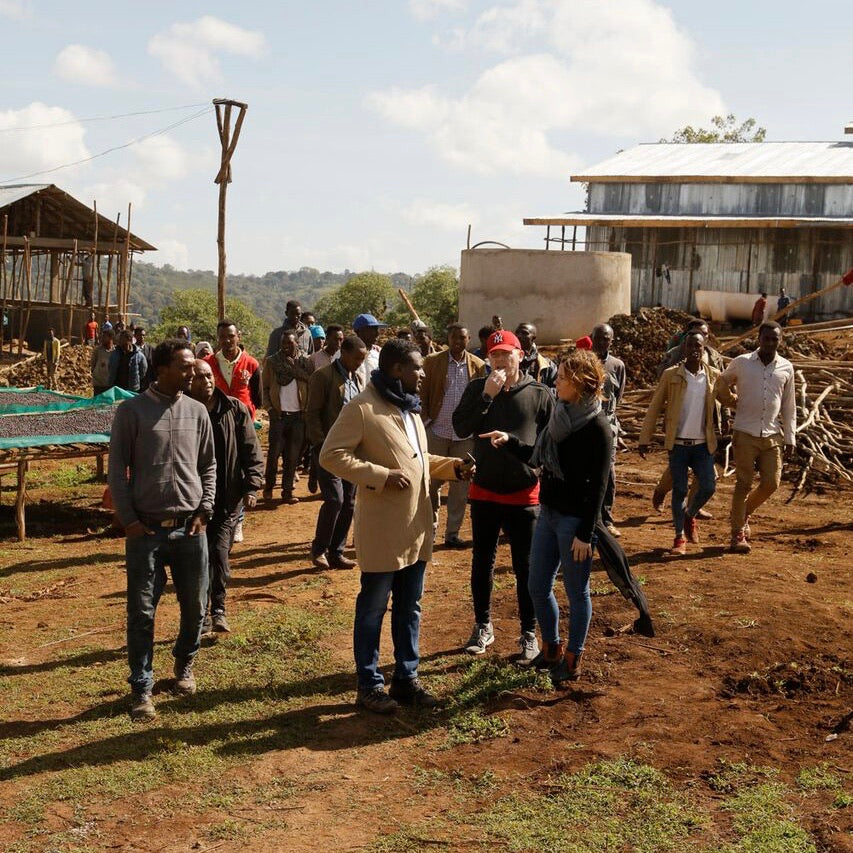
Ana Sora is a single coffee estate in the Guji region. Its owner, Israel Defga, is a second-generation operator who established the farm in 2010. The estate covers 250 hectares in total, with 150 hectares dedicated to coffee. Sitting at altitudes between 1,900 and 2,350 meters, it has built its own washing station using water from the Turo River, making it one of the few estate-style washed coffee producers in Ethiopia that handles the entire process from cultivation to sales.
Processing Method
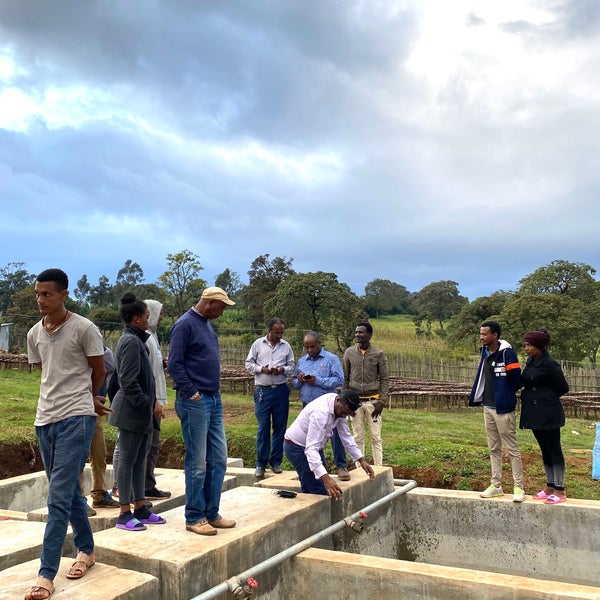
Ethiopia has traditionally used conventional processing methods, but this particular coffee undergoes enzyme washing, which can be considered a relatively innovative approach. After harvest, the cherries are first placed in water tanks for flotation sorting, effectively removing unripe beans, damaged beans, stones, and other foreign materials. The cherries are then pulped and placed in sealed tanks with enzymes to assist fermentation. After 24 hours they are transferred to water tanks for an additional 48-hour soak. Once the mucilage has separated, the beans are spread on drying beds to dry.
FrontStreet Coffee Roasting Analysis
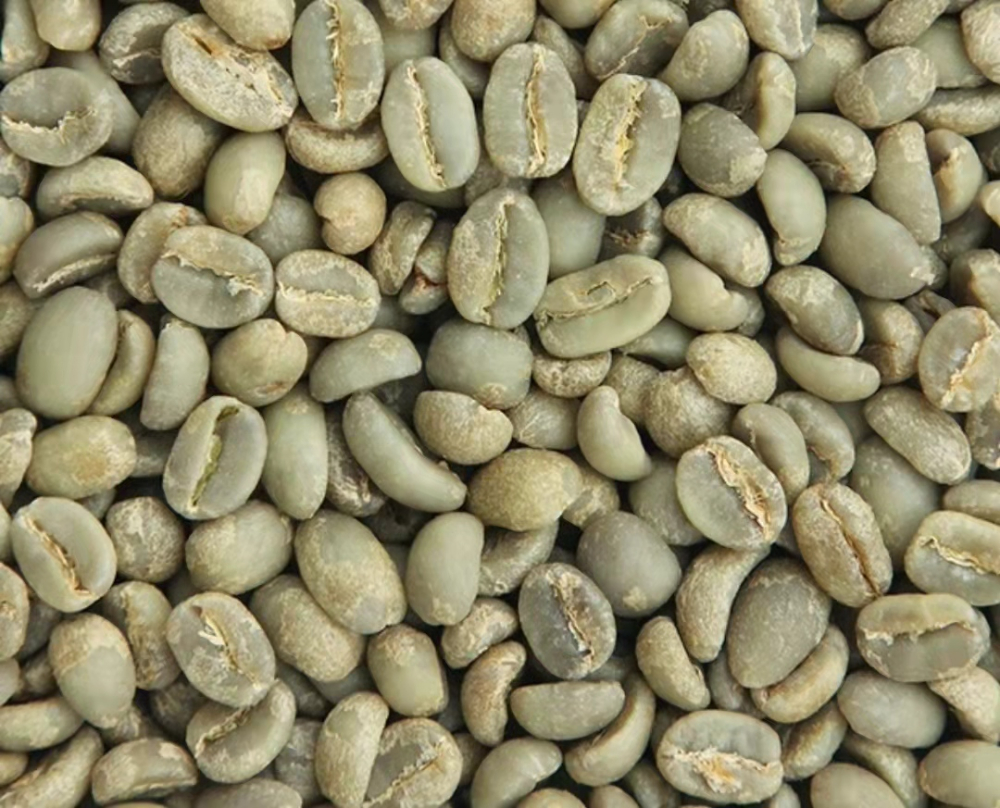
When we received these green beans, we first determined the moisture content to be 10.2%. Observing the greens, we found them plump and relatively large, though somewhat inconsistent in size, with a pale green coloration. For beans of inconsistent size, FrontStreet Coffee chooses to slow down the roasting process, roasting them to a medium-light level.
FrontStreet Coffee Cupping Notes
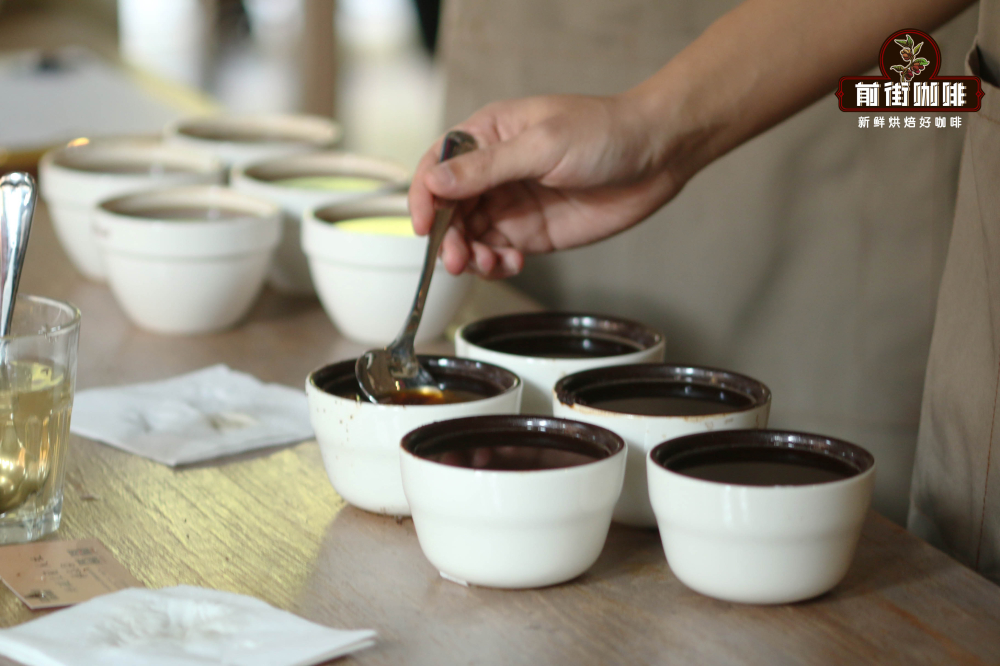
Cupping was performed 8 hours after roasting. The flavor notes identified were jasmine, white peach oolong, honey, and a tea-like sweetness.
FrontStreet Coffee Brewing Recommendations
Dose: 15g
Ratio: 1:15
Water Temperature: 91°C
Grind: 80% pass-through through #20 sieve

- First pour 30g of water for a 30-second bloom.
- After the bloom, pour the second segment, 100g, in circular motions from the center outward. This pour should be slow, as Geisha coffee is highly extraction-resistant and needs sufficient pour time to release its aromatic compounds. Wait until the water level drops by half.
- When the coffee bed is about to be exposed, pour the third segment of 95g, bringing the total water to 225g. Wait for the coffee to finish filtering, then remove the filter cone. Total brewing time is 1 minute and 50 seconds.
FrontStreet Coffee Recommendation
If this Guji lot's white peach and oolong character appeals to you, the wider Yirgacheffe family is the natural next stop. FrontStreet Washed Yirgacheffe is a classic daily-drinking expression of the region, known for white jasmine, bright citrus and lemon acidity, and a tea-like body at an affordable price - many people's first bean on the way into specialty coffee. Yirgacheffe is a small town in southern Ethiopia, within Sidamo, at roughly 1,700-2,100 meters, with coffee trees planted above 1,800 meters, making it one of the highest coffee regions in the world. Its distinctive white florals and lemon-citrus acidity became shorthand for the country's finest coffee, and in 2010 the fame grew so large that the Ethiopia Commodity Exchange split it off from Sidamo as its own region.
Within that region, FrontStreet Gedingding Cooperative comes from the Gedingding village washing station in the Woka area, on the southeastern edge of Yirgacheffe. It follows the most traditional washed processing and is often called the last untouched corner of Yirgacheffe; without the usual bitterness, it brings clean, bright citrus and lemon acidity with jasmine fragrance. FrontStreet Sun-Dried Red Cherry takes the opposite route, processing only fully ripe cherries with the whole fruit dried on raised beds and turned every 2-3 hours in the first days to avoid uneven heating and over-fermentation; after three to five weeks the dried fruit is milled off and stored, giving a cup that is both classically Yirgacheffe and tropical, with citrus acidity, berry juice, honey sweetness, and a creamy smoothness.
To brew them, FrontStreet suggests a V60, 90-91°C water, 15g of coffee, a 1:15 ratio, and a grind of 10 on an EK43s (fine sugar size, about 80% passing a #20 sieve). Start with a 30g pour for a 30-second bloom, then add 95g (about 125g on the scale), finishing in roughly one minute; when the water level drops to two-thirds of the bed, add the remaining 100g (about 225g on the scale), finishing around 1 minute 35 seconds. Drip completes in 2 to 2 minutes 10 seconds, then remove the dripper.
Important Notice :
FrontStreet Coffee is a long-established specialty coffee roaster in Guangzhou China, selling freshly roasted beans from its own farm in Yunnan as well as dozens of carefully selected single-origin beans from around the world for both pour-over and espresso. The products deliver consistently excellent quality and great value, with shipping within 24 hours. Guangzhou's FrontStreet Coffee shop is recommended by many coffee lovers, and the beans are now available online at the Tmall 。
FrontStreet Coffee has moved to a new address:
FrontStreet Coffee Address: 315,Donghua East Road,GuangZhou
Tel:020 38364473
 Scan and follow the En Gafei WeChat official account. Please indicate that the reprint comes from "En Gafei".

