
What Does Coffee Cleanliness Mean? Recommendations for Pour-Over Coffee Beans with Clean, Bright Flavor
Understanding Coffee Cleanliness: A Comprehensive Guide
A few days ago, FrontStreet Coffee discussed the flavor and body of a cup of coffee — flavor being what most captures your attention, body being how it feels in the mouth. Together they give coffee a multi-dimensional presence across smell, taste and touch. Today, FrontStreet Coffee turns to another crucial quality marker: cleanliness.

Cleanliness Is Tasted, Not Seen
We usually associate cleanliness with visual clarity: a clear, translucent liquid reads as clean, while a murky one reads as unclean. The same principle applies to coffee — only we judge it with our tongues rather than our eyes.
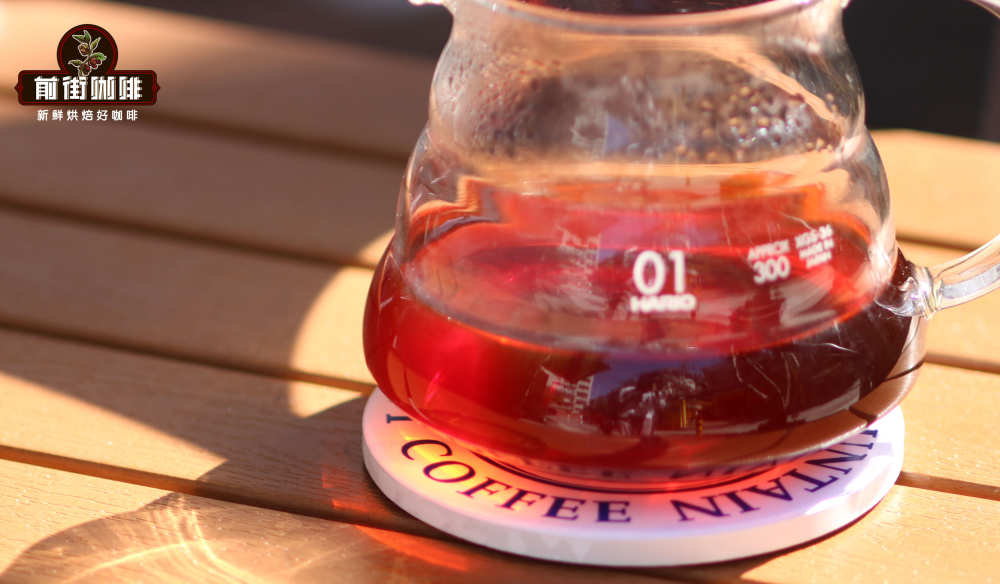
A coffee with high cleanliness carries no unpleasant off-flavors or textures from the first sip through the aftertaste. The flavors are distinct and easy to pick apart. And since our flavor preferences follow certain patterns — floral, fruity and sweet notes are widely loved, while earthy, woody, rubbery or medicinal notes are typically unwelcome — a "clean" coffee is one that lets the pleasant flavors stand without interference.
How Bean Quality Shapes Cleanliness
The obsession with bean quality began with the specialty coffee movement, and with what we now call single-origin coffee. The truth is that the off-flavors most damaging to cleanliness cannot be fixed by adjusting your brewing when the problem is immature beans, a high rate of defects, contamination during processing, or a flawed roast.
Immature beans come from unripe coffee cherries. Today, quality producers treat full red-cherry picking as baseline practice. But in mechanically harvested origins like Brazil, the proportion of immature beans at the green stage tends to run higher. These beans are hard to spot when green but appear noticeably lighter after roasting — and they introduce astringency that undermines cleanliness.
Other defects — insect damage, shell beans, roast faults — create bitter, unpleasant flavors and astringency that drag the whole cup down.
How to Avoid Bitterness and Off-Flavors in Brewing
The bitterness and off-flavors that spoil cleanliness during brewing usually come from (partial) over-extraction. Here are FrontStreet Coffee's recommendations:
Check the roast date before brewing. Fresher isn't always better: within the first week after roasting, brewed coffee often shows a harshness that can irritate the throat and wreck the experience. Generally, coffee needs a resting period of about 4–7 days for that harshness to subside.
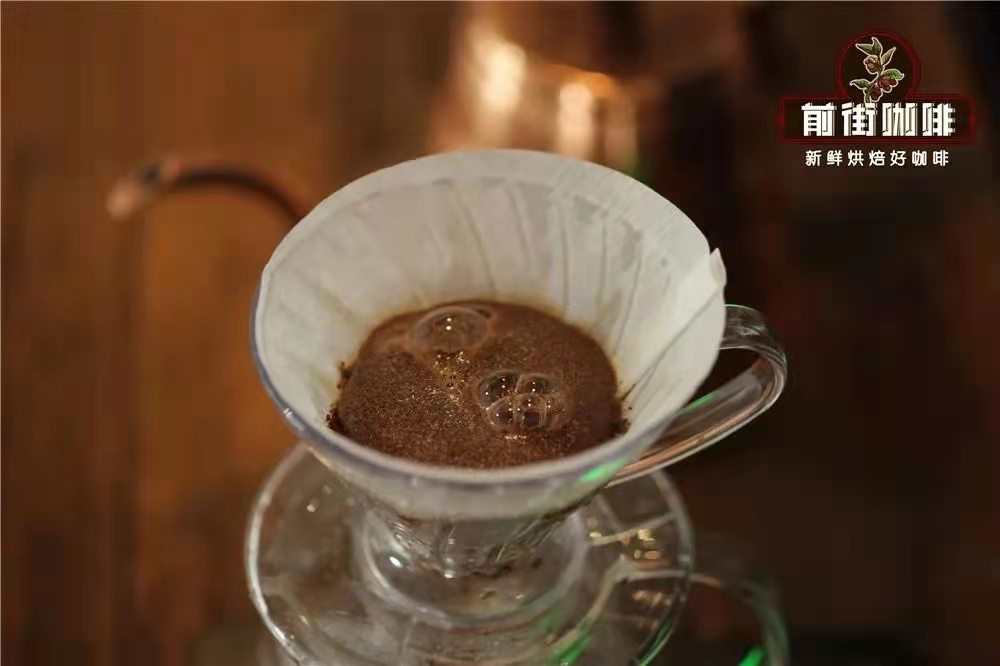
Coffee in an overly fresh state
Before brewing, inspect the beans and pick out any defects (or anything that simply looks wrong). Even after multiple rounds of screening at production, some defective beans slip through, and beans can also be crushed in transit — all of which need removing before brewing.
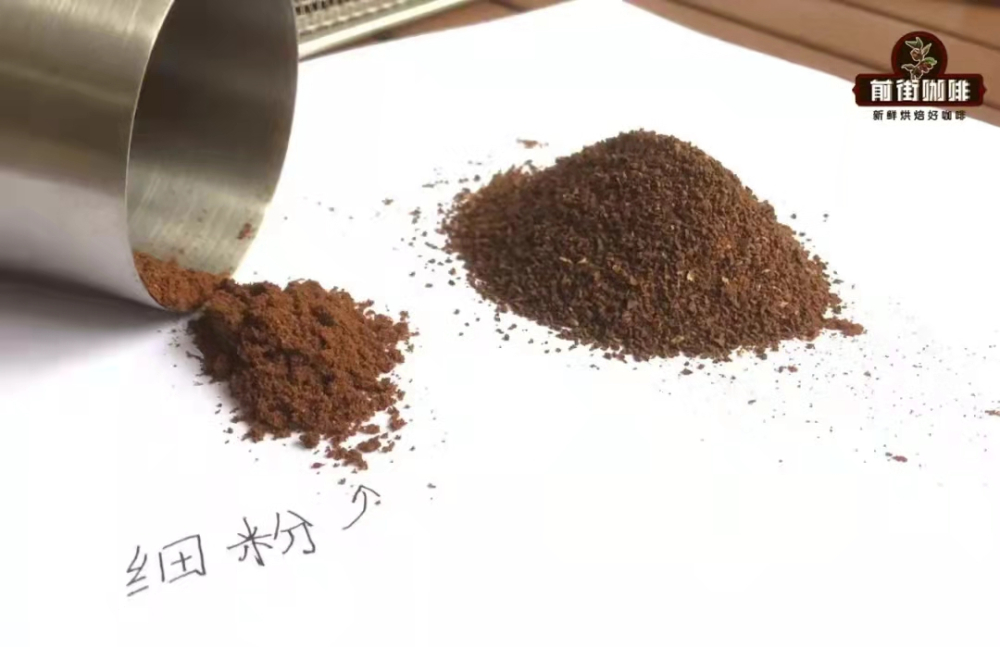
A poor-quality grinder that produces excessive fines also hurts cleanliness. A simple fix is sifting out the fines — though if you want more flavor complexity, you can stir a few back in. The issue is "excessive fines," not fines themselves.
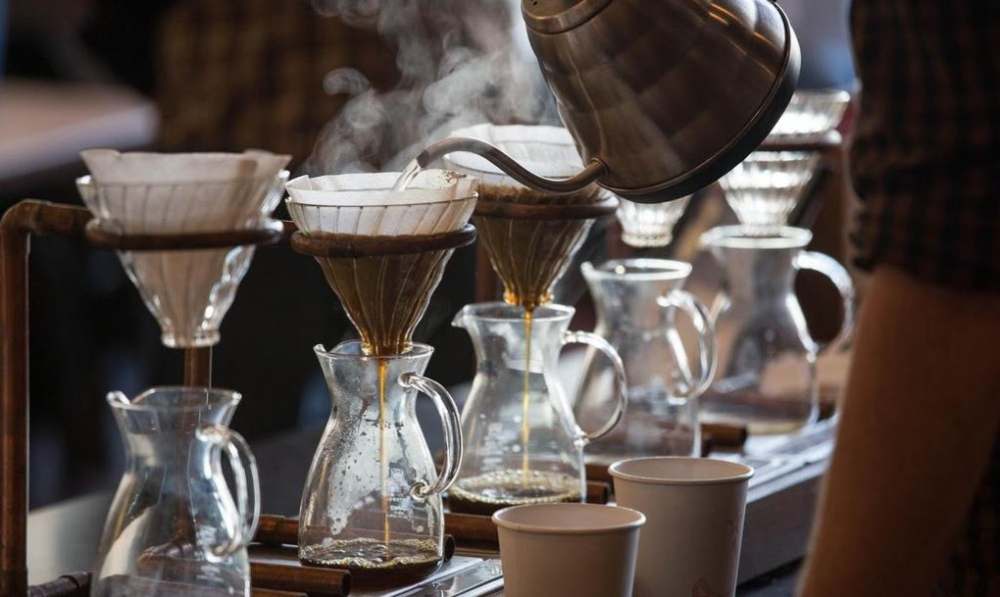
While brewing, pour gently and avoid excessive "stirring" to protect cleanliness. Another trick: cut off the final 10–20ml of the extraction. Once the issues above are handled, any remaining bitterness and off-flavors are concentrated in that last tail of the brew — simply discard it and the problem disappears.
FrontStreet Coffee Recommendation
Clean-cup beans start at origin, with meticulous sorting — and few origins deliver that like Ethiopia. FrontStreet Coffee's washed Yirgacheffe shows what cleanliness really means: jasmine florals and bright citrus acidity with a light, tea-like elegance, brewed like a crisp, clean lemon tea. The washed Guodingding cooperative lot, whose cherries are pulped before drying, comes through even clearer — citrus, lemon and graceful white florals in a bright, delicate cup.
If you love the fruit-forward side of cleanliness, FrontStreet Coffee's natural Huakui from Hambella, Guji is dried for 21 days on raised beds, turned constantly and hand-sorted every few days to eliminate any moldy or earthy taint — yielding a sweet, complex cup of fermented wine aroma, florals, citrus and mango with a thick, lingering body. And FrontStreet Coffee's Kenya selection, with its 72-hour double-wash fermentation and rigorous defect removal, pairs vivid cherry-tomato and dried-plum acidity with an impeccably clean, juice-like finish.
Important Notice :
FrontStreet Coffee is a long-established specialty coffee roaster in Guangzhou China, selling freshly roasted beans from its own farm in Yunnan as well as dozens of carefully selected single-origin beans from around the world for both pour-over and espresso. The products deliver consistently excellent quality and great value, with shipping within 24 hours. Guangzhou's FrontStreet Coffee shop is recommended by many coffee lovers, and the beans are now available online at the Tmall 。
FrontStreet Coffee has moved to a new address:
FrontStreet Coffee Address: 315,Donghua East Road,GuangZhou
Tel:020 38364473
 Scan and follow the En Gafei WeChat official account. Please indicate that the reprint comes from "En Gafei".

