
The Impact of Fine Coffee Grounds on Flavor and Texture - Recommended Grind Coarseness for Single-Origin Coffee
When coffee beans are ground into powder, whether you use a top-tier grinder worth tens of thousands of yuan or an entry-level one costing a few hundred, fine particles are currently unavoidable. So people naturally brew right after grinding, since that's what everyone does. Yet the resulting coffee often tastes astringent and bitter...
The Cause of Fine Particles
After roasting, coffee beans expand to a certain degree. Once moisture is driven off, the beans become somewhat brittle. Subjected to the pressure between two grinding burrs, a bean first cracks apart before being ground into particles — and that cracking is exactly what produces fine particles.
The Impact of Fine Particles on Coffee Flavor
Many people have a poor impression of fine particles, believing they cause filter clogging and are the main culprit behind over-extraction. Sieving them out seems like the best solution.
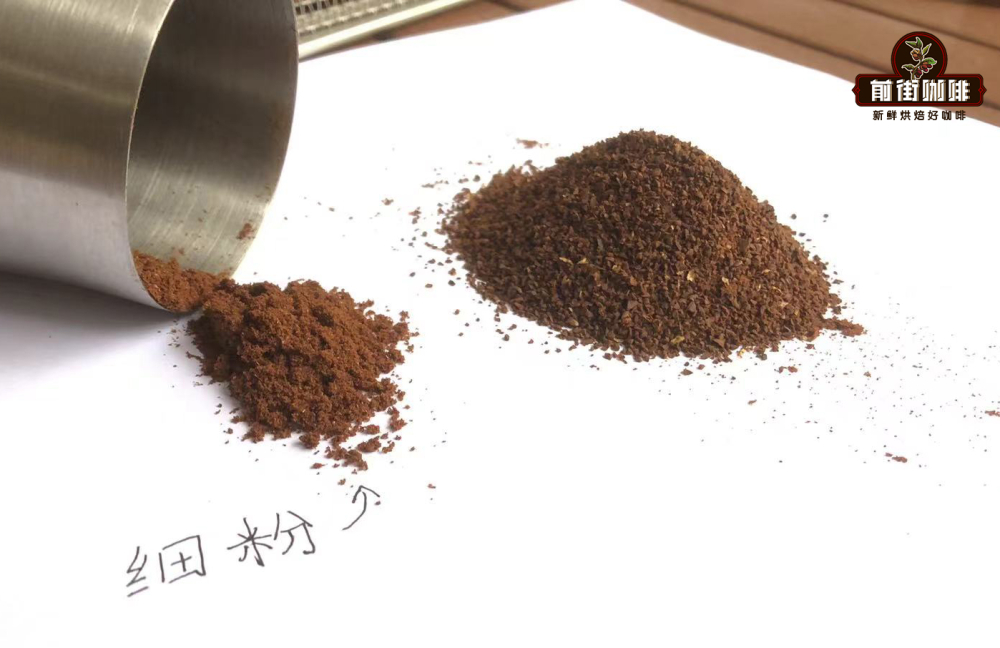
After sieving out the fine particles and brewing, the filter no longer clogs and the water flow becomes even. The coffee tastes cleaner and the acidity brighter. Yet something always feels missing — and indeed, it's the explosive aroma, sweetness, and more impressive layering that fine particles bring.

FrontStreet Coffee has always emphasized that brewing a good cup only requires even extraction, and steady technique ensures every inch of the coffee grounds absorbs water uniformly. Still, if we consider coarse and fine particles separately, then under even pouring the extraction rate of fine particles will inevitably be higher than that of coarse ones.
When properly controlled, that's actually a good thing. For example, the Fuji Mini grinder produces a fine-particle rate of about 12%. At the set grind setting, with even pouring, that 12% of fine particles extracts a little higher (say 22%), while the remaining 88% of coarse particles extracts a little lower (say 17.5%). This yields an overall extraction rate of approximately 18.04% — and that cup will show rich layering and flavor.
Of course, if control is imprecise and the fine particles exceed 22%, that 12% becomes the source that ruins your coffee. For example, if the fine-particle extraction rate is 23% and the coarse-particle rate is 17.8%, then although the overall rate is 18.4% (within the Golden Cup range), the bitter taste extracted from the fine particles can't be masked.
"Fine particles can make or break your coffee."
With an EK43 grinder, at the same coarseness, the amount of fine particles is relatively small — about 5%. This way, the impact of fine particles on the whole cup is much weaker, while stability is significantly higher.
How FrontStreet Coffee Handles Fine Particles
Many friends still enjoy using the Fuji Mini grinder because they appreciate its uniform coarse particles and the rich flavor layering brought by the fine particles.
There are also friends nicknamed "over-extraction masters" who choose to sieve out the fine particles — after all, nobody likes a coffee with heavy bitterness.
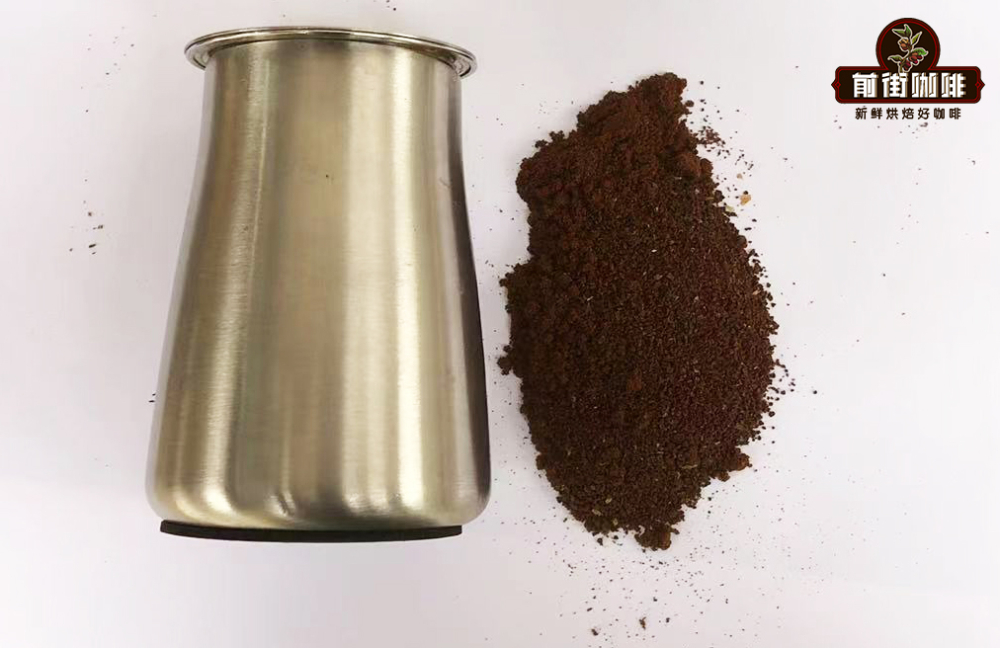
FrontStreet Coffee tends to retain fine particles but won't choose grinders that produce too many of them, because coffee lacking fine particles truly loses much of its flavor and ends up hollow. Yet when there are too many fine particles, uncertainty increases, and FrontStreet Coffee leans toward stable production.
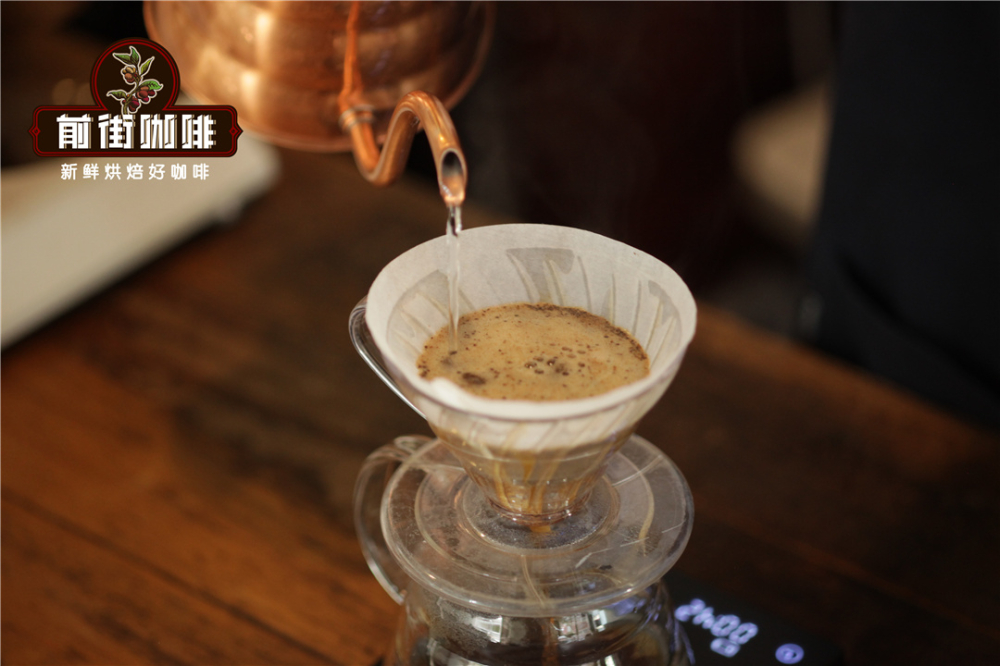
If your grinder produces too many fine particles, you can do some extra work: sieve them out, then add some of the sieved fines back in. That reduces the amount of fine particles while preserving their flavor.
Some friends also add the fine particles back before the final pour after sieving them out. This method also lets you brew good-flavored coffee while avoiding local over-extraction.
FrontStreet Coffee Recommendation
Since fine particles are part of any hand-grind, it helps to start with beans whose sweetness can absorb a little extraction variance. FrontStreet Coffee's Yirgacheffe Sun-Dried Red Cherry is a classic higher-sweetness light roast: only fully ripe red cherries are used, dried on raised beds for three to five weeks, then roasted medium-light. It opens with ripe-fruit aroma leading into fermented sweetness and berries, and as it cools, citrus acidity, creamy smoothness, and a ripe-grape juiciness appear.
If you want the cup built around exactly that syrupy, grape-like sweetness, FrontStreet Coffee's Mozart from the Musician series is a Costa Rican raisin-honey process that ferments slowly during drying, giving big Kyoho-grape sweetness with pineapple and osmanthus aromas. Roasted medium-light, it plays up the same dense dried-fruit and wine-like character that keeps fine particles from reading as bitterness.
Important Notice :
FrontStreet Coffee is a long-established specialty coffee roaster in Guangzhou China, selling freshly roasted beans from its own farm in Yunnan as well as dozens of carefully selected single-origin beans from around the world for both pour-over and espresso. The products deliver consistently excellent quality and great value, with shipping within 24 hours. Guangzhou's FrontStreet Coffee shop is recommended by many coffee lovers, and the beans are now available online at the Tmall 。
FrontStreet Coffee has moved to a new address:
FrontStreet Coffee Address: 315,Donghua East Road,GuangZhou
Tel:020 38364473
 Scan and follow the En Gafei WeChat official account. Please indicate that the reprint comes from "En Gafei".

