
Is Drip Bag Coffee Pure Black Coffee? Pros and Cons of Long-Term Consumption of Drip Filter Coffee

For more premium coffee knowledge, please follow the WeChat official account: FrontStreet Coffee
First of all: yes, drip coffee bags are a form of black coffee. Beans are ground in advance and sealed into filter bags; add hot water and the coffee's flavor compounds are extracted into a cup of black coffee you can drink straight or top with milk. FrontStreet Coffee's drip bags are packed at 10 grams per bag, brewing about 130–150ml of coffee — a perfect single serving.
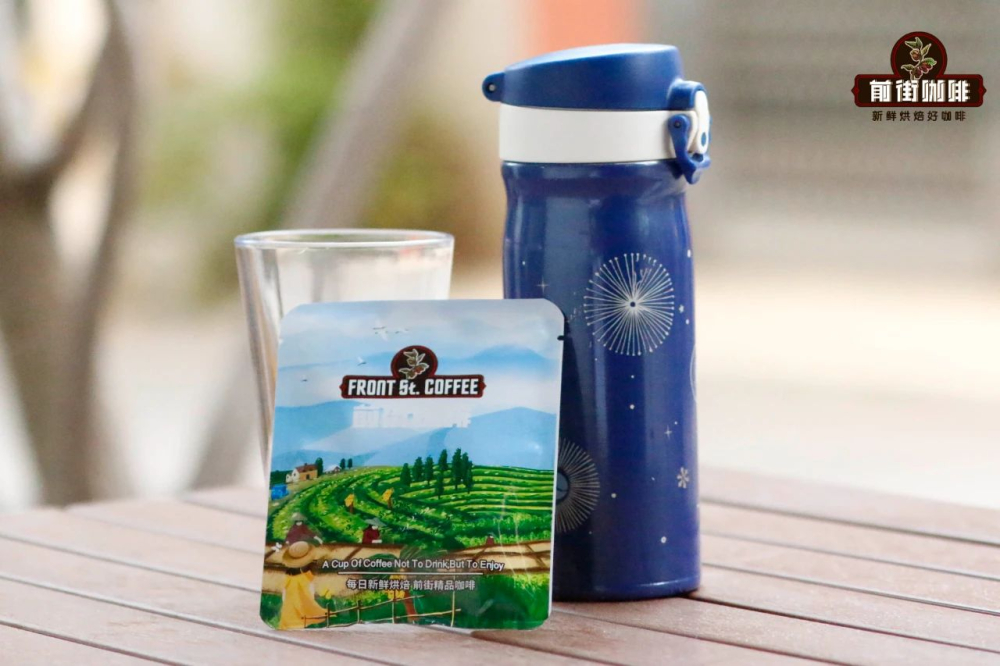
Who Invented Drip Coffee Bags?
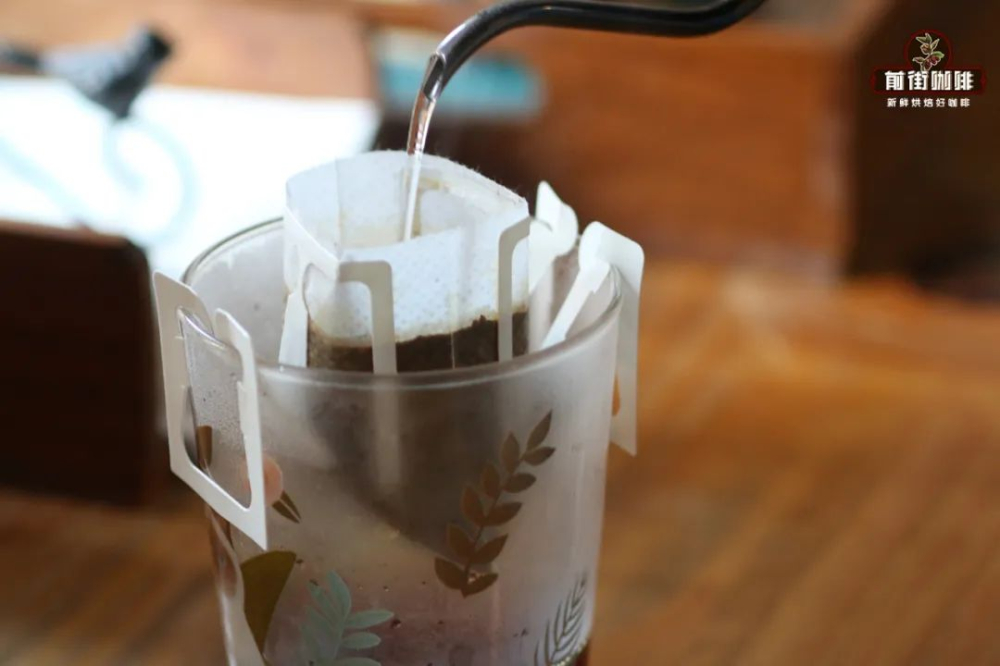
The earliest drip coffee bags were invented in 1990 by Yamanaka Industrial Co., Ltd. of Japan, with a design concept borrowed from string tea bags. The idea was to simulate pour-over drip coffee by pre-grinding coffee and packing it into non-woven filter bags; the paper tabs on both sides hang the bag on the rim of the cup. Because they hang on either side like little ears, people started calling them "drip coffee bags" — the hangers became the name.
In 2002, the Japanese registered the drip coffee bag as a patent and brought it to market. The convenient, clean design quickly became the market mainstream — and not only there; the domestic market followed suit.
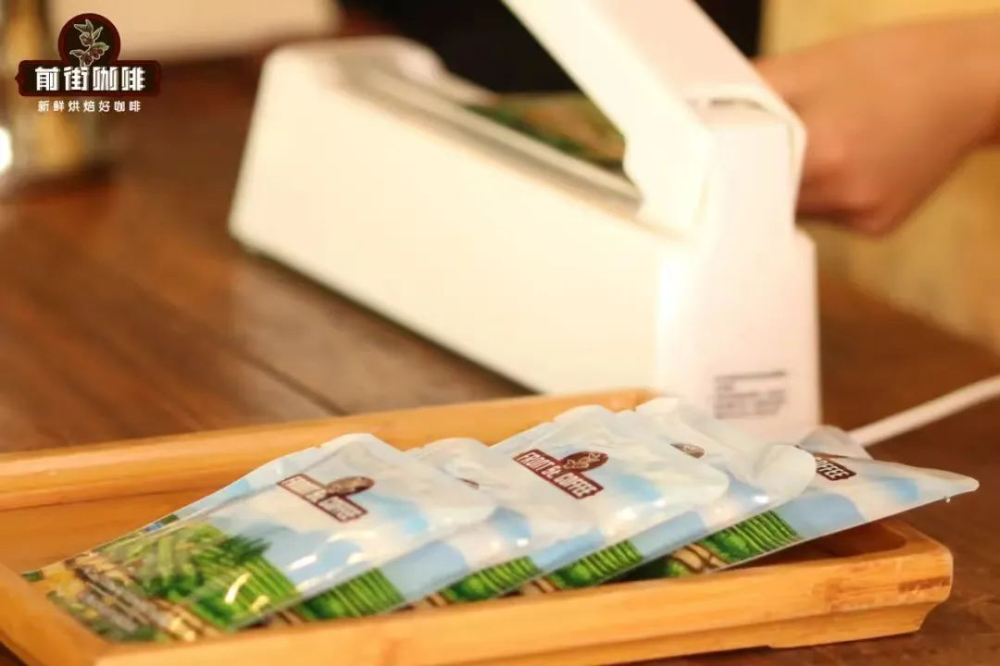
Brewing one takes nothing more than a pot of hot water and a cup. Afterwards, the grounds and the filter bag go straight into the trash together, skipping a dozen tedious steps. And as the specialty coffee industry has grown, every type of bean can now become a drip bag, so the choices are abundant. Like the dozens of single origins on FrontStreet Coffee's menu — all of them can be packed as drip bags for coffee freedom in any scenario: office, park, or home.

Pros and Cons of Drip Coffee Bags
The headline advantage: office, home, or outdoors — with hot water and a cup, you get an aromatic coffee with none of the usual fuss. And since every bean variety can become a drip bag, the selection keeps growing.
Compared with pour-over extraction, drip bags demand no elaborate tools, and pouring technique, timing, and ratios need none of pour-over's strict control — sufficiently hot water and a sensible ratio are all that's required. The tradeoff, of course, is flavor: with such "casual" operation, the cup won't be as rich and varied as true pour-over. And because drip bags are pre-ground and sealed in packaging, the aroma is naturally less full than freshly ground coffee. Stored too long — several months or more — they can even develop woody flavors. FrontStreet Coffee therefore suggests consuming drip bags within one month of receiving them.
Office workers often ask FrontStreet Coffee to recommend beans suitable for drip bags. With more than fifty single origins from different regions on the menu, all available as drip bags, you can simply choose by taste:

1. Fruity and Refreshing Type
If you like acidity, look first for descriptions featuring fruit acidity or florals: FrontStreet Coffee's Guodingding drip bag (white florals, lemon-citrus), the washed Geisha drip bag, the Little Tomato drip bag, and the Flower Butterfly drip bag — or descriptions with dried fruit, tropical fruits, or rose notes, such as the Bahia drip bag, the Red Cherry drip bag, and the Flower Queen drip bag.

2. Rich and Nutty Type
Most people, though, prefer rich, full-bodied flavors. If that's you, start with medium-dark roasts: FrontStreet Coffee's Queen Estate drip coffee, Bird of Paradise drip coffee, Golden Mandheling drip coffee, Blue Mountain drip coffee, and Huilan drip coffee. Their flavor notes include nuts, chocolate, caramel, cream, and cocoa; the brewed cups show low acidity, rich roasted aromas, and a very full body.

3. Intense Wine-like Aroma Type
And for those — like FrontStreet Coffee itself — who want more layers than a single flavor can offer: for wine-like aromas, choose the Sherry drip bag, the Mozart drip bag, the Strawberry Candy drip bag, or the Sidra drip bag; for fruity complexity, try the Dorothy drip bag or the Bahia drip bag.
To preserve the coffee's original flavor as much as possible, drip bag powder is typically ground from freshly roasted beans. FrontStreet Coffee ships beans roasted within 5 days, so when the drip bags arrive it's usually 4–5 days after roasting — right on schedule to brew and taste. Drink them promptly after receipt; prolonged storage lets the aroma fade. And if you want coffee at its fullest, FrontStreet Coffee recommends buying whole beans and grinding fresh before brewing for better flavor layers.

Excessive Coffee Intake Can Cause Physical Discomfort
The most common reason we drink coffee is to refresh and sharpen the mind. A cup of drip coffee in the morning switches the brain on. And since drip coffee is pure black coffee — nothing like a milk-laden latte — it has no calories, drinks light, and won't cause weight gain.

Black coffee also promotes metabolism, with side benefits like reducing facial puffiness — if yesterday's meal was unusually high in oil, salt, or sugar, a cup of coffee can help de-puff. Drinking it before exercise improves fat-burning efficiency too, speeding up weight loss. But don't overdo it: excessive caffeine intake causes palpitations, dizziness, and similar symptoms, so moderation always wins.
FrontStreet Coffee Recommendation
From Drip Bag to V60: Beans for Every Level of Effort
Drip bags are the gateway; the V60 is the destination. For anyone ready to make that jump, the V60 — born from Hario's 2004 redesign around a 60-degree cone and a single large outlet — remains the dripper veterans recommend, because its fast, player-controlled flow lets florals, fruit acids, and delicate sweetness show their best side. The ideal beans are the floral-fruity lots: FrontStreet Yirgacheffe Guodingding with citrus, berries, florals, and a green-tea finish; the tropical-fruit-rich FrontStreet Guizi with strawberry, passion fruit, jackfruit, and lychee; the Geisha-based FrontStreet Strawberry Candy; and the raisin-toned FrontStreet Mozart.
Notably, all of those beans work just as well as drip bags — FrontStreet packs its menu beans either way, so you can explore a flavor profile casually in the office before committing to the full pour-over ritual at home. The third-wave shift toward terroir is exactly why: before the millennium, mid-to-dark roasts ruled, prized for body, sweetness, and caramelized notes like chocolate, maple, nuts, and vanilla — best shown through siphon or flannel brewing, as with the era's favorites FrontStreet Blue Mountain No.1 and FrontStreet PWN Golden Mandheling.
Today, beans like FrontStreet Brazil Queen Estate (low acidity, nutty and cocoa-rich, caramel-sweet, superb for pour-over, espresso, or moka pot), the medium-dark FrontStreet 2013 Yunnan Natural Typica (clean citrus and caramel with nuts, chocolate, and brown sugar), and FrontStreet Papua New Guinea Paradise Bird — Typica from Sigri estate grown at 1,600–1,800 meters, AA grade, triple-washed, nicknamed "little Blue Mountain" — cover the rest of the map. Whichever format you choose, the bean comes first; everything else is just hot water.
Important Notice :
FrontStreet Coffee is a long-established specialty coffee roaster in Guangzhou China, selling freshly roasted beans from its own farm in Yunnan as well as dozens of carefully selected single-origin beans from around the world for both pour-over and espresso. The products deliver consistently excellent quality and great value, with shipping within 24 hours. Guangzhou's FrontStreet Coffee shop is recommended by many coffee lovers, and the beans are now available online at the Tmall 。
FrontStreet Coffee has moved to a new address:
FrontStreet Coffee Address: 315,Donghua East Road,GuangZhou
Tel:020 38364473
 Scan and follow the En Gafei WeChat official account. Please indicate that the reprint comes from "En Gafei".

