Can Drip Coffee Bags Be Steeped a Second Time? Why Your Pour-Over Black Coffee Tastes Weak - Illustrated Guide to Correct Usage

Should you steep a drip coffee bag? Yes, but not by soaking the whole bag in water the way you would a tea bag. In this article, FrontStreet Coffee walks through how to brew a genuinely flavorful cup from a drip bag.
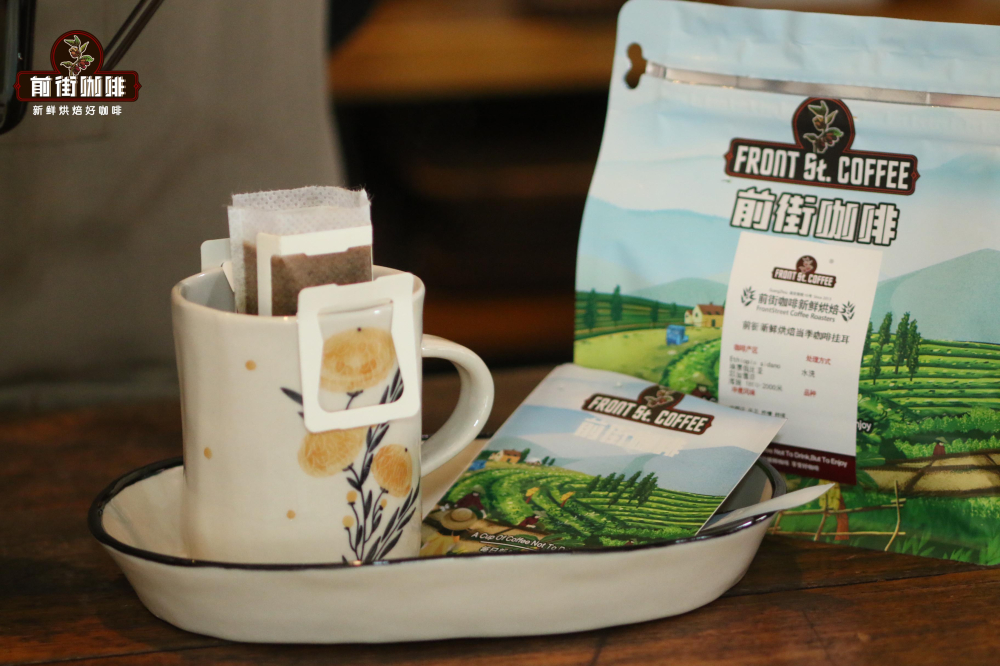
Unlike instant coffee, drip bags are made by grinding freshly roasted coffee beans to the right fineness, then sealing the grounds into non-woven filter bags in single-serve packaging, which makes them convenient to carry and store.
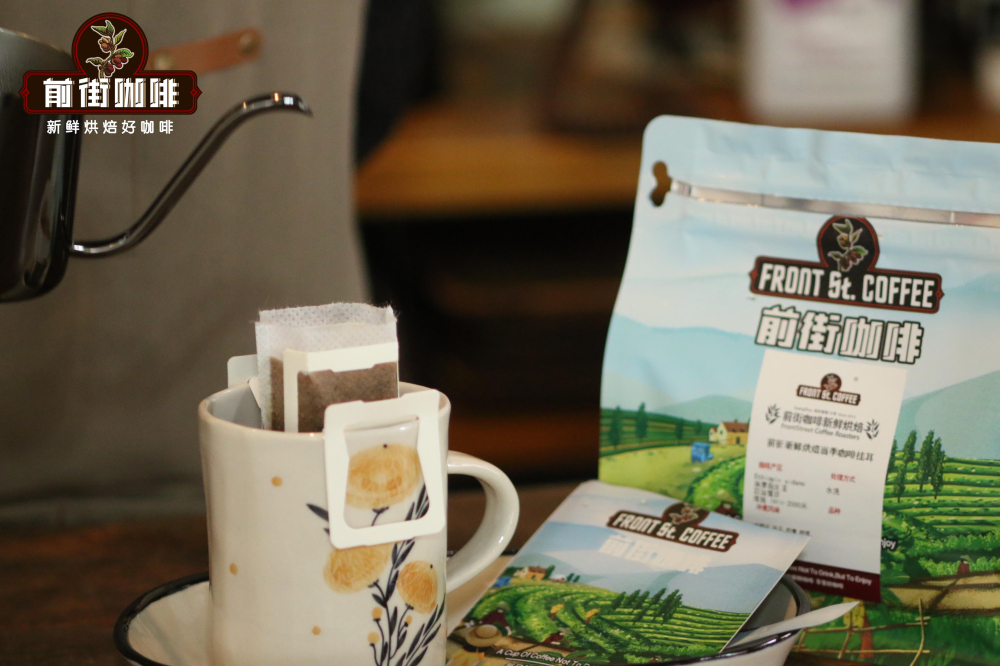
Because the beans are ground straight into fine particles, those particles do not dissolve in water. That is why you can never dump the grounds directly into your cup. Coffee particles also release their solubles in hot water far faster than tea leaves do in a tea bag, so soaking the bag directly in water invites over-extraction and a bitter cup.
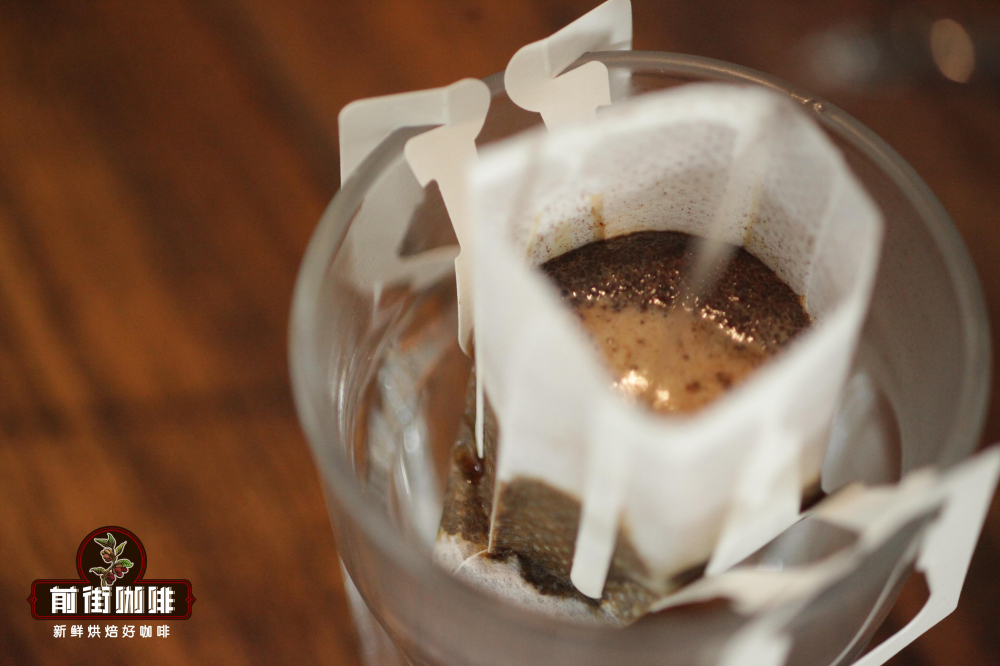
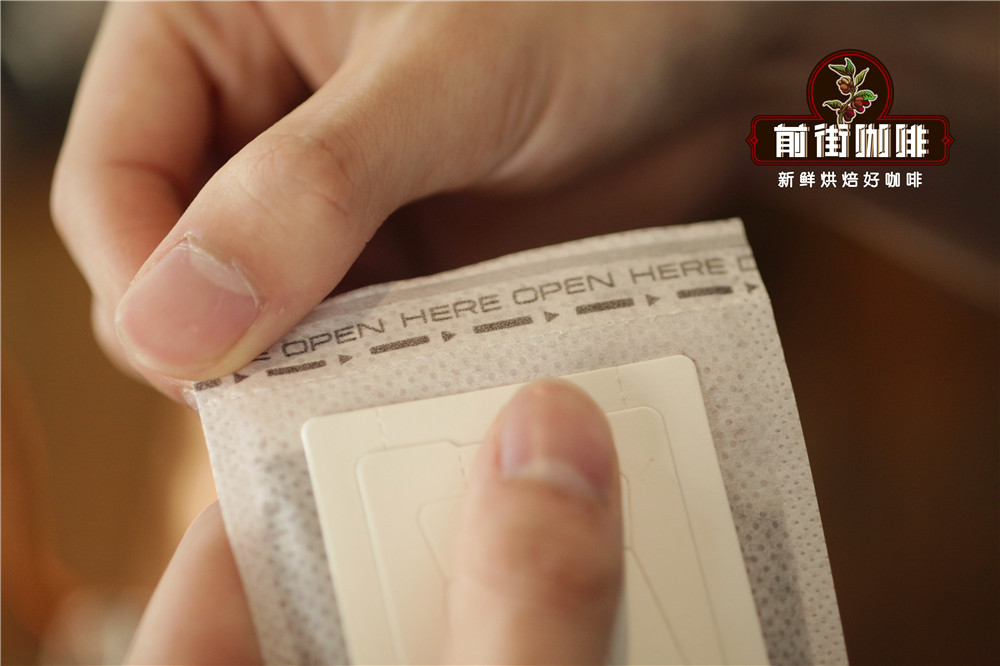
The brewing principle behind a drip bag is much like pour-over: coffee is ground, suspended over a cup, and then brewed. The non-woven bag acts as the filter. Tear along the dotted line, gently pull open the "ears" on either side, hook them evenly over the rim of the cup, and pour hot water through the grounds to extract the coffee.
Drip coffee was invented for convenience, and while it does not quite match a freshly ground pour-over in flavor, brewing it does not demand strict precision. That said, if you want a genuinely tasty cup, the following points matter a great deal.
1. Choose drip coffee made from freshly roasted beans
Whether you buy whole beans or a drip bag, freshness of roast is a crucial factor in aroma. After roasting, the beans hold carbon dioxide that traps aroma and flavor; as the days pass and the beans are ground for a drip bag, those flavors gradually fade along with the escaping gas.
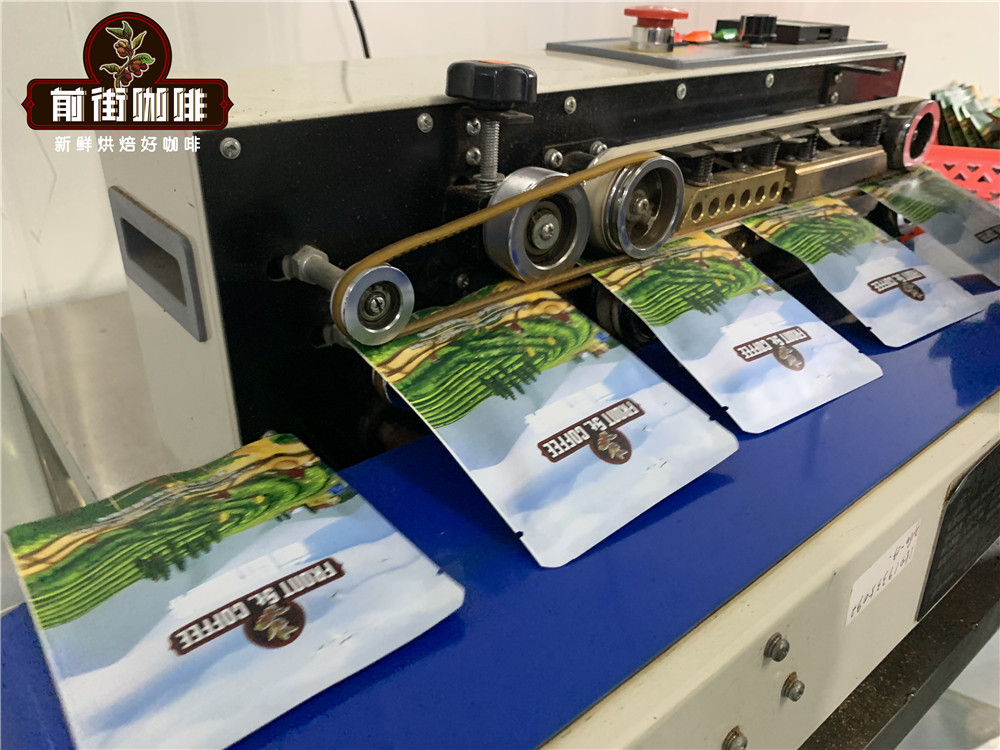
All coffee beans and drip coffee sold by FrontStreet Coffee ship within 5 days of roasting, guaranteeing 100% freshly roasted coffee. Drip bags are ground, packed, and sealed immediately after the beans are roasted and cooled, locking in the coffee's original flavor as quickly as possible.
As for bean selection, FrontStreet Coffee usually points to its everyday house blends. If you like light, fruity coffee, the FrontStreet Coffee barista recommends Ethiopia Natural Process Guji 8.0, which yields a cup with elegant floral notes, strawberry, citrus, and mango, and a soft, light sweetness on the palate. If you prefer something bolder, we suggest the dark roast Golden Mandheling, whose spice, herbal, and caramel notes dominate, mellow and smooth, with the sweet fragrance of dark chocolate.

2. Buy in small quantities to keep drip coffee fresh
Under normal circumstances, the optimal tasting window for drip coffee is 30 days. Each box holds 10 small bags of 10g each. FrontStreet Coffee therefore does not recommend stocking up in large quantities: try to finish one box before buying the next, so your drip coffee stays fresh.
Illustrated guide to brewing drip coffee correctly
Drip bags were designed for simplicity, so all you really need to watch is water temperature and water volume. Water temperature is critical for any method of brewing.
Many people habitually pull hot water straight from a water dispenser, but dispenser water usually does not exceed 75 degrees Celsius, and drip coffee brewed at that temperature tastes flat and flavorless. FrontStreet Coffee suggests you still boil the water, then let it stand for about 2-3 minutes until it drops to roughly 88-91 degrees Celsius before brewing.
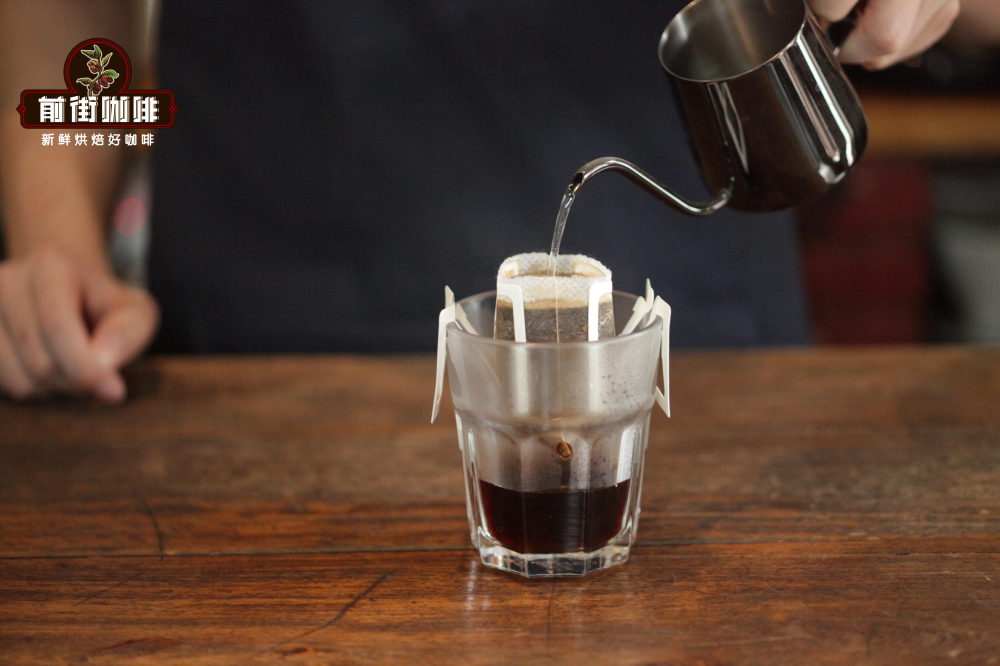
A single package of FrontStreet Coffee drip coffee holds 10g. Based on the optimal pour-over coffee-to-water ratio of 1:15, one bag can take 150g of hot water to yield about 140g of coffee liquid.
Brewing Steps:
First, open the drip bag and hang it over the cup.
Take a kettle of water at 88-91 degrees Celsius and pour the first pour into the center of the filter bag, filling it to 1/2 of the bag. Wait 15 seconds. This is the pre-infusion, which helps release carbon dioxide from the grounds and keeps the later extraction stable.
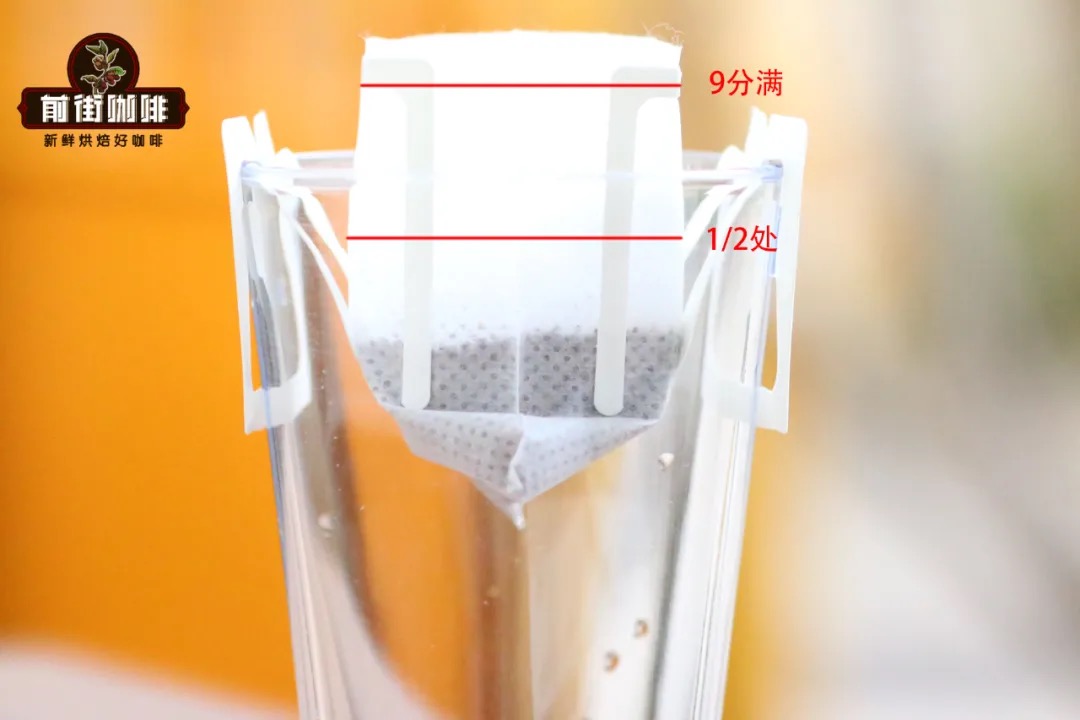
Continue with a second pour, filling the bag to 9/10, stopping just at the small card strip attached to the top of the filter bag.
Once all the coffee liquid has flowed into the cup, make a third pour, again filling to 9/10 before stopping.
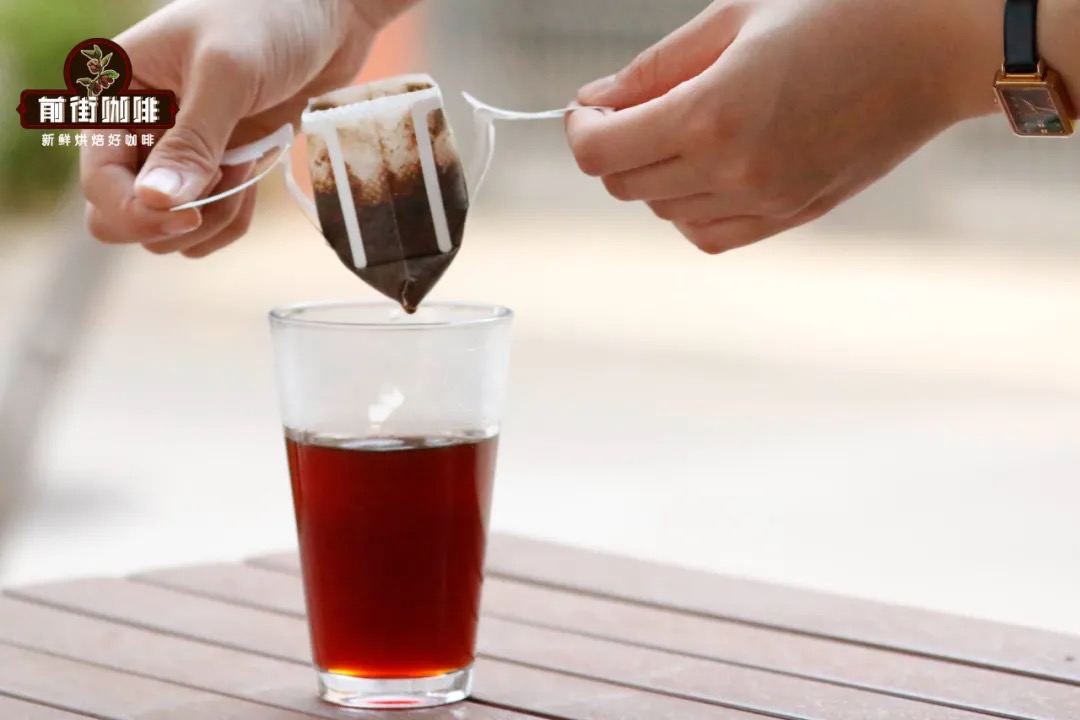
After all the coffee liquid has dripped through, make a fourth pour, filling the filter bag to 9/10 once more. When the liquid has flowed into the cup again, you can remove the drip bag.
That is four pours in total: the first to 1/2 full, then three more to 9/10 each time once the liquid has fully drained through. After extensive testing, FrontStreet Coffee has found that this pouring method usually yields a total water volume of around 150ml.
FrontStreet Coffee Recommendation
Drip coffee is essentially a filtered pour-over, so the same beans that shine in a V60 will shine here. If you are just getting into pour-over, the Hario V60 is the tool most experts hand a beginner: the 60-degree cone forces water toward the center before it drips, lengthening the contact between water and grounds, while the single large hole lets the brewer's pouring skill shape the flow and, in turn, the flavor. Fruity, floral coffees suit the V60's fast, bright extraction best, which is why FrontStreet Coffee's Yirgacheffe Gidding, the tropical-fruit-forward Huakui, the Geisha-like Strawberry Candy, and the raisin-toned Mozart are all excellent choices for this dripper.
For drip bags specifically, a light-roast Ethiopian bean from the Yirgacheffe area is a reliable everyday pick. FrontStreet Coffee's Gidding Cooperative coffee comes from the Woka area at the southeastern edge of Yirgacheffe; grown above 1,800 meters and fully washed, it has no trace of traditional bitterness, offering fresh, bright citrus and lemon acidity with jasmine fragrance. Yirgacheffe itself sits at roughly 1,700-2,100 meters, one of the highest coffee regions in the world.
Important Notice :
FrontStreet Coffee is a long-established specialty coffee roaster in Guangzhou China, selling freshly roasted beans from its own farm in Yunnan as well as dozens of carefully selected single-origin beans from around the world for both pour-over and espresso. The products deliver consistently excellent quality and great value, with shipping within 24 hours. Guangzhou's FrontStreet Coffee shop is recommended by many coffee lovers, and the beans are now available online at the Tmall 。
FrontStreet Coffee has moved to a new address:
FrontStreet Coffee Address: 315,Donghua East Road,GuangZhou
Tel:020 38364473
 Scan and follow the En Gafei WeChat official account. Please indicate that the reprint comes from "En Gafei".