
Beginner's Guide to Pour-Over Coffee Tips: What's the Right Grind Size?
Pour-over coffee isn't nearly as hard as people imagine. The trouble is that most brewers fixate on the big moves while overlooking the small details - and it's precisely those details that decide whether a cup tastes good. Here are the ones FrontStreet Coffee thinks deserve special attention.

Detail One: Don't Compromise on Your Grinder
When FrontStreet Coffee fields pour-over questions from enthusiasts, the single most common issue is grind size - not because people can't judge the right grind, but because their grinder hardware isn't up to the job. Coffee that tastes weak as water, or bitter and dull, is inseparable from grind quality. If you want delicious pour-over, don't skimp on the grinder.
Standard for a Good Grinder: Even Grinding
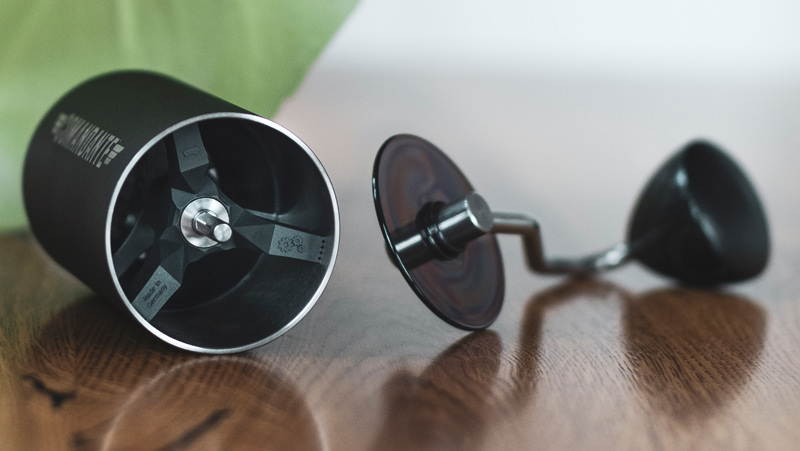
Good grinder ⬆️
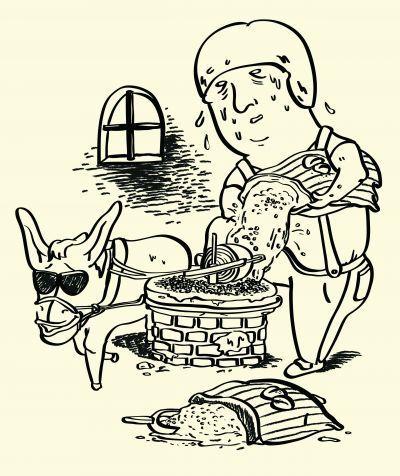
Bad grinder ⬇️
Detail Two: Grinding Should Be the Final Step in Preparation
Everyone who brews pour-over knows the importance of freshly ground coffee - once beans are ground, their flavor dissipates fast. So set up your dripper and equipment, get your water to temperature, and only then grind.
Detail Three: Check Carefully Before Pouring Water
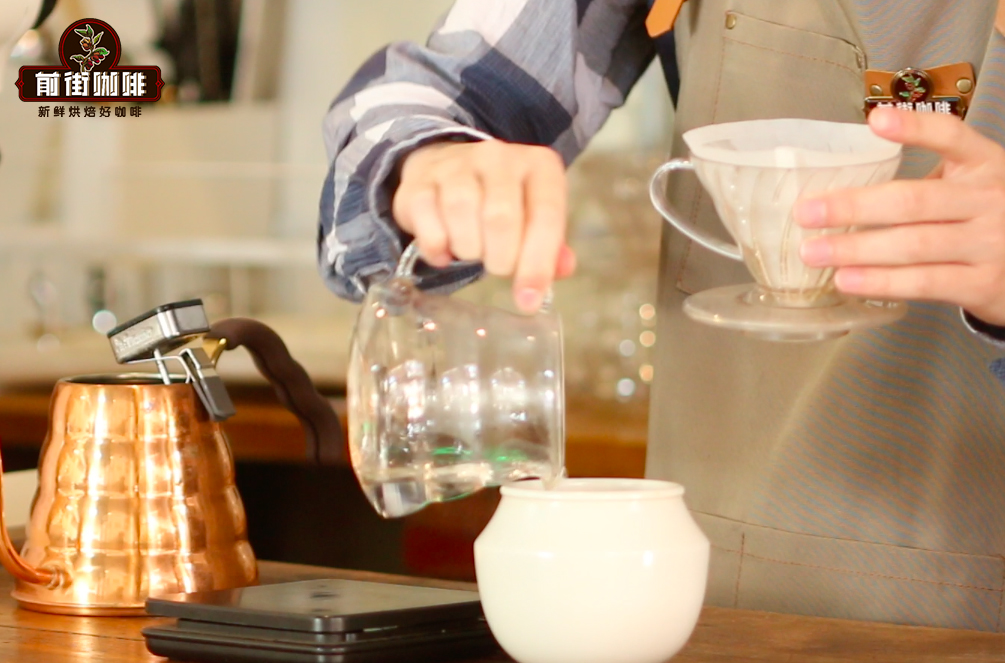
FrontStreet Coffee keeps a short checklist for this moment. First, make sure the waste water in the server has been poured out completely: when you rinse the filter paper and preheat the pot, water collects below, and even experienced baristas sometimes forget to dump it and brew straight into a diluted pot. Attention here saves embarrassment later.
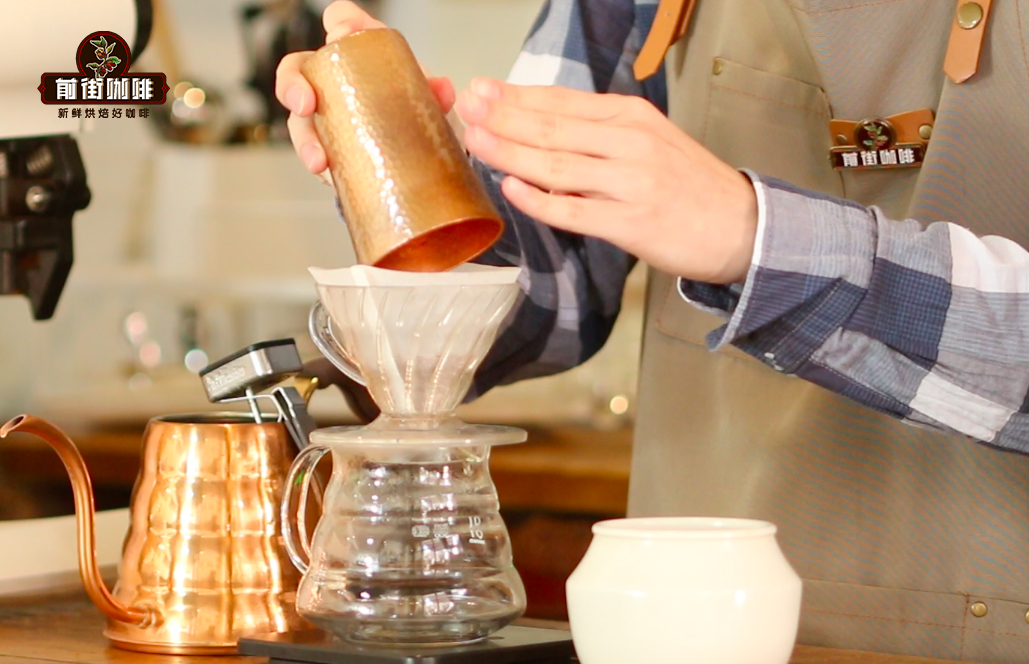
After grinding, zero your scale first, then add the coffee to confirm the dose is accurate - beware of the grinder quietly "eating" grounds without your knowledge.
Detail Four: Mastering Extraction Time
After grind size, extraction time is the hardest variable to control. Many enthusiasts feel managing the end of the pour is achievement enough - how can you possibly control how fast the remaining liquid drains freely?
In practice, once your grind is dialed in, pouring technique is the main lever on time. Segmentation matters: the more pour stages you use, the longer total extraction runs, which is why a single continuous pour finishes roughly 15-20 seconds faster than a three-stage pour.
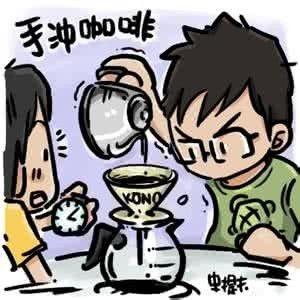
Flow rate matters too: a large water flow finishes faster than a small one. Pouring generously lifts the coffee bed, thinning the bottom layer so water drains naturally. You can also alternate large and small flows to fine-tune. As a general benchmark, a total brew time between 1 minute 50 seconds and 2 minutes 10 seconds is reasonable.
Detail Five: Shake the Server After Brewing
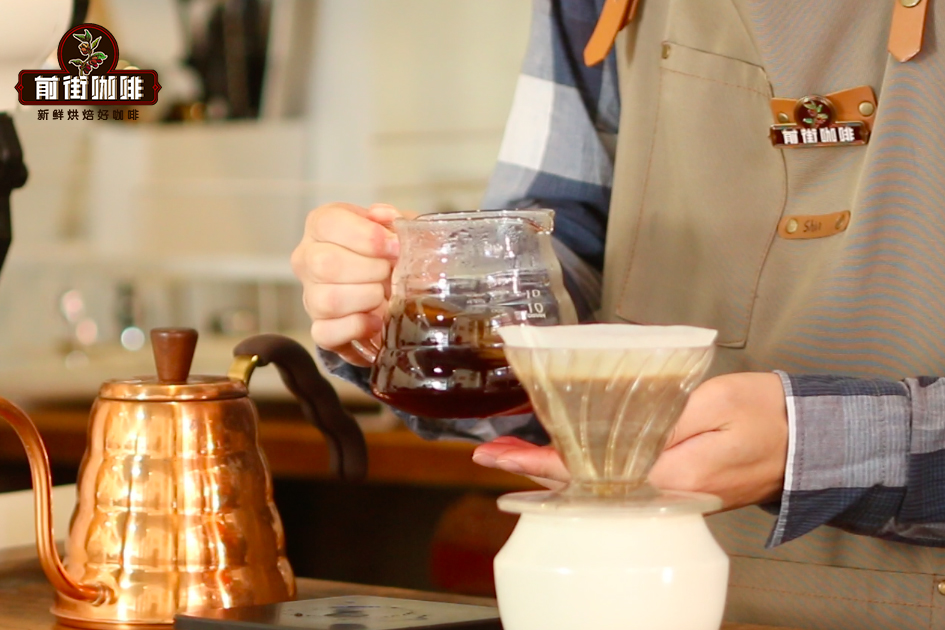
When brewing finishes, the coffee hasn't fully and evenly blended - it typically sits concentrated at the bottom, lighter at the top. Give the server a swirl to even it out. One reason cloud-shaped servers are popular is that they're easy to swirl (the aesthetics don't hurt either).
FrontStreet Coffee Recommendation
Good beans make good habits easier to build. For the bright, aromatic side of pour-over, FrontStreet Coffee's washed Ethiopia Yirgacheffe Red Cherry cooperative lot offers soft, citrus-berry acidity with a green-tea finish, and the famous natural Huakui delivers juicy strawberry, passion fruit, and jackfruit with almost no bitterness - both extremely forgiving for newcomers practicing on a V60.
Once you've mastered medium-dark roasts, the PWN Golden Mandheling - thick, herbal, and caramel-sweet - and the Brazil Queen Estate, with its low-acid nut-cocoa balance and standout crema, round out a complete practice curriculum from light to dark.
Important Notice :
FrontStreet Coffee is a long-established specialty coffee roaster in Guangzhou China, selling freshly roasted beans from its own farm in Yunnan as well as dozens of carefully selected single-origin beans from around the world for both pour-over and espresso. The products deliver consistently excellent quality and great value, with shipping within 24 hours. Guangzhou's FrontStreet Coffee shop is recommended by many coffee lovers, and the beans are now available online at the Tmall 。
FrontStreet Coffee has moved to a new address:
FrontStreet Coffee Address: 315,Donghua East Road,GuangZhou
Tel:020 38364473
 Scan and follow the En Gafei WeChat official account. Please indicate that the reprint comes from "En Gafei".

