
Which is Better: Blue Mountain Coffee or Cappuccino? Understanding the Grade, Price, and Characteristics of Jamaican Blue Mountain Coffee Beans
Blue Mountain coffee originally refers to premium beans produced in Jamaica's Blue Mountain region. Many people's understanding of it stops at "expensive, the king of coffees." Because of that, some merchants have used the Blue Mountain name to spin off many "Blue Mountain coffee" concepts. Let FrontStreet Coffee clarify this for you.
Authentic Blue Mountain Coffee Beans
The most authentic Blue Mountain beans are produced in Jamaica's Blue Mountain range. Since the establishment of the Jamaica Coffee Industry Board (CIB) in 1950, a complete coffee production system has been in place.
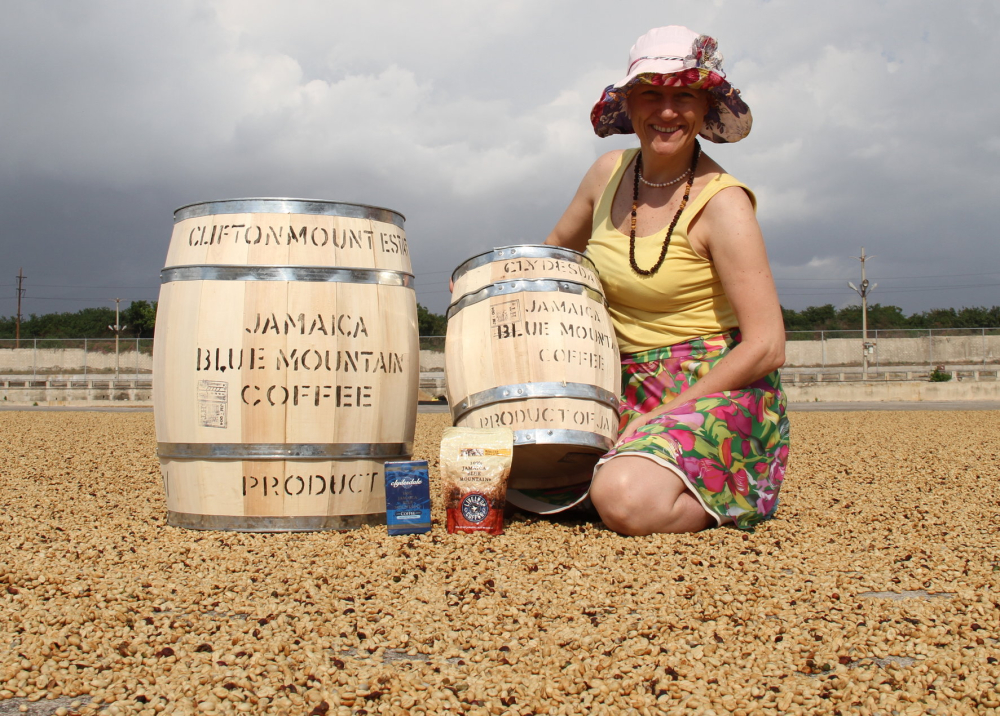
In Jamaica, coffee is classified as Blue Mountain coffee, High Mountain coffee and Jamaican coffee. Blue Mountain coffee is grown above 1,000 meters in the Blue Mountain range, across a total area of no more than 6,000 hectares. It is further divided into four grades: No. 1, No. 2, No. 3 and Peaberry (PB). No. 1 beans are the largest and fullest, followed by No. 2 and No. 3, while PB beans are specially selected small round beans, generally smaller than flat beans at about 14-15 mesh. The premium Blue Mountain beans people refer to are in fact Blue Mountain No. 1.
Blue Mountain beans are so expensive partly because, in earlier years, Japanese buyers monopolized 85% of the supply, leaving just 15% to circulate globally, which made them particularly precious.
According to Jamaica Coffee Board export statistics from 2013, among the limited Blue Mountain quota, 85% was exported to Japan, 5% to the United States, 5% to Europe and 5% to other countries. In the global distribution of authentic Jamaican Blue Mountain coffee consumption, however, China accounts for 15%, according to International Coffee Association statistics. This is because some Japanese, Australian and European shares of Jamaican Blue Mountain coffee are exported to Taiwan through direct subsidiaries.
Over the past 10 years, Japan's priority purchasing rights have expired, and China has been importing Blue Mountain coffee normally for many years. Blue Mountain farm owners have also visited China in recent years to help Chinese consumers better understand the beans. Take FrontStreet Coffee's Blue Mountain No. 1: FrontStreet Coffee's Blue Mountain beans come from Clifton Farm, which was among the first batch to sign contracts with China. When you buy authentic Blue Mountain coffee, it also comes with an accompanying certificate for authentication. The Blue Mountain barrel and the Blue Mountain certificate are important evidence that the coffee is genuine.

The Sharp family of Clifton Farm has been growing coffee for over 200 years, an authentic old Blue Mountain heritage, and it is also the only farm in the Blue Mountain region certified by the Rainforest Alliance. Blue Mountain No. 1 is pure Typica, one of the few ancient pure varieties in the world with excellent flavor. Combined with Jamaica's refined washed processing, the beans are full and large with a uniform color.
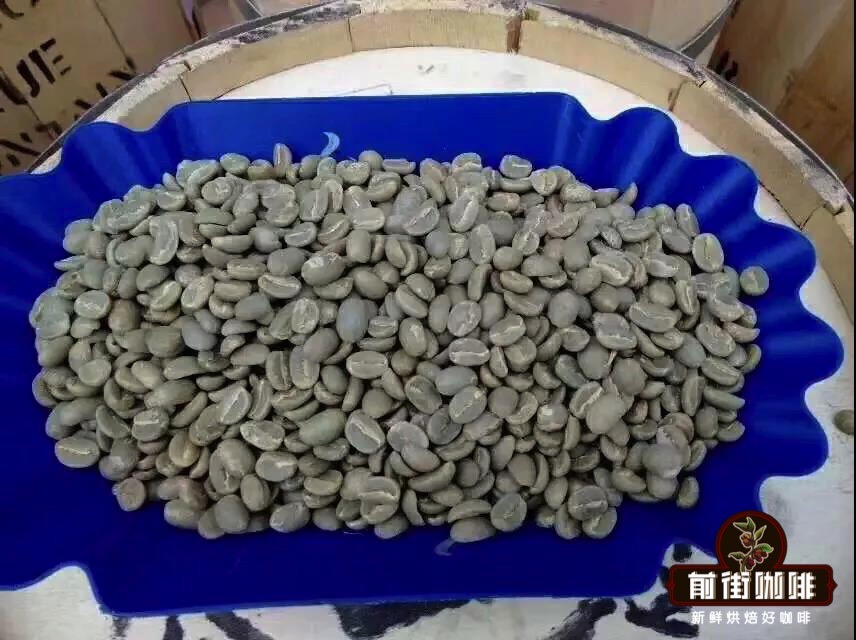
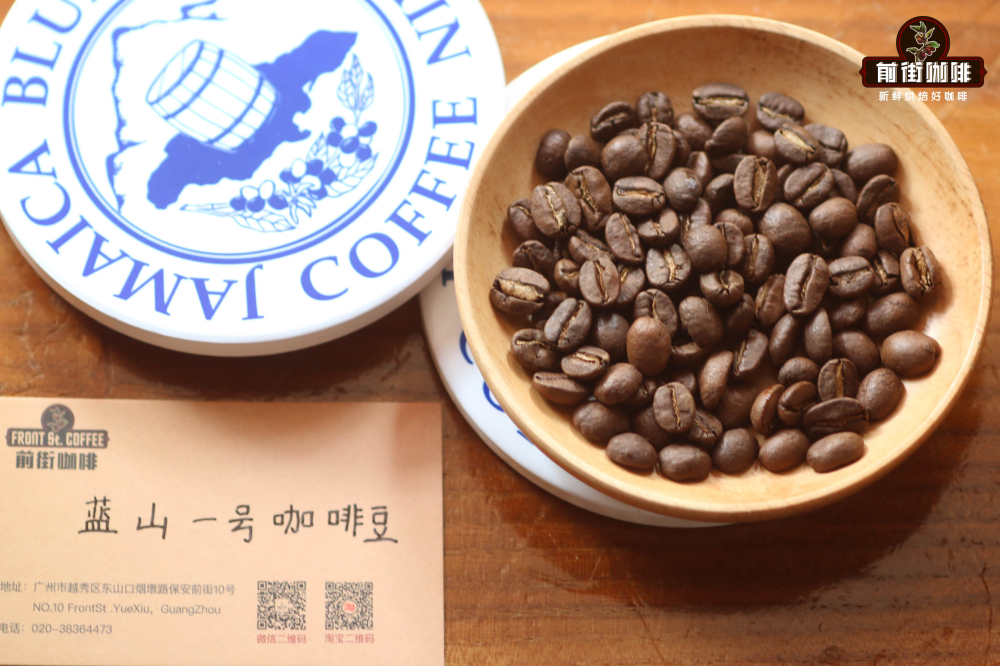
FrontStreet Coffee believes Blue Mountain beans best represent traditional coffee flavor—balanced and aromatic, worthy of the title "the king of coffee." FrontStreet Coffee has recreated this flavor with a medium-dark roast, expressing notes of nuts, chocolate and richness with a perfect balance of sweet, sour and bitter.
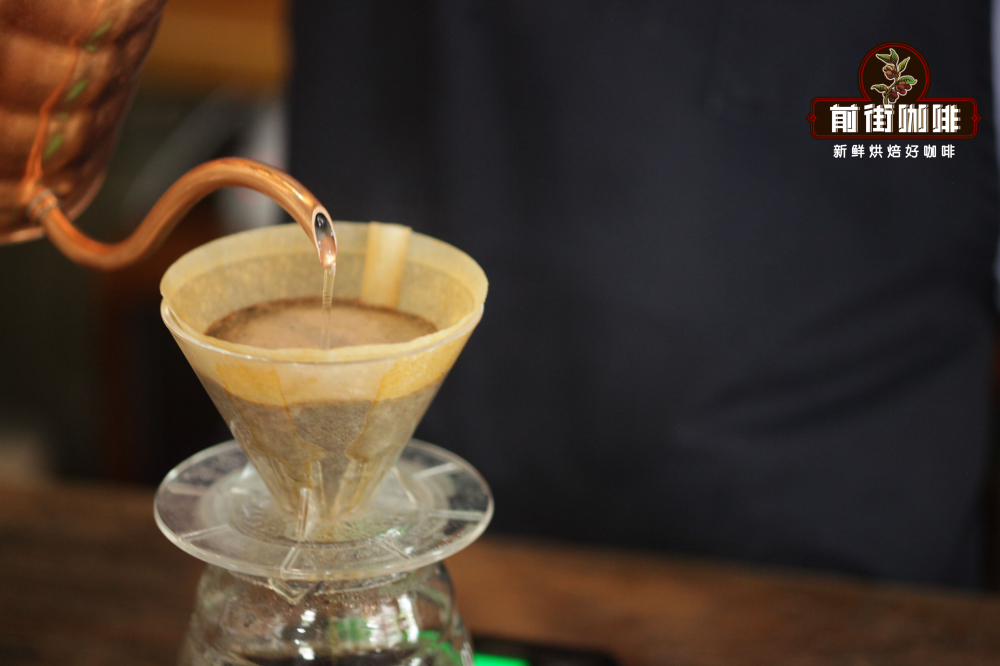
FrontStreet Coffee believes pour-over is the brewing method that most stably expresses Blue Mountain's flavor, and recommends a Kono dripper to highlight its richness.
To taste the pure, aromatic Blue Mountain flavor, FrontStreet Coffee suggests using freshly roasted beans, which lets you experience the coffee's rich flavors to the greatest extent. FrontStreet Coffee ships beans roasted within 5 days, because it understands how much freshness affects flavor. Its roasting philosophy is "freshly roasted good coffee," ensuring every customer receives the freshest coffee when they order. The coffee's resting period is about 4-7 days, so by the time customers receive it, it is at its peak.
Brewing Parameters
Coffee dose: 15g
Ratio: 1:15
Grind size: Medium pour-over grind (75% pass-through on No. 20 sieve)
Water temperature: 88 degrees Celsius
FrontStreet Coffee uses segmented extraction, the three-stage pouring method. Use 30g of water for blooming, with a bloom time of 30 seconds. In the first stage, pour with a small water flow in circles to 125g, then stop. When the liquid level drops to just before exposing the coffee bed, continue with the second stage, pouring to 225g to finish extraction. The total extraction time, including blooming, is 2:00.
Common Misconceptions About Blue Mountain Coffee
Below are some terms that might look like Blue Mountain coffee but are not actually genuine Blue Mountain.
Blue Mountain Flavored Coffee Beans
The presence of the word "flavored" basically indicates these are not genuine Blue Mountain beans. These products typically use beans from other regions passed off as Blue Mountain. If you have not tasted authentic Blue Mountain, there is a high probability they will distort your perception of it. The famous Italian blend formula "Mandheling blend" uses Mandheling coffee and Brazilian coffee blended to simulate Blue Mountain's flavor.
Blue Mountain Instant Coffee
A 100-gram package of authentic Blue Mountain beans can sell for over 200 RMB, so how could genuine Blue Mountain beans be used to make instant coffee? In reality, the raw materials for instant coffee are mostly lower-priced Robusta, Yunnan and Brazilian beans. The "Blue Mountain instant coffee" seen in advertisements may simply be a promotional effect.
Blue Mountain Coffee vs. Cappuccino
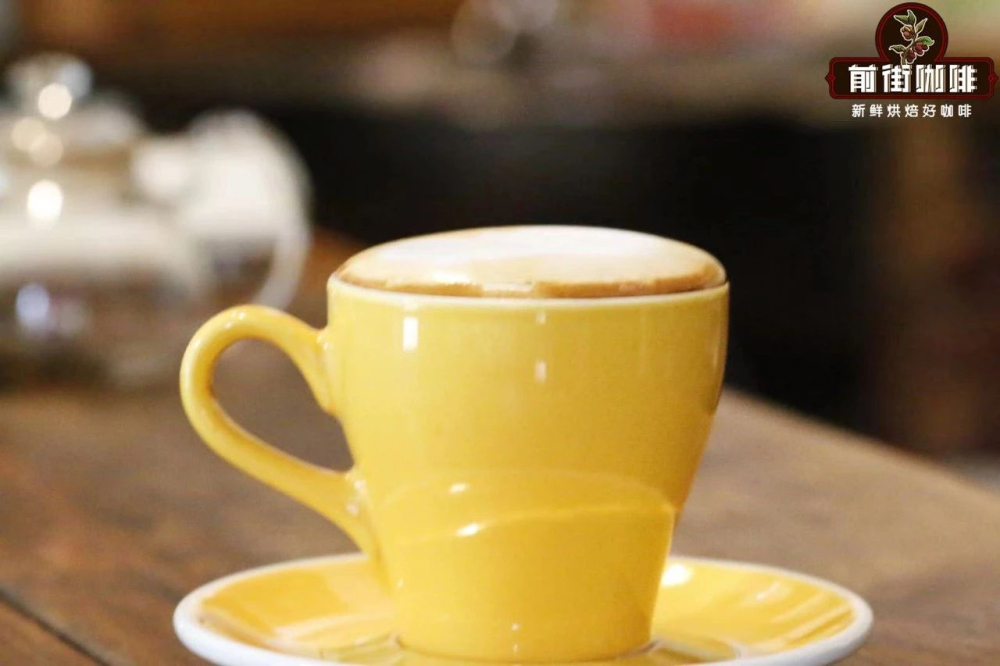
As for which is better, Blue Mountain coffee or cappuccino, it depends on personal taste. Blue Mountain beans are mostly used to make black coffee, and those who do not often drink coffee might find it slightly bitter with a roasted note. Cappuccino, by contrast, is a classic Italian coffee made from espresso plus milk plus thick milk foam, giving a full and smooth texture. Because milk is added, it is not particularly bitter and highlights the coffee's aroma, making it very suitable for those who do not usually drink coffee.
FrontStreet Coffee Recommendation
If the balance of Blue Mountain is what you are after, FrontStreet Coffee's own Blue Mountain No. 1 is the benchmark. It is the highest grade among Jamaican Blue Mountain coffees, with strict standards for bean size, defect rate and overall quality. FrontStreet's lot comes from the historic Clifton Farm, which began growing and processing coffee around 1750, in the mid-eighteenth century, with its growing and processing area at an average of 4,300 feet, or 1,310.64 meters. The altitude, the mild afternoon cloud that shades the hillsides, ample sunlight and mineral-rich soil give the trees excellent growing conditions and lengthen the ripening of the cherries.
Blue Mountain's appeal is its balance: it has no obvious weak point. It lacks the intense fruit acidity of some African coffees and the heavy bitterness of a dark roast, striking an excellent balance among acidity, sweetness, bitterness and aroma. A good Blue Mountain typically shows cream, caramel, chocolate, nuts, honey and a light fruit note, entering smoothly and roundly, with rich sweetness in the middle and a clean, long finish. FrontStreet roasts it medium-dark to draw out nuts, dark chocolate and creamy caramel beneath a soft sweetness.
For brewing, FrontStreet recommends a Kono dripper to bring out the body. Use 15g of coffee at a 1:15 ratio with water at 88 degrees Celsius and a grind coarser than you would use for a light roast—roughly white sugar. Let the beans rest 4-7 days from the roast date for the best flavor. Pour 30g of water for a 30-second bloom, then pour to 125g in a slow vertical spiral, and when the bed is nearly exposed, continue to 225g with a slightly faster flow to avoid clogging the filter and over-extracting. Blue Mountain is equally at home in a moka pot, where a slightly finer grind, hot water in the base and medium-low heat bring out chocolate, caramel and nut notes, and it performs beautifully with milk in a latte or a Flat White.
Important Notice :
FrontStreet Coffee is a long-established specialty coffee roaster in Guangzhou China, selling freshly roasted beans from its own farm in Yunnan as well as dozens of carefully selected single-origin beans from around the world for both pour-over and espresso. The products deliver consistently excellent quality and great value, with shipping within 24 hours. Guangzhou's FrontStreet Coffee shop is recommended by many coffee lovers, and the beans are now available online at the Tmall 。
FrontStreet Coffee has moved to a new address:
FrontStreet Coffee Address: 315,Donghua East Road,GuangZhou
Tel:020 38364473
 Scan and follow the En Gafei WeChat official account. Please indicate that the reprint comes from "En Gafei".

