Why is Saturation Freeze-Dried Instant Coffee So Popular? Saturation's Brand Design Philosophy
How Satinbird Became a Household Name in Instant Coffee
Today, "Satinbird" has become synonymous with the new generation of instant coffee in the minds of Chinese consumers. From its founding in 2015 to selling 600,000 coffee capsules in a single hour during Tmall's Double 11 in 2019 — making it the top brand in Tmall's coffee category — Satinbird posted annual revenue of over 150 million yuan that year. It kept topping the charts in the following two years, with Tmall sales already exceeding 100 million yuan during the 2020 Double 11. How does a young domestic Chinese brand beat century-old international giants?

Creating a New Category: Ultra-Instant Coffee
First, Satinbird pioneered a new category in the instant coffee industry: ultra-instant coffee. In the century since instant coffee appeared, its convenience and long shelf life have won it wide popularity — but the taste was poor and it demanded hot water. For today's discerning young consumers, the non-dairy creamer and sugar in traditional 3-in-1 instant coffee read as distinctly unhealthy, and the hot-water requirement means it cannot be enjoyed anytime, anywhere.
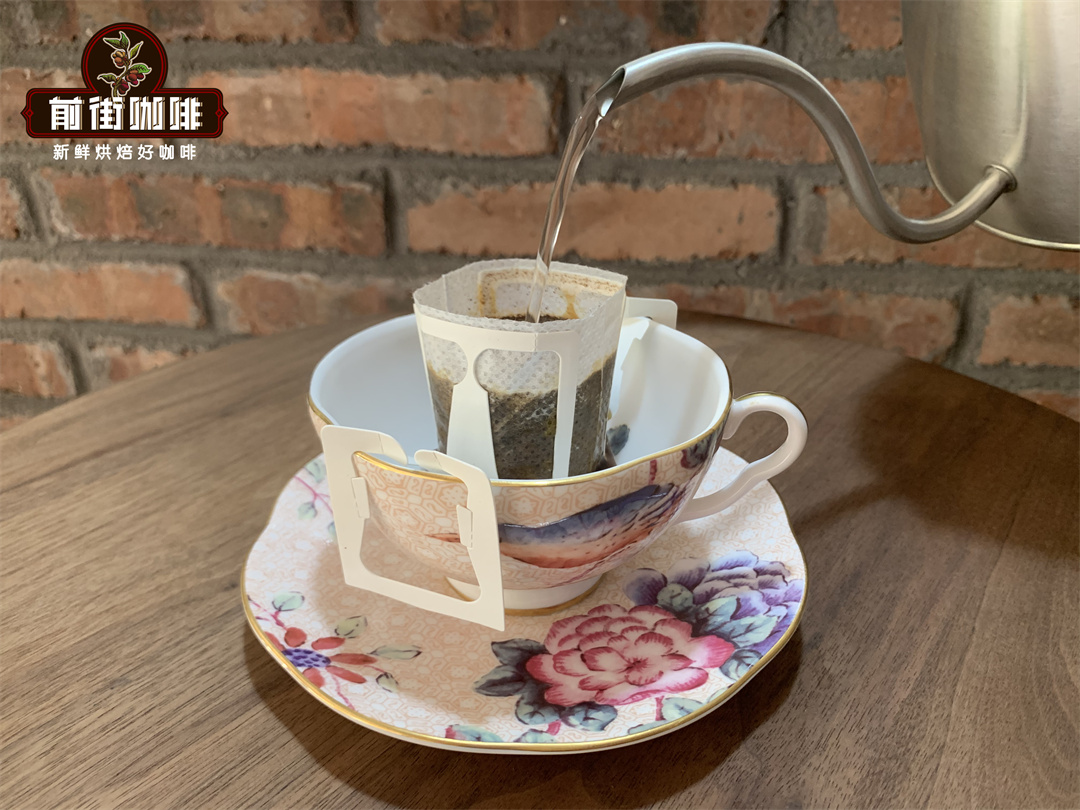
Notably, Satinbird did not start out in freeze-dried instant. The brand initially took the specialty route, launching drip coffee bags with thoughtfully bundled brewing kettles and cups — but freshly ground coffee was not yet widely accepted, and sales were mediocre. Next came cold brew bags bundled with free cold brew bottles, but the long steeping time kept sales lukewarm.
Having touched the pain points of both specialty and instant coffee, Satinbird pivoted to ultra-instant: coffee that dissolves quickly even in cold water while emphasizing flavor, tasting closer to freshly ground coffee while keeping the convenience, speed and efficiency of instant.

Packaging Design That Captures Youth Aesthetics
Second, the packaging nailed the younger generation's aesthetic. Satinbird understood that a good product alone would not win consumers over, so it invested heavily in packaging — catering to young people's taste for minimalist styles, portability, and bold visual color. Pure-colored, ultra-mini coffee-cup packaging for the powder made the product instantly recognizable.

Later, after "Satinbird" entered Tmall, big-data analysis showed that consumers' coffee demands were growing ever more personalized and diversified. In response, the brand refreshed its line with six different roast levels of coffee powder, distinguished by numbers — signaling that despite being instant, these products could deliver the quality and taste of freshly ground coffee.
The innovative, eco-friendly packaging also carried an unspoken appeal: "keep me for DIY." People saved the containers for creative reuse as small potted plants, decorative accessories and ornaments, and spontaneously shared the results on social platforms — a fun, engaging form of user-generated marketing that resonated deeply with young consumers.

Consumer Participation in Brand Co-Creation
Third, Satinbird let consumers help build the brand. Before each launch, it runs consumer testing with participants called "navigators" — food influencers, professional institutions, regular consumers met at exhibitions, and research organizations. Products are optimized based on "navigator" feedback before any promotion begins.
After launch, Satinbird runs a "Return Journey Program," partnering with well-known offline coffee shops in first- and second-tier cities to guide customers into recycling packaging in exchange for carefully crafted original merchandise — merchandise that arguably outshines the products themselves! Brand mascots, clothing, daily necessities: the designs have strong visual appeal and carry the brand through different consumer groups.

Challenges and Future Outlook
Satinbird's rapid rise rests on changing public perceptions of instant coffee and marketing that speaks young people's language, creating a cultural identity that has taken root with them. But as more ultra-instant brands enter the market and freshly ground coffee keeps climbing in consumers' esteem, competition is intensifying.
The Return Journey Program, spanning online to offline, builds interactive scenarios with users and keeps widening the brand's influence. But it has also gradually shifted Satinbird from competing only within instant coffee to competing across the entire coffee industry.

Instant and freshly ground coffee do target different groups — beginner coffee consumers versus enthusiasts with some knowledge — but current trends suggest the two categories will inevitably encroach on each other's territory. Holding onto the top spot in coffee will be a real challenge for Satinbird.
Image source: Xiaohongshu
FrontStreet Coffee Recommendation
If Satinbird's story has you in the mood for cold-brew-style iced coffee, know that cold brewing amplifies floral and fruit tones while muting woody and roasted notes — so light-to-medium roasts show best. FrontStreet Coffee's picks for cold brew:
FrontStreet Coffee Strawberry Candy Gesha Blend: Gesha is world-famous for its classic florals and fresh fruit acidity. This blend combines the iconic Panama Gesha variety with Costa Rican honey-processed coffee — one contributing delicate rose and orange, the other the sweet character of grapes, dried blueberries and strawberry candy. Cold-brewed, it is sweet-tart, lively and layered; with a bit of fermentation, it even takes on a fruit-wine-like quality.
FrontStreet Coffee Natural Flower Queen: if you love floral iced coffee, this is the one. From Ethiopia, coffee's birthplace, the natural process lets the beans absorb abundant sweetness from skin and pulp. Cold brew reveals magnolia, cream strawberry, dried mango, guava and black tea.
FrontStreet Coffee Kenya Cherry Tomato: for a full-on juice-like cold brew, this is the pick — cherry tomato, snow pear, black plum and dark plum acidity shine under low-temperature extraction, with low bitterness, juicy acidity and a long fragrant finish over ice. From Kenya's Thika region, the selectively bred SL28 and SL34 varieties carry complex berry aromas, and the local signature K72 double washed process lets the green beans show their character; a medium-light roast converts precursor aromatics into richer fruit tones.
FrontStreet Coffee Colombia Xigua (Pink Bourbon) + FrontStreet Coffee Costa Rica Tarrazu: cold brew consumes more grounds than pour-over, so value matters. If you love Xigua's complex sweetness of passion fruit, grape, apricot and dried fruit but balk at the price, blend it 1:2 with Tarrazu — you keep Xigua's florals and fruit plus Tarrazu's crisp citrus acidity, and stretch the value.
FrontStreet Coffee Ethiopia Yirgacheffe Idido (Gud Ding) Cooperative: the most representative African coffee, with rich florals and fruit; the washed Yirgacheffe brings bright, refreshing acidity at an everyday price, and works everywhere — pour-over, siphon, French press, cold brew. FrontStreet Coffee's Idido lot, a benchmark washed Yirgacheffe, makes cold brew with sweet berry notes, layered depth and honey.
And if you prefer starting from beans with a grinder rather than capsules, these same coffees work beautifully as pour-over — fresh grinding still sets the flavor ceiling.
Important Notice :
FrontStreet Coffee is a long-established specialty coffee roaster in Guangzhou China, selling freshly roasted beans from its own farm in Yunnan as well as dozens of carefully selected single-origin beans from around the world for both pour-over and espresso. The products deliver consistently excellent quality and great value, with shipping within 24 hours. Guangzhou's FrontStreet Coffee shop is recommended by many coffee lovers, and the beans are now available online at the Tmall 。
FrontStreet Coffee has moved to a new address:
FrontStreet Coffee Address: 315,Donghua East Road,GuangZhou
Tel:020 38364473
 Scan and follow the En Gafei WeChat official account. Please indicate that the reprint comes from "En Gafei".