
Types of Coffee Beans: A Complete Guide to 12 Common Specialty Pour-Over Coffee Bean Brands, Origins, and Flavor Rankings
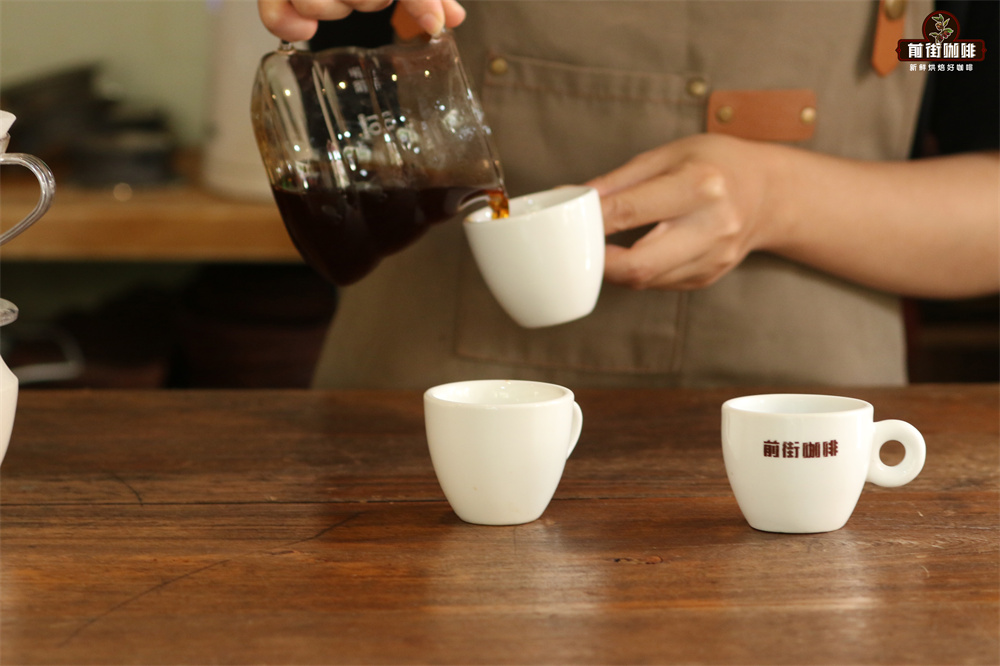
When people talk about "coffee rankings," what they usually mean is price rankings — and that, FrontStreet Coffee would argue, is the only ranking that can truly exist. Beans like FrontStreet's Blue Mountain, Panama Geisha, and civet coffee do sit among the most expensive coffees on earth, so by price they can be lined up neatly. But a ranking of "best tasting"? That's impossible, because everyone's palate is different. The most expensive coffee is not necessarily the best tasting — the best coffee is simply the one that suits you.
Still, with the third wave of specialty coffee sweeping China, more and more drinkers have moved beyond simple Americanos toward pour-over and single-origin coffee. Cafes remain dominated by Americanos and espresso drinks, especially at rush hour — yet a quiet moment with a well-brewed cup can be deeply satisfying.

What Is Specialty Coffee?
Some say only coffee brewed from "specialty beans" tastes good — but what exactly makes a bean specialty? Is it just the most expensive coffee?
The first person to apply the term "specialty" to coffee was Erna Knutsen, the "godmother of specialty coffee." In a 1974 interview with Tea & Coffee magazine, she coined the concept to separate high-quality beans from mediocre commercial bulk coffee, arguing that the soul of specialty coffee lies in regional character: altitude, soil, climate, processing, and cultivation all imprint distinct flavors on the cup. The term only went global after the founding of the Specialty Coffee Association of America. Specialty coffee both values terroir's effect on farming and insists on flavor as the final measure.

In 1982, inspired by Knutsen, Ted Lingle, Donald Schoenholt, and 46 others founded the SCAA. And in 2009, the definition was sharpened into a number: only coffee scoring above 80 points on the cupping table counts as specialty.
The Journey to Black Coffee
Most coffee drinkers arrive at black coffee through espresso and Americanos. Black coffee is simply coffee brewed from beans with nothing added — and compared with milk-based or espresso drinks, it's a completely different experience. This is also where our ideas of coffee as "bitter" or "sour" come from. But black coffee is the purest window into a bean's origin flavors, which is exactly what enthusiasts chase.

How to Choose Pour-Over Beans
Freshness matters for everything, but beyond that: for single-origin beans, look at origin, altitude, and processing method; for espresso, look at the blend formula. Broadly, the coffee world splits into three regions — African beans with vivid florals and fruity acidity, Asian beans with nutty, herbal mellowness, and American beans with balanced nut and chocolate notes. FrontStreet's daily-staple lineup covers each of these regions, leaning on washed processing, which we believe best expresses a coffee's origin character. The washed and natural methods came first; every newer process is built on their foundations.
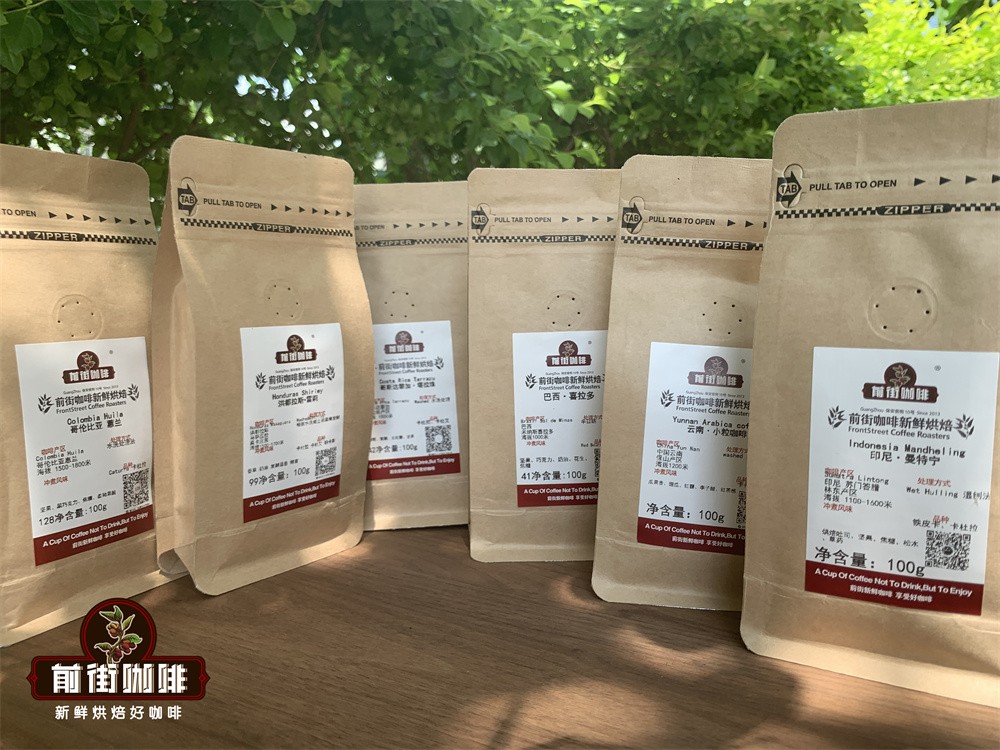
Here is a tour of the FrontStreet Coffee daily staple series:
Ethiopia
Ethiopia comes first, as Africa's largest coffee producer and the recognized birthplace of coffee. Beans are mostly named after regions or cooperatives, with Yirgacheffe and Sidamo the most famous. In the 1970s the government introduced washed processing to raise green quality, and washed Yirgacheffe has dominated the region ever since — FrontStreet's Washed Yirgacheffe shows jasmine, lemon acidity, and berry notes. Sidama, by contrast, is famous for naturals: FrontStreet's Sidama Natural Flower Queen (Huakui) delivers berries, florals, jackfruit, melon, and honey.

Because Ethiopia is the gene bank of coffee, flavors differ from region to region — so FrontStreet keeps more than a dozen Ethiopian beans on the menu, including Yirgacheffe Kochere, Yirgacheffe Natural Red Cherry, Yirgacheffe Konga, and Yirgacheffe Geisha Village Red Label.
Brazil
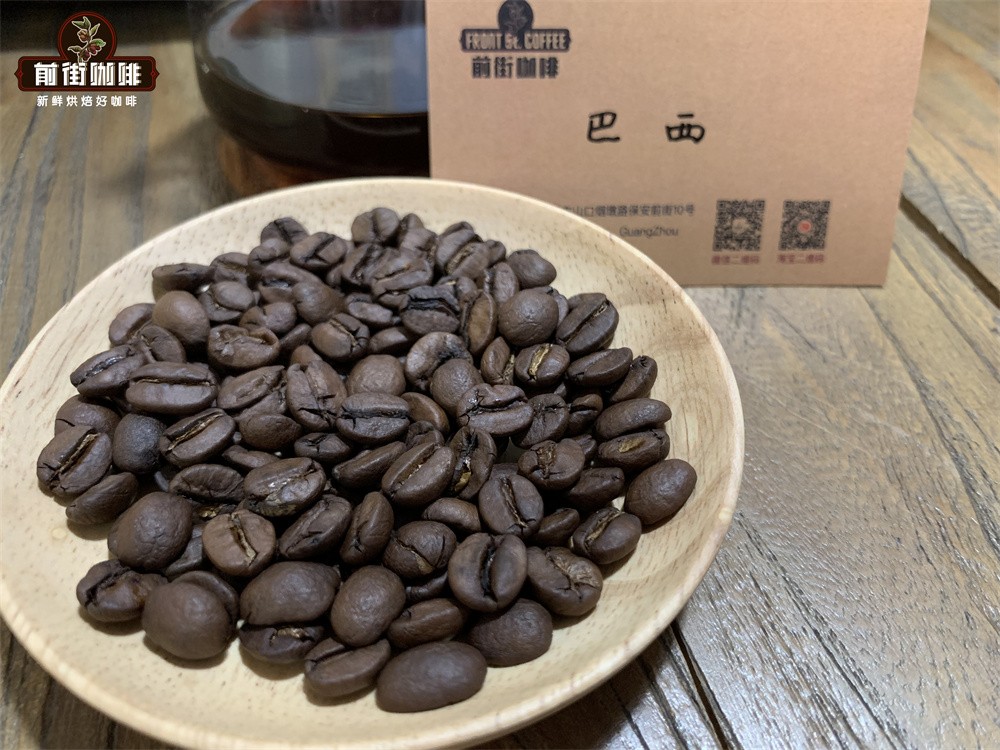
Brazil is the world's largest producer, and its volume doesn't preclude quality. When customers ask FrontStreet's baristas for low-acid beans, Brazil is always the first recommendation. Extensive sun-grown cultivation lets cherries ripen quickly, giving a softer bean texture — gentle fruit acidity, excellent sweetness, a delicate smooth mouthfeel, and overall balance. FrontStreet offers the daily-staple Brazil along with the single-estate Brazil Queen.

Indonesia
Indonesian coffee is famous for two FrontStreet offerings: the rare, specially fermented civet coffee, and Mandheling. The wet-hulled (giling basah) method was born of necessity — unpredictable rain and limited funds made full washed processing impossible, so producers developed this distinctive semi-washed process, which in turn made Mandheling's flavor famous worldwide. FrontStreet's Indonesian lineup includes Lintong Mandheling and Gold Mandheling: the former is richer and smoother than our Blue Mountain, with herbal and spice notes, while the Gold Mandheling is cleaner and silkier still.


Colombia
FrontStreet's Colombia is one of the few single origins sold under a country name — and coffee is one of Colombia's famed "national treasures." A mild, humid, varied climate keeps some region or other in harvest all year round, and the resulting coffee is rich, distinctive, and endlessly drinkable. The daily-staple Colombian comes from Huila, the country's most celebrated specialty region: mountain-locked, grown above 1500 meters, watered by the confluence of Colombia's most important rivers. These coffees lean toward soft florals and gentle fruit acidity — see FrontStreet's Colombia Rose Valley and Colombia Moonlit Night.
Guatemala
Guatemalan coffee is known for its soft acidity and balance — traits it shares with Central America generally. The Huehuetenango region, ringed by three volcanoes, is fed with mineral-rich soil at altitudes that can exceed 2000 meters, producing coffees with deep fruit character. FrontStreet offers two: Guatemala Huehuetenango and Guatemala Flora God.
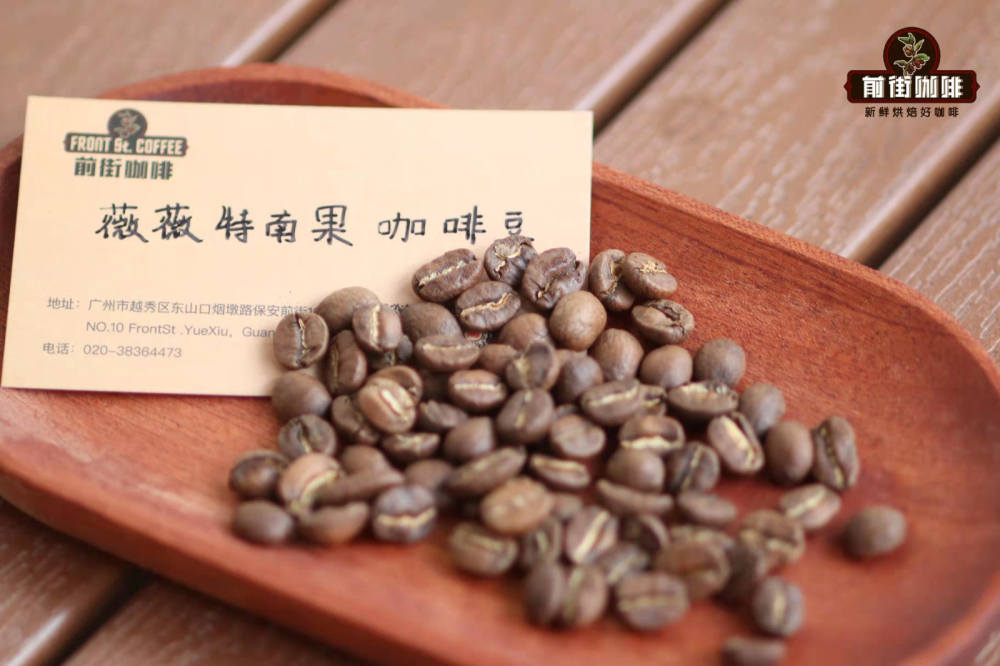
Costa Rica
"Sweet as honey" is Costa Rica's calling card, thanks to its famous honey processing. High altitudes, big day-night temperature swings, and fertile volcanic soils make it a source of strictly hard beans (SHB grade) packed with sweetness. Try FrontStreet's Costa Rica Mozart (raisin honey process), Costa Rica Baha, or Costa Rica Milasou — raisin and blueberry sweetness with osmanthus and rose aromas.
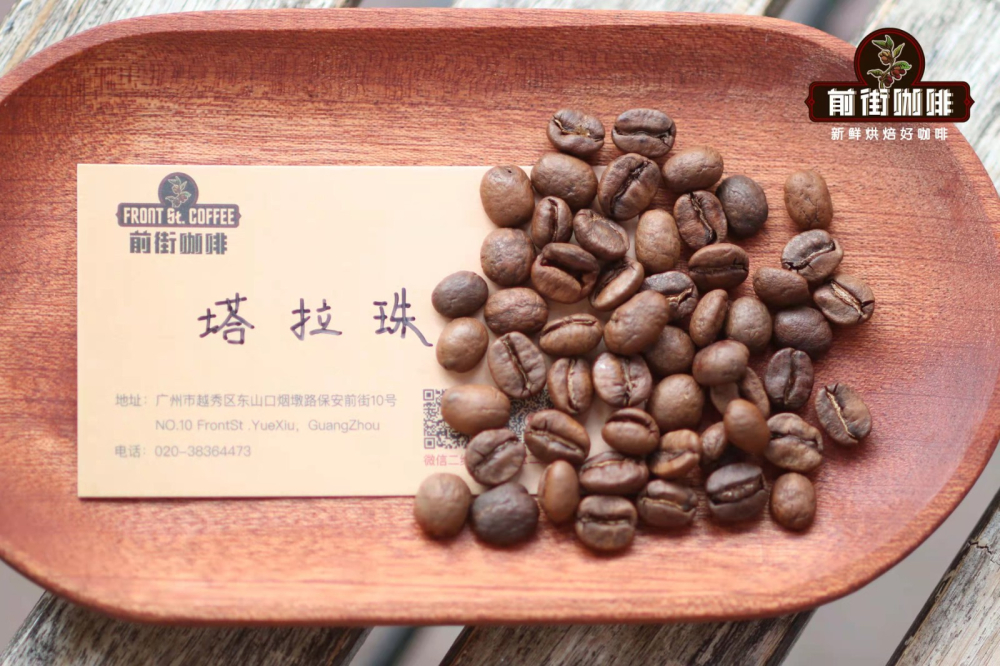
Yunnan Coffee
We can't talk about coffee without mentioning China's own. Yunnan coffee is steadily winning fans with its nutty, brown-sugar, tea-like flavors. China grows coffee in Fujian, Hainan, and Yunnan, but the coastal heat and low altitude of Fujian and Hainan rule out Arabica, so the country's specialty production is concentrated in Yunnan. FrontStreet's Yunnan small-bean coffee is "strong without bitterness, fragrant without harshness" — choose from the washed Yunnan small bean, the natural Catimor, and the 2013 natural Typica grown on FrontStreet's own plantation.
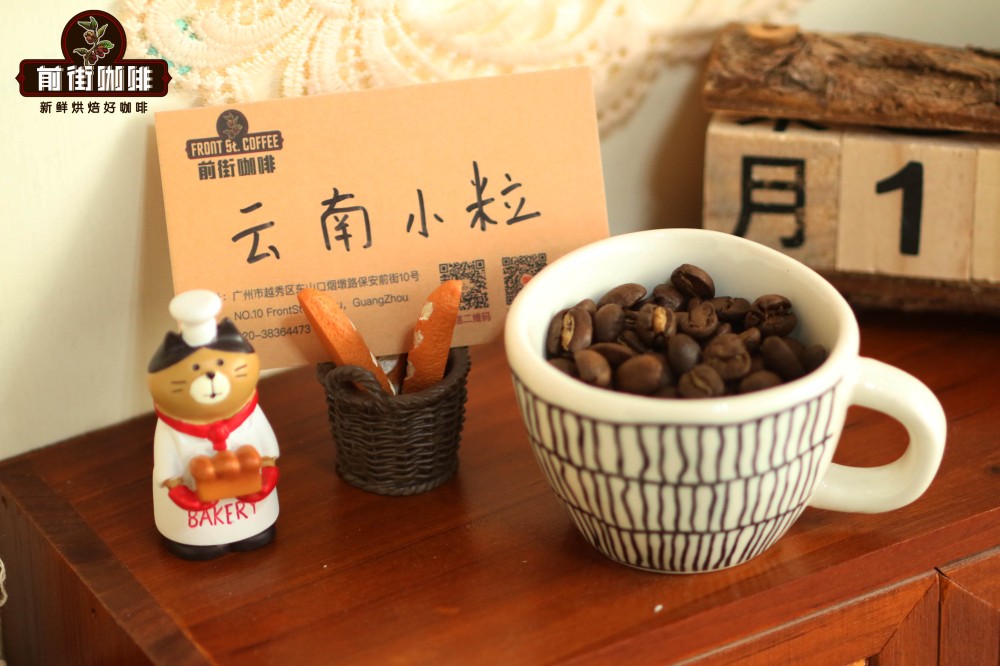
Panama Coffee
Panama means Geisha, and the most renowned of all comes from Hacienda La Esmeralda — a balanced, silky cup of citrus, berries, and florals. But Esmeralda lots can be a stretch for newcomers, so to make Panama Geisha accessible, FrontStreet keeps Boquete Geisha from Panama's most representative specialty region as a daily staple.

The Art of Pour-Over
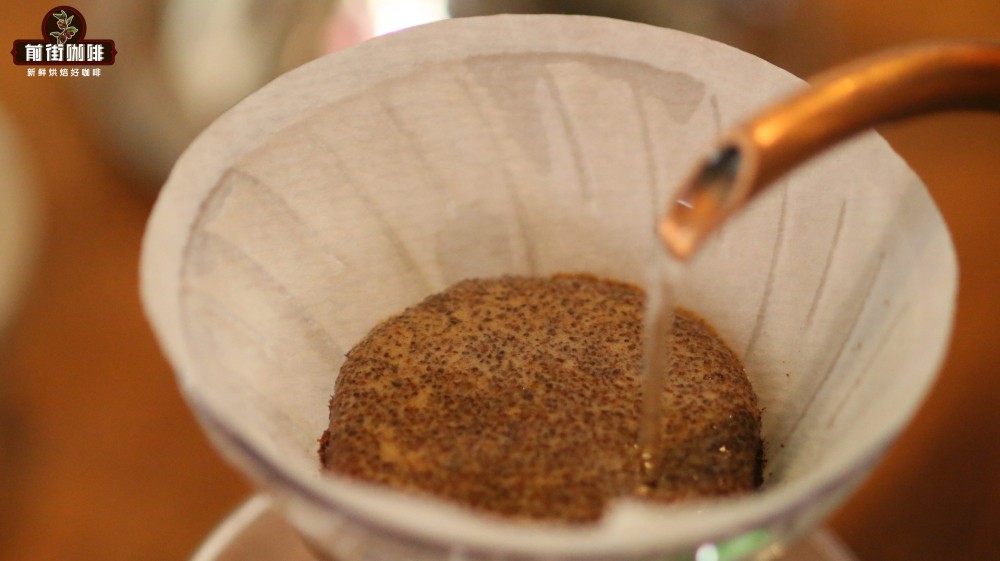
Truly, beans from any region can make a delicious cup — it mostly comes down to technique. Pour-over is a process where the water is controlled entirely by hand, and how you pour shapes the final flavor. A small, slow flow keeps the liquid level in the dripper low, maintains a thicker coffee bed against the walls, extends contact time, raises concentration, and produces a heavier mouthfeel. Pouring speed matters too: faster circles scour the bed harder, tumbling the grounds and increasing extraction. FrontStreet's house method is a three-stage pour.
Freshness is the other pillar. Every bag FrontStreet ships was roasted within 5 days, under the roasting philosophy of "Freshly Roasted Good Coffee." Since degassing takes about 4–7 days, coffee arrives right at its flavor peak.
A note for those who need pre-ground coffee: grounds don't need degassing — during shipping, the pressure of built-up CO2 actually helps round out the flavor, so you can brew immediately on arrival. But ground coffee oxidizes fast once exposed to air and fades quickly, so brew it promptly. Better yet, buy whole beans and grind fresh before each brew.
Which coffee tastes best? Whichever suits you. Try as many origins as you can, explore different coffee cultures, and find the beans that match your own palate.
FrontStreet Coffee Recommendation
No tour of premium beans is complete without the classic that once defined luxury coffee: Jamaica Blue Mountain. Strictly speaking, only coffee grown in the designated Blue Mountain range of eastern Jamaica — peaks reaching 2256 meters, wrapped in year-round cloud — and certified by the Jamaican authorities earns the name. Total annual output is under 2500 tons, and historically Japan bought more than seventy percent of it, which is why genuine Blue Mountain is so scarce.
Its fame rests on perfect balance: no harsh African-style fruit acidity, no heavy dark-roast bitterness, just cream, caramel, chocolate, nuts, and honey in harmony, with a clean, lingering finish. To spot the real thing, look for certification: FrontStreet's Blue Mountain No. 1 comes from Clifton Estate — farming since around 1750 at about 4300 feet (1310.64 m) — with complete origin certificates and the traditional wooden barrels (15, 45, and 70 kg formats) used to ship authentic beans. Look for green, full, slightly upturned green beans too.
For brewing at home, FrontStreet suggests a Kono dripper, 15 g of coffee rested 4–7 days from roast date, a white-sugar-coarse grind, 87–88°C water, and a 1:15 ratio in three pours: 30 g to bloom for 30 seconds, up to 120 g, then up to 225 g. The result is a clean, gentle, chocolate-sweet cup with powerful body and perfect harmony of sweetness, acidity, and bitterness.
Important Notice :
FrontStreet Coffee is a long-established specialty coffee roaster in Guangzhou China, selling freshly roasted beans from its own farm in Yunnan as well as dozens of carefully selected single-origin beans from around the world for both pour-over and espresso. The products deliver consistently excellent quality and great value, with shipping within 24 hours. Guangzhou's FrontStreet Coffee shop is recommended by many coffee lovers, and the beans are now available online at the Tmall 。
FrontStreet Coffee has moved to a new address:
FrontStreet Coffee Address: 315,Donghua East Road,GuangZhou
Tel:020 38364473
 Scan and follow the En Gafei WeChat official account. Please indicate that the reprint comes from "En Gafei".

