The Proper Way to Brew Authentic Mandheling Coffee - Guide to Water Temperature, Grind Size, and Pour-Over Methods

There's an interesting pattern at FrontStreet Coffee: its Mandheling used to be ordered almost exclusively by men, but women have been falling for it too. If you're used to Ethiopian coffee, Mandheling can feel like a challenge at first. But set aside expectations of bright florals and citrus, and sip it slowly—FrontStreet Coffee's Mandheling is nowhere near as bitter or herbaceous as its reputation suggests.
FrontStreet Coffee's Mandheling is a quintessential Asian bean: rich and full-bodied, with herbal depth and hints of pine. The beans are large and hard, which makes them prone to defects during cultivation, so they go through rigorous hand sorting after harvest. Sumatran coffee beans may not win any beauty contests—some say the uglier they look, the richer and smoother they taste. Among FrontStreet Coffee's staples, Mandheling is a perennial favorite, and the single-origin Golden Mandheling is especially sought after by drinkers who love full-bodied, low-acid coffee.
Origin and Characteristics
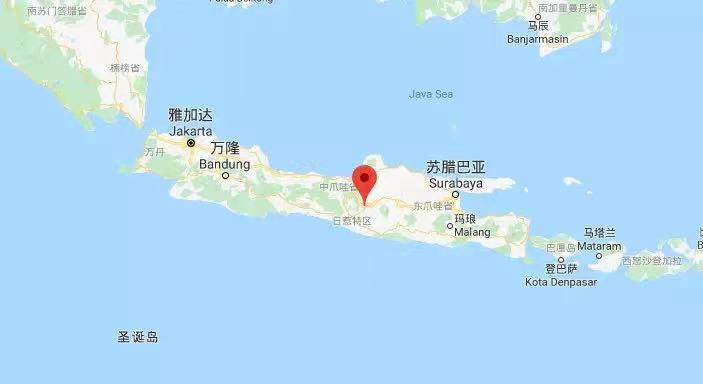
Asia's most celebrated coffee regions are the islands of the Malay Archipelago: Sumatra, Java, and Kalimantan. Among them, Sumatran Mandheling carries the highest reputation—so much so that Mandheling is often simply called "Sumatran coffee." Sumatra shares the fertile volcanic soil common to great coffee regions, rich in minerals that help the fruit develop more nutrients and aroma. Farmers plant at medium elevations, typically 600–1200m. That lower-altitude environment, combined with a tropical rainforest climate, means the coffee fruit matures quickly and struggles to build much acidity—which is why Sumatran coffee leans herbal and spicy instead.
The Varieties Behind FrontStreet Coffee's Mandheling
The variety of FrontStreet Coffee's Lindong Mandheling is listed as Tim Tim Ateng, while the Golden Mandheling is listed simply as Ateng. What are these? FrontStreet Coffee's Golden Mandheling comes from the Gayo mountains of Aceh, in North Sumatra. Ateng is an Arabica–Robusta hybrid widely planted across Sumatra and other Indonesian islands—essentially a branch of the Catimor family, with "Ateng" being the local name (what Indonesians call "Tim Tim" is the Timor hybrid). Ateng is particularly well suited to cultivation and flavor development in the Aceh region.
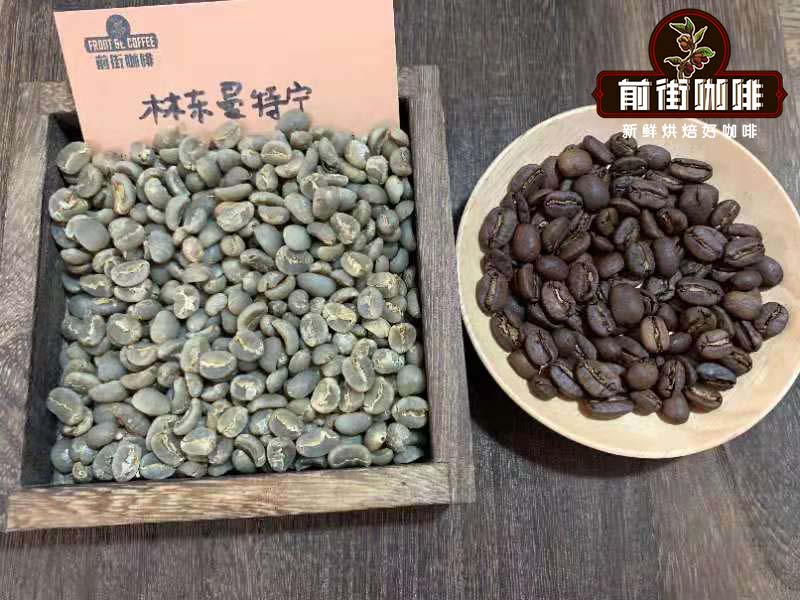
Thanks to Indonesia's localized naming conventions, Mandheling varieties often look unfamiliar on paper—but they're mostly different names for the same plants.
Processing: The Source of Mandheling's Character
Mandheling's unique flavor comes not only from the climate but from its processing. Indonesia's tropical rainforest climate brings frequent rain and little sustained sunshine, making natural (dry) processing impractical, and the modest local economy can't support widespread washed processing. So locals developed a semi-washed method known as wet-hulling—one of the rarest processing methods in the coffee world, which more or less by accident created Mandheling's signature low acidity, thick body, and mellow aromatics.

In practice, growers depulp and briefly wash the cherries, dry them partway, then—while the beans are still half-dry—use machines to strip off the parchment, exposing the green beans directly to the air to speed up drying. Because Indonesia's rainy season overlaps with coffee harvest, this is often the only way to dry beans quickly. The trade-off is that the exposed beans absorb wild yeasts and microorganisms from the air, giving Mandheling its distinctive earthy, herbal "wild" profile that devoted fans can't get enough of.
Brewing Parameters for FrontStreet Coffee's Mandheling
So how do you brew Mandheling to show it at its best? FrontStreet Coffee's roasters chose a dark roast to highlight its nutty, chocolatey character. The darker the roast, the more porous the bean becomes—it absorbs water faster and extracts more easily—so FrontStreet Coffee pairs it with a lower water temperature and a coarser grind to avoid over-extraction and bitter, burnt flavors.

The recipe: KONO dripper, 88°C water, 1:15 coffee-to-water ratio, 15g of coffee, grind calibrated to 70% pass-through on a #20 sieve, brewed in segments. The result is a rich, smooth cup with pronounced herbal character and high sweetness.
The KONO dripper is a deliberate choice. Its signature ribs run only from the bottom to the midpoint of the wall; the upper portion is smooth. When the filter paper adheres to the walls, water can't "sneak" down the sides past the coffee bed, concentrating the extraction and enriching the brew—ideal for medium-dark to dark beans like Mandheling and Golden Mandheling.
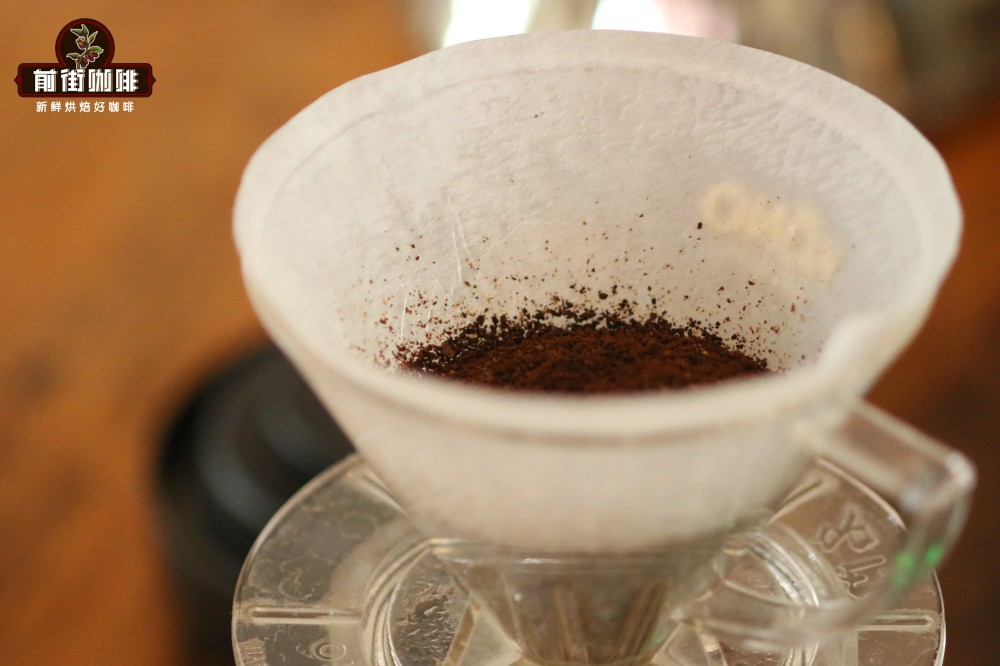
On dose: more isn't better—it depends on the dripper. FrontStreet Coffee uses a 1–2 cup dripper, for which 15–20g is the sensible range; stepping outside it makes brewing harder.
On ratio: FrontStreet Coffee recommends 1:15. Some suggest 1:13 or even stronger, but concentration and richness don't always correlate, and overly strong coffee can be unpleasant. A 1:15 ratio expresses Mandheling's full mouthfeel just fine—adjust slightly lighter if you prefer.
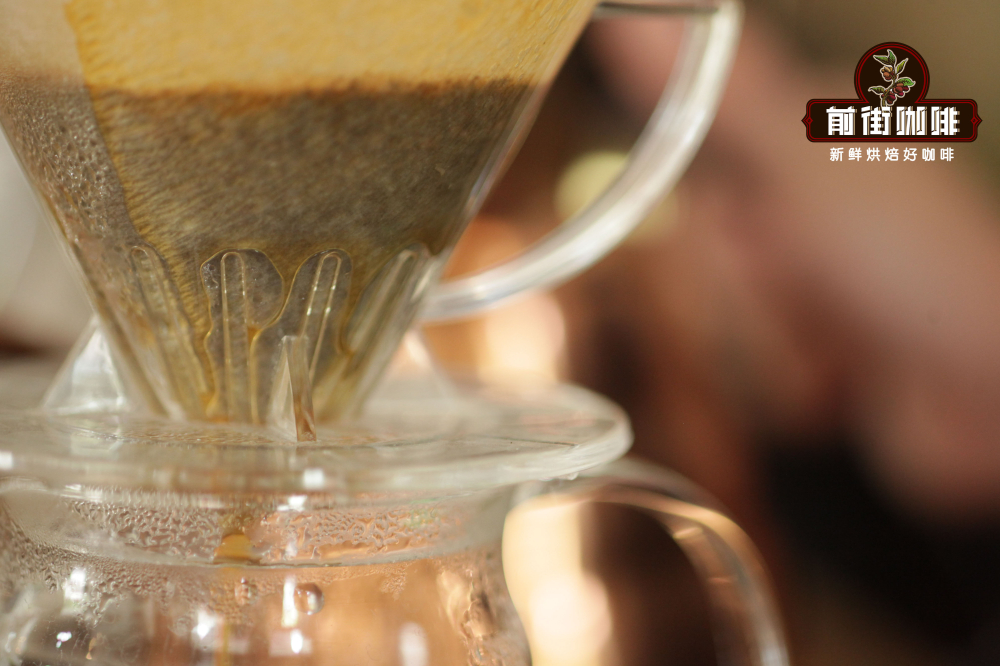
On grind: 70% pass-through on a #20 sieve—slightly coarser than you'd use for a light roast. Dark-roasted Mandheling is porous and releases its compounds easily; ground too fine it turns bitter and ashy, ground too coarse it goes thin and watery.

On water: 88°C, for the same reason—too hot invites bitterness and burnt notes, too cool leaves the cup flat with unpleasant sourness.

FrontStreet Coffee uses a three-pour method, which best expresses Mandheling's rich body and caramel sweetness. First pour: bloom with 30ml of water—twice the coffee weight—to fully wet the bed and let the grounds degas for about 30 seconds; releasing carbon dioxide stabilizes the extraction that follows. Second pour: in a small, steady stream, pour in circles up to 125g, then stop; once the bed is exposed, move to the third pour. Third pour: continue gently to 225g, then stop. Remove the dripper once all the water has drained. Total brew time from first pour to finish: 2'00". Give the carafe a good swirl before pouring and tasting.
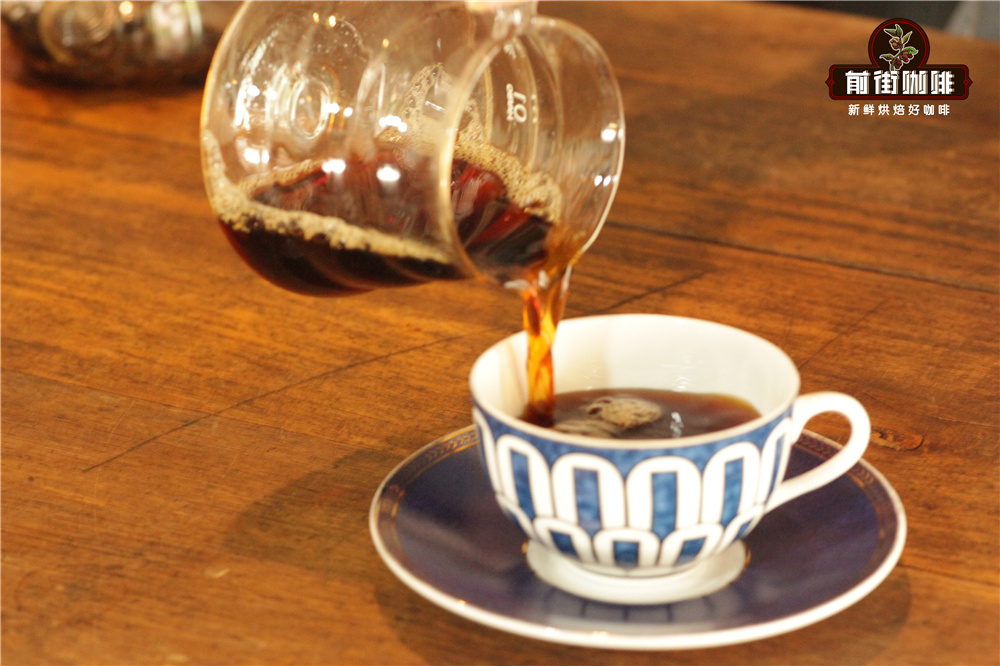
Flavor profile of FrontStreet Coffee's Lindong Mandheling: A rich herbal entrance, notes of dark chocolate and caramel, and a sweet aftertaste.
FrontStreet Coffee's Brewing Notes
Freshness matters above all. Every bag FrontStreet Coffee ships is roasted within 5 days, because freshly roasted beans are the only way to taste a coffee at full strength. Since coffee degasses for roughly 4–7 days after roasting, your beans arrive right at their flavor peak.
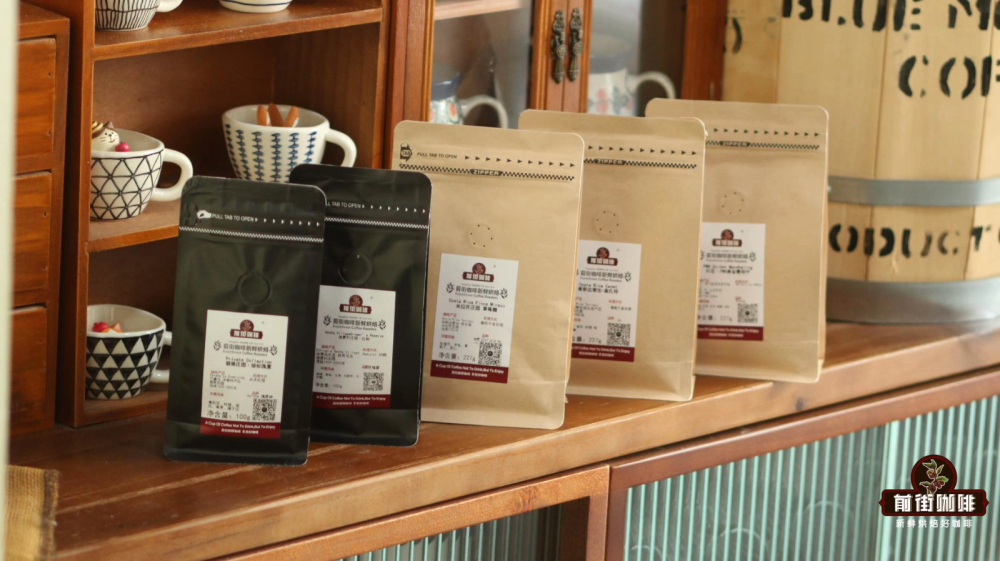
If you'd rather have FrontStreet Coffee grind the beans for you, that's fine too—and no extra degassing is needed, since the CO2 pressure built up in the sealed bag during transit helps round out the flavors, so you can brew immediately on arrival. But do brew pre-ground coffee promptly: ground coffee oxidizes fast, and its flavors dissipate quickly. Whole bean, ground fresh before each brew, remains the best way to taste everything Mandheling has to offer.
FrontStreet Coffee carries both Lindong Mandheling and Golden Mandheling. And if Mandheling isn't your thing, other origins are waiting—Ethiopian Yirgacheffe with its florals and citrus acidity, or Colombian coffee with its nutty, dark chocolate tones and soft fruit acidity.
FrontStreet Coffee Recommendation
Among all Mandhelings, Golden Mandheling is the one that satisfies even the most fastidious drinkers. FrontStreet Coffee's Golden Mandheling comes from the PWN company, which applies uncompromising standards: only beans of 18+ screen size, fewer than 3 defective beans per 300g sample to meet the top G1 grade, followed by three rounds of hand sorting to remove every flaw. The result is exceptional cleanliness and sweetness—a full-bodied cup with low acidity, rich roast aromas, and notes of dark chocolate, caramel, and wild herbs.
If you want Mandheling's bold character in an espresso or latte instead, the FrontStreet Classic Blend layers medium-dark Mandheling over Brazilian cream-and-nut sweetness, adding butter, roasted chestnut, caramel, sandalwood, and spice notes—plus a touch of Robusta for thicker crema. It's the shop's most reordered blend for a reason.
Important Notice :
FrontStreet Coffee is a long-established specialty coffee roaster in Guangzhou China, selling freshly roasted beans from its own farm in Yunnan as well as dozens of carefully selected single-origin beans from around the world for both pour-over and espresso. The products deliver consistently excellent quality and great value, with shipping within 24 hours. Guangzhou's FrontStreet Coffee shop is recommended by many coffee lovers, and the beans are now available online at the Tmall 。
FrontStreet Coffee has moved to a new address:
FrontStreet Coffee Address: 315,Donghua East Road,GuangZhou
Tel:020 38364473
 Scan and follow the En Gafei WeChat official account. Please indicate that the reprint comes from "En Gafei".