
Who is Indonesian Golden Mandheling Pour-Over Coffee Suitable For - Flavor Characteristics and Taste of Mandheling Coffee Beans
The Rise of Floral and Fruity Coffee
Ever since Geisha — with its rich floral and fruity aroma — took the 2004 Best of Panama competition by storm, most specialty coffees have been measured against that fragrant, fruit-forward benchmark, setting off a whole new wave of coffee trends.
Because floral and fruity coffees tend to feel crisp and juicy, they've won enormous popularity over deeply bitter, full-bodied styles. Blue Mountain and Mandheling get mentioned less and less, and some drinkers now see robust, earthy coffees as old-fashioned.
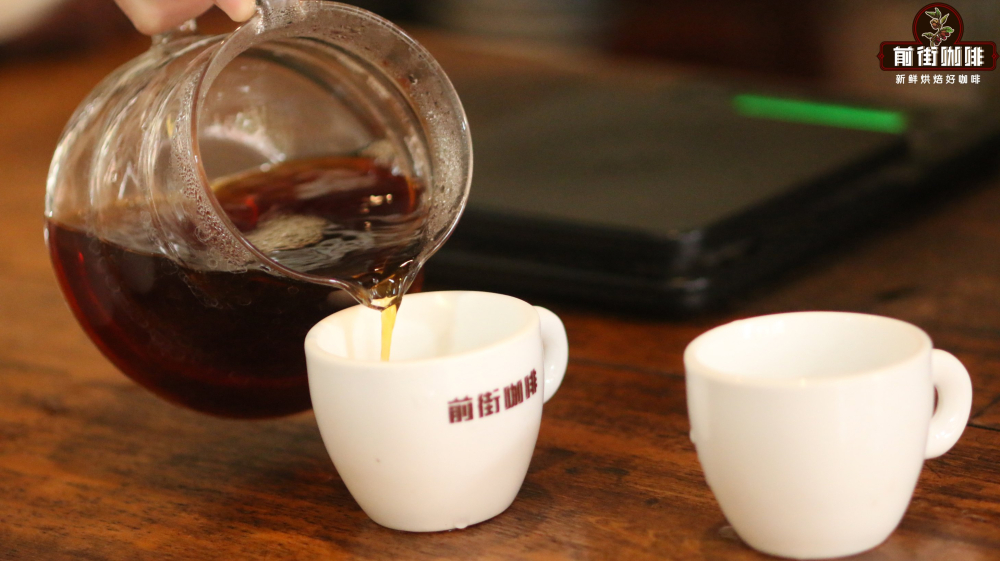
Why Robust Coffees Still Matter
Don't fall for that thinking! Blue Mountain and Mandheling are for everyone, too. Where light-roast, floral coffees feel lively and novel, Mandheling offers the opposite kind of pleasure: low acidity and a full body that feels grounded and comforting. That's exactly why Mandheling has held a permanent spot on cafe menus for decades and earned its place as a classic.
What is Mandheling Coffee?
"Mandheling" refers to Arabica coffee grown on the Indonesian island of Sumatra, with the main varieties being Timtim and Ateng. Timtim is a Timor-derived Arabica with Robusta heritage, while Ateng is Catimor, a cross of Caturra and Timor.
Both varieties carry genes from Arabica and Robusta. The Arabica side contributes better cup quality, while the Robusta side brings stronger resistance to pests and diseases — a real advantage in Indonesia's hot, humid climate.
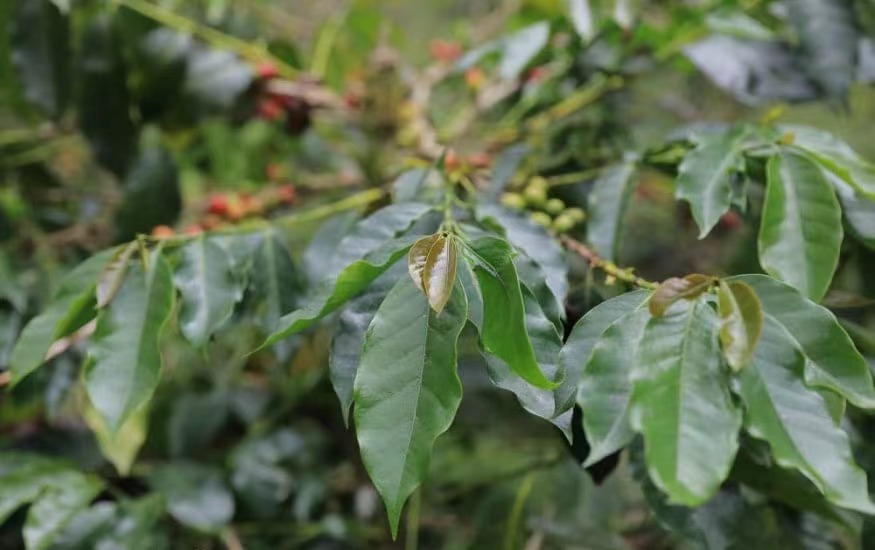
In FrontStreet Coffee's cupping comparisons, every type of Mandheling bean shows rich notes of herbs, spice, and cocoa. Those distinctive regional traits come either from the Robusta genes or from Sumatra's one-of-a-kind processing method.
The Mandheling Processing Method
Indonesia is humid and rainy year-round, so coffee has to be dried in a hurry. Local farmers therefore start with a washed-style fermentation immediately after harvesting the cherries, then feed them straight into a depulper to strip away the fruit flesh and husk.
At that point the beans still hold about 30–40% moisture. Sun drying or mechanical drying then brings them down to roughly 13%. Compared with conventional methods, this approach saves at least 30% of the processing time, letting farmers turn beans into cash quickly and cut costs.
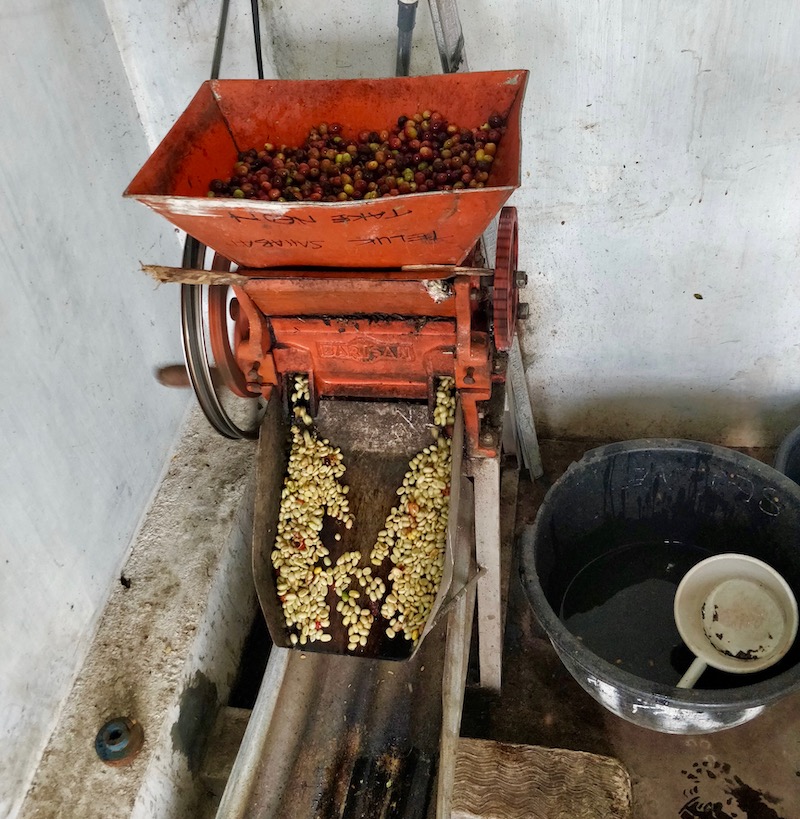
You could call it a cross between semi-washed and semi-natural drying. The industry calls it Wet Hulling, and it's a processing method found only in Indonesia.
Why is Mandheling Called "Mandheling"?
Coffee is traditionally named after region, estate, and process, since specialty coffee buyers care increasingly about provenance. Mandheling breaks all the rules: it's not a region, a place, an estate, or a variety — it's a phonetic corruption of the name of the Mandheling people of Indonesia.
According to the story, during World War II a Japanese visitor drank a coffee of remarkable depth and body at a cafe on Sumatra and asked what bean it was. The language barrier got in the way: the local thought he was asking about their ethnic group (Indonesia has many indigenous peoples) and answered "Mandheling."
After the war ended, the man remembered that cup and shipped 15 tons of Sumatra-grown beans back to Japan, where they became an instant hit with the public. To give the beans a memorable identity, he named them after the Mandheling people.
What is Golden Mandheling?
The local who gave that fateful answer later noticed how much the Japanese loved Mandheling — and how demanding they were about quality. So he founded a company called Pwani Coffee Company (PWN for short), dedicated to selling carefully selected, consistently excellent Mandheling.
The variety itself, combined with Indonesia's unique Wet Hulling (which involves sun-drying the parchment for 2–3 days until moisture reaches 20–24%, then hulling it off), is so fast that Mandheling naturally carries a higher defect rate.
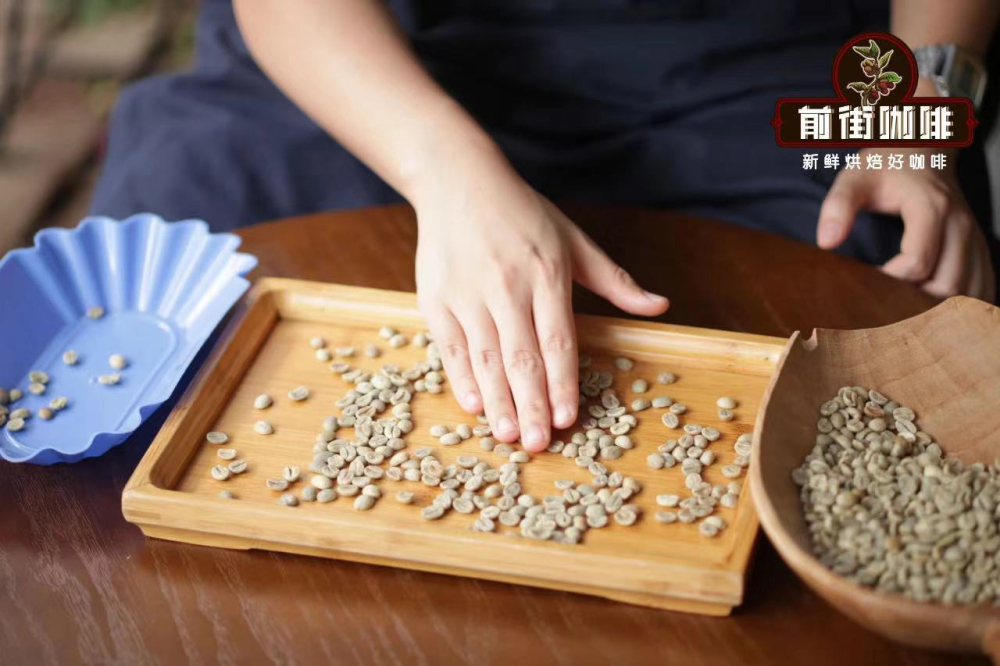
To raise the bar, PWN hand-sorts the coffee from cherry all the way to finished green beans. It costs more, but the quality wins customers over.
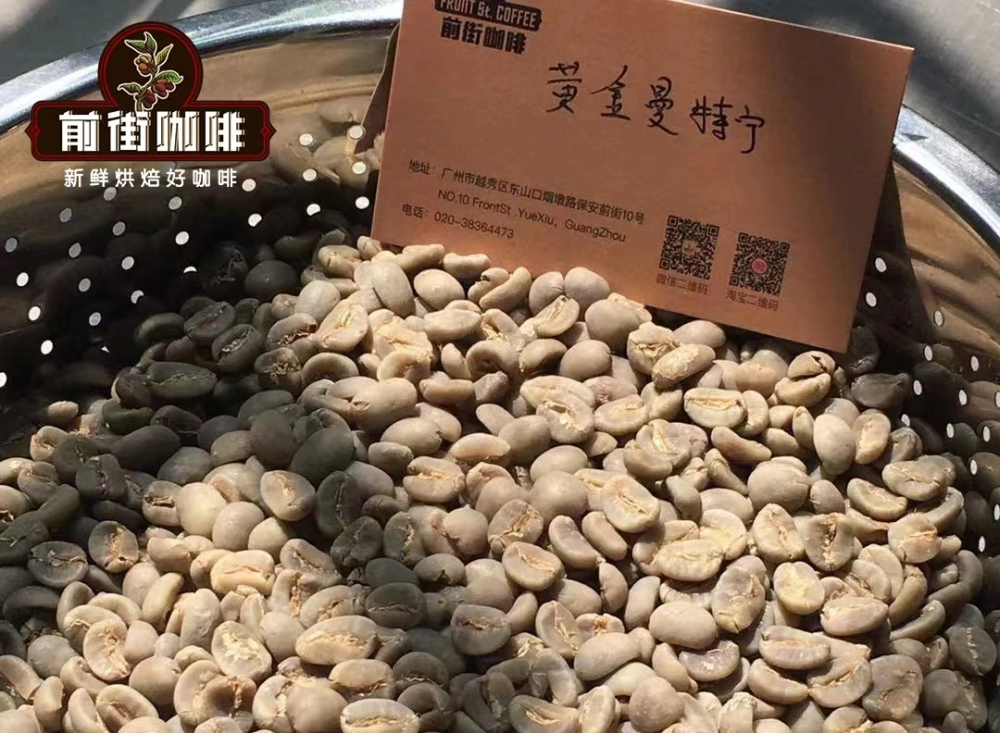
To set these beans apart from ordinary Mandheling, PWN's owner noticed the green beans glinting gold in the sunlight and named them Golden Mandheling, then registered the trademark. In theory, only beans from PWN count as authentic Golden Mandheling; other companies, even sorting to the same standard, can only call theirs specialty Mandheling.
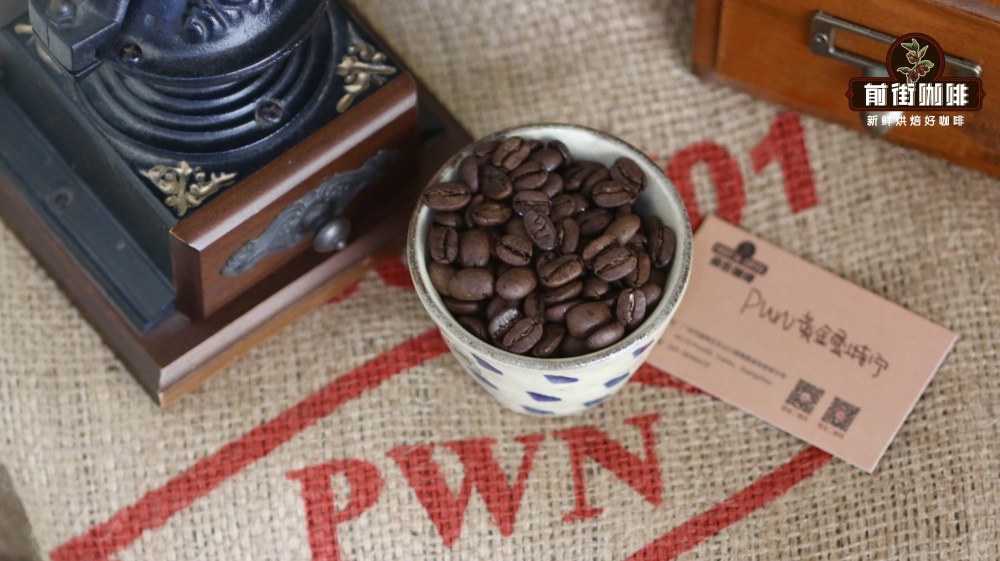
Worried you might have bought fake PWN Golden Mandheling? Just ask the seller for proof. FrontStreet Coffee's stores display it right on the wall: a certificate issued by PWN, and a burlap sack of Golden Mandheling green beans printed with the PWN logo.
How to Brew PWN Golden Mandheling
To showcase Golden Mandheling's signature body, FrontStreet Coffee brews it in a Kono dripper. The Kono's conical design distributes water evenly and drips at a steady rate; the ridges on the lower half of the cone seat tightly against the filter paper, holding back fines and improving airflow. The result is a cup with concentrated flavor and an especially full body.
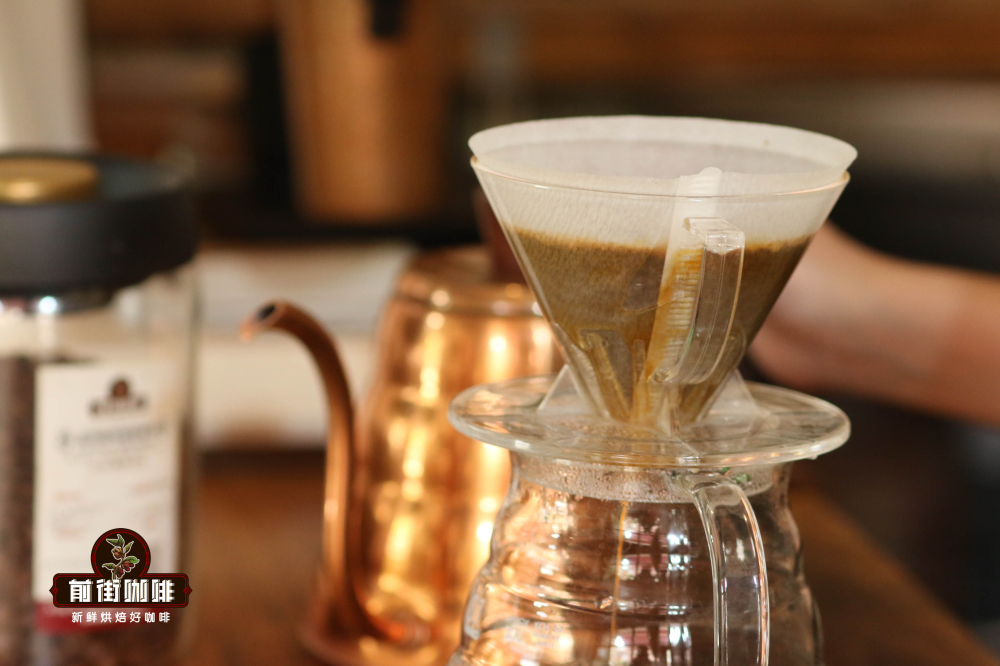
Dripper: KONO
Dose: 15g
Water ratio: 1:15
Grind size: 70% pass through China standard #20 sieve
Water temperature: 88°C
Bloom with 30g of water for 30 seconds, then pour slowly in a small stream up to 125g, pause, then slightly increase the flow and finish the pour at 225g. Total brew time: 2 minutes.
FrontStreet Coffee Recommendation
If you love heavy, low-acid coffee, FrontStreet PWN Golden Mandheling is the gold standard of its kind: built on beans of 18 screen size and above, with fewer than 3 defects per 300g of green coffee to meet the top G1 grade, then triple hand-sorted for exceptional cleanliness and sweetness. Expect spice, caramel, cedarwood, and dark chocolate over a thick, syrupy body.
For a wilder, more rustic take, try the FrontStreet Lintong Mandheling from the traditional Lake Toba region — clove and woody aromas, gentle acidity, a cool minty spice note, and a long, powerfully sweet finish, all born of Sumatra's wet-hulled character.
Important Notice :
FrontStreet Coffee is a long-established specialty coffee roaster in Guangzhou China, selling freshly roasted beans from its own farm in Yunnan as well as dozens of carefully selected single-origin beans from around the world for both pour-over and espresso. The products deliver consistently excellent quality and great value, with shipping within 24 hours. Guangzhou's FrontStreet Coffee shop is recommended by many coffee lovers, and the beans are now available online at the Tmall 。
FrontStreet Coffee has moved to a new address:
FrontStreet Coffee Address: 315,Donghua East Road,GuangZhou
Tel:020 38364473
 Scan and follow the En Gafei WeChat official account. Please indicate that the reprint comes from "En Gafei".

