Roasting Recommendations for Rich Fruity Acidity in Kenya's Premium Coffee Growing Regions
Roasting Recommendations for Rich Fruity Acidity in Kenya's Premium Coffee Regions
Kenyan coffee, with its layered flavors and generous fruit aromatics, delivers a full-bodied cup built on sweetness and vibrant acidity. Blessed with high altitude, abundant rainfall, fertile soil, and varied microclimates, the country supports many coffee varieties and some of the finest growing regions anywhere.
Kenya's main growing regions include Nyeri, Kirinyaga, Ruiru, Thika, Kiambu, Muranga, and Kenya West. Of these, Nyeri is the region most commonly found on the market. With elevations from 1,200 to 2,300 meters and nutrient-rich volcanic red soil, Nyeri turns out exceptional beans in large volumes—the intensely fruit-acidic profile most drinkers associate with Kenya. The other regions consist mainly of smallholder farms at elevations between 1,300 and 2,200 meters. These growers use their environmental advantages to select beans of outstanding quality and distinctive character, then send them to processing factories (washed mills) for handling. As a result, many coffee enthusiasts judge a Kenyan lot by the rigorous quality control of the factory that processed it.
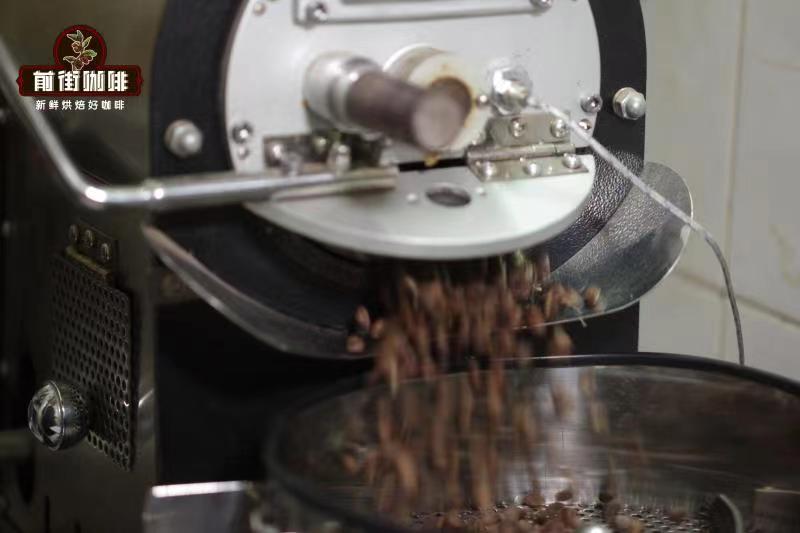
Kenyan beans are plump and rounded. At FrontStreet Coffee, we roast them lightly to let their bright, mellow acidity speak for itself.
FrontStreet Coffee Recommendation
Roast level is one of the three levers—alongside acidity and bitterness—that shape a coffee's final flavor. The deeper the roast, the more bitter and heavy the cup; the lighter, the more acidic and delicate. If you want a cup in balance, medium-roast beans are the best place to start:
FrontStreet Fazenda Rainha (Queen Estate), Brazil. If you dislike both sourness and bitterness, this yellow Bourbon from the world's largest coffee-producing country is the answer. Medium roasted, it shows creamed peanut, chocolate, toast, and sugarcane sweetness, and works equally well as pour-over, moka pot, or espresso.
FrontStreet Strawberry Candy Geisha Blend. For a sweeter medium roast, go for the fruit-forward Strawberry Candy: a blend of Costa Rican honey-processed coffee and Panamanian washed Geisha. Roasted medium to spotlight the best of both components, it pours with orange-blossom honeyed tones and rounded sweetness, and suits cold brew, pour-over, and espresso alike.
FrontStreet 2013 Natural Typica, Yunnan. A representative of Chinese specialty coffee with the authentic Yunnan arabica character. Medium roasting preserves its balanced, gentle profile—nuts, brown sugar, black tea, dried apricot—and it performs well in pour-over, cold brew, or drip machines at a very friendly price.
FrontStreet Jamaica Blue Mountain No. 1. Grown from Typica, Jamaica's Blue Mountain coffee is one of the world's celebrated arabicas, and its uniquely favored geography is essential to its balance. Roasted medium, the "emperor of coffees" fuses acidity, bitterness, sweetness, and body into one elegant whole—chocolate, roasted nuts, cream, and caramel on the palate, a combination no other coffee quite matches.
Important Notice :
FrontStreet Coffee is a long-established specialty coffee roaster in Guangzhou China, selling freshly roasted beans from its own farm in Yunnan as well as dozens of carefully selected single-origin beans from around the world for both pour-over and espresso. The products deliver consistently excellent quality and great value, with shipping within 24 hours. Guangzhou's FrontStreet Coffee shop is recommended by many coffee lovers, and the beans are now available online at the Tmall 。
FrontStreet Coffee has moved to a new address:
FrontStreet Coffee Address: 315,Donghua East Road,GuangZhou
Tel:020 38364473
 Scan and follow the En Gafei WeChat official account. Please indicate that the reprint comes from "En Gafei".