Flavor Profile and Characteristics of Yunnan Baoshan Coffee Beans - An Introduction to Yunnan Typica Coffee
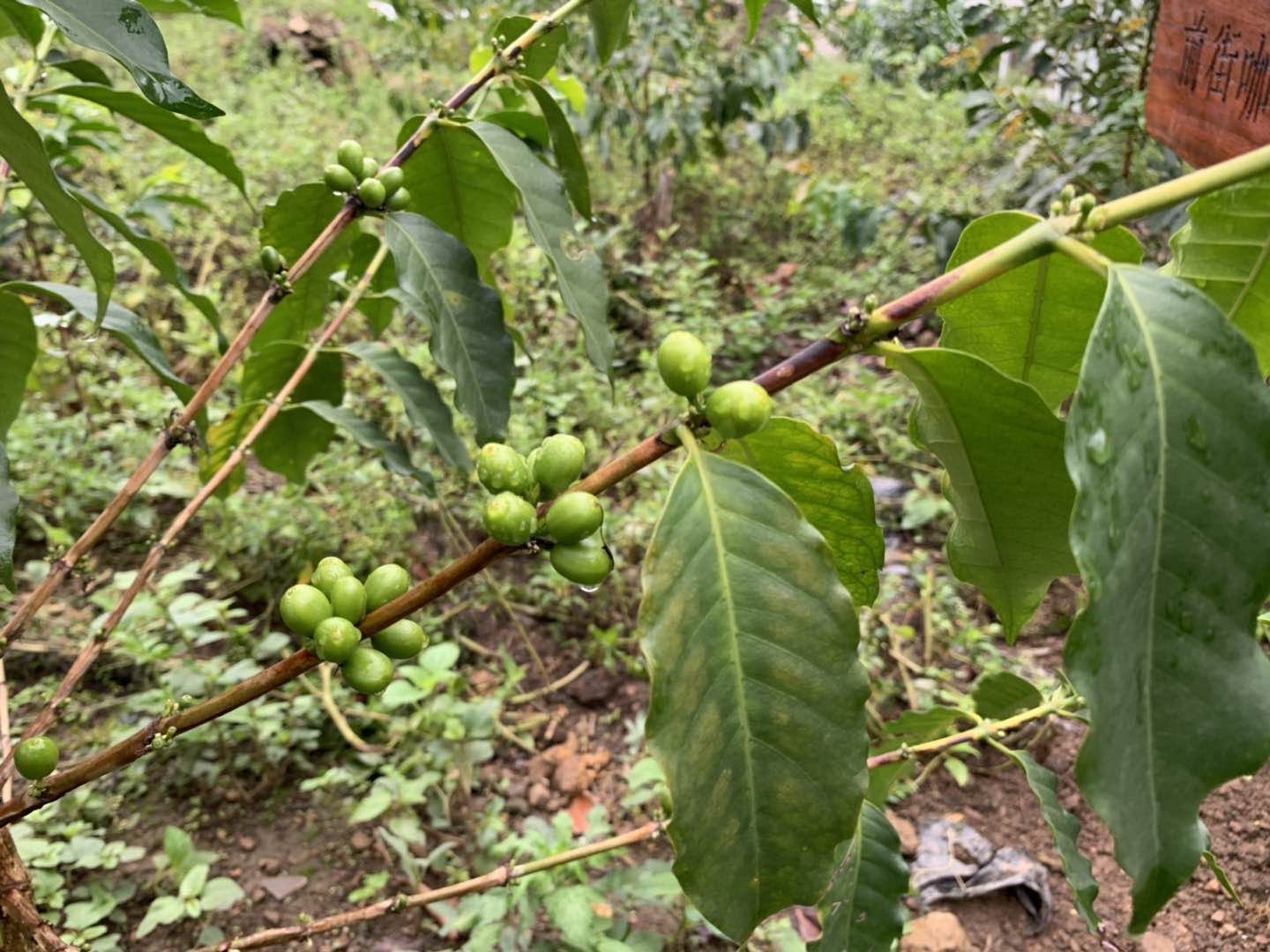
When researching Yunnan coffee, the term you encounter most often is "small bean coffee," and early Yunnan small bean coffee gained fame through Typica, one of the oldest native varieties. Today FrontStreet Coffee discusses the character of Typica beans grown in Yunnan.
How Did Typica Coffee Arrive in the Yunnan Region?
The story of Yunnan coffee goes back to 1904, when a French missionary brought coffee seeds from abroad into Yunnan and successfully planted the first batch of coffee trees in a place called Zhukula. Before the 1980s, the two ancient small bean varieties widely planted in Yunnan were Typica and Bourbon. "Small bean" refers to smaller-sized Arabica varieties, as opposed to the medium-bean Robusta coffee of Hainan.
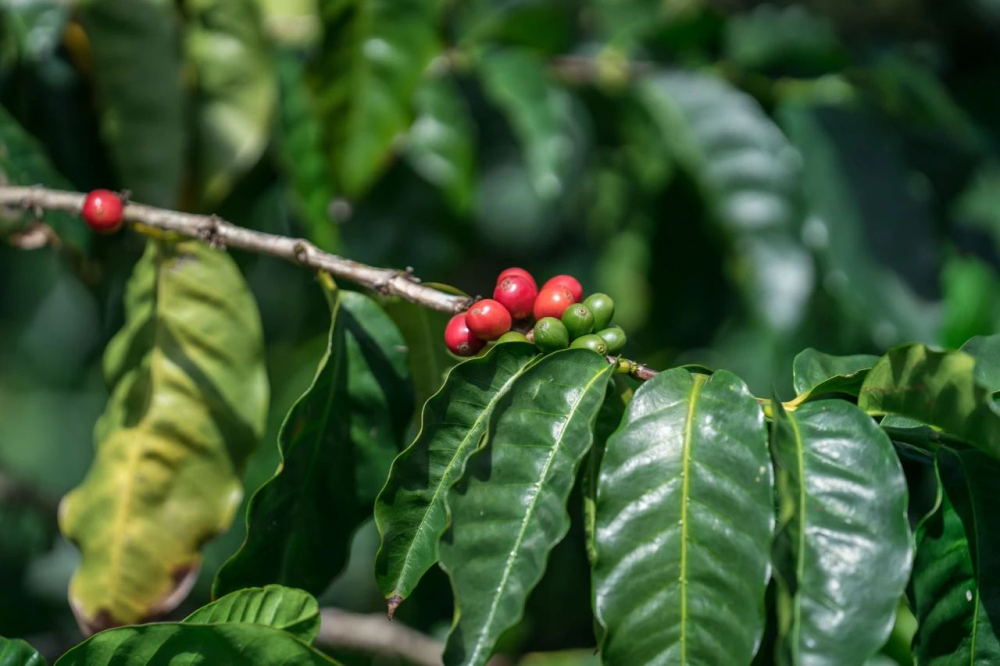
Typica offers rich and diverse flavors, presenting various fruit acids and delicate textures. It is recognized as a premium variety, and the renowned Blue Mountain coffee and Hawaiian Kona coffee both belong to the Typica family. In appearance, Typica trees are tall with excellent cold resistance, but they have low yield per plant and poor disease resistance, making them highly susceptible to leaf rust, coffee berry disease, and nematodes. They therefore require more human management, and because the variety has no significant price advantage in the market, many Yunnan farmers have replaced Typica with higher-yielding varieties.
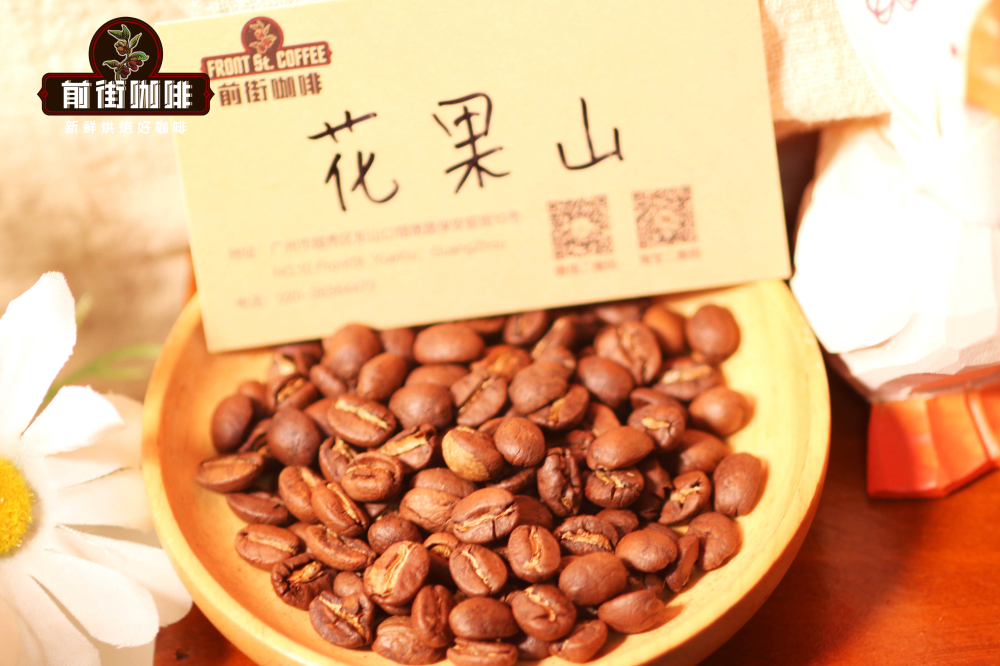
Although Catimor varieties now dominate in Yunnan, some growers still insist on planting the ancient, high-quality Typica variety in pursuit of better flavor. Two Yunnan coffees on FrontStreet Coffee's bean list are both Typica: one is Huaguoshan Coffee from Baoshan, and the other is FrontStreet Coffee 2013.
Typica Coffee from Baoshan, Yunnan
Baoshan is one of Yunnan's earliest coffee-producing regions. Lujiangba boasts the largest coffee plantation base in the country, while Xinzhai Village, known as "China's No. 1 Coffee Village," has coffee trees on every household's hillside, beans drying in every courtyard, and coffee aroma in every house. Under the local year-round frost-free warm climate, coffee trees thrive in a nourishing, comfortable environment. Fertile soil combined with appropriate rainfall provides sufficient irrigation, and the excellent mountain and water environment gives the beans here less pulp and a clean, sweet taste.

Each year from November to March of the following year is the concentrated harvest season, when cherries ripen and turn red in succession across the mountains. Busy farmers appear here and there on the slopes, harvesting the fruit. Most Yunnan farmers face harsh conditions and lack expensive processing equipment, so the vast majority of Yunnan beans use natural processing methods, namely washed and natural. Yunnan has abundant freshwater resources and easily hits the rainy season during harvest, making it more suitable for washed processing. Washing is also currently the most common green bean processing method in Yunnan.
FrontStreet Coffee's Baoshan Huaguoshan Coffee uses washed processing. Before drying, the pulp is thoroughly removed through peeling, soaking, and fermentation. The flavor shows the subtle aroma inherent in Typica beans, with a round, smooth texture and rich fruit notes. FrontStreet Coffee believes washed beans have better cleanliness and can express the basic flavor profile of the producing region, which is also a processing method FrontStreet Coffee particularly appreciates.
Typica Coffee from Lincang, Yunnan
To explore more coffee knowledge, FrontStreet Coffee traveled to Lincang, Yunnan in 2013 to begin its chapter of coffee cultivation. From site selection, variety selection, seedling cultivation, planting, harvesting, and processing to roasting, everything was handled by FrontStreet Coffee's colleagues, from which they accumulated considerable experience and knowledge related to varieties, altitude, and processing methods.
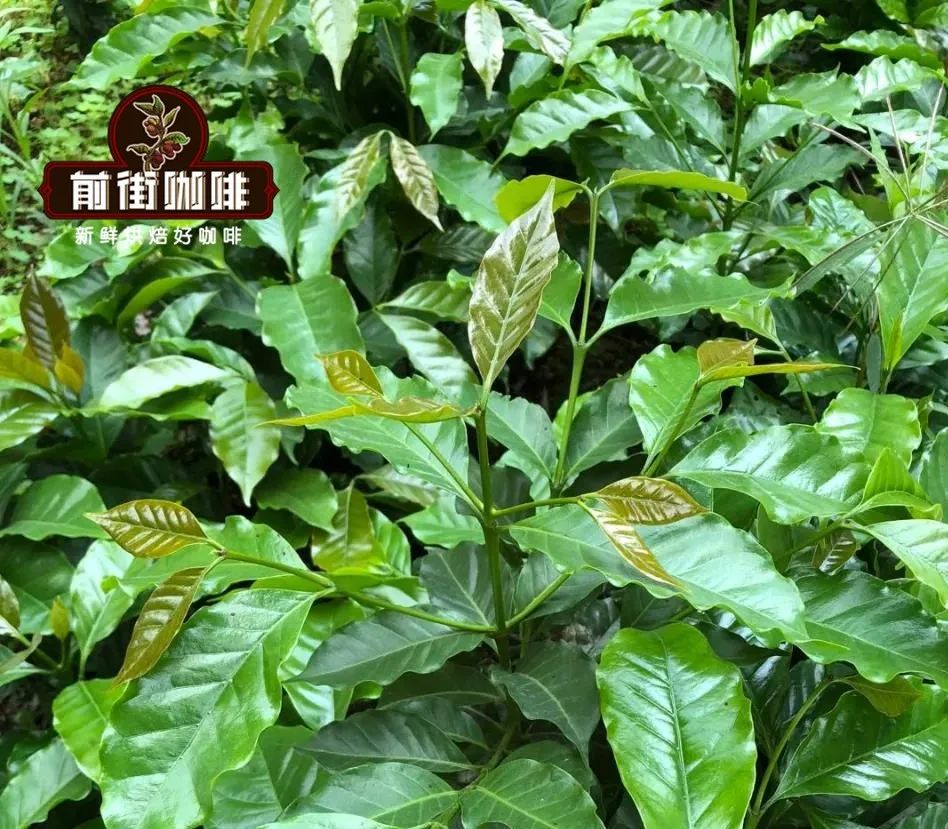
Originally the coffee varieties planted within Yunnan were the ancient Typica and Bourbon. Later, Yunnan coffee suffered from global leaf rust disease, causing large-scale death of coffee trees and a significant reduction in planting area. With the support of various foreign companies, the high-yield, disease-resistant Catimor variety was introduced. This established Catimor's position in replacing the ancient Typica trees and made it the main variety of Yunnan coffee today. Because of Typica's low yield and disease susceptibility, plus high management costs that require growers to spend more time exploring, most Yunnan farmers are unwilling to plant it.
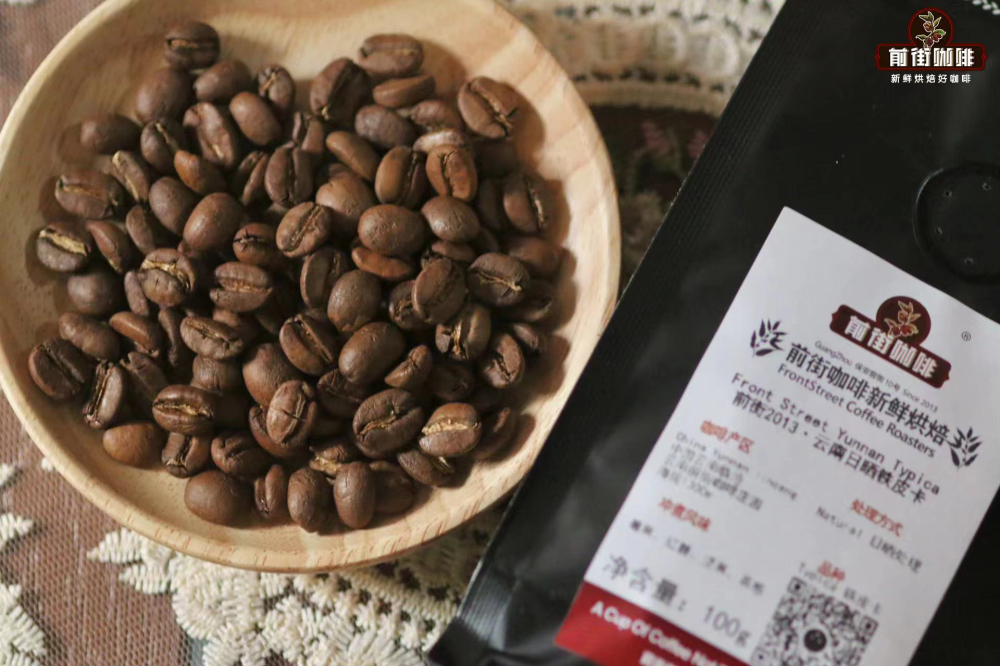
Yunnan's Lincang is influenced by the warm, humid Indian Ocean airflow and the southwest monsoon. It has no obvious four-season distinction but a clear separation between dry and rainy seasons, with abundant rainfall, long sunshine hours, and short frost periods, and some areas are frost-free year-round. This distinct three-dimensional climate is very suitable for Arabica coffee, so FrontStreet Coffee specifically chose the most primitive Typica. However, the delicate Typica is also notorious for low yield and poor resistance, so FrontStreet Coffee put considerable effort into cultivation and management. After 5-6 years of cultivation, FrontStreet Coffee finally harvested the first batch in 2020 and produced it using natural sun-drying, also naming it "FrontStreet Coffee 2013."
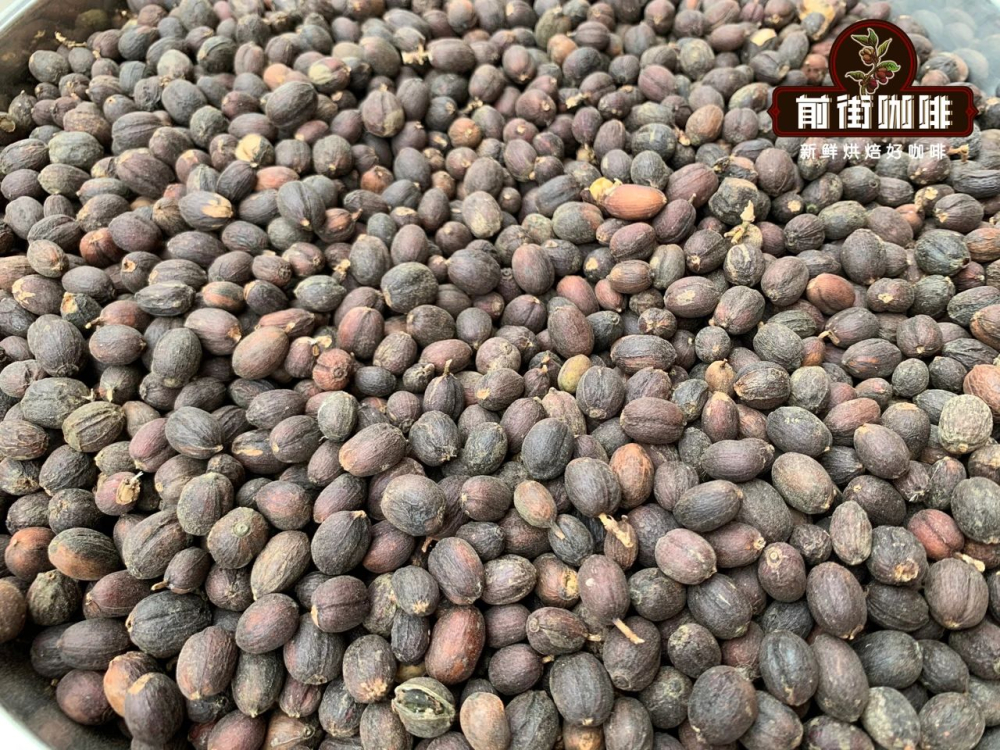
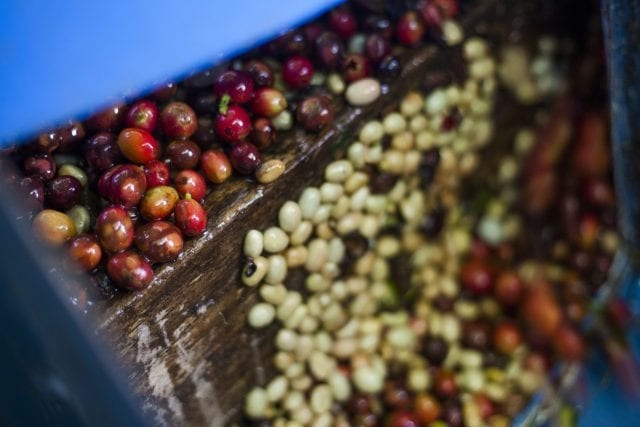
After harvesting, FrontStreet Coffee's Typica cherries immediately undergo natural processing to preserve freshness. FrontStreet Coffee first conducts selection, with flotation being one of the commonly used methods. The selected cherries are then sun-dried, with personnel arranged to turn them regularly to avoid uneven heating that could lead to over-fermentation. When the cherries dehydrate from bright red to dark purple and reach the target moisture content, they can be sent for hulling and roasting. Natural-processed Typica presents fuller fermentation flavors than washed processing, with prominent sweetness and aromas of caramel, berries, and black tea.
Flavor Characteristics of Yunnan Typica Coffee
In roasting, FrontStreet Coffee believes Yunnan coffee should have both a rich coffee aroma and some acidity, so FrontStreet Coffee uses a medium roast level. For daily store production, FrontStreet Coffee uses pour-over extraction, hoping to present the coffee's natural aroma for everyone to taste. Pour-over black coffee is not only the daily extraction method used by FrontStreet Coffee's baristas but also a simple method many enthusiasts can perform at home.
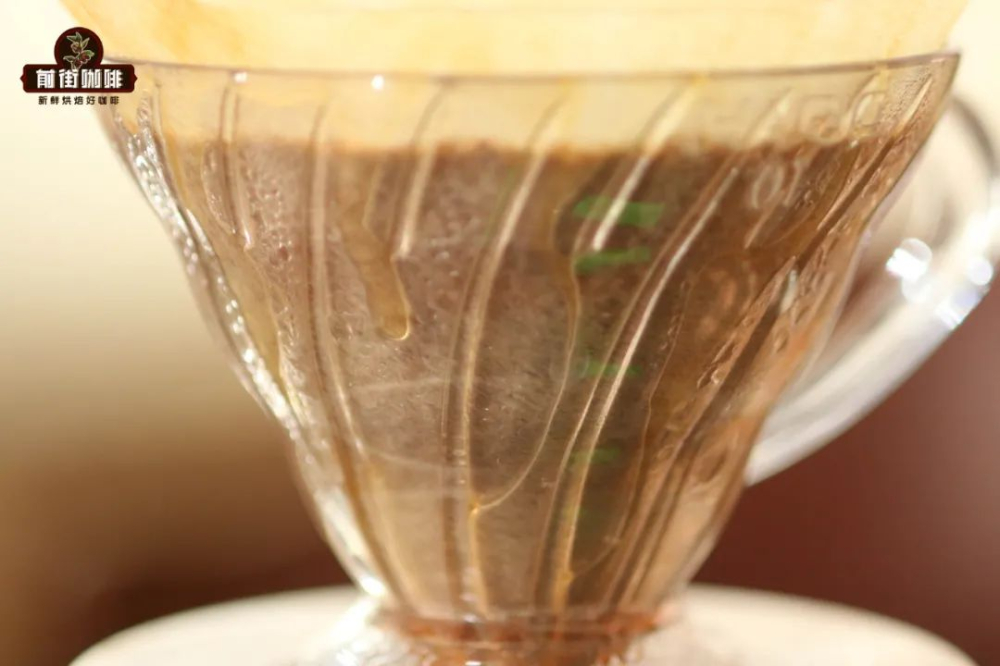
Considering that Yunnan Typica tends toward a balanced taste, meaning it should not have excessive acidity or heavy bitterness, FrontStreet Coffee prefers a V60 dripper with a medium-fine grind and medium water temperature to highlight the neutral, balanced texture of the beans.
Is Yunnan Typica Suitable for Espresso Coffee?
To present the balanced character of Yunnan coffee, FrontStreet Coffee presents this self-produced natural Typica with a medium roast, so after grinding it carries aromas of brown sugar, chocolate, cream, and nut cookies, with balanced acidity, bitterness, and sweetness. Besides pour-over, it is also suitable for extraction with a moka pot and espresso machine. Below, FrontStreet Coffee demonstrates how to make delicious Yunnan SOE using the store's equipment.

FrontStreet Coffee's store machine is a commercial single-group "Lelit Bianca," which can adjust extraction by changing pressure, with a maximum pressure of 11 bar. Home machines need only reach 9 bar to satisfy extraction and milk-frothing functions, paired with an espresso grinder.

FrontStreet Coffee uses a double basket capacity with a dose of approximately 18-20 grams, using 20 grams of coffee for production. Typically the ratio of grounds to espresso liquid is between 1:1.5 and 1:2.5. FrontStreet Coffee's extraction ratio is 1:2, meaning 20 grams of grounds to extract 40 grams of espresso liquid. Time is related to the flow rate of the grounds. Generally a single extraction is controlled within 20-35 seconds, since coffee extracted within 20 seconds usually tastes thin while extraction over 35 seconds easily becomes over-extracted with burnt bitterness. FrontStreet Coffee's espresso mostly falls within the 28-30 second range.

FrontStreet Coffee first wipes the basket dry, turns on the grinder to grind a double dose, and places it on an electronic scale to adjust to exactly 20 grams. Tools are then used to distribute the grounds evenly before tamping the puck firmly to ensure more stable extraction. Next, turn on the extraction switch to run water, wetting the group head while washing away any grounds stuck above it. Gently lock the portafilter into the group head and begin extraction. When the scale shows 40 grams of espresso extracted, at around 30 seconds, the extraction switch can be turned off. Pour the espresso into a cup to enjoy.

The taste and texture of espresso are related to the beans used. Today's espresso, made with FrontStreet Coffee's Yunnan natural Typica, has moderate crema with initial notes of chocolate and cocoa sweetness and a gentle acidity, creating an overall balanced taste.

To better experience the charm of this espresso, FrontStreet Coffee adds a certain proportion of hot water to make an Americano. Following a 1:4 ratio, 160ml of warm hot water is added to the espresso. The taste reveals plum, dried apricot, chocolate, and nut flavors with a black tea aftertaste, very pleasant to drink.
FrontStreet Coffee Recommendation
Alongside Yunnan Typica, another Typica-family classic worth enjoying is FrontStreet Coffee Jamaica Blue Mountain No.1, the highest-grade Blue Mountain lot. It comes from the historic Clifton Estate, which began growing and processing coffee as early as the mid-18th century (around 1750). Its planting and processing area sits at an average of 4,300 feet (1,310.64 meters); that altitude, the gentle afternoon cloud that shades the hills, ample sunshine, and mineral-rich soil give the coffee its delicate, balanced character.
FrontStreet's Blue Mountain coffees are freshly roasted within 5 days and use a medium-dark roast that fully expresses the classic balance of Jamaica Blue Mountain: cream, caramel, chocolate, nut, and honey notes unfolding layer by layer, with acidity, sweetness, bitterness, and aroma in harmony and a clean, long finish. Brew it with the KONO dripper to draw out the full body: 15g per serving, rested 4-7 days from the roast date (counted as day one), a grind a touch coarser than a light-roast bean (about granulated sugar), and 87-88°C water. A 1:15 ratio shows the coffee best; lower ratios such as 1:13 can avoid tail-end bitterness but shorten the finish. Pour in three stages: 30g for a 30-second bloom, then to 120g with a slow vertical circling pour, then to 225g with a slightly faster flow and circling to keep the bed from clogging and over-extracting.
Important Notice :
FrontStreet Coffee is a long-established specialty coffee roaster in Guangzhou China, selling freshly roasted beans from its own farm in Yunnan as well as dozens of carefully selected single-origin beans from around the world for both pour-over and espresso. The products deliver consistently excellent quality and great value, with shipping within 24 hours. Guangzhou's FrontStreet Coffee shop is recommended by many coffee lovers, and the beans are now available online at the Tmall 。
FrontStreet Coffee has moved to a new address:
FrontStreet Coffee Address: 315,Donghua East Road,GuangZhou
Tel:020 38364473
 Scan and follow the En Gafei WeChat official account. Please indicate that the reprint comes from "En Gafei".