Dirty Coffee Layering Technique Tutorial: The Correct Way to Make and Drink Dirty Latte
What is Dirty Coffee?
Dirty coffee is exactly what it sounds like: fill a glass with cold milk, place it under the espresso group head, and let the espresso drift slowly down. The coffee floats on top of the milk, forming beautiful layers. Over time, the dark coffee gradually seeps into the white milk below — creating that "dirty" look.
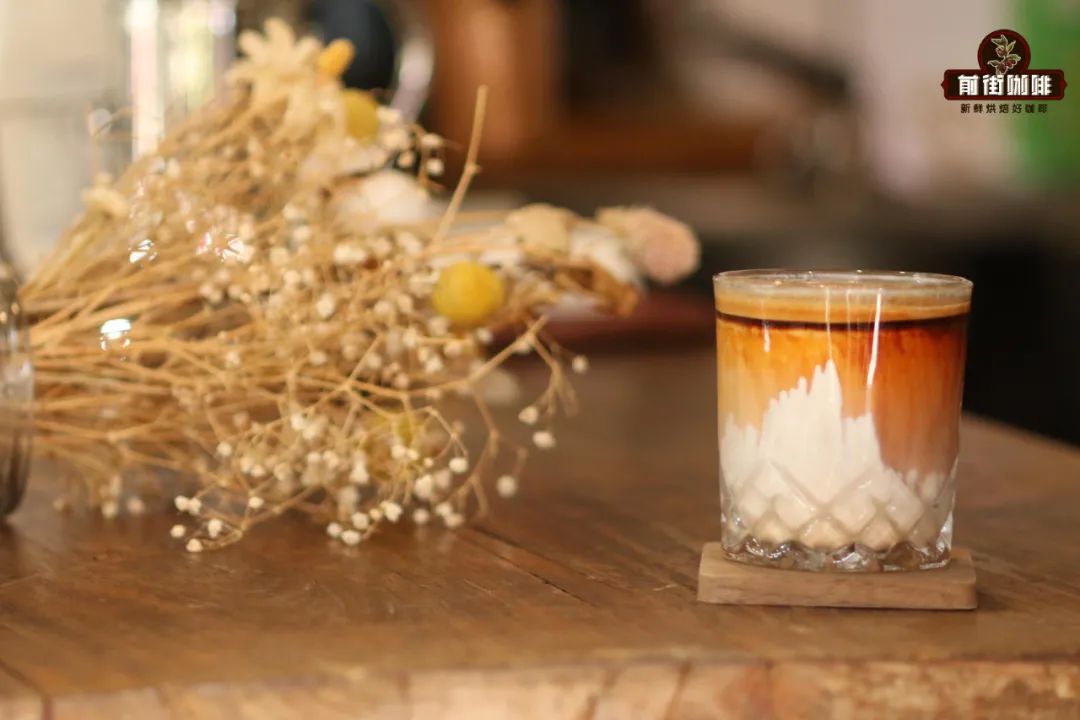
From how other people describe it, Dirty coffee seems like something anyone with hands could make. Yet in practice the same questions keep coming up: "Why doesn't mine have layers?" "My coffee layer sank to the bottom!" "It just turned into milk-tea-colored mush."

What's the Difference Between Dirty and an Iced Latte?
Dirty coffee and iced latte look similar — both are layered right after being made — but the drinking experience is completely different. An iced latte typically contains ice and more milk, and gets stirred before drinking. Dirty coffee comes in a smaller cup and is meant to be drunk while still layered: first sip, rich coffee flavor; second sip, the aroma where coffee and milk meet; third sip, pure milky fragrance. It's an immersive, top-to-bottom experience.
How to Make a Dirty Coffee with Clean Layers
The basic method is no secret at this point, so FrontStreet Coffee will skip the fundamentals and share the details we actually focus on. If you reduce it to a formula, it's this: extreme cold against extreme heat, matched concentrations on both sides, and minimal impact force.

Dirty coffee is served without ice, so the low temperature has to come from somewhere else — the cup and the milk. FrontStreet Coffee keeps the cups and milk for Dirty coffee in the refrigerator and takes them out only when needed. That chill keeps the drink stable, so it doesn't arrive at the customer already at room temperature.

Next, both the milk and the coffee need high — and similar — concentrations. When two solutions of similar density meet, they permeate each other slowly, producing stable layers. If the bottom layer is much thinner than the top, the coffee sinks through quickly. If the bottom is much denser than the top, the layers lock together too firmly — think of the "iced blog" style Dirty where nothing moves at all.
In other words: if the milk is too thin, it can't support the coffee and lets it sink, killing the layering. If the milk is too viscous, the coffee can't penetrate, giving you rigid layers with no "dirty" effect. That's assuming the espresso itself is in normal condition.
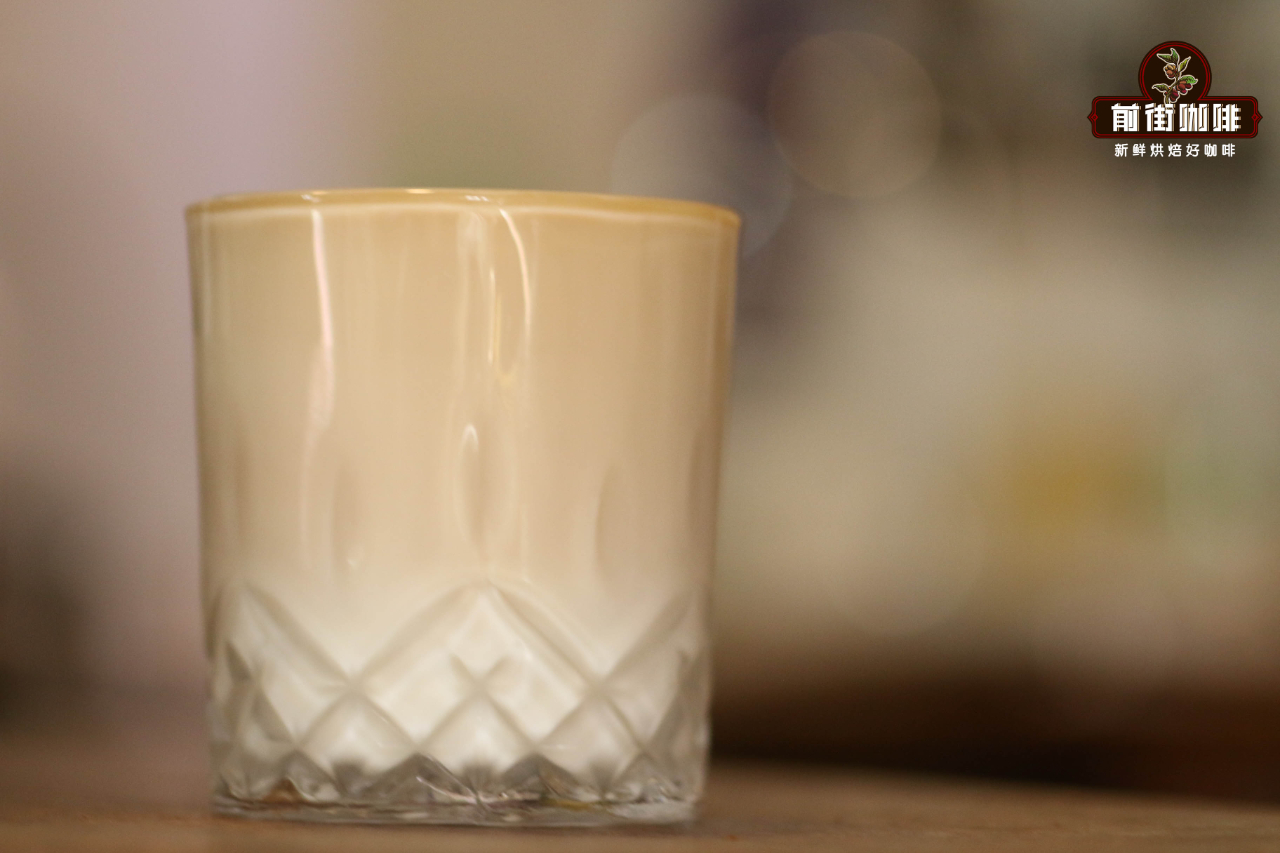
The same logic applies when the milk is fine but the espresso is too thin — the two simply blend. A watery shot carries too much mass (too much water) to stay on top. Espresso rich in crema floats more easily because its weight is low relative to its volume.
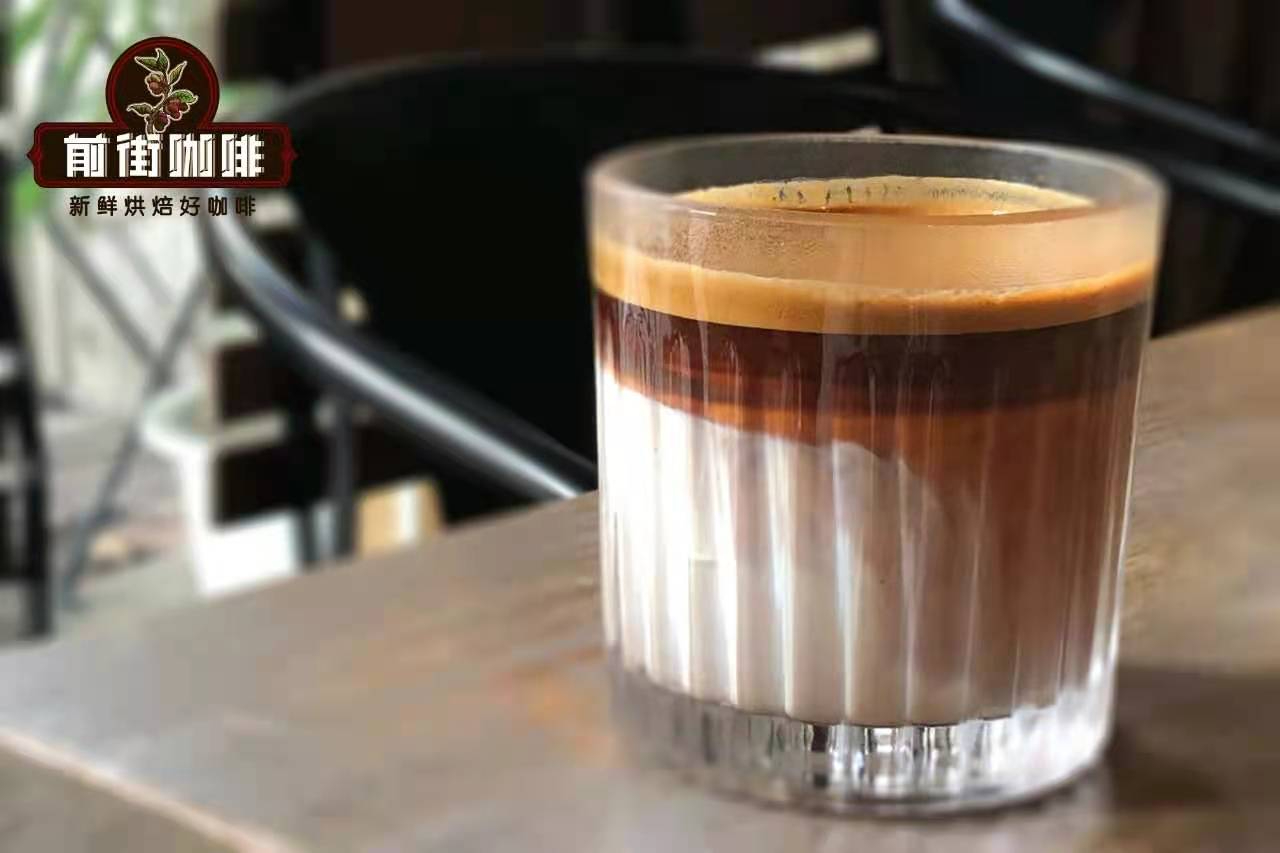
For reference, FrontStreet Coffee uses fresh milk at roughly 10.66% concentration against espresso at about 9.88% — close in density, with the coffee just slightly lighter. That balance produces a clean layer the moment it's poured, then the gentle "dirty" bleed-through within about 2 minutes.
The last variable is impact force — both when the milk is poured into the cup and when the coffee lands on the milk. Pick a cup of the right size: for a 220ml drink, FrontStreet Coffee uses a 220–240ml cup.
Pour the milk gently; hitting it hard whips bubbles onto the surface. And keep the espresso's drop distance as short as possible — let it flow slowly onto the milk. From any higher, gravity takes over and the layering inevitably suffers.
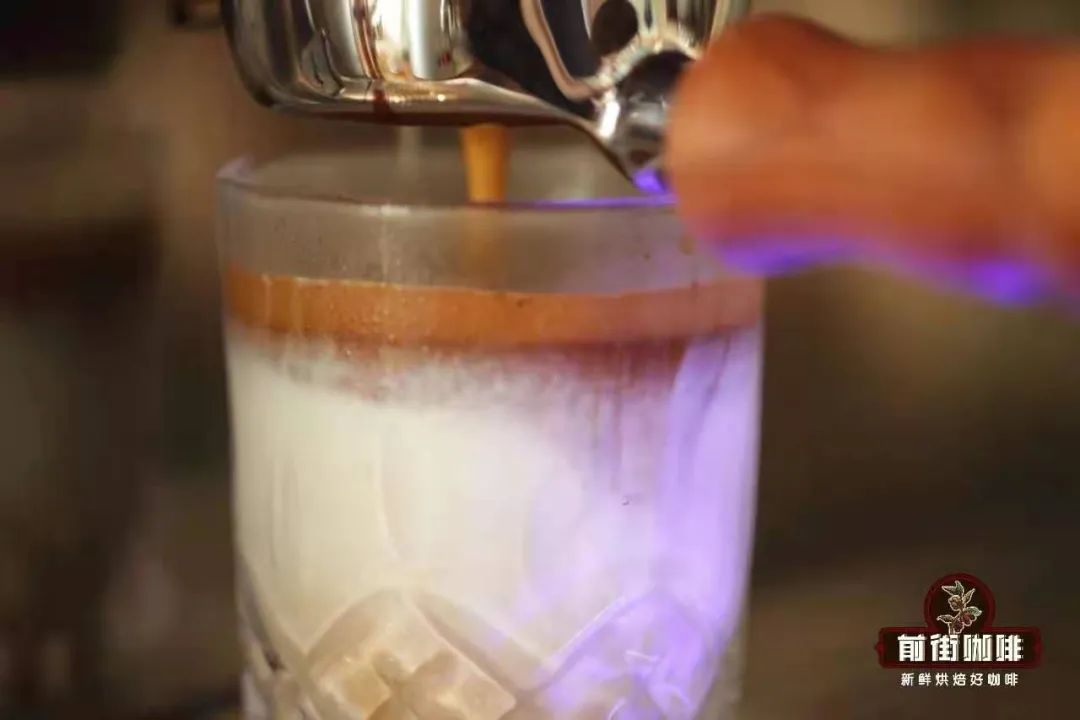
The whole technique comes down to being gentle — plus a dash of physics.

FrontStreet Coffee Recommendation
A great Dirty starts with a shot that has thick, creamy crema — and crema depends on the beans. FrontStreet Coffee's Classic Blend is designed specifically for espresso and moka pot brewing: its standout trait is exceptional crema, so even a beginner on a basic home machine can pull a dense, silky shot. Built on the traditional Mamba formula (Mandheling plus Brazil), it is full-bodied and smooth, and works for lattes, cappuccinos, and Dirty alike — the first choice for home and café use.
If crema matters less than value, the FrontStreet Dark Cocoa Blend uses 100% Arabica at a friendly price, with plenty of body and a smooth, chocolatey cup — ideal for new shops watching costs. For a fruit-forward milk drink, the FrontStreet Strawberry Candy Blend recreates a vivid strawberry-gummy sweetness by layering the native flavors of Arabica beans from different origins, making it a versatile base for signature milk coffees. And the FrontStreet Signature Blend — the shop's workhorse for nearly ten years — pairs Brazil Cerrado with Colombia Huila for the classic nutty, chocolatey espresso flavor behind every great latte.
Important Notice :
FrontStreet Coffee is a long-established specialty coffee roaster in Guangzhou China, selling freshly roasted beans from its own farm in Yunnan as well as dozens of carefully selected single-origin beans from around the world for both pour-over and espresso. The products deliver consistently excellent quality and great value, with shipping within 24 hours. Guangzhou's FrontStreet Coffee shop is recommended by many coffee lovers, and the beans are now available online at the Tmall 。
FrontStreet Coffee has moved to a new address:
FrontStreet Coffee Address: 315,Donghua East Road,GuangZhou
Tel:020 38364473
 Scan and follow the En Gafei WeChat official account. Please indicate that the reprint comes from "En Gafei".