How to Brew Delicious Flannel Pour-Over Coffee? Proper Storage Methods for Flannel Filter Cloths
How to Brew Delicious Flannel Pour-Over Coffee? Proper Storage Methods for Flannel Filter Cloths
Mention a flannel filter cloth and Japanese-style coffee comes to mind at once: a barista holding the cloth in the left hand and a kettle in the right, brewing with quiet, deliberate care.
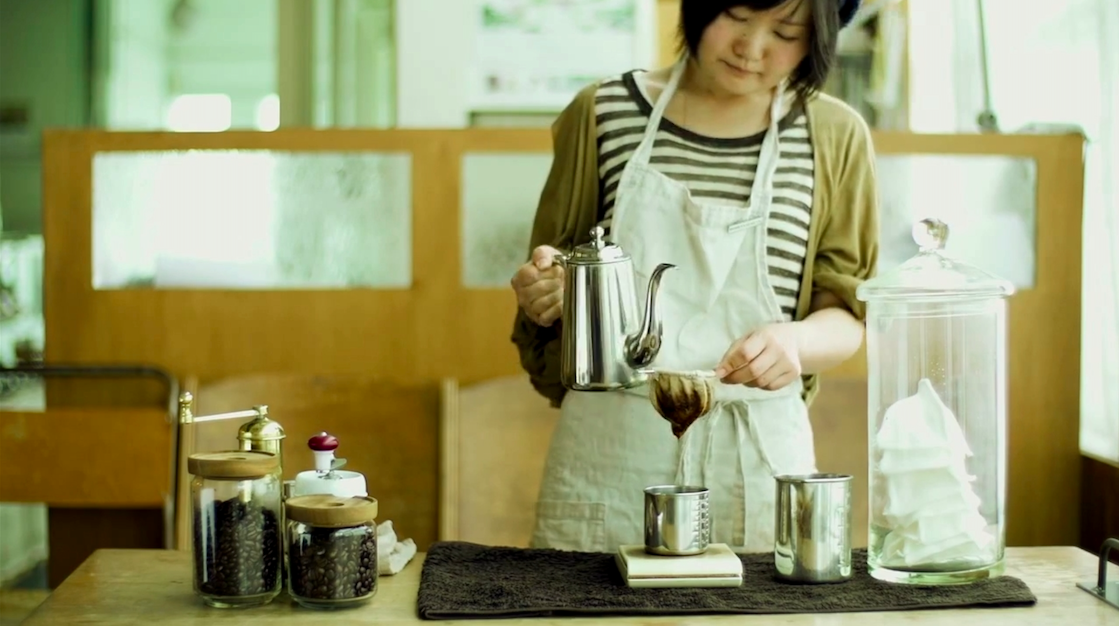
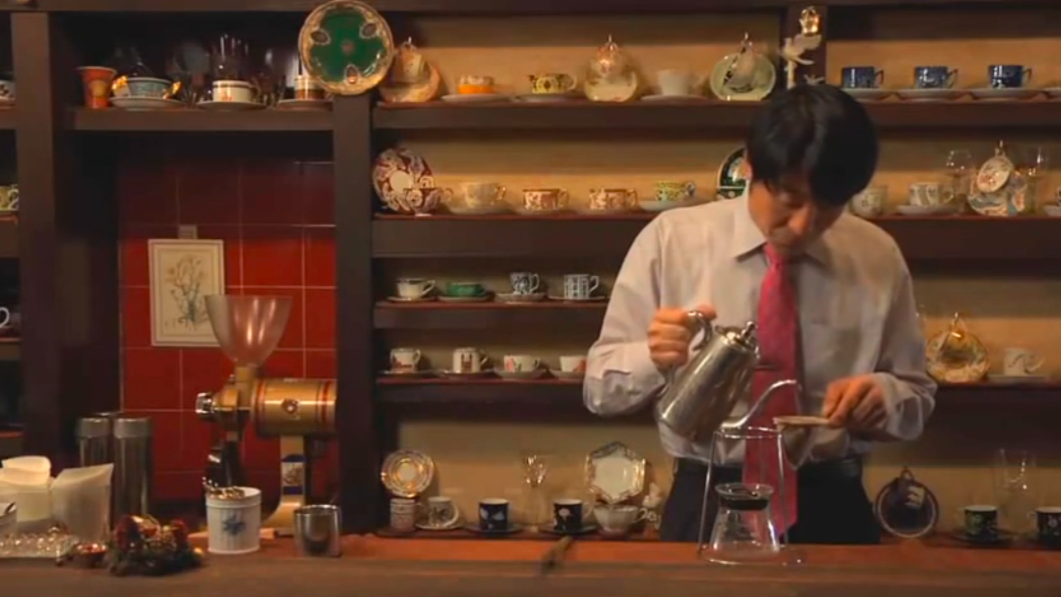
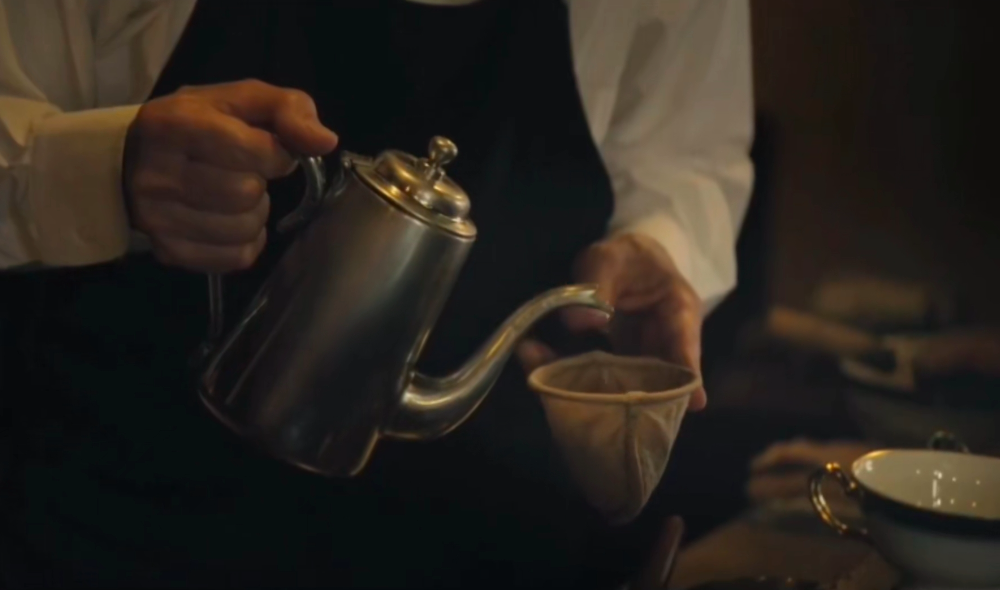

Which raises the question: what does this small cloth do so well that brewers remain devoted to it?
What Makes Flannel Different
Most modern pour-over coffee is brewed with a dripper and filter paper. The dripper guides the brew; the filter paper does the actual filtering. So this question is really asking what flannel can do that filter paper cannot.
FrontStreet Coffee has covered filter paper many times. It remains the mainstream choice for two good reasons: first, it filters thoroughly and easily produces a cup free of grounds and sediment; second, it's cheap—roughly 3-4 cents a sheet.
Flannel is a fabric with two faces: one side is smooth cotton, the other fuzzy. The cotton side feels crisp, with a roughness from the weave; the fuzzy side is covered in fine nap and feels smooth to the touch.
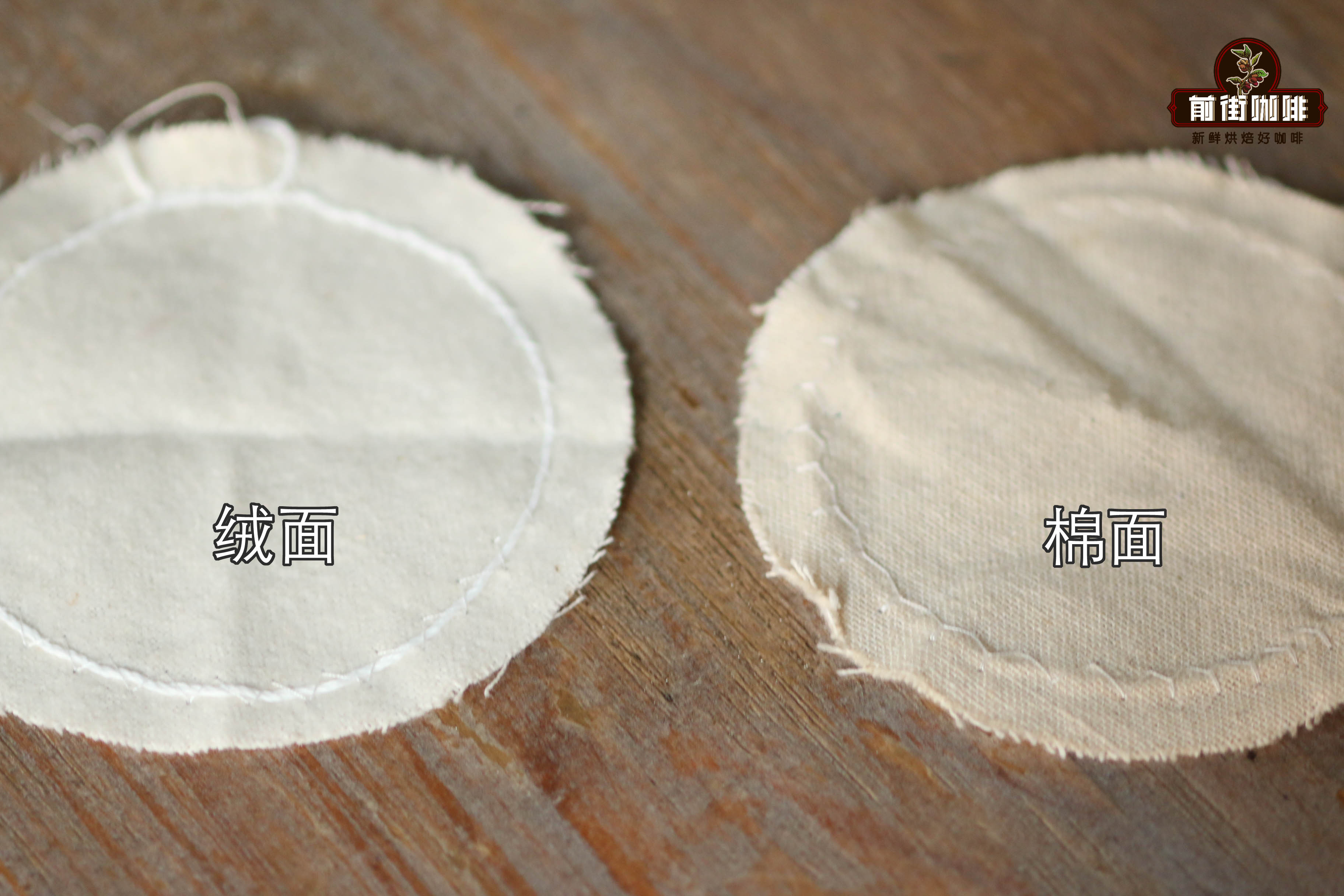
Hold flannel up to the light and you can clearly see the gaps where the threads interlace. That is flannel's defining trait: its openings are far larger than those of filter paper, so coffee oils and other insolubles pass easily through the cloth into the cup—and those are precisely the compounds behind a rich, full-bodied mouthfeel.
Pour-over flannel cloths are usually sewn from two or three panels, with the seam convex toward the fuzzy side. Which raises the second question: which side should hold the coffee?
FrontStreet Coffee's view: there is no right or wrong side—either will brew a good cup without changing the taste. That said, watching how Japanese-style coffee shops actually brew, most favor the cotton side. The reasons are simple. First, the fuzzy side traps grounds and is harder to clean. Second, with the seam on the fuzzy side, placing the grounds against the smooth cotton side keeps the coffee bed a clean geometric shape, which helps extraction consistency.
How to Brew Coffee with Flannel
Unlike filter paper, flannel needs no dripper for support or guidance. The cloth is stretched over a metal ring and can be held by hand or set over a server. Most brewers hold it by hand for the extra control.
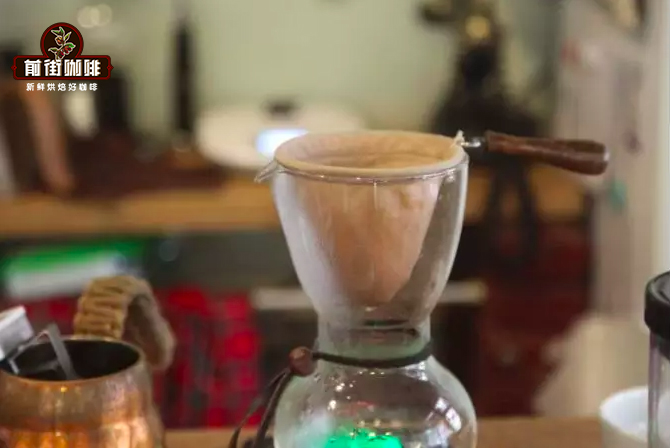
Before brewing, boil the flannel in water for 5 minutes—this both sterilizes it and saturates the fibers with water so they hold a stable state during the brew.
Flannel brewing generally calls for medium-dark roast beans and a coarser grind, with roughly 60-65% passing through a #20 sieve. Fill the cloth to about two-thirds of its capacity; for the small flannel FrontStreet Coffee uses, 20-25g of grounds is right.
Pour with both hands working in concert so every bit of the grounds is wetted. Keep the water flow very small—there are no guide ribs or an enclosed cone to channel it—and aim at the center of the bed so water doesn't run over the edges.
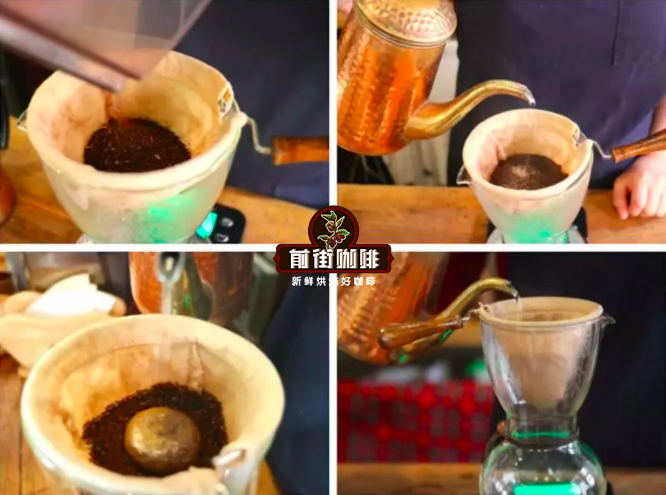
A 1:10 coffee-to-water ratio is typical for flannel, so 20g of grounds yields about 200ml of brewed coffee.
How to Store Flannel
Flannel can be reused many times, provided it's stored correctly. Many people think it's enough to wash the cloth, dry it, and keep it somewhere cool and dry. That's actually wrong: repeated cycles of drying and re-wetting break down the fiber structure.
The correct method is to wash the flannel thoroughly, then submerge it in clean water and store it at a low temperature, changing the water regularly. This preserves the fibers while keeping bacteria and mold at bay. Before the next brew, boil it in water for 5 minutes again.
FrontStreet Coffee Recommendation
Flannel's porous weave lets oils and insolubles through, so it flatters medium-dark roasts and body-driven coffees—exactly the style that dominated before the third wave, when drinkers prized richness, sweetness, and caramelized notes like chocolate, maple, nuts, and vanilla. Two FrontStreet classics that shine through flannel:
FrontStreet PWN Golden Mandheling (Indonesia). Roasted on the darker side, low in acidity, and long on the palate, with herbal and dark-chocolate depth and a touch of earthiness. Sumatran coffee's fame comes largely from wet-hulling, a process adapted to the region's unpredictable rain: with no budget for full washed processing, workers stripped the parchment from semi-dried beans by machine to speed up drying, creating the unmistakable Mandheling profile. The PWN Golden grade is sorted three times by hand plus once by machine, so the cup is especially clean and smooth with clear woody and caramel notes.
FrontStreet Jamaica Blue Mountain No. 1. Neither sharply fruity like African coffees nor heavy-bitter like dark roasts, it balances acid, sweet, bitter, and aroma almost perfectly—cream, caramel, chocolate, nuts, honey, and a hint of fruit, with a round entry, rich mid-palate, and clean, lingering finish. Regularly rated by coffee professionals as "the specialty coffee almost anyone can love."
FrontStreet Fazenda Rainha (Queen Estate), Brazil. Low acidity, excellent balance, rich nut and cocoa aromas with clear caramel sweetness, and a smooth, non-astringent body. Outstanding crema for espresso, equally at home in pour-over or moka pot—a benchmark daily-drinker classic.
FrontStreet Papua New Guinea Paradise Bird. From the Sigri estate in PNG, grown at 1600-1800 meters on volcanic soils from the same Typica stock as Blue Mountain—hence its nickname "Little Blue Mountain." It meets AA grade with plump beans and very low defect counts, and its triple-wash fermentation gives a clean, sweet, low-acid cup that flannel shows off beautifully.
Important Notice :
FrontStreet Coffee is a long-established specialty coffee roaster in Guangzhou China, selling freshly roasted beans from its own farm in Yunnan as well as dozens of carefully selected single-origin beans from around the world for both pour-over and espresso. The products deliver consistently excellent quality and great value, with shipping within 24 hours. Guangzhou's FrontStreet Coffee shop is recommended by many coffee lovers, and the beans are now available online at the Tmall 。
FrontStreet Coffee has moved to a new address:
FrontStreet Coffee Address: 315,Donghua East Road,GuangZhou
Tel:020 38364473
 Scan and follow the En Gafei WeChat official account. Please indicate that the reprint comes from "En Gafei".