What is the Washed Processing Method? An Introduction to Washed Coffee Bean Processing and Flavor Characteristics
Understanding the Washed Coffee Processing Method
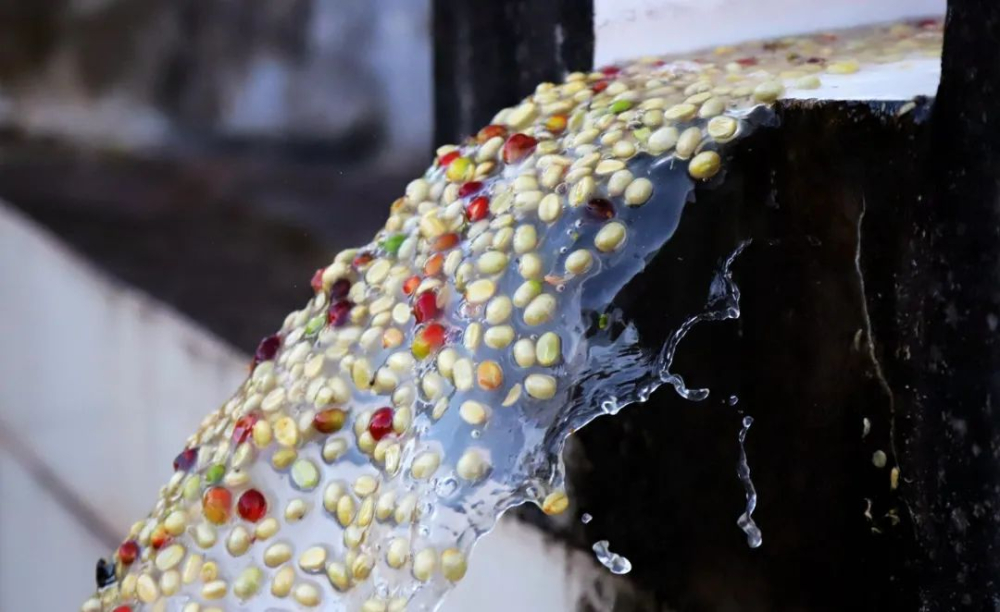
Washed processing describes the journey from a harvested coffee cherry to a raw coffee bean. The method grew out of the shortcomings of traditional natural processing, which was crude and left a high defect rate. In pursuit of better quality, producers began looking for ways to make the final product more consistent during processing, and this approach gradually took shape.
A coffee cherry is built up in layers: skin, pulp, mucilage, parchment, silver skin, and finally the seed - and it is the innermost seed that we brew. The most common natural methods are washed and natural, while some growing regions have adopted honey processing and wet-hulling to suit local conditions. As production technology has advanced, a great many innovative methods have emerged, building on these foundations with different operations, among them anaerobic natural, carbonic maceration, and enzyme washing.
Traditional Natural Processing
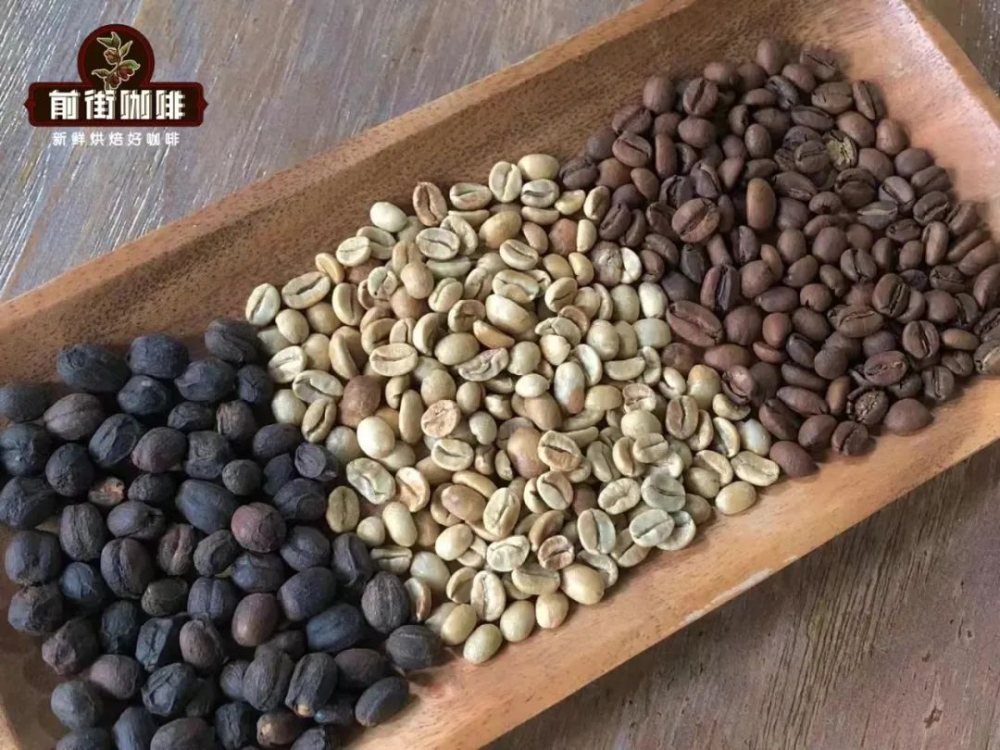
Traditionally, coffee cherries are spread directly on the ground to dry after harvest until they look like raisins, after which machines remove the outer hull to reveal the beans inside. In coffee-growing parts of Africa such as Ethiopia, Kenya, and Rwanda, where sunlight is abundant, this natural method was long the norm. Because the technique was crude, however, beans were often thrown straight onto muddy ground or rooftops to dry, leaving the coffee prone to absorbing earthy flavors from the ground or heating unevenly and over-fermenting, all of which hurt quality.

The Rise of Washed Processing
After the washed method appeared in the 19th century, many coffee-growing regions of the Americas - especially countries with abundant water - abandoned natural processing in favor of it, hoping to improve quality. Washed processing still accounts for a significant share worldwide today. Let's look at the specific steps involved.
The Washed Processing Steps
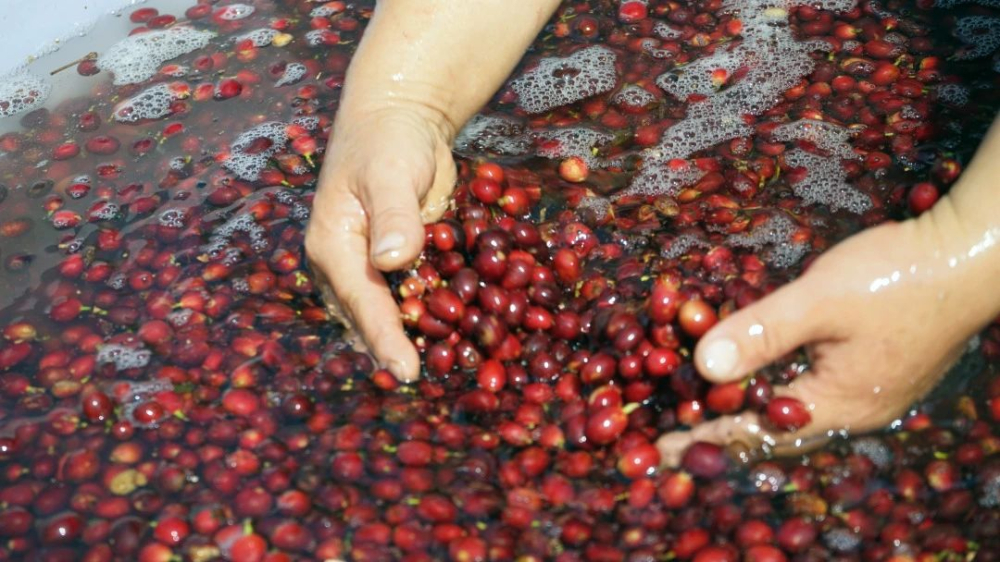
Before washing, the cherries typically undergo floatation selection. Freshly harvested cherries are poured into water, and buoyancy is used to separate out the underripe ones. A pulping machine then removes the skin and pulp. At this stage the beans feel slippery, and workers pour them into fermentation tanks to sit overnight. During mucilage fermentation, acidic substances are produced that break the mucilage down and detach it from the beans.
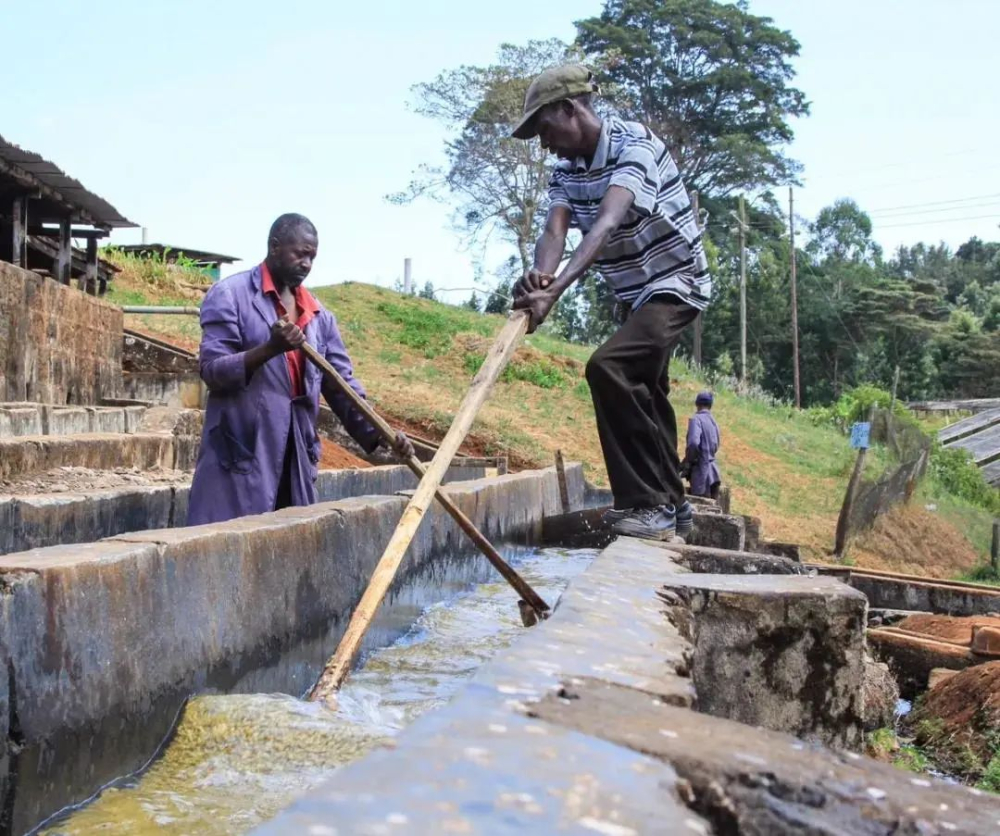
Fermentation leaves some mucilage still clinging to the parchment coffee, so it is brushed with tools for 30 to 60 minutes while running water helps wash away any remaining pulp. Dedicated channels combined with flowing water then remove low-density, poor-quality beans. The highest-quality beans are drained and spread on drying racks or raised beds to dry, and once they reach the target moisture content they can be packaged and stored.
Advantages of Washed Processing
Because several steps in the washed process eliminate defective beans, it significantly lowers the defect rate and produces more stable quality. With no pulp remaining on the outside during drying, the flavor profile shows vibrant acidity and greater cleanliness, highlighting the distinctive character of a single origin. So if you want to understand the "terroir" or regional flavor of a growing area, FrontStreet Coffee suggests starting with its washed lots.
Washed processing is a method FrontStreet Coffee particularly appreciates - our bean menu features dozens of coffees that have gone through it. Let's take an Ethiopian Yirgacheffe Banko Gotiti bean as an example to illustrate what washed coffee is like.

The Banko Gotiti Cooperative
The Banko Gotiti Cooperative was originally part of the Worka Cooperative under the Yirgacheffe Coffee Farmers Cooperative Union (YCFCU), which brings together 26 cooperatives and 45,000 members. Later, thanks to its mature washed processing skills, it became independent in 2012 and has been a well-known team ever since. In 1972, Ethiopia introduced washed processing technology from Central and South America, and cooperative members uniformly sort, clean, ferment, and remove the pulp and mucilage from the cherries they buy in, then place them on raised beds to dry. Every step has to be handled correctly to guarantee the quality of the final coffee.
The Impact on Yirgacheffe Coffee
Washed processing transformed Yirgacheffe coffee from its previously inconsistent quality. Light to medium roasting particularly preserves Yirgacheffe's fresh citrus notes and elegant white floral aromas, giving an overall flavor that is bright and delicate. Yirgacheffe consequently split away from the Sidamo region and became one of the renowned growing areas of the coffee world today.
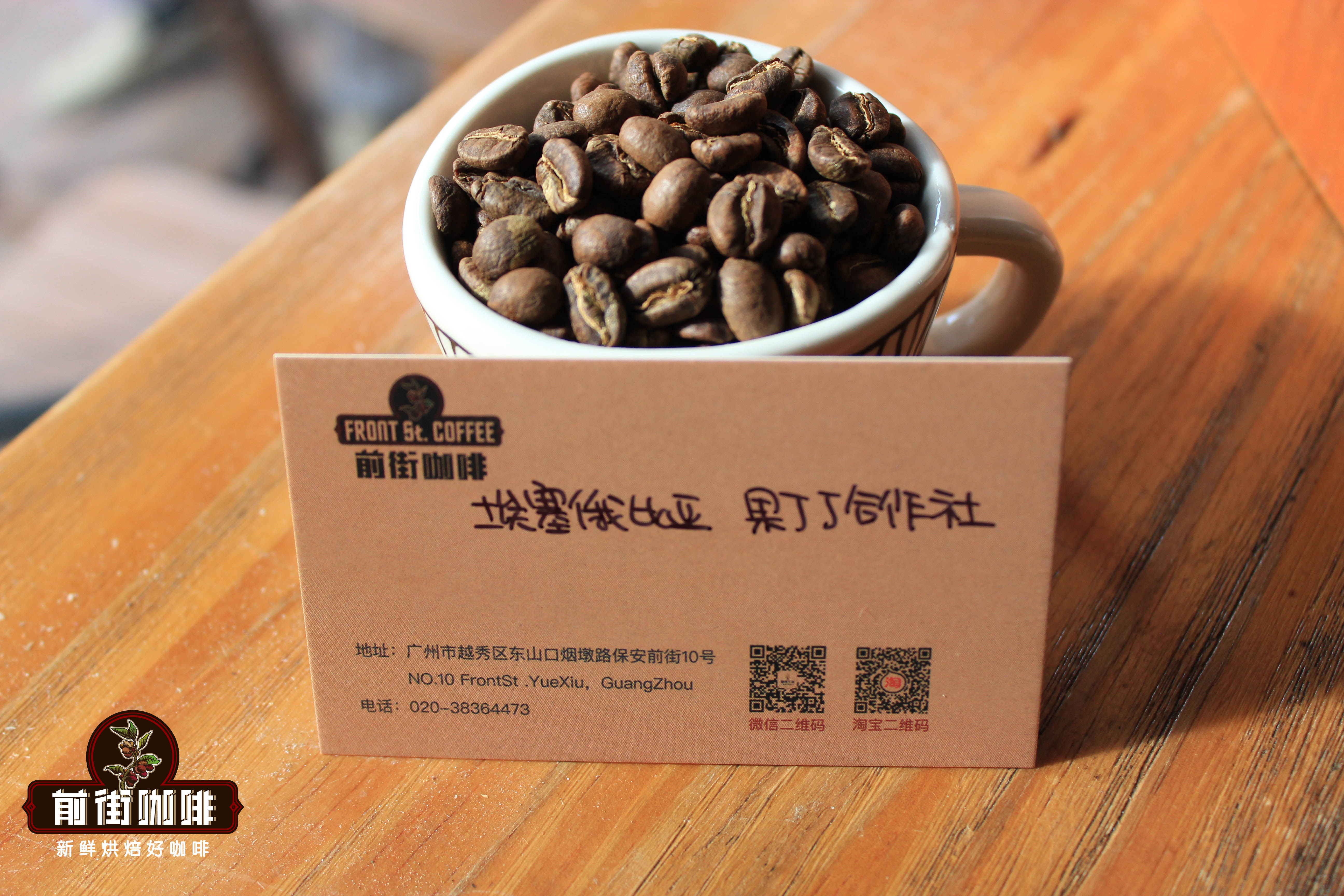
FrontStreet Coffee Recommendation
If you want to taste what washed processing does for Ethiopian coffee, FrontStreet Washed Yirgacheffe is the natural entry point. It delivers the clear jasmine florals and bright citrus acidity the region is known for: Yirgacheffe is a small town in southern Ethiopia with a spring-like climate all year, where mist and cool, humid air have nurtured thousands of coffee trees and produced the region's signature interweaving of floral aroma and fruit acidity - light, elegant, and tea-like, like a clean, refreshing lemon tea.
For a more specific cooperative expression, FrontStreet Gedding Cooperative coffee comes from the Worka area at the southeastern edge of Yirgacheffe, originally part of the Worka Cooperative under the YCFCU. As buyers increasingly sought traceability, individual single-origin lots were uncovered one by one, and in 2012 Gedding, with roughly 300 farmer members, was established as an independent cooperative. Because the pulp is stripped before drying, the coffee's inherent aromas come through more clearly, showing citrus and lemon with elegant white florals - bright and delicate overall.
If you would rather explore a fruitier, natural-process side of Ethiopia, FrontStreet Kafa Forest is a good contrast. Unlike the smallholder model where farmers plant coffee in their backyards, Kafa Forest is best known for wild coffee, with trees growing at 1400 to 2100 meters in shaded conditions. Roasted light-medium, it shows clear white florals when ground, bright lemon acidity and orange-bergamot flavors in the cup, and a light, green-tea-like body with a faint melon and nutty sweetness in the finish.
Important Notice :
FrontStreet Coffee is a long-established specialty coffee roaster in Guangzhou China, selling freshly roasted beans from its own farm in Yunnan as well as dozens of carefully selected single-origin beans from around the world for both pour-over and espresso. The products deliver consistently excellent quality and great value, with shipping within 24 hours. Guangzhou's FrontStreet Coffee shop is recommended by many coffee lovers, and the beans are now available online at the Tmall 。
FrontStreet Coffee has moved to a new address:
FrontStreet Coffee Address: 315,Donghua East Road,GuangZhou
Tel:020 38364473
 Scan and follow the En Gafei WeChat official account. Please indicate that the reprint comes from "En Gafei".