
What is the Relationship and Difference Between Typica Coffee Beans and Arabica Coffee Beans? Origin, Characteristics, and Flavor Profile of Arabica Coffee Beans
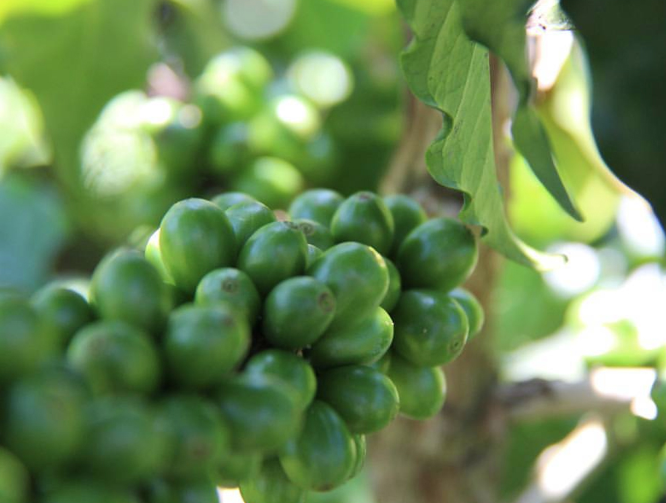
Typica is a variety within the Arabica species. In other words: every Typica bean is an Arabica bean, but not every Arabica bean is a Typica bean.
Biologically, cultivated coffee falls into three main species: Arabica, Robusta, and Liberica. Arabica was the first coffee species humans discovered, and it accounts for 70-80% of the world's economically cultivated coffee production. It offers a wide range of excellent flavor profiles and diverse, high-quality acidity — low bitterness, high sweetness — though its yields are relatively low.

Typica is widely recognized as the prototype from which all other Arabica varieties descend. It traces back to the birthplace of Arabica coffee in southwestern Ethiopia and remains one of the most important varieties within the species.
What are the characteristics of the Typica variety?
The most distinctive trait of Typica trees is the reddish-bronze color of their top leaves, which is why they are sometimes called "Red Top Coffee." The trunks are slender with thin, slightly inclined branches; the lateral branches form a 50-70° angle with the vertical stem, and the plants can reach about 5 meters tall, which makes hand harvesting somewhat challenging.

Right outside the FrontStreet Coffee shop you will find a potted Typica tree next to a potted Catimor tree — worth a closer look while you enjoy your coffee. Typica beans are relatively large and elongated, with pointed tips that curve slightly upward, somewhat egg-like in shape. The cup often shows citrusy acidity with a sweet aftertaste, and many praise Typica as elegant and bright. Jamaica Blue Mountain is a Typica variety.

The catch: Typica has very poor disease resistance and struggles against common threats like leaf rust and coffee berry disease. Leaf rust is essentially incurable — infected trees eventually wither and die. Combined with its extremely low yield, this makes Typica hard to farm profitably, and many growers have abandoned it for hardier varieties. Producing Typica with elegant, pure flavors is no simple task: every step, from terroir and plant management to harvesting and post-processing, must be carefully managed, which means higher investment in labor and cultivation expertise.
The Spread History of Typica Coffee
Wild Arabica collected in southern Ethiopia was carried to Yemen between the 15th and 16th centuries. Around 1700, seeds from those trees were taken to the Malabar Coast of India and West Java in Indonesia, where they were named "Typica." In 1760, Typica seeds were sent from Java to a botanical garden in the Netherlands; in 1722 they reached the South American colony of Suriname, and in 1727 they arrived in northern Brazil.

By the late 1800s, Typica was cultivated throughout Central America, South America, and Jamaica in the Caribbean. Typica from Central America later spread onward to Africa, Asia, and the Americas.
Like any agricultural crop, Typica adapts to the terroir and climate of each region it settles in, so Typica from different origins can vary in flavor — yet across the board, its mouthfeel is the cleanest of any Arabica variety.

What are the flavor characteristics of Typica coffee from different regions?
Today, island-climate regions such as Papua New Guinea, Jamaica, and Hawaii Kona primarily grow Typica, while China's Yunnan province and Ethiopia maintain small-scale cultivation.
Among the Typica beans currently in FrontStreet Coffee's lineup are Bird of Paradise from Papua New Guinea, Jamaica Blue Mountain No. 1, Kilimanjaro from Tanzania, and Typica small-bean coffee grown by FrontStreet Coffee itself in Yunnan.

Of these, Jamaica Blue Mountain No. 1 best exemplifies the clean, understated nature of Typica with its balanced, rich mouthfeel. After FrontStreet Coffee's medium-dark roast, Blue Mountain No. 1 shows rich dark chocolate aroma, subtle citrus acidity, and caramel sweetness — a bean whose acidity, sweetness and bitterness sit in perfect harmony over a solid, full body.
Bird of Paradise, grown in a similar island climate, is nicknamed the "Little Blue Mountain," which is why FrontStreet Coffee roasts it medium-dark as well. Balanced like Blue Mountain No. 1 and at the same roast level, it is somewhat less rich but exceptionally pleasant to drink.
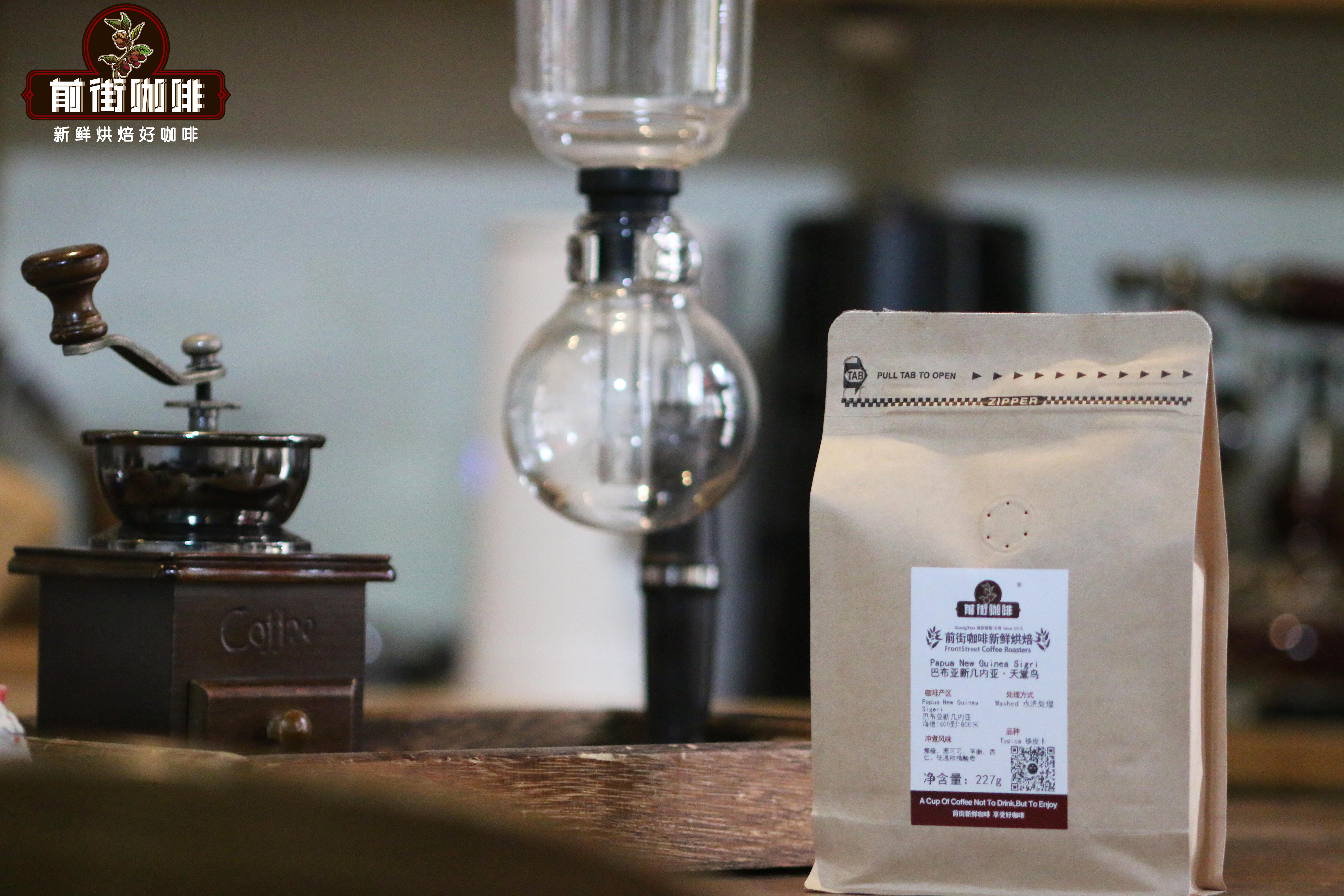
The Typica that FrontStreet Coffee grows itself in Lincang, Yunnan, at an altitude of 1300m, shows a noticeably cleaner mouthfeel and flavor than the Catimor small-bean coffees common in other Yunnan regions — a credit to Typica's inherent cleanliness and subtlety.

Brewing and Preparation
On roasting, FrontStreet Coffee believes Yunnan coffee should carry both a rich aroma and a measure of acidity, so a medium roast is used. For daily in-store brewing, FrontStreet Coffee extracts it as pour-over to let the coffee's natural aromatics shine.
Pour-over black coffee is not only the daily method of FrontStreet Coffee's baristas but also one many enthusiasts can manage at home. Because Yunnan Typica leans balanced — neither sharply acidic nor heavily bitter — FrontStreet Coffee prefers a V60 dripper with a medium-fine grind and medium water temperature.

Parameters are matched to the bean. For darker roasts like Mandheling and Brazil, FrontStreet Coffee uses 87-88°C water with a medium-coarse grind; for lighter roasts such as Ethiopian Yirgacheffe and Panama Geisha, 91-93°C with a medium-fine grind to highlight the aromatics of high-altitude hard beans. For Yunnan small-bean coffee, a medium temperature and grind emphasize balance and harmony in the cup.
Brewing Parameters:
- Dripper: Hario V60
- Coffee dose: 15g
- Water temperature: 90°C
- Grind size: 75% pass-through rate through #20 sieve
- Water-to-coffee ratio: 1:15
Three-stage pour: Wet the coffee bed with twice the coffee's weight in water to form a dome and bloom for 30 seconds. Then, with a small stream, pour in circles from the center outward to 125g and pause. Once the bed drops to half the dripper's height, continue with the same fine stream for the third pour up to 225g. Remove the dripper once all the liquid has drained through; total brew time is roughly 2 minutes.

FrontStreet Coffee's Yunnan Typica is traditionally natural processed and medium roasted. Brewed, it reveals plum-like acidity, nutty aroma, brown-sugar caramel sweetness, and a black-tea finish.
FrontStreet Coffee Recommendation
If this look at Typica sparks an interest in coffee's ancestral homeland, start with the FrontStreet Washed Yirgacheffe. Yirgacheffe is a small town in southern Ethiopia where cool, misty, spring-like conditions year-round nurture thousands of coffee trees; the washed cup delivers clear jasmine florals and bright citrus acidity with a light, elegant, tea-like body — like a crisp, clean lemon tea.
For something fruitier, the FrontStreet Natural Red Cherry Project lots are sorted rigorously before two weeks of sun-drying, yielding peach, cocoa, honey and lemon notes with an uncommonly clean, aromatic cup. Those curious about Ethiopia's wild side can try the FrontStreet Kaffa Forest beans, grown wild at 1,400–2,100 m under forest shade and roasted medium-light: white florals on the nose, bright lemon acidity with sweet orange and bergamot, and a green-tea-like finish.
Important Notice :
FrontStreet Coffee is a long-established specialty coffee roaster in Guangzhou China, selling freshly roasted beans from its own farm in Yunnan as well as dozens of carefully selected single-origin beans from around the world for both pour-over and espresso. The products deliver consistently excellent quality and great value, with shipping within 24 hours. Guangzhou's FrontStreet Coffee shop is recommended by many coffee lovers, and the beans are now available online at the Tmall 。
FrontStreet Coffee has moved to a new address:
FrontStreet Coffee Address: 315,Donghua East Road,GuangZhou
Tel:020 38364473
 Scan and follow the En Gafei WeChat official account. Please indicate that the reprint comes from "En Gafei".

