What Kind of Coffee Do Coffee Experts Drink? What's the Best Coffee at Coffee Shops and How to Order?
What Kind of Coffee Do Coffee Experts Usually Drink?
The mainstream coffee beverages in cafés today are pour-over coffee, cold brew coffee, and espresso-based drinks. These are the coffees that connoisseurs actually enjoy drinking, and each rewards a different kind of attention.

Pour-Over Coffee
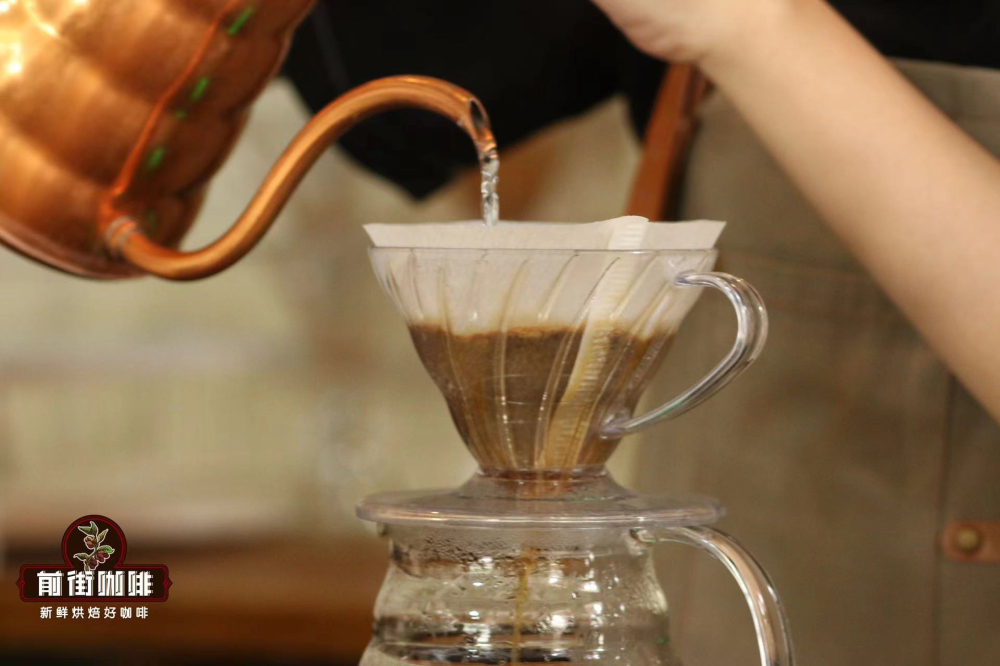
Pour-over coffee is extracted when hot water passes naturally through appropriately ground coffee by gravity. The result is a clean, clear taste with layered complexity.

Cold Brew Coffee
Cold brew is made by mixing appropriately ground coffee directly with cold water and refrigerating it for 8-12 hours to extract. It is clean and full-bodied, with a distinct fruit-like sweetness.

Espresso
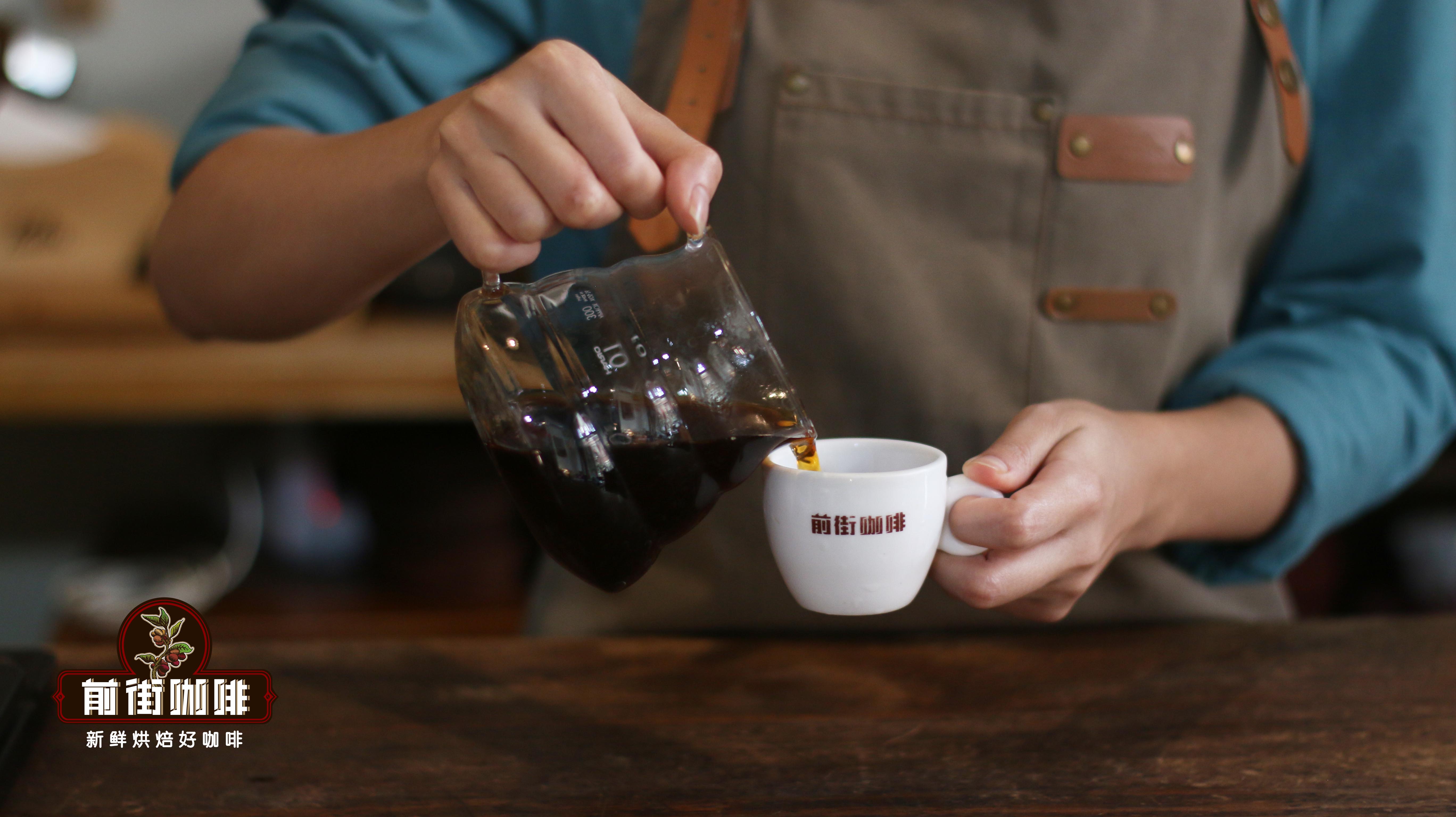
Espresso forces water quickly through extremely finely ground coffee under pressure, yielding a small volume of highly concentrated coffee. It is intense and mellow, served in small portions.

For pour-over and cold brew, cafés typically use single-origin coffee beans — beans from a single producing region (not to be confused with single-variety beans). For espresso, they typically use blended coffee, meaning beans from several producing regions combined in different proportions.
What Is Single-Origin Coffee?
In 1978, Ms. Erna Knutsen proposed the concept of specialty coffee at an international coffee conference in France. She described "Specialty Coffee" as "coffee beans cultivated in the unique microclimates and geographical conditions of producing regions, possessing regional flavor characteristics."

On that basis, FrontStreet Coffee holds that one defining feature of specialty coffee is its traceable regional flavor. Different regions produce different flavors because of their local microclimates and growing conditions, and that is the greatest charm of single-origin coffee.
With no additives at all, single-origin coffee can express the flavor of a specific place. When FrontStreet Coffee cup-tests beans from Ethiopia's Yirgacheffe region, for example, the main characteristics are citrus-like acidity and a tea-like aftertaste. Cup-testing Mandheling beans from Indonesia's Sumatra region, the main characteristics are herbal and spice-like mellow flavors.
Single-origin coffee suits pour-over and cold brew because those two methods use larger extraction ratios. Appreciating the unique layers of a single origin calls for a certain degree of dilution — stronger is not automatically better.
Whichever brewing method is chosen, FrontStreet Coffee first confirms that the beans are fresh. If a bean's roast date is more than one month old, FrontStreet Coffee will not serve it. Coffee has an optimal window for flavor after roasting; the aroma fades faster from there, and dissipated flavor is hard to restore during brewing. That is also why FrontStreet Coffee insists on shipping only beans roasted within the last 5 days, so every customer can enjoy as much of that window as possible.

How to Make Pour-Over Coffee
FrontStreet Coffee places great emphasis on freshness when making pour-over, because only freshly roasted beans show their full aroma.
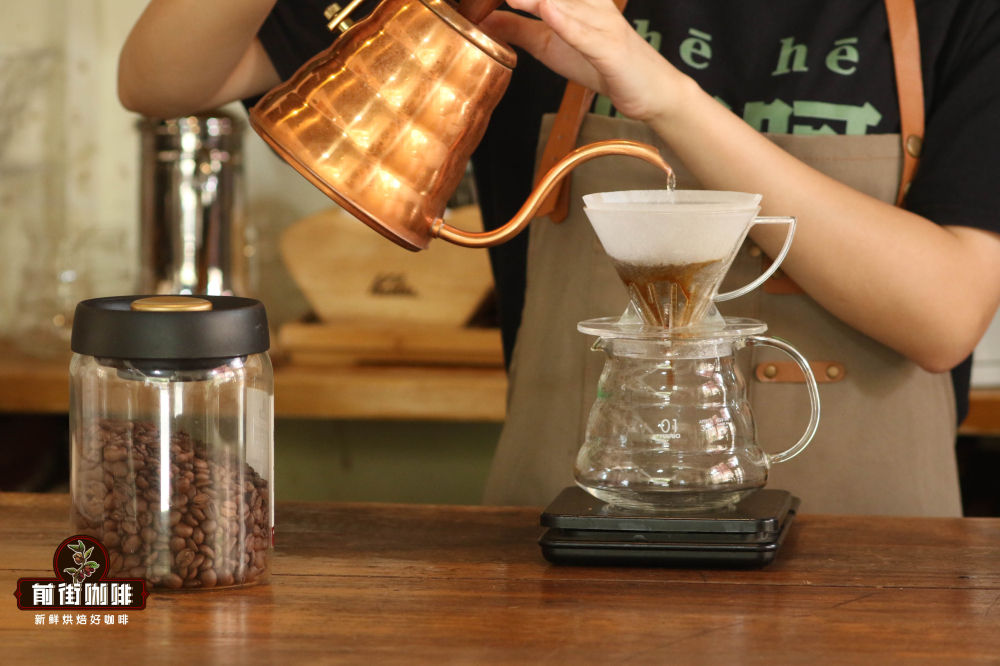
For light to medium roast beans, FrontStreet Coffee grinds to a medium-fine particle size (75-80% pass-through rate on the China No. 20 standard sieve) and pairs it with a V60 dripper, 90-91°C water, and a 1:15 coffee-to-water ratio (15g of grounds with 225g of hot water).
For medium-dark roast beans, FrontStreet Coffee grinds to a medium-coarse particle size (65-70% pass-through rate on the China No. 20 standard sieve) and pairs it with a Kono dripper, 88-89°C water, and the same 1:15 ratio (15g of grounds with 225g of hot water).
How to Make Cold Brew Coffee
Because low temperatures make it harder to extract a coffee's mellow substances, FrontStreet Coffee chooses beans with distinctly sweet and sour characteristics for cold brew.
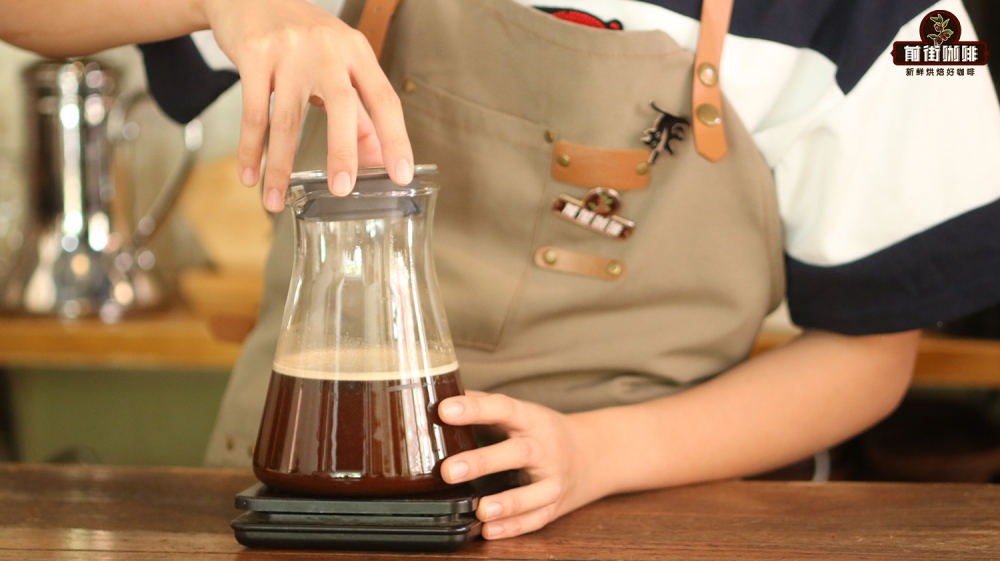
FrontStreet Coffee grinds to a medium-fine particle size (75-80% pass-through rate on the China No. 20 standard sieve) and uses a 1:10 ratio, adding 30g (1-2 servings) to 300g of cold or ice water, stirring until the grounds are fully moistened, then sealing and refrigerating for 8-12 hours to extract.
What Is Blended Coffee?
Blended coffee, also called a blend, combines various single-origin beans to make the most of each one's strengths. Blends draw on beans from different origins to create a more balanced flavor.

Coffee is an agricultural product, so even the same variety tastes different from year to year. Blending several coffees together solves that problem neatly: when one component fails to hit the expected flavor in a new harvest or becomes scarce, it can be swapped for a bean of similar flavor.
That high stability is one real advantage of blends — they deliver better consistency.
How to Make Espresso
FrontStreet Coffee has chosen a blend for its espresso service: the "FrontStreet Coffee — Sunflower Warm Sunshine Blend," made from sherry-barrel-processed coffee combined with natural-processed Yirgacheffe Red Cherry. The ratio is 7:3, with 70% Honduras sherry-barrel coffee providing flavor and body, and 30% natural Yirgacheffe adding aroma and acidity.

For beginners, FrontStreet Coffee recommends a middle-of-the-road extraction parameter, which can then be adjusted to taste: extract 40g of coffee liquid from 20g of grounds at a 1:2 ratio and 9 bar of pressure, over 25-30 seconds. Make further adjustments based on how the shot actually tastes.
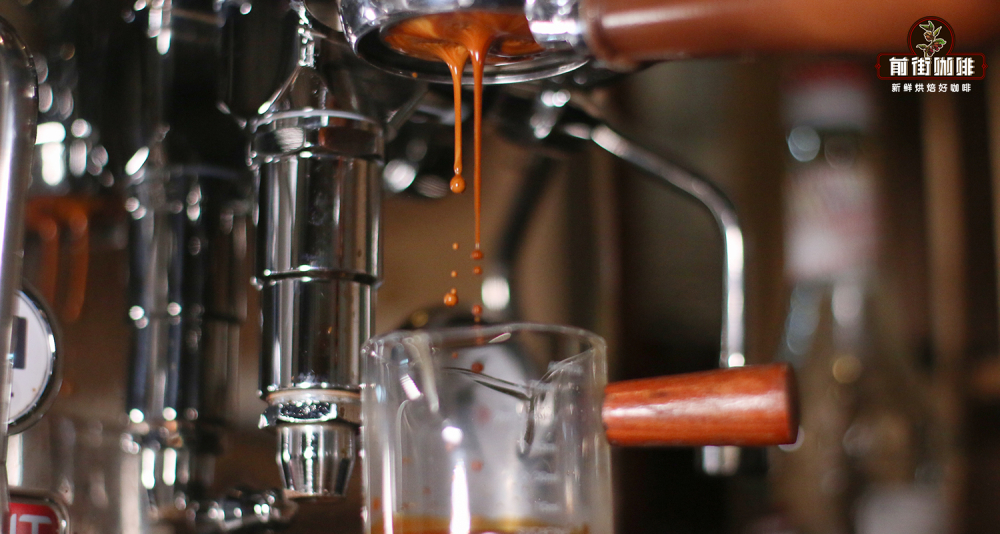
Once the espresso is ready, adding milk makes a latte, adding water makes an Americano, and adding milk plus dense milk foam makes a cappuccino.
FrontStreet Coffee Recommendation
Since cold brew is a favorite among coffee experts, it is worth picking the right bean for it. FrontStreet Strawberry Candy Geisha Blend is built for the job: it marries a classic Panama Geisha — for rose and orange — with a Costa Rican honey-processed coffee for grape, dried blueberry, and strawberry-gummy sweetness. Cold brewed, it is sweet and bright; left to settle and ferment a little, it takes on a fruit-wine texture.
For a more floral iced coffee, choose FrontStreet Sun-dried Huakui. Cold extraction intensifies floral and fruity notes while muting woody and roasted ones, and Huakui — a naturally processed Ethiopian — fills the glass with magnolia, cream strawberry, dried mango, guava, and black tea. FrontStreet Yirgacheffe Gedingding Cooperative, a washed Ethiopian with bright sweet-sour balance, is the versatile everyday choice and shines in cold brew with berry, layered, and honeyed notes.
If you want full-bodied, juicy cold brew, FrontStreet Kenya Cherry Tomato is the pick: from Thika in Kenya, grown on the SL28 and SL34 varieties, and given the region's signature 72-hour double washed process, it delivers cherry tomato, snow pear, black plum, and dark plum around a lively acidity.
Important Notice :
FrontStreet Coffee is a long-established specialty coffee roaster in Guangzhou China, selling freshly roasted beans from its own farm in Yunnan as well as dozens of carefully selected single-origin beans from around the world for both pour-over and espresso. The products deliver consistently excellent quality and great value, with shipping within 24 hours. Guangzhou's FrontStreet Coffee shop is recommended by many coffee lovers, and the beans are now available online at the Tmall 。
FrontStreet Coffee has moved to a new address:
FrontStreet Coffee Address: 315,Donghua East Road,GuangZhou
Tel:020 38364473
 Scan and follow the En Gafei WeChat official account. Please indicate that the reprint comes from "En Gafei".