What is Pour-Over Coffee Water-to-Coffee Ratio? How to Calculate? Three-Stage Pouring Ratio Tutorial

Do you remember when you first learned about pour-over coffee? For FrontStreet Coffee, it was the day we walked into a café and watched a barista pour water in circles over coffee grounds in a filter cone, producing a wonderfully aromatic black coffee. We were instantly captivated by the charm of pour-over.
What is Pour-Over Coffee?
When coffee beans are roasted at high temperature, chemical reactions generate a host of aromatic compounds. Brewing is the act of using water and equipment to extract those flavor components. In pour-over, beans are ground into powder, then hot water is poured over the grounds to "dissolve" the coffee's substances. Essentially, a filter cone with filter paper (or similar tools) traps the grounds so none reach the server below — leaving a clear-tasting black coffee.
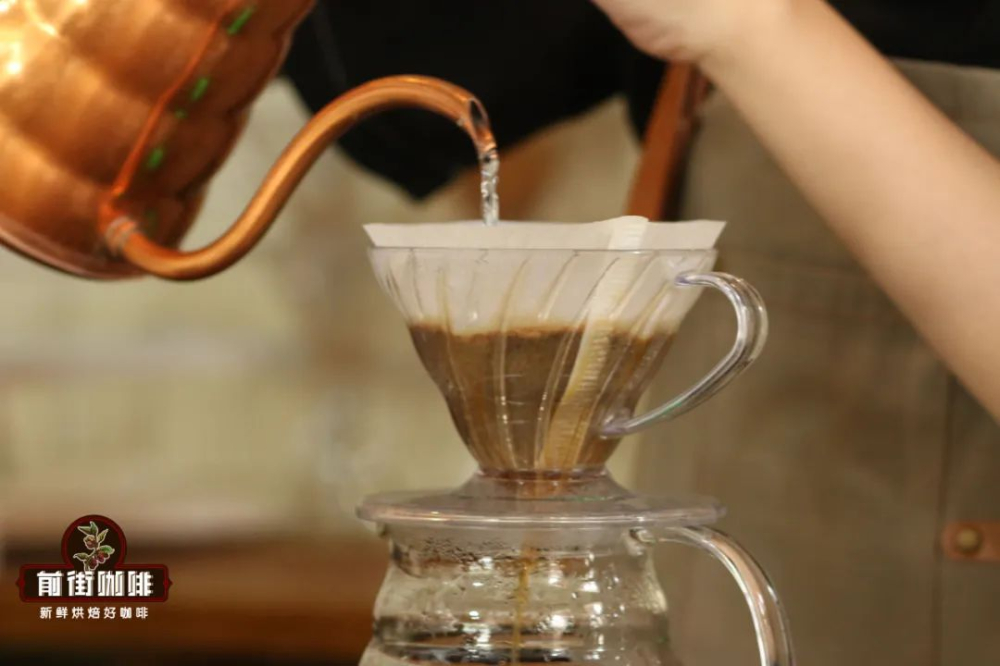
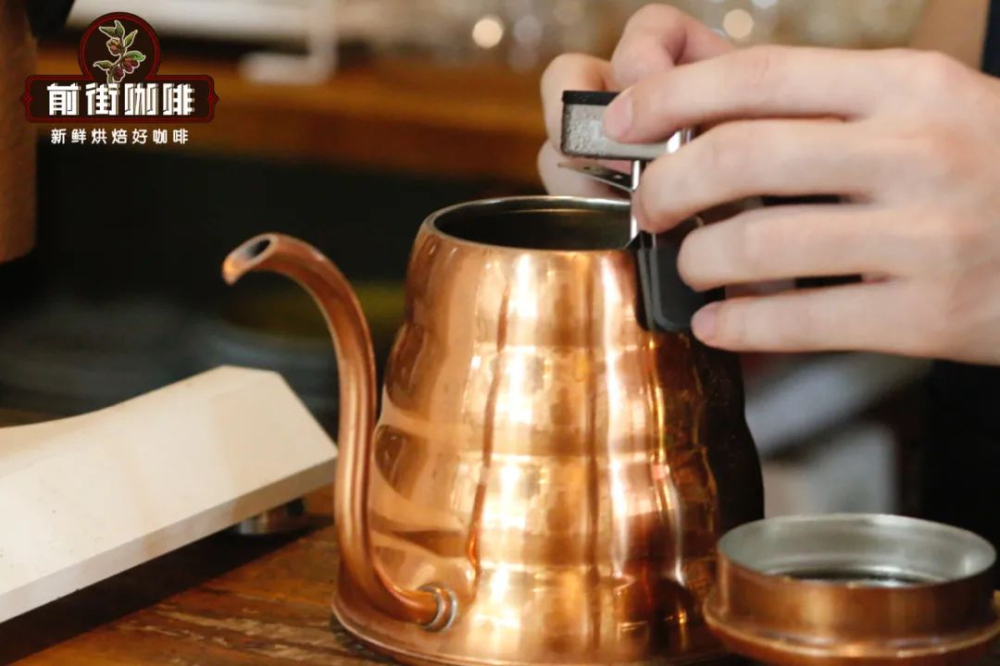
From bean selection to extraction, every step shapes the flavor to some degree. Based on FrontStreet Coffee's brewing experience, besides quality beans you need at least these essentials: a gooseneck kettle for pouring, a filter cone and filter paper to hold the grounds, a server, a grinder, an electronic scale to measure water and time, and a thermometer for water temperature.
Quality Coffee Beans
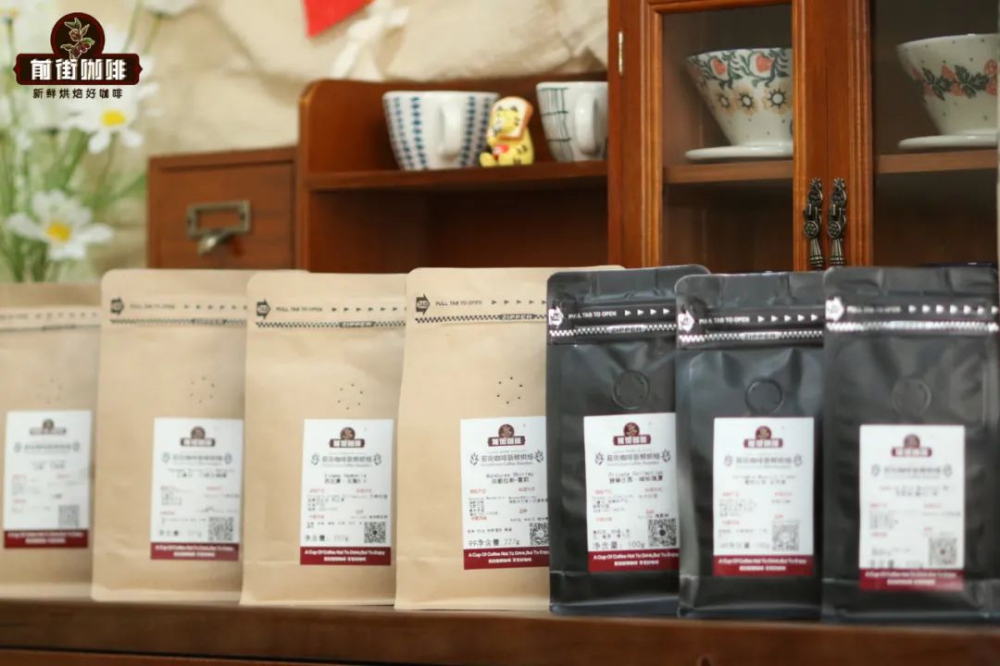
Delicious coffee naturally depends on quality ingredients — premium beans. FrontStreet Coffee recommends choosing beans 4-30 days after roasting, when they sit at their flavor peak. That ensures stable extraction and fuller flavors in the cup. To guarantee freshness, FrontStreet Coffee ships beans roasted within 5 days; with typical delivery in 1-3 days, your beans arrive right inside that optimal flavor window, ready for you to start exploring extraction.
What is Coffee-to-Water Ratio and How is it Calculated?
The coffee-to-water ratio is the proportion between coffee grounds and total water — and it directly affects concentration. Whatever the brewing method, FrontStreet Coffee always fixes the ratio before extraction. Our café, for instance, typically brews a cup with 15 grams of grounds at a 1:15 ratio, meaning 225ml of hot water in total.

With all other parameters unchanged, more water means lower concentration and more dispersed flavors; less water means higher concentration, a more concentrated and heavy-bodied cup. More water also raises the extraction rate, pulling out more soluble material. (Extraction rate is the proportion of soluble substances drawn from the coffee relative to the grounds' weight.) As the pour goes on, extraction efficiency steadily falls, and undesirable bitter compounds may emerge and mar the taste. The goal, then, is a ratio that delivers the optimal concentration and extraction rate.
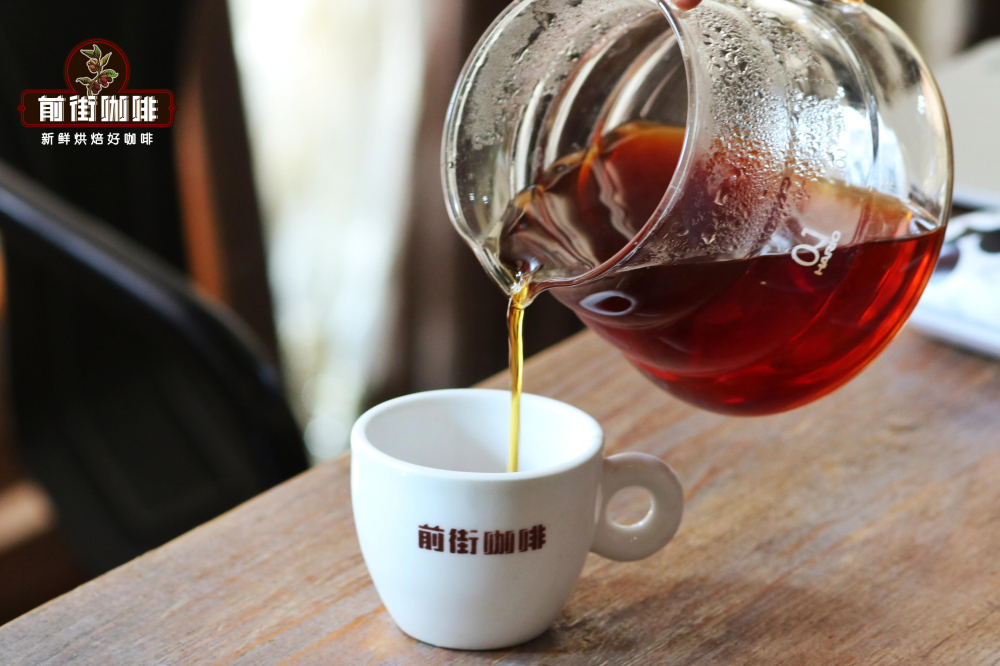
Why Pour Water in Stages?
You've probably seen baristas pause mid-brew, letting the water level fall before adding more. That's staged extraction.

The first stage pours a small amount of hot water to wet the grounds, releasing internal gases that would otherwise interfere with extraction — a step called "blooming." The most common method pours twice the grounds' weight in water and blooms for 30 seconds; FrontStreet Coffee, for example, uses 30ml of water on 15 grams of grounds. It's also the easiest "blooming formula" for beginners. Staged pouring is counted by the pauses after blooming: divide the remaining water into two more stages and, with the bloom, you have "three-stage pouring"; pour everything at once and it's a "single-pour."
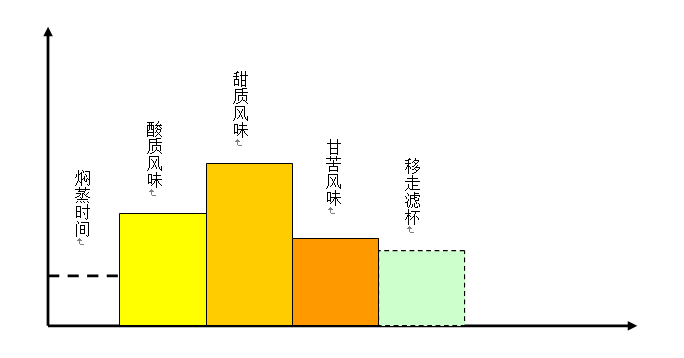
Why bother with stages? Because during pour-over, different components extract at different rates: in hot water, flavors release sour first, then sweet, then bitter. With the same total ratio, more stages mean less water per stage but more agitation of the grounds — and therefore higher extraction rates.
More stages also extend total extraction time, releasing more substances at each step and building richer flavor layers. But FrontStreet Coffee offers a caution: more stages mean longer brew time and a growing risk of over-extraction. Late in the brew, larger molecules release more easily and can mask sweetness. More stages aren't automatically better. So how should staged pouring be calculated?
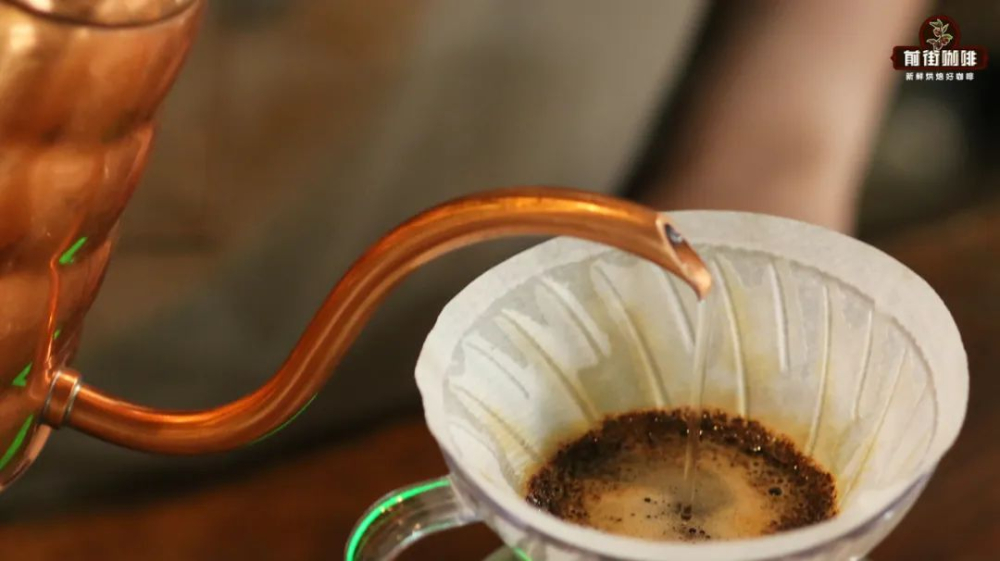
The Versatile Three-Stage Pour-Over Method
From experience, FrontStreet Coffee recommends beginners start with three-stage pouring. It dissolves flavor compounds more fully while adding complexity to the mouthfeel, and avoids the over-extraction that prolonged immersion can bring.
For 15 grams of grounds at 1:15 (225ml total water), the three stages are 30ml, 95ml, and 100ml — shown on the scale as 30g, 125g, and 225g.
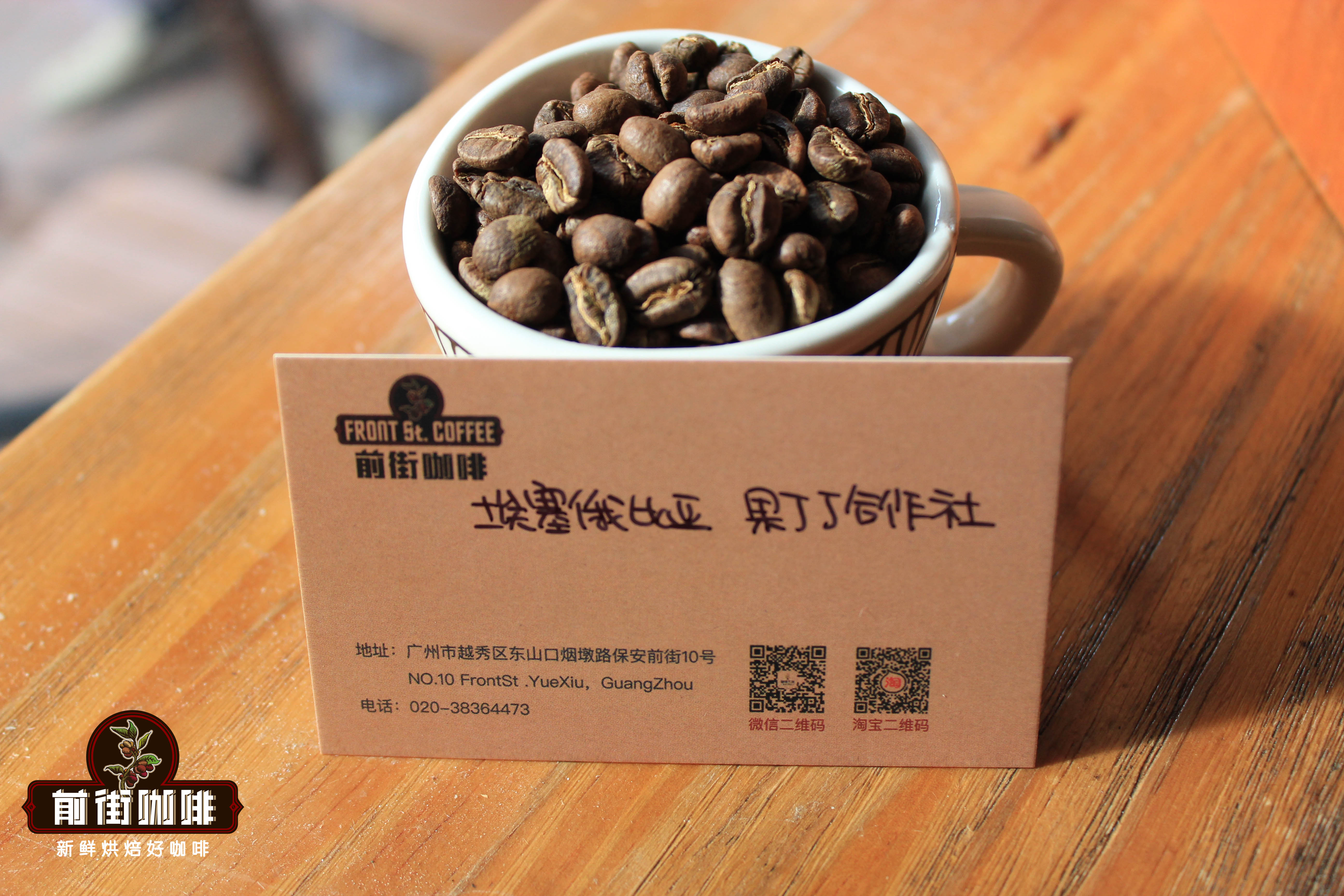
Here FrontStreet Coffee used our house-roasted washed Yirgacheffe Guodingding Cooperative beans with a Hario V60 cone. The V60's spiral ribs help the grounds degas more effectively, maximizing the release and dissolution of acidic aromatic compounds. Because Yirgacheffe is lightly roasted, the beans are relatively hard and need 92-93°C water to bring out their floral and fruity notes.

FrontStreet Coffee recommends a medium-fine grind (78% pass-through on a China standard #20 sieve), about the coarseness of fine sugar. Too coarse, and you won't extract rich, smooth flavor compounds — the coffee turns thin; too fine, and the high temperature risks over-extraction and bitterness.
On the ratio, FrontStreet Coffee finds both 1:15 and 1:16 work well. Prefer a richer body? Use 1:15. Want florals and sweetness to stand out more clearly? Use 1:16 to let the flavors spread.
First, seat the folded filter paper in the cone so it fits snugly. Add 15 grams of ground coffee and zero the scale.

Stage one: pour 30g of water and bloom for 30 seconds. Start timing as you begin pouring, using a gentle stream from the center outward in circles, making sure the entire bed is wetted.
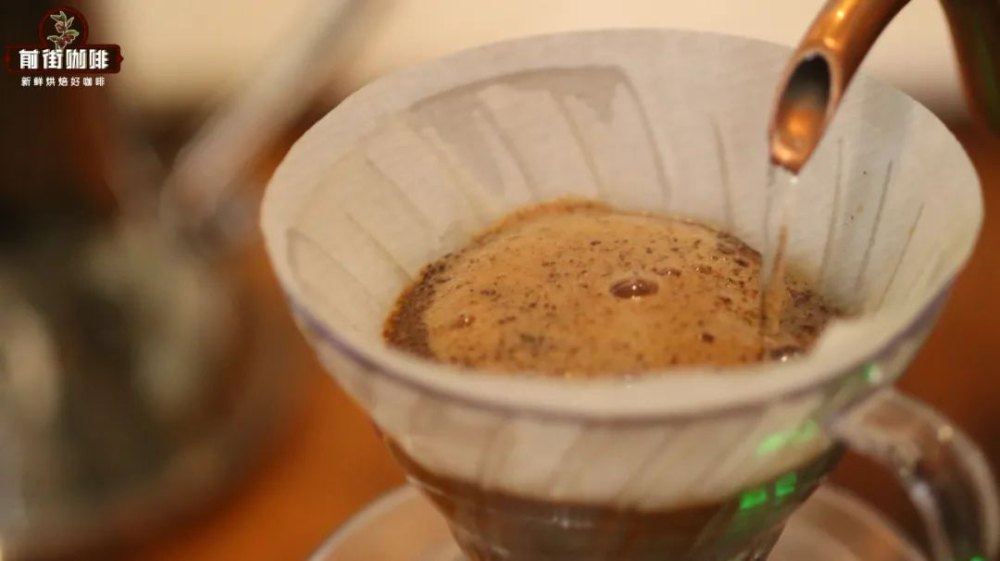
After 30 seconds, pour the second stage of 95g with a slightly larger, steady stream to lift the whole coffee bed. Pour vertically and evenly; the scale should read 125g, finishing around 55 seconds.
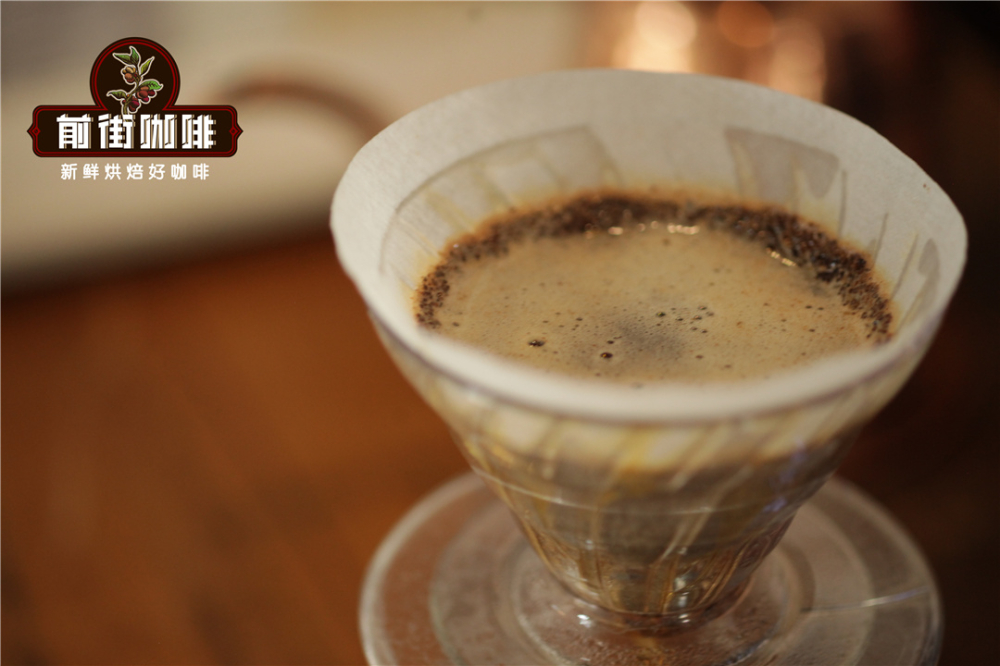
When the liquid level drops to half, pour the final 100g with a gentle stream in small circles. Keep the circles small — large sweeps disperse the grounds and cause under-extraction. Total water should reach 225g, with dripping finishing around 2 minutes. Remove the cone, swirl the coffee in the server to mix it evenly, and taste.

The per-stage amounts aren't fixed — adjust them with your own experience and understanding of the beans. FrontStreet Coffee believes there are thousands of ways to brew delicious coffee. Keep learning and practicing, and mastering pour-over's parameters isn't difficult.
For professional coffee knowledge exchange and more coffee bean information, please follow Coffee Workshop (WeChat public account: cafe_style).
For more specialty coffee beans, please add FrontStreet Coffee's private WeChat (FrontStreet Coffee), WeChat ID: qjcoffeex
FrontStreet Coffee Recommendation
The Guodingding Cooperative bean used above deserves a closer look. Ethiopia grows most of its coffee under a garden-farming model: each smallholder delivers harvested cherries to a village-level processing station, and lots are sold under a producer team's name — hence the many cooperatives, such as FrontStreet's Guo Ding Ding, Worka, and Konga. Guo Ding Ding sits in the Worka district at Yirgacheffe's southeastern edge; once part of the Worka cooperative under the Yirgacheffe Union (YCFCU), it became independent in 2012 with roughly 300 member farmers as the world's coffee hunters pursued ever finer traceability. Because the fruit is depulped before drying, the coffee's character comes through with unusual clarity: citrus and lemon tones, elegant white florals, and a bright, delicate profile.
If you'd like to compare a natural against that washed profile, the FrontStreet Ethiopia Huakui — from the Hambella district of Guji, Sidamo, on a 200-hectare farm — dries whole cherries on raised beds for 21 days, turned constantly and hand-sorted every three to five days before hulling and a final selection. A medium-light roast then reveals faint fermented wine notes, florals, citrus, and mango, with honeyed sweetness, cocoa undertones, a hint of spice, and a thick body with a long finish.
And for beans that suit a gentler, low-acid style with the same three-stage method, try the FrontStreet PWN Indonesia Golden Mandheling — deep-roasted, herbal, and dark-chocolate rich — or the FrontStreet Brazil Fazenda Rainha, low in acidity with dense nut and cocoa aromas and caramel sweetness, smooth in pour-over, espresso, or moka pot alike.
Important Notice :
FrontStreet Coffee is a long-established specialty coffee roaster in Guangzhou China, selling freshly roasted beans from its own farm in Yunnan as well as dozens of carefully selected single-origin beans from around the world for both pour-over and espresso. The products deliver consistently excellent quality and great value, with shipping within 24 hours. Guangzhou's FrontStreet Coffee shop is recommended by many coffee lovers, and the beans are now available online at the Tmall 。
FrontStreet Coffee has moved to a new address:
FrontStreet Coffee Address: 315,Donghua East Road,GuangZhou
Tel:020 38364473
 Scan and follow the En Gafei WeChat official account. Please indicate that the reprint comes from "En Gafei".