Hacienda La Esmeralda Blue Label Geisha Renamed to Las Rocas Volcanic Rock Coffee - Flavor Characteristics of New Blue Label Geisha Coffee Beans
In November of this year, FrontStreet Coffee received the first batch of Las Rocas brand Geisha coffee beans. The name may look unfamiliar, and that's fair enough: this brand was newly established this year, a fresh Panamanian Geisha label. The exterior is new, but what's inside feels familiar.
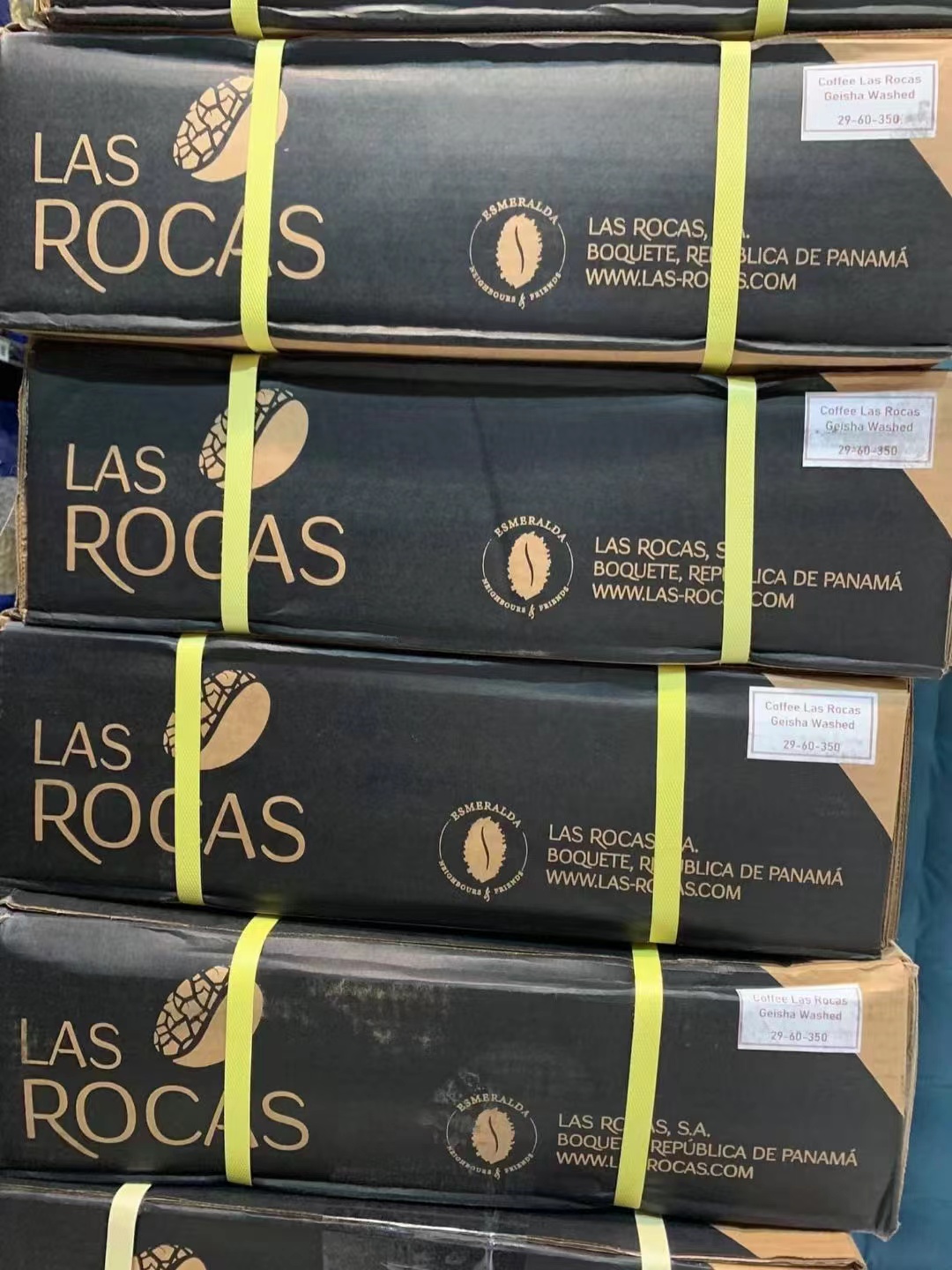
That's right: this Las Rocas Volcanic Rock Geisha is in fact the famous Hacienda La Esmeralda's Blue Label Geisha (Gesha 1500). Surprised?
The End of an Era and a New Beginning
When FrontStreet Coffee learned that Hacienda La Esmeralda would stop producing the Blue Label series in 2021, we were genuinely disappointed. As a barista myself, I know that noble Geisha commands noble prices, and it was only the Blue Label's accessible price that made it feel within human reach. Even at a lower price point, the Blue Label beautifully represents Hacienda La Esmeralda's Geisha flavor profile. Let me briefly explain the story behind the Red, Green, and Blue Labels.
Understanding the Label System
Hacienda La Esmeralda has 22 distinct plots, each with subtle differences in altitude. The most significant characteristic of Red Label Geisha is that it names the specific plot the batch comes from, and the altitude must fall between 1600-1800m. That lets buyers choose based on the subtle flavor differences between plots. Every year, coffee hunters gather at Hacienda La Esmeralda to debate whether this year's Red Label from the Mario plot is better or whether the Velo plot comes out ahead. The quality requirements are naturally the highest, which is why Red Label Geisha beans are typically large and full.
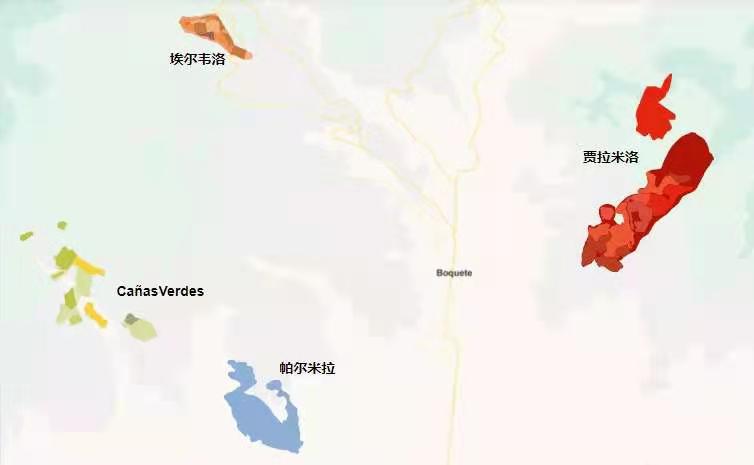
The Green Label selects plots similar to the Red Label but does not emphasize a specific plot, meaning Geisha beans from various small plots can be blended. You might assume Green Label is simply what's left after Red Label is chosen, but that isn't the case. Historically, Hacienda La Esmeralda's production order is: auction batches, Red Label batches, Blue Label batches, then Green Label batches. As a result, the first Red Label harvest comes from the early season, while Green Label comes from the late season. The later the coffee matures, the sweeter it becomes.
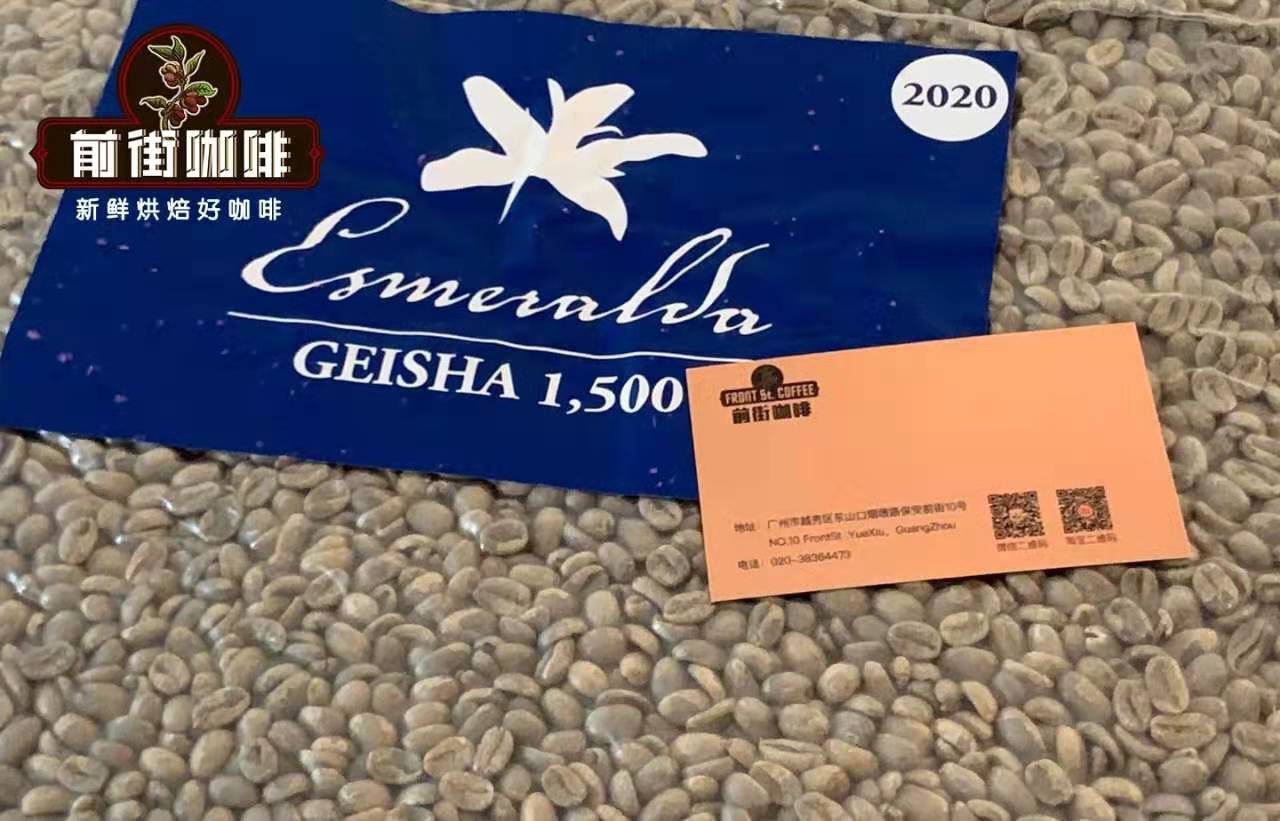
The Blue Label selects Geisha beans from 1500 meters, setting it apart from the Red and Green Label lines. Because the altitude is lower than the others, its quality is naturally not as high, but it helps to understand that Hacienda La Esmeralda's Geisha is like Apple's iPhone: even a non-flagship product outperforms what competitors offer. So while Blue Label Geisha may not be top-tier within Hacienda La Esmeralda, it is still exceptional next to others.
The Return of a Familiar Favorite
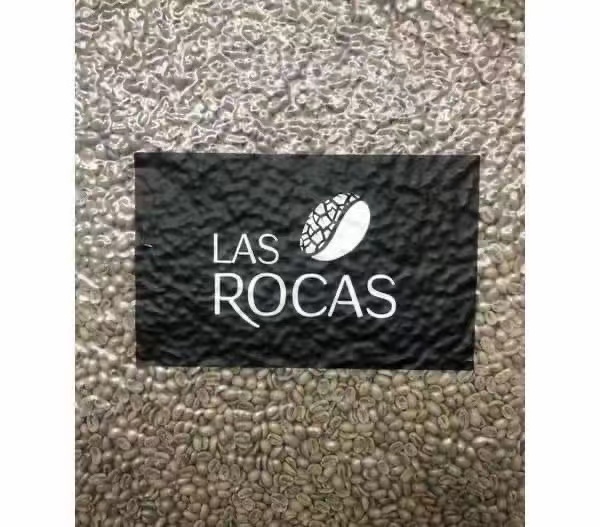
This year the Blue Label is gone, but Las Rocas Volcanic Rock Geisha has emerged. Same land, same trees. When FrontStreet Coffee received this Las Rocas Volcanic Rock Geisha, we compared its appearance: isn't this just the Blue Label? We immediately roasted a sample batch for cupping. "Ah! Still that familiar taste: jasmine aroma, citrus, honey, and a hint of pomelo."
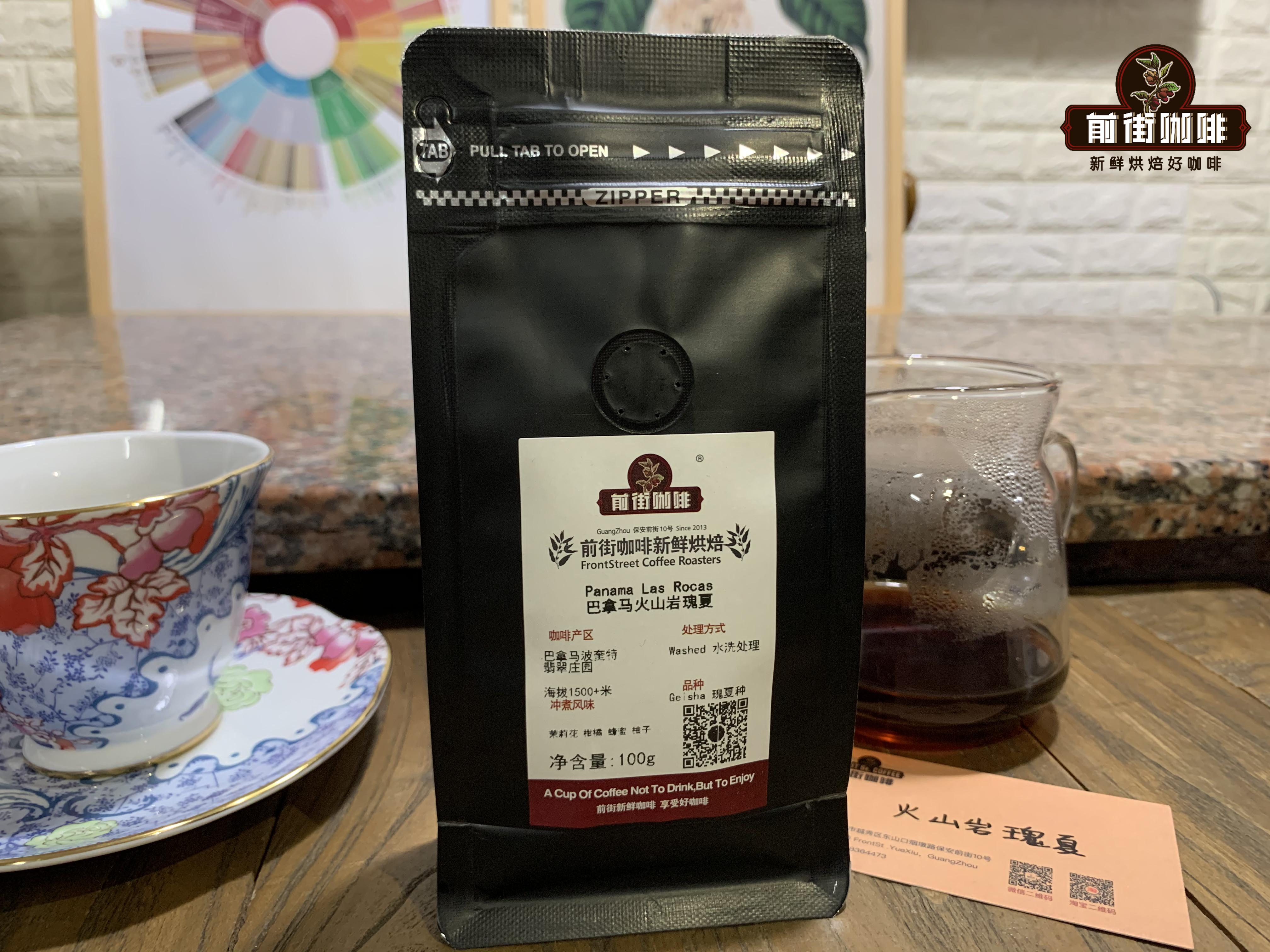
For those who loved the Blue Label Geisha, there is no need to mourn any longer. That familiar Blue Label you cherished has returned.
FrontStreet Coffee Recommendation
If you want to explore the top of the Esmeralda line, FrontStreet Coffee's Esmeralda Red Label Geisha is the flagship choice. Officially named "Esmeralda Special," it grows at 1600-1800 meters, must cup above 90 points, and each lot carries its own number and comes from a single small plot, so buyers can pick a lot to suit their taste. FrontStreet Coffee's Esmeralda Green Label Geisha, originally "Private Collection," blends batches from several plots to express the estate's signature high-altitude Geisha character, and its friendlier price makes it excellent value.
For newcomers who want a first taste of the "Geisha flavor," FrontStreet Coffee usually recommends the Panama Boquete Geisha. As an entry-level Geisha, it delivers the classic orange-blossom honey notes, an oolong tea-like body, and a fine sweet-tart fruit character with clearly defined layers at an affordable price. Those ready to go further can try FrontStreet Coffee's Geisha Village Gold Label and Red Label, both grown at the Geisha Village estate in Ethiopia, where strict quality control and standardized management produce Geisha with even more outstanding flavor.
Important Notice :
FrontStreet Coffee is a long-established specialty coffee roaster in Guangzhou China, selling freshly roasted beans from its own farm in Yunnan as well as dozens of carefully selected single-origin beans from around the world for both pour-over and espresso. The products deliver consistently excellent quality and great value, with shipping within 24 hours. Guangzhou's FrontStreet Coffee shop is recommended by many coffee lovers, and the beans are now available online at the Tmall 。
FrontStreet Coffee has moved to a new address:
FrontStreet Coffee Address: 315,Donghua East Road,GuangZhou
Tel:020 38364473
 Scan and follow the En Gafei WeChat official account. Please indicate that the reprint comes from "En Gafei".