Detailed Introduction to Wet-Hulled Processing: Origin Story and Characteristics
For more premium coffee knowledge, please follow the FrontStreet Coffee official account.
Indonesia's Unique Coffee Processing: The Wet Hulling Method
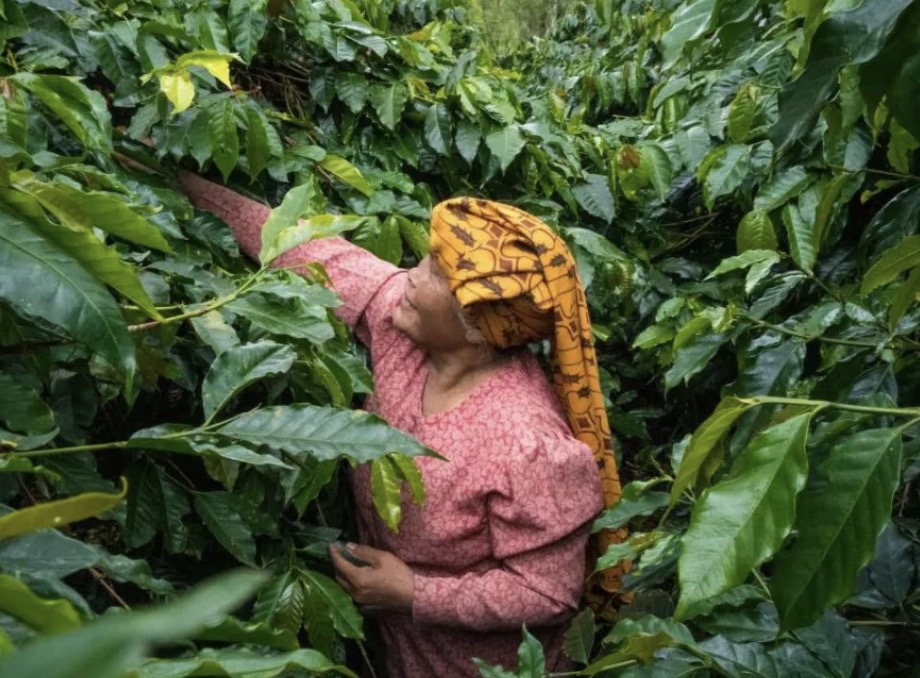
Indonesia is a notoriously hot and humid region with a tropical rainforest climate: high temperatures, abundant rainfall, light winds and high humidity throughout the year. These conditions make it hard for people to avoid a damp-heat constitution, and just as hard to dry plants to a mold-resistant state. Yet Indonesia is a major coffee-producing country, and Mandheling coffee grown in the Sumatra region draws significant attention from the global coffee market. Indonesians have therefore devoted considerable effort to speeding up the drying of Mandheling coffee and preventing mold during the process.
If conventional washed processing were used, fermenting in water tanks to remove pulp and mucilage and reduce drying time, the approach would be environmentally unfriendly: it requires large amounts of water and pollutes the environment with acidic post-fermentation water.
Natural sun-drying, meanwhile, which dries the whole coffee fruit with skin and pulp intact, cannot reach the moisture levels required for storage. The ingenious Indonesian solution was to combine the two methods, creating the wet hulling method used exclusively in Indonesia.
The Wet Hulling Process
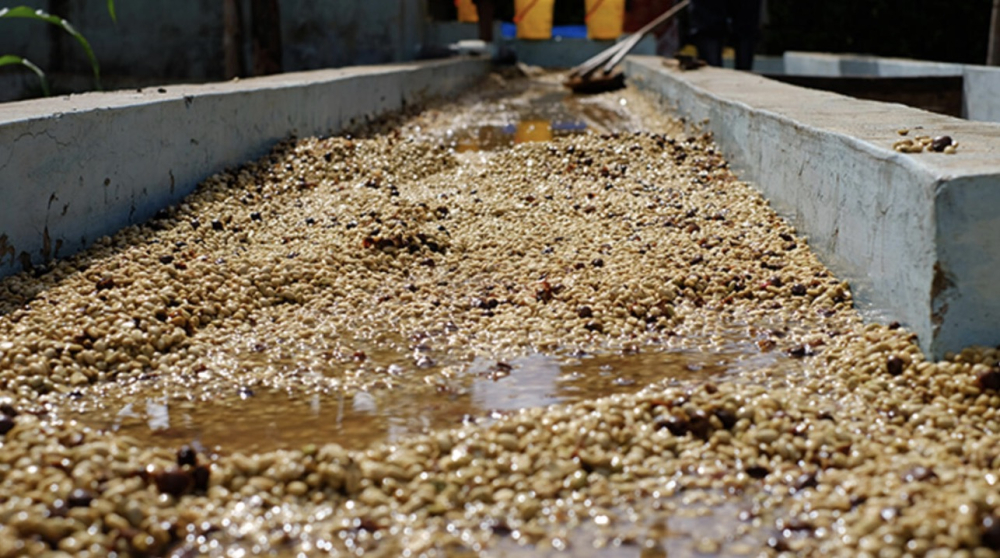
First, farmers harvest ripe coffee cherries and place them in water tanks for flotation selection, removing debris, dust and unripe cherries. The selected cherries are then run through a depulper to remove the skin and pulp while retaining the mucilage. The beans are placed in water tanks for 12 to 36 hours of fermentation, letting the mucilage layer decompose and fall away.
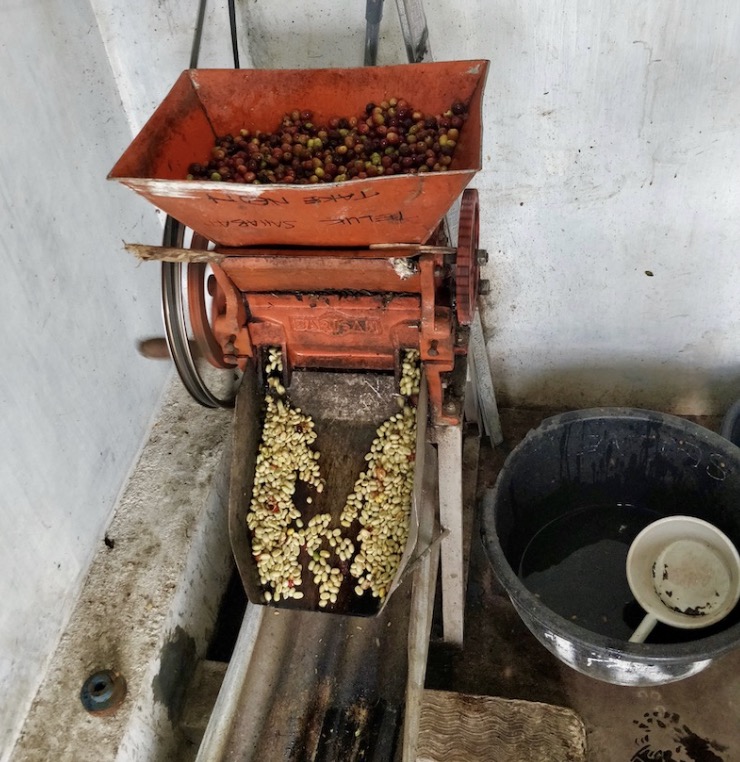
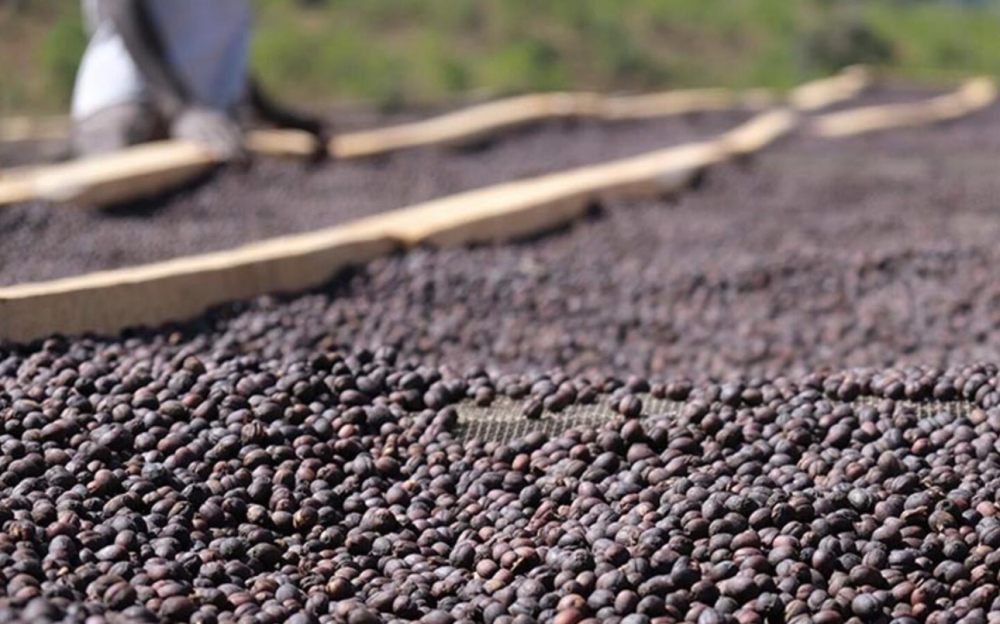
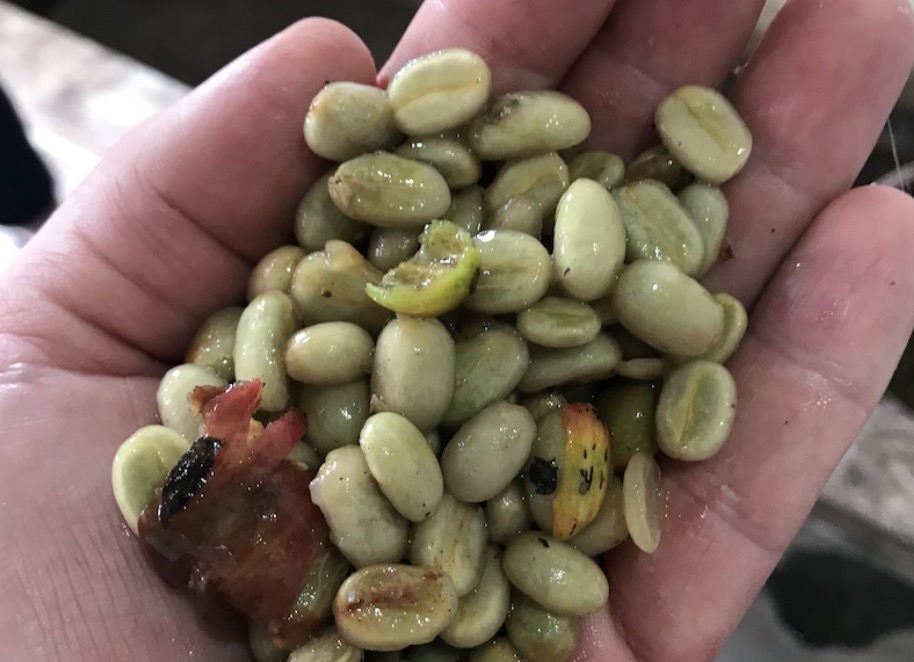
The beans are then thoroughly washed with large amounts of water. After cleaning, they are placed on the ground for brief drying, roughly two days, until the moisture content reaches 30%-50%. At this stage the beans are semi-soft and semi-hard, which allows them to be put through a hulling machine to remove the parchment layer.
Because the beans are in this semi-soft, semi-hard state, more force is required to remove the parchment, and that strong pressure easily damages the coffee beans, producing what we call "elephant beans" - beans with one side crushed. Finally, the processed beans undergo two days of intense sun-drying until the moisture content reaches 12%, completing the process.
Characteristics of Wet-Hulled Mandheling Coffee
FrontStreet Coffee has observed that after drying and parchment removal, Mandheling green beans show a blue-green color and smell of fresh grass and herbs. The beans are shaped like hooves, resembling sheep or horse hooves.
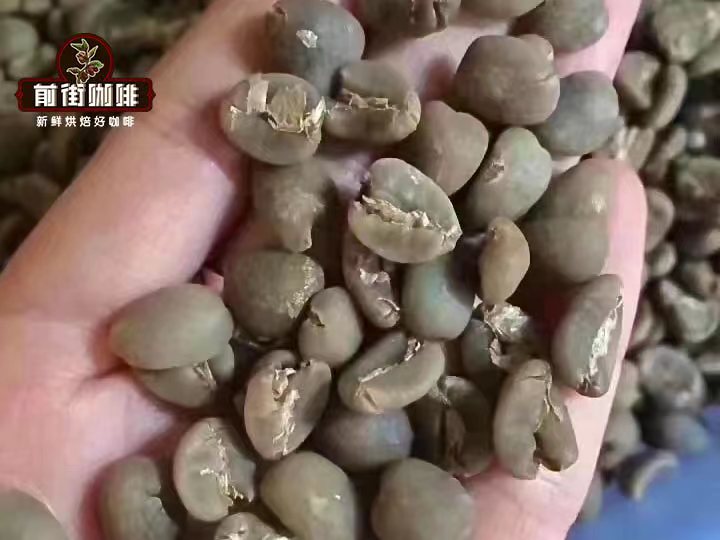
Compared with washed processing, beans processed this way have lower acidity. FrontStreet Coffee believes that Mandheling coffee from Indonesia owes its mellow flavor and unique herbal and spicy notes not only to the variety and climate but also to wet hulling, which is one of the key factors creating the distinctive taste of Mandheling coffee.
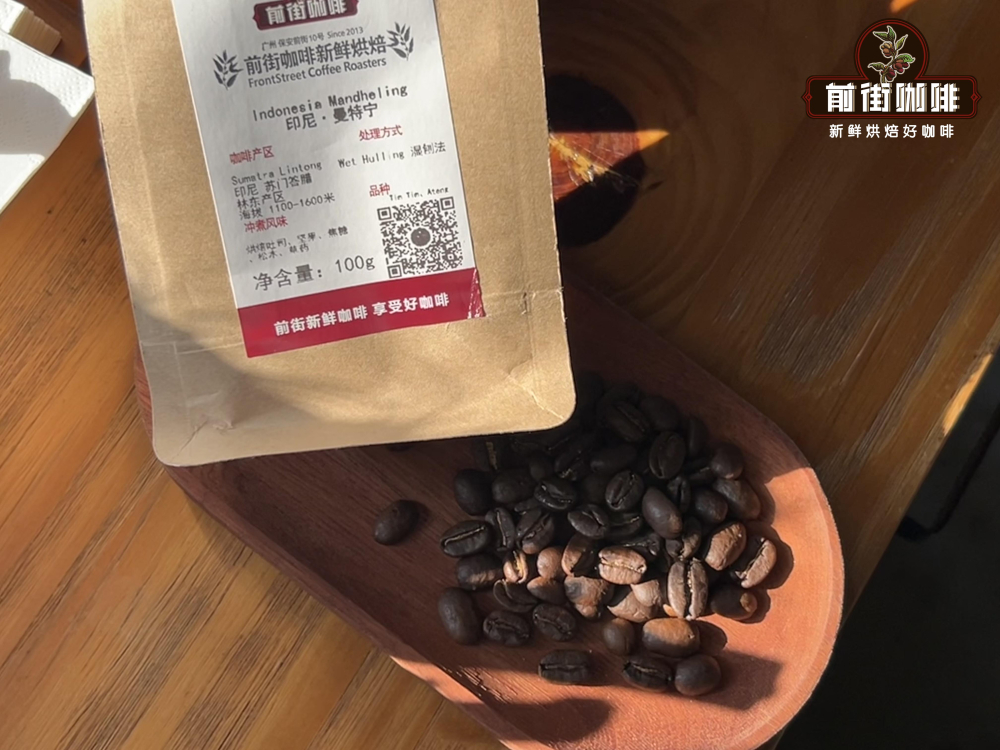
Of course, Mandheling beans of different quality, even when processed with the same wet hulling method, show significant differences in flavor and cleanliness. If some beans are of poor quality, grown at low altitudes for instance, or are not handled properly during drying, they can easily develop earthy or moldy flavors.
FrontStreet Coffee Recommendation
To taste what wet hulling can do at its best, FrontStreet PWN Golden Mandheling is the benchmark. Sourced by PWN, it is built on beans of 18 mesh or larger, with fewer than 3 defective beans per 300g green sample, which meets the top G1 standard, and it then goes through a further three rounds of hand sorting. The result is even, plump beans and a cleaner, sweeter cup with notes of sandalwood, herbs, spice, roasted hazelnut, caramel and dark chocolate.
For an everyday Mandheling that is easier on the wallet, FrontStreet Lintong Mandheling comes from the Lintong region of Sumatra and is a G1 wet-hulled, medium-dark roasted bean. It leans into the wilder side of the origin, with pronounced herb and spice notes over a low-acid, thick body. For pour-over, use 87-88°C water, 15g of coffee at a 1:15 ratio and a coarse-sugar grind, then pour in three stages: 30ml to bloom, 100ml to lift the bed and draw out the golden foam, and a gentle 95ml center pour to build sweetness.
If you would rather have that character as an espresso, FrontStreet Classic Blend adds a medium-dark Mandheling to a creamy Brazil base, so butter, roasted chestnut and caramel lead while the Mandheling brings sandalwood, herb and spice notes and a little Robusta rounds out the crema.
Important Notice :
FrontStreet Coffee is a long-established specialty coffee roaster in Guangzhou China, selling freshly roasted beans from its own farm in Yunnan as well as dozens of carefully selected single-origin beans from around the world for both pour-over and espresso. The products deliver consistently excellent quality and great value, with shipping within 24 hours. Guangzhou's FrontStreet Coffee shop is recommended by many coffee lovers, and the beans are now available online at the Tmall 。
FrontStreet Coffee has moved to a new address:
FrontStreet Coffee Address: 315,Donghua East Road,GuangZhou
Tel:020 38364473
 Scan and follow the En Gafei WeChat official account. Please indicate that the reprint comes from "En Gafei".