What is Red Label Gesha? Introduction to the Origin and Flavor of Panama Gesha Coffee Beans
The Magic of Red Label Geisha: FrontStreet Coffee's Complete Guide
Red Label Geisha refers to the premium Geisha-variety coffee produced by Panama's Hacienda La Esmeralda — the reigning champion among specialty coffee varieties, a perennial contender in coffee competitions, and a serial breaker of green-bean auction price records. What magical qualities make Geisha so captivating? Let's explore its story with FrontStreet Coffee!
What Grade is Red Label Geisha?
In the market you'll usually see three main brands from Hacienda La Esmeralda: Red Label, Green Label, and Blue Label — grades the Peterson family divides by cupping flavor from specific plots.

From highest to lowest, they are: ESMERALDA SPECIAL (Red Label batches, including competition lots), PRIVATE COLLECTION (Green Label batches), and Las Rocas (formerly Blue Label). The names baristas use domestically derive from the background colors of the brand labels.
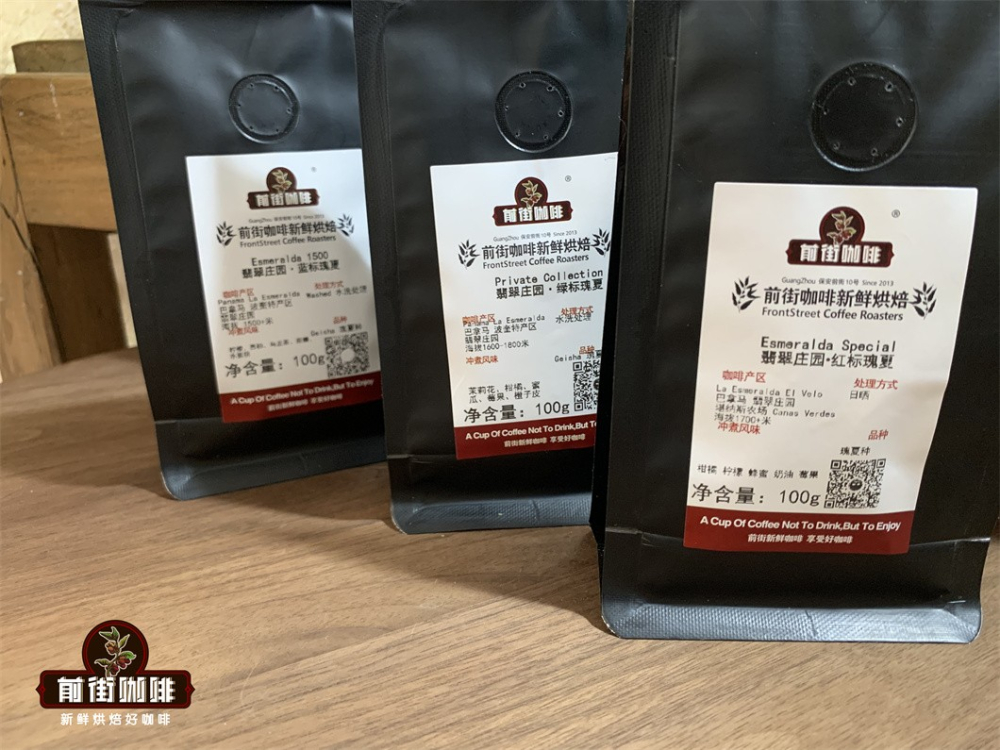
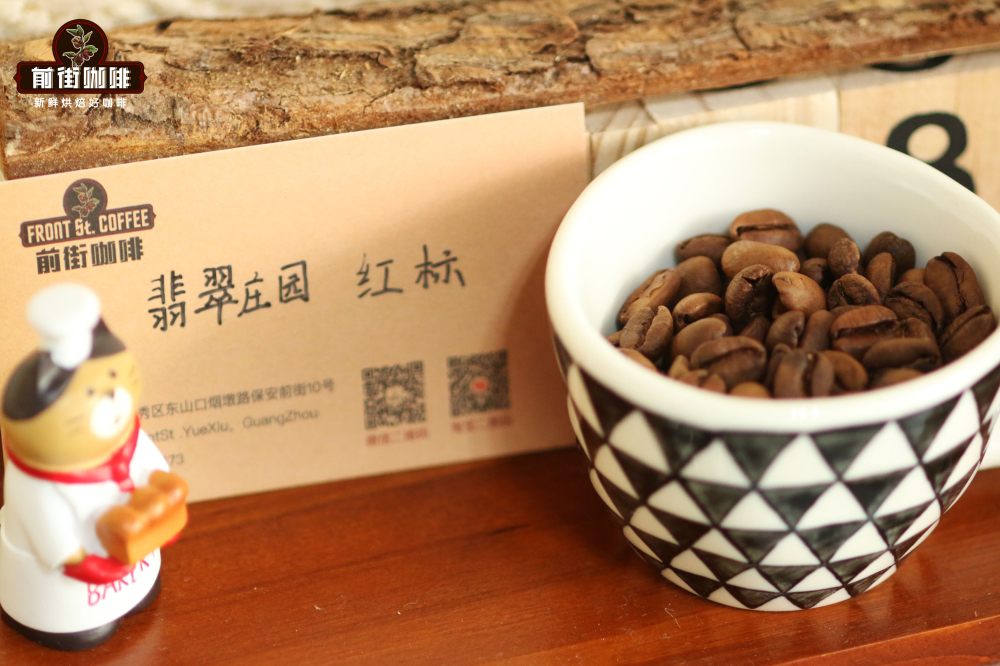
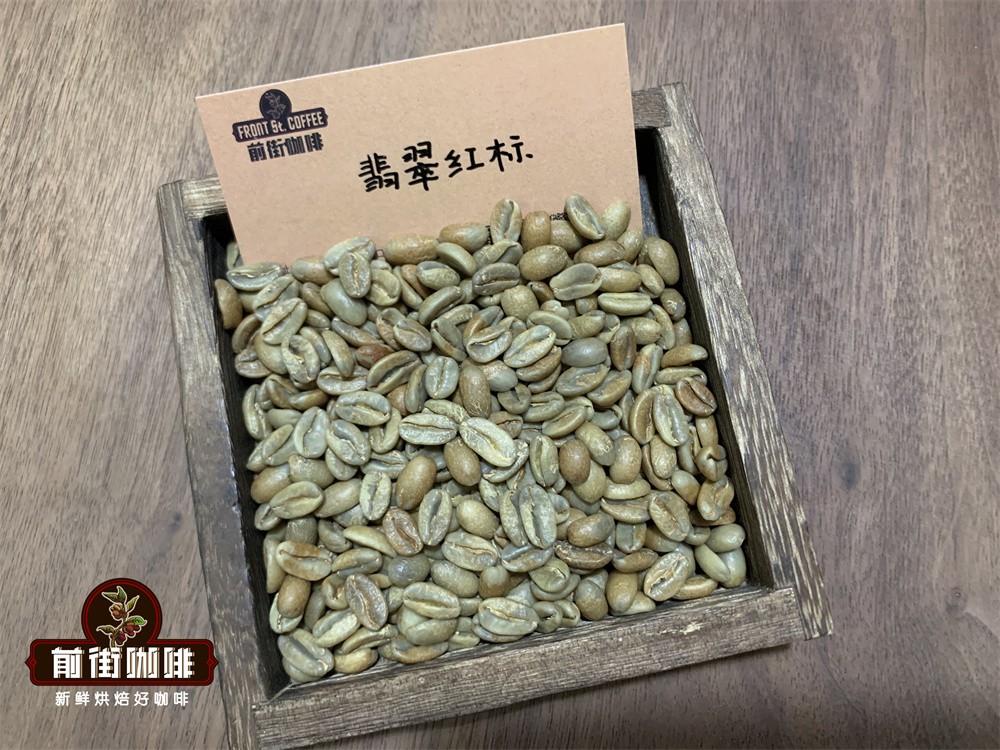
The top-ranked Red Label is harvested from Geisha cherries grown at high altitude (1600-1800 meters) with cupping scores exceeding 91 points, drawn mainly from three major farms within the estate. For all the difficulty of planting and harvesting at such heights, Geisha grown in the Boquete region shows the most vivid floral and fruit character. Hacienda La Esmeralda holds its own auction events, and Red Label batches selected from designated plots for competition are called competition lots. Each competition lot carries a unique number corresponding to the entire batch from a specific plot — and the one you hear about most often is probably the Mario plot of the Jaramillo farm. The Emerald Red Label Geisha that FrontStreet Coffee sourced comes from the Mario plot, natural-processed, presenting rich aromas of honey, citrus, rose, cream, complex fruits, and black tea.
While this domestic habit of substituting label colors for product names makes the grades easier to remember, it sometimes creates confusion through "color collisions." Another Geisha on the market also wears a red label background and is likewise called "Red Label" — from Gesha Village Coffee Estate in Africa, a large farm set in the dense wild jungle of Ethiopia's Bench Maji region. Unlike Emerald's Red Label, the official name of Gesha Village's Red Label is "Growers Reserve," meaning a grower's reserved selection. This tier accounts for 15% of the estate's total production and must score above 88 points in SCA cupping.

And above Gesha Village's Red Label sits an even higher grade — the Gold Label. Gesha Village's Gold Label Geisha carries its own English name, "Rarities," meaning rare treasures. Simply put, it's the highest-grade Geisha (non-auction batch) Gesha Village offers, named for the gold background of its trademark. According to the estate's official website, this grade accounts for only 10% of total production. Like Emerald's Red Label, each batch comes with plot information for buyers to consult.

Why is Hacienda La Esmeralda's Geisha the Most Famous?
Like many origins, Geisha itself traces back to Ethiopia, the birthplace of Arabica. In 1931, Geisha was first collected in the wild Kaffa forest of southern Ethiopia as part of a search for new disease-resistant varieties, named after the nearby Geisha Mountain. In the 1990s, the Peterson family grew increasingly serious about coffee production and acquired a new high-altitude farm, Jaramillo. Many of the farm's coffee trees were stricken with leaf rust, but Daniel Peterson noticed the Geisha trees had escaped serious damage — so the family transplanted the Geisha, originally grown in mixed planting, to more of the farm while raising its planting altitude.
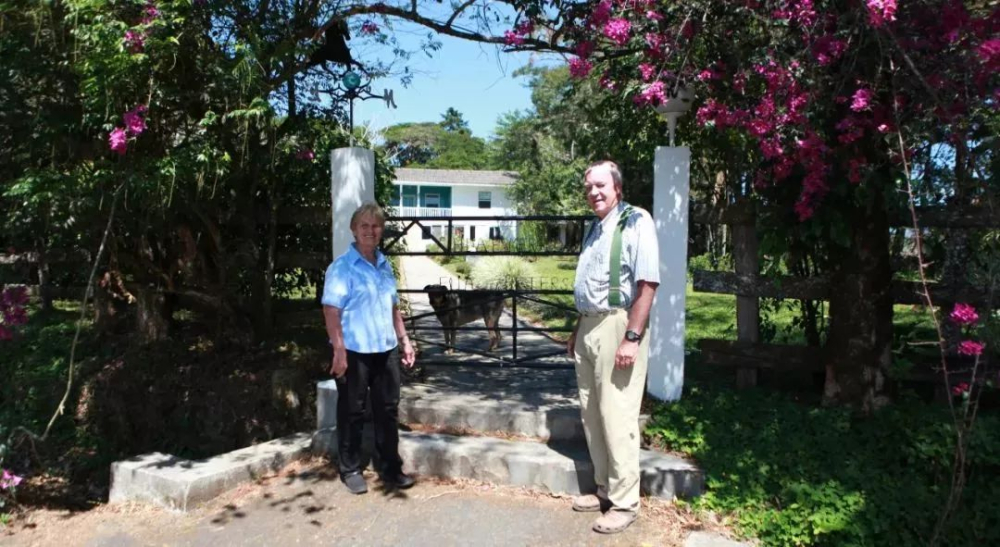
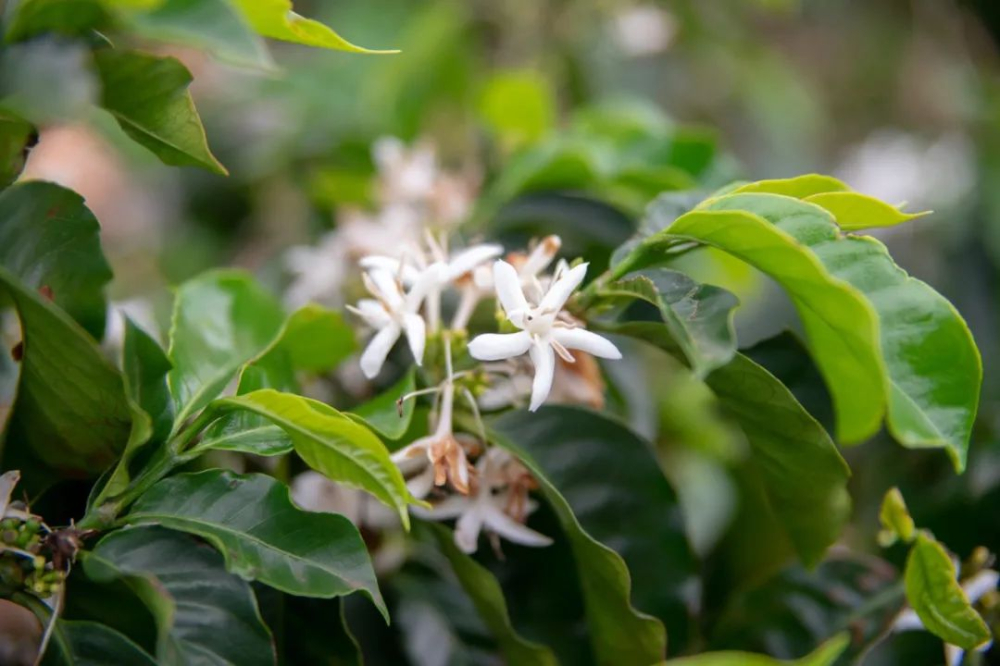
In 2003, the Petersons finally uncovered Geisha's potential. On their first cupping, it displayed intense white floral aromas, an extremely clean taste, and a berry, citrus, and bergamot-like aftertaste — the very prototype of the Panama Geisha flavor profile. Amazed, they entered it in the 2004 BOP (Best of Panama) competition under the name "Geisha." It broke that year's auction record at $21/pound, reached $804/pound in 2018, and by 2019 had surpassed $1,029/pound.
Hacienda La Esmeralda made Geisha famous and was the first estate to grade it strictly. Each year's Geisha lots command industry-wide attention. After the championship wins, the Peterson siblings managed the estate's Geisha trees more systematically by altitude, region, and cupping performance. Broadly, the Geisha-growing areas divide into three major plots: Canas Verdes, Jaramillo, and El Velo. To guarantee traceability, each major plot is further refined into sub-plots, letting Geisha buyers trace specific planting information through batch numbers.
The Geisha variety was first discovered in the Jaramillo plot — and it was here that the Daniel siblings chose to raise its planting altitude. As the site of Geisha's discovery and cultivation, Jaramillo has become Hacienda La Esmeralda's most renowned plot, with an average altitude above 1,650 meters. The cool, moist high-altitude air makes the Geisha here rich in natural essences and intensely fragrant. Jaramillo is currently divided into five sub-plots: Mario, Noria, Reina, Bosque, and Buenos Aires. Among them, Mario and Bosque have excelled in major competitions. The Red Label Geisha FrontStreet Coffee sourced comes from the Mario plot, natural-processed.
How to Brew Delicious Geisha Coffee?
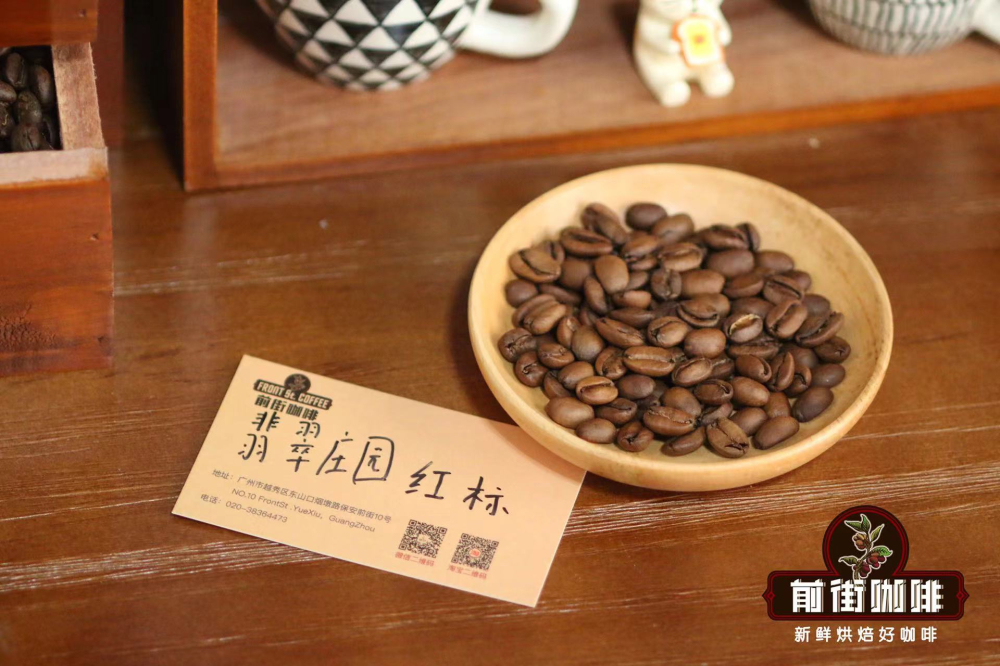
Geisha is world-famous for its lush florals and complex fruit tones. FrontStreet Coffee's roasters aim to preserve more of its quality acidity, choosing a medium-light roast (adjusted slightly per batch). This roast level doesn't appreciably soften the high hardness of high-altitude beans, so brewing calls for a boost in extraction rate to express fuller flavor layers — higher water temperature and a slightly finer grind to draw out more aromatic compounds. FrontStreet Coffee also wants Geisha's flavors to read clearly, so they raise the coffee-to-water ratio slightly, using 1:16.
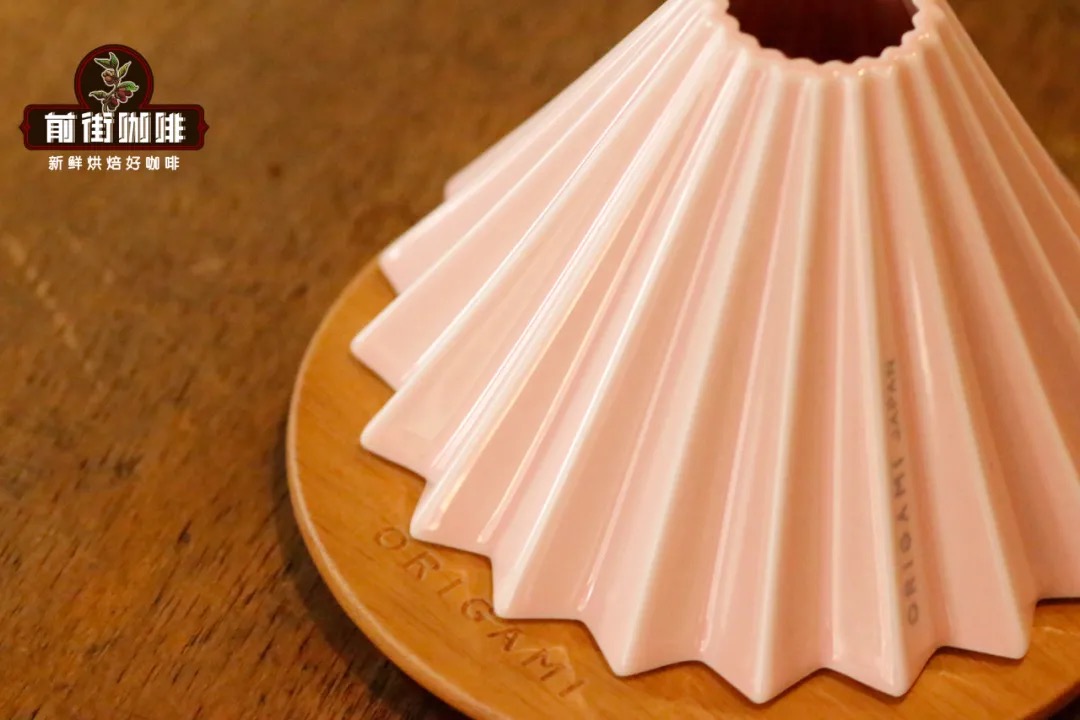
To raise extraction while avoiding over-extraction and highlighting the sweet-sour layers, FrontStreet Coffee's baristas use the V60 dripper. Its body features flow ribs running top to bottom and a large central hole that accelerates water flow, while the spiral vent design extends the water's path, increasing contact between grounds and hot water. Each stream converges along the grooves toward the center, concentrating pressure on the grounds for a richer, more layered cup.
Next, FrontStreet Coffee demonstrates the brewing steps for the Emerald Red Label Natural Geisha served in its store — use them to compare against your own approach.
The pour-over parameters for Red Label Geisha are: Dripper: V60, Water Temperature: 92°C, Coffee Amount: 15g, Coffee-to-Water Ratio: 1:16, Grind Size: fine-sugar size (80% pass-through on a 20-mesh screen)
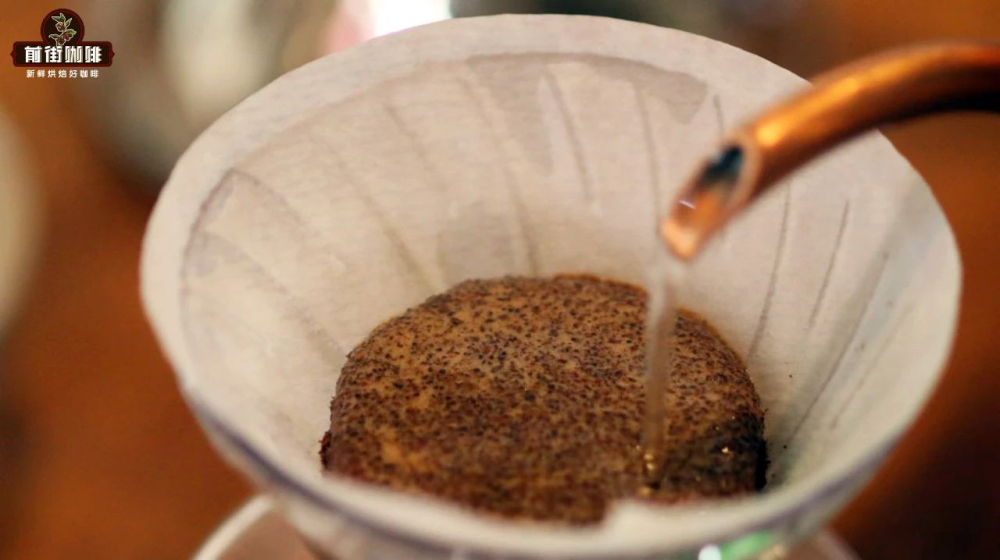
Fold the filter paper to fit the dripper, moisten it lightly so it adheres well, and discard the water from the server. Add the grounds and tap gently to level the bed. First pour: gently inject 30g of water to bloom for 30 seconds. Second pour: inject up to about 125g, pouring evenly and steadily in outward circles. Then wait for the liquid to drop to half, and inject the final water up to 240g. Let all the coffee finish dripping — total extraction typically runs about 2 minutes.
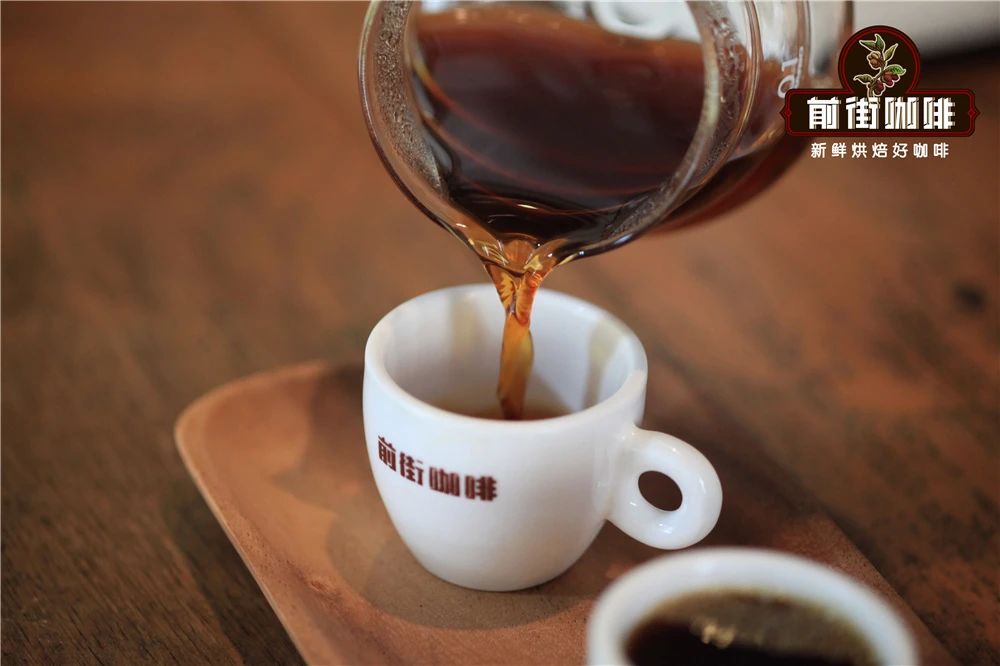
A hand-poured Emerald Red Label Geisha offers fresh jasmine, citrus, and tropical fruit acidity, with flavor layers that shift as the cup cools. The texture is smooth throughout, and the tea-like aftertaste lingers pleasantly.
For professional coffee knowledge exchange and more coffee bean information, please follow Coffee Workshop (WeChat public account: cafe_style).
For more specialty coffee beans, please add FrontStreet Coffee's private WeChat: qjcoffeex
FrontStreet Coffee Recommendation
Geisha — from the English "Geisha" — is one of the most beloved varieties in Arabica coffee, conquering countless drinkers with its unique florals and superb sweet-sour finish. Its persistently high price reflects low yields, weak disease resistance, and demanding cultivation, so knowing the product tiers matters if you want great Geisha at a fair price. For beginners who want a first taste of the legendary "Geisha flavor," FrontStreet Coffee recommends the entry-level Panama Boquete Gesha: at an accessible price it delivers the classic orange-honey character of high-quality Panamanian Geisha, with an oolong-tea feel, delicate fruit acidity, and clearly layered structure.
Ethiopia, coffee's birthplace, has its own Geisha estates — most famously Gesha Village, where a husband-and-wife team built a 475-hectare farm 12 miles from the Gesha forest and identified, by plant morphology, bean shape, and cupping performance, the variety closest to Panama Geisha. Gesha Village grows three Gesha varieties (Gori Gesha, Gesha 1931, and Illubabor Forest) and grades them into Gold Label RARITIES, Red Label GROWERS RESERVE, Green Label SINGLE-TERROIR, and CHAKA batches. The FrontStreet Gesha Village Gold Label — Gesha 1931, 10% of total production, refined natural process — is the estate's top non-auction coffee, frequently chosen by competing baristas, with complex, captivating flavors from dry fragrance to finish; the Red Label is Gori Gesha at 15% of production, scoring 88+ in SCA cupping, with full traceability per batch. For a more approachable estate-level option, the FrontStreet Granana Gesha — a single-variety farm near Yirgacheffe, hand-picked and dried on raised beds for 14-20 days — offers bright citrus acidity, elegant ginger-flower aroma, ripe-fruit sweetness, and a silky, signature Gesha finish at a medium-light roast.
Brewing Geisha is easy to get right: it's a medium-light, floral-fruity bean with a hard texture that can sink and clog the drip holes, so grind to a 78% pass-through on China's #20 sieve (about fine sugar) and use 91°C water. FrontStreet's recipe: 15g of coffee in a small Hario V60 at 1:16, three-stage pouring — 30g bloom for 30 seconds, then a small circular pour to 125g, topping up to 225g once the bed drops to half, finishing in roughly 2 minutes 10 seconds to 2 minutes 20 seconds. Geisha also makes a wonderful SOE: the medium-roasted FrontStreet Granana Gesha SOE, extracted at 20g coffee, 1:2 ratio, 25 seconds for 40g of espresso, yields dried apricot, caramel, and nut flavors — and as an Americano (1:5, 200g hot water) it tastes of orange, nuts, and blueberry.
Important Notice :
FrontStreet Coffee is a long-established specialty coffee roaster in Guangzhou China, selling freshly roasted beans from its own farm in Yunnan as well as dozens of carefully selected single-origin beans from around the world for both pour-over and espresso. The products deliver consistently excellent quality and great value, with shipping within 24 hours. Guangzhou's FrontStreet Coffee shop is recommended by many coffee lovers, and the beans are now available online at the Tmall 。
FrontStreet Coffee has moved to a new address:
FrontStreet Coffee Address: 315,Donghua East Road,GuangZhou
Tel:020 38364473
 Scan and follow the En Gafei WeChat official account. Please indicate that the reprint comes from "En Gafei".