What is Arabica Coffee? An Introduction to Arabica Coffee Bean Flavor, Taste, Growing Altitude, and More
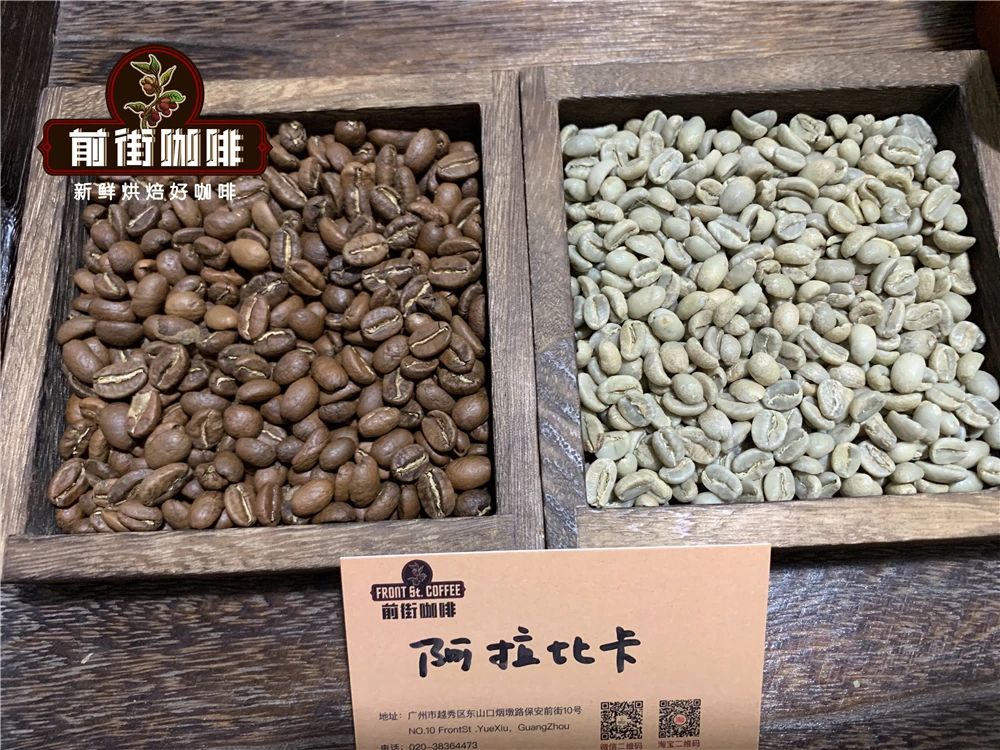
When you shop for coffee, you have probably seen products labeled "Arabica." What exactly does that mean? Why do merchants go out of their way to emphasize that their coffee is the Arabica variety? In this article, FrontStreet Coffee introduces the characteristics of this coffee variety.
Arabica Coffee Originates from Ethiopia
Although the name "Coffee Arabica" came from Arabia, the plant itself comes from coffee's homeland, Ethiopia. After discovering coffee, Ethiopians would first pick the leaves and chew them for stimulation, and the fruit was used as medicine. Later, through the research of Arab scholars, people developed the habit of roasting and drinking it. In the sixteenth century, Arabs spread it around the world through trade, and it gradually grew into the popular beverage we know today. Many of the specialty coffees we are familiar with belong to the Arabica variety, such as Jamaica Blue Mountain, Panama Geisha, and Ethiopia Yirgacheffe.
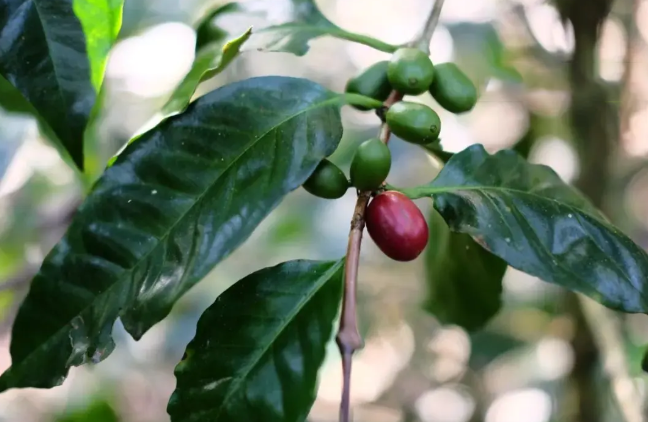
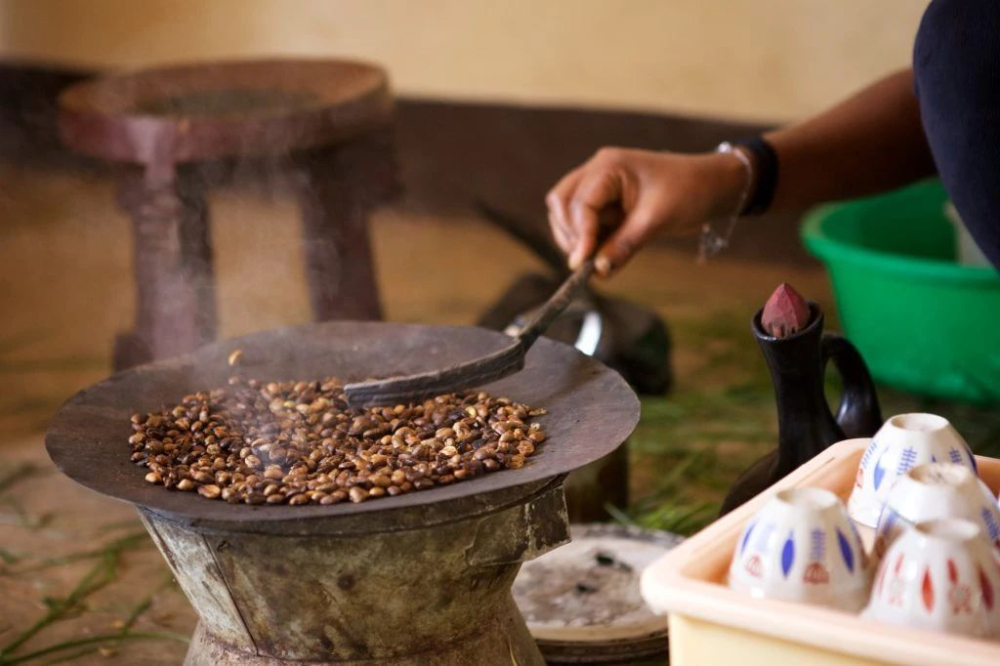
Ethiopia is Africa's largest coffee-producing country, and within Arabica alone there are more than 2,500 sub-varieties. Coffee is not only an important source of income for Ethiopians but has also become part of the country's culture and daily life. Besides being exported, a large share of the coffee grown in Ethiopia is consumed at home. Rich or poor, every household keeps a set of tools for making coffee. For Ethiopians, drinking coffee is a highly ceremonial and important social activity.
Because of its mild, elegant flavor and lower caffeine content, roughly 0.9% to 1.5% of the bean's weight, Arabica has higher commercial value and is the main species in today's coffee industry, accounting for 60% to 70% of global coffee production and sales. Besides Arabica, there is another variety on the market whose output is second only to Arabica: Robusta. So why do people pass over Robusta and favor Arabica instead?
Arabica Compared with Robusta
As the two most common varieties on the market, Arabica belongs to the small-bean group while Robusta belongs to the medium-bean group. Compared with Robusta's 22 chromosomes, Arabica has 44 chromosomes, or 22 pairs. Having double the chromosomes not only gives Arabica a superior aroma but also brings it a rich, distinctive sweet-and-sour flavor, which makes it taste better than Robusta.
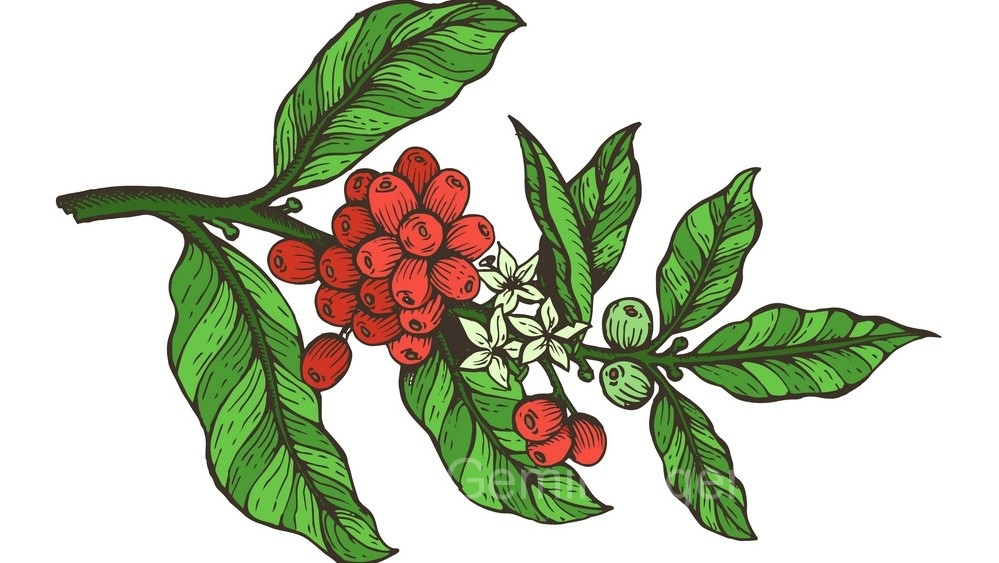
To express diverse flavors, Arabica needs to be grown at high altitudes of 800 to 2200 meters without frost. The higher the altitude, the greater the temperature difference, which slows the ripening of the coffee fruit and helps flavor compounds accumulate, leading to fuller aroma development. The microclimates of different producing regions give Arabica a wide range of growing conditions, which in turn form unique flavor profiles. At the same time, higher altitudes make coffee more vulnerable to pests and weather. Generally, coffee planted higher yields fewer fruit and ripens more slowly. High-quality Arabica also requires more hands-on management and harvesting, which pushes up production costs.
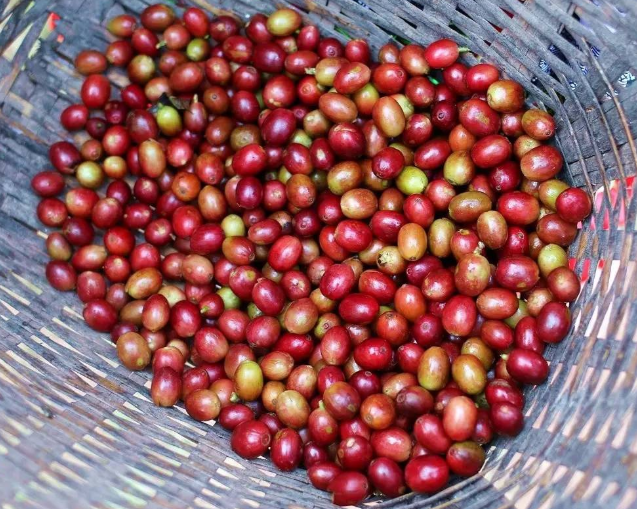
Next to the "delicate" Arabica, Robusta's caffeine content is 2.7% to 4%, double that of Arabica. As a natural pesticide, caffeine protects the plant from most insect damage, which makes Robusta easier to grow and cheaper. It also has higher amino acid and chlorogenic acid content, giving it a mellow, deeper bitterness with flavors of walnut, peanut, hazelnut, wheat and grain. When it is not processed well, it can also taste earthy, which makes it less popular and often destined for dark-roasted espresso blends or instant coffee.
In the past, people drank coffee simply for rich, mellow bitterness. As specialty coffee culture has spread, expectations for coffee's taste, texture and quality have risen. That is why aromatic Arabica beans suit today's demanding specialty market better than Robusta. Many of the single-origin pour-over coffees on FrontStreet Coffee's menu belong to the Arabica variety, which shows that people prefer pure-flavored Arabica over Robusta.
Specialty Arabica Coffee Bean Recommendations
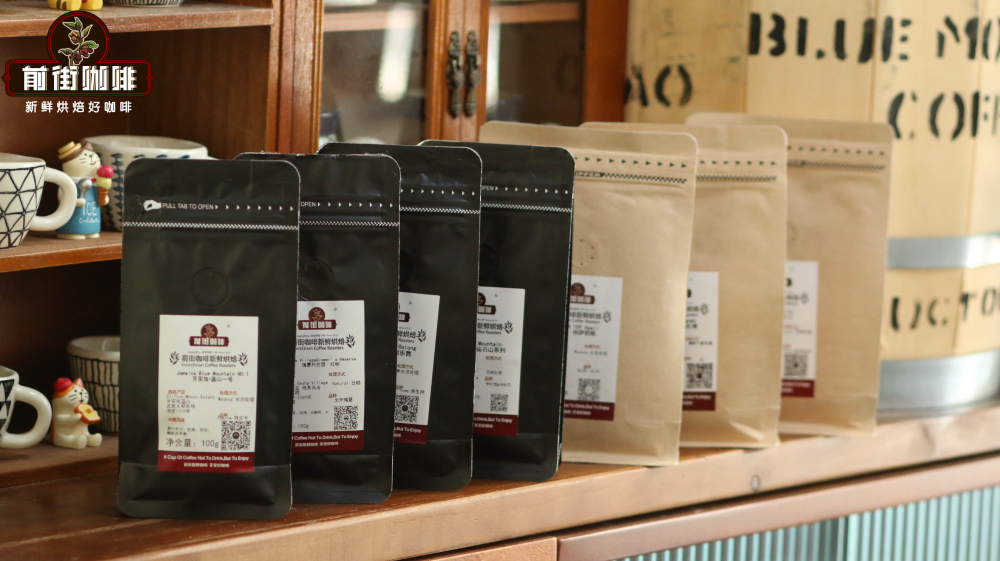
On FrontStreet Coffee's bean shelf there is a cost-effective daily coffee series featuring 7 classic producing regions and covering a range of common Arabica varieties. Daily coffee beans, as the name suggests, are meant to be drunk every day without burden, and both their price and their flavor stay approachable. FrontStreet Coffee has picked several "flagship representatives" so you can learn the base flavors of the major regions. These include Ethiopia's washed Yirgacheffe, Guatemala's washed Huehuetenango, Colombia's washed Huila, Brazil's semi-washed Cerrado, Costa Rica's washed Tarrazu, Indonesia's wet-hulled Lintong Mandheling, and China's Yunnan washed Baoshan.
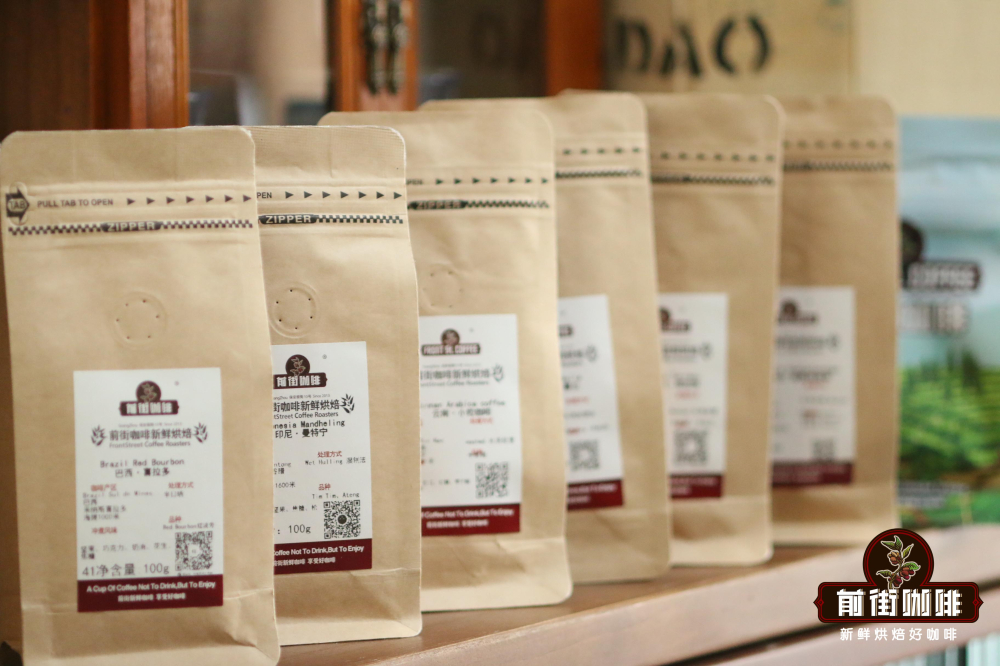
Each of these daily beans works for pour-over, cold brew, French press and other methods. If you want the most original aroma of the coffee, FrontStreet Coffee suggests drinking it black. Whatever method you use, FrontStreet Coffee believes freshness matters a great deal. Once the roast date is more than two months old, the coffee's aroma has likely faded, and even the best technique can hardly bring it back into the cup. So that everyone can catch coffee at its peak, FrontStreet Coffee only ships beans roasted fresh within 5 days, so you can start brewing the moment they arrive.
Making Rich Espresso with Arabica
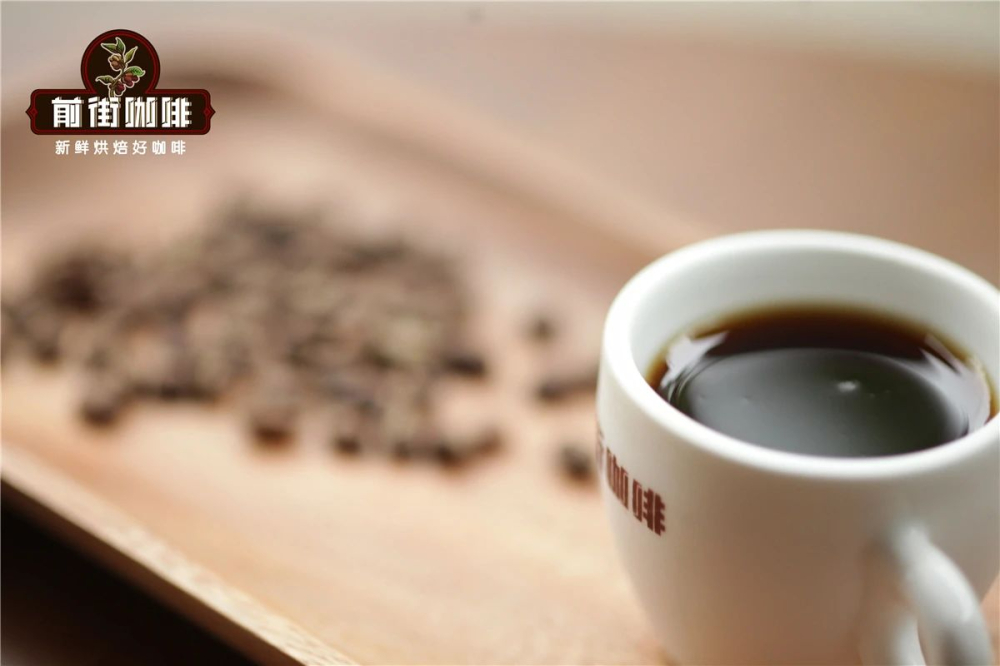
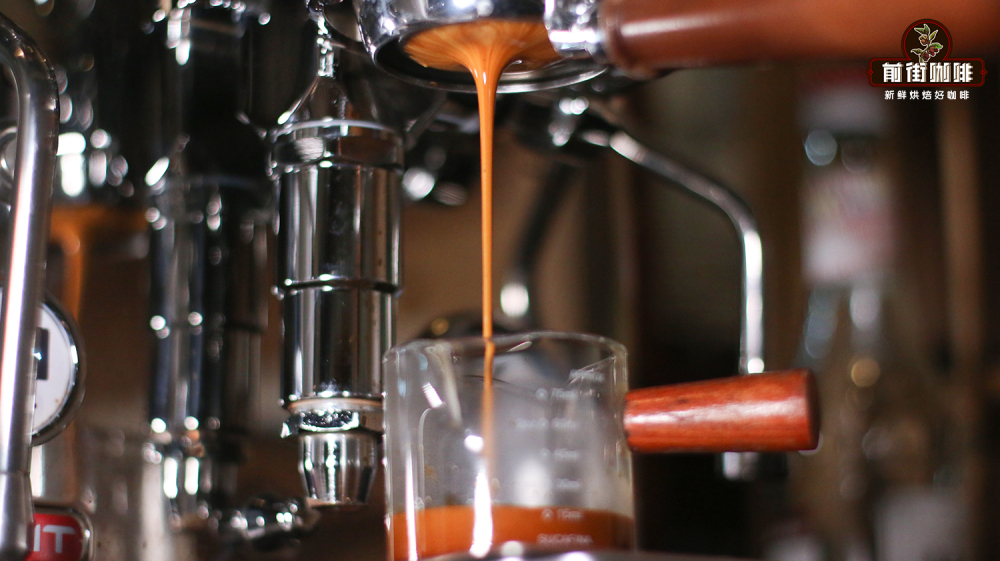
If you want to use Arabica coffee to make rich, mellow espresso, FrontStreet Coffee recommends espresso-specific blended beans. Because espresso is extracted through a fine grind, high water temperature and high pressure, the concentrate gathers multiple flavors, and the various flavor compounds hit our taste buds on a multiplied scale. If we instead extract from lightly roasted single-origin beans, the taste can be too strong and mask the coffee's aroma. Coffee is an agricultural product and changes with climate and soil, so even from the same place, each batch will taste a little different. Blending takes the approach of complementing strengths and covering weaknesses, so that every batch can show a balanced, stable aroma and taste.
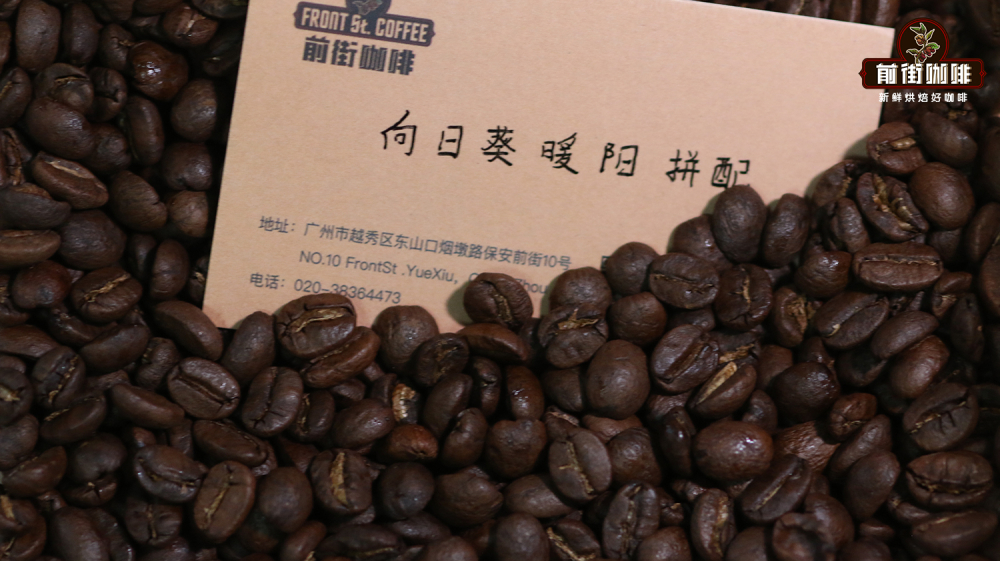
FrontStreet Coffee recommends its own roasted "Sunflower Warmth Blend Coffee Beans," made from Ethiopia natural Red Cherry coffee beans (30%) plus Honduras Sherry Cask coffee beans (70%). Extracted as espresso, it shows sherry whiskey, vanilla and cream flavors alongside Red Cherry's tropical fruit and fermentation notes, leaving the cup rich in aroma with a smooth texture. Diluting the espresso with a certain proportion of water makes a refreshing, delicious Americano, while adding milk makes a dense, silky latte with a vanilla chocolate milk taste.
FrontStreet Coffee Recommendation
Since we have been talking about Arabica, here are a few FrontStreet beans that show off what the variety can do. The FrontStreet sun-dried Huakui is a naturally processed Ethiopian heirloom with delicate floral notes and very prominent fruit: strawberry with cream, mango, jackfruit, citrus and blueberry, the ripe tropical profile that Sidamo natural beans are known for. If you prefer a cleaner cup, the FrontStreet Yirgacheffe Gutingding Cooperative is the washed counterpart, graded Ethiopia's top G1 and showing elegant white florals, citrus, orange and green tea.
For something unmistakably Arabica and remarkably balanced, the classic reference is Typica. FrontStreet's Jamaica Blue Mountain No. 1 walks the fine line between acidity, sweetness, bitterness and aroma rather than pushing any one of them, with flavors of cream, caramel, chocolate, nuts, honey and a hint of fruit, plus a soft round body and a long clean finish. And for the variety at its most celebrated, the FrontStreet Panama Red Label Geisha from the Emerald Estate layers jasmine, citrus, peach and mixed-fruit acidity over a creamy texture, with an oolong-tea sweetness in the aftertaste.
Important Notice :
FrontStreet Coffee is a long-established specialty coffee roaster in Guangzhou China, selling freshly roasted beans from its own farm in Yunnan as well as dozens of carefully selected single-origin beans from around the world for both pour-over and espresso. The products deliver consistently excellent quality and great value, with shipping within 24 hours. Guangzhou's FrontStreet Coffee shop is recommended by many coffee lovers, and the beans are now available online at the Tmall 。
FrontStreet Coffee has moved to a new address:
FrontStreet Coffee Address: 315,Donghua East Road,GuangZhou
Tel:020 38364473
 Scan and follow the En Gafei WeChat official account. Please indicate that the reprint comes from "En Gafei".