Which Country Produces Robusta Coffee Beans? A Detailed Introduction to the Origin Story and Differences Between Robusta and Arabica Coffee Varieties
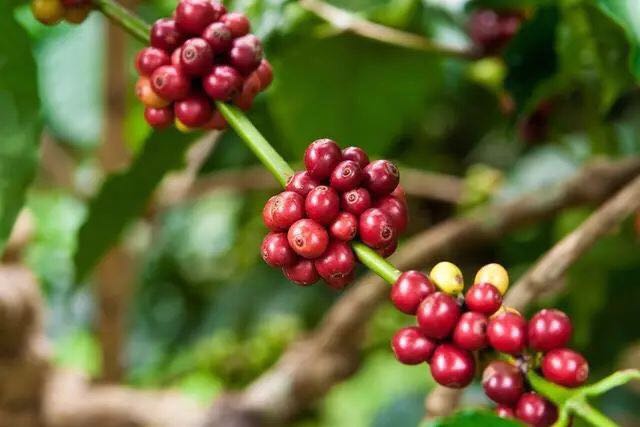
If you drink coffee regularly, you probably know the flavor profiles of beans from different producing countries; dig a little deeper and you learn which varieties tend to taste better. When we first start drinking coffee, we may hear baristas mention "Typica," "Arabica," or "Robusta" and feel lost about what they mean. These are coffee varieties, and there are three main groups: Arabica, Robusta, and Liberica.
Today, FrontStreet Coffee helps you understand what makes Robusta coffee beans special.
Arabica Varieties
Arabica is the group most people know well. Varieties we hear about all the time - Typica, Bourbon, Geisha - all belong to Arabica. Arabica originates in the Ethiopian highlands and, thanks to its excellent flavor quality, is now widely cultivated, accounting for 70% of global coffee production.

Robusta Variety
Robusta is heard of less often. Generally people know it does not taste as good as Arabica and is not considered specialty coffee, and that it is typically used for commercial beans. Strictly, the Robusta coffee species should be called Canephora, with Robusta being a widely cultivated sub-variety of the Canephora species. For this reason, Robusta has almost entirely replaced Canephora as the representative name for the species. Robusta originated in the Congo Basin of West Africa. Because it grows at low altitude, yields heavily, and is easy to cultivate, it is widely grown; its production accounts for 20%-30% of global coffee production.
Robusta Origins
Robusta originated in the Congo Basin on the west coast of Africa. Under strict botanical classification it should be called "Coffea canephora" (the Congo species), to correspond with "Coffea arabica" at the same classification level. It is often overlooked because other Canephora varieties have never been domesticated or commercially cultivated, remaining in their original wild state. Major Robusta-producing countries include Indonesia, Vietnam, and West African countries centered around Algeria and Angola.
Every island of Indonesia produces coffee. In the mid-17th century, coffee trees were introduced to Indonesia by the Dutch. In 1712, the first batch of Java coffee was sold to Amsterdam. In 1877, coffee leaf rust destroyed every coffee tree in the plantations, making it necessary to bring in Robusta trees from Africa to replace the original varieties. Indonesia is one of the world's main Robusta producers.
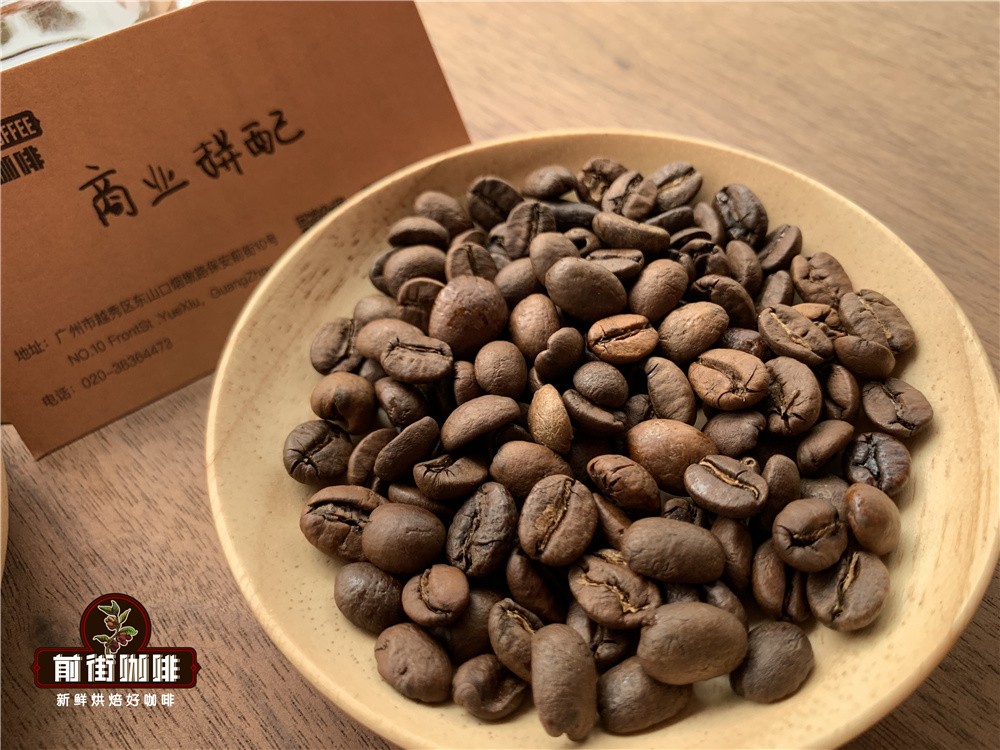
Vietnamese coffee is predominantly Robusta, with perhaps a little Arabica, and is an essential component in many commercial blends. FrontStreet Coffee's selection includes one variety from Vietnam - Robusta beans - which FrontStreet Coffee uses for commercial blending.
Robusta beans are generally used for instant coffee, canned coffee, liquid coffee, and other industrial coffee production. The extracted liquid yield is about twice that of Arabica, and its caffeine content is much higher than Arabica's.

Growing Conditions
Arabica is highly sensitive to its growing environment, so areas suited to Arabica are mostly found in the coffee belt between the Tropic of Cancer and the Tropic of Capricorn, in high mountain terrain.

Arabica requires growing altitudes of 800-2,000 meters, and higher altitudes generally yield better quality. Arabica is currently the most widely distributed coffee variety, grown across Asia, Central and South America, and Africa. Ethiopia, Kenya, Panama, Colombia, and Brazil are all famous Arabica-producing countries. What we call specialty coffee comes from Arabica varieties - only Arabica beans qualify as specialty coffee.

Because of its strong adaptability, Robusta thrives on plains and at low altitudes. It has a higher chlorogenic acid content, about 7% to 10%, which makes it less susceptible to pests and climate swings. It is generally grown at lower altitudes, fruits abundantly, and matures quickly.
Appearance of Robusta Coffee Beans
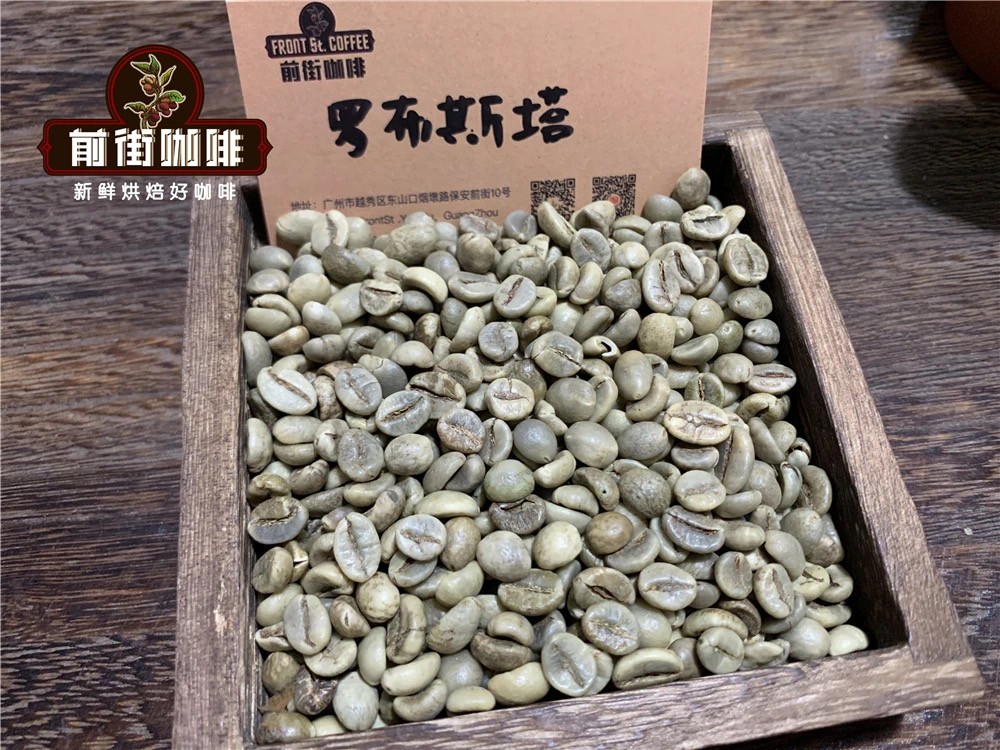
Robusta beans typically have one bean per cherry. They are rounder in shape and C-shaped, with a center line that reads like a "1"; raw beans are a yellowish-brown color.
Advantages of Robusta
Growing Conditions
The global coffee belt lies between the Tropic of Cancer and the Tropic of Capricorn, and Robusta is no exception. Its requirements, however, are less demanding than Arabica's. Robusta can grow at lower altitudes and higher temperatures. It grows faster than Arabica and tolerates extreme weather better. It is widely cultivated in Vietnam, Brazil, and India; Hainan in China also grows Robusta.
Pest Resistance
Robusta's caffeine content ranges from 2.7% to 4%, twice that of Arabica. Caffeine acts as a natural pesticide, protecting the plant from most insect damage.
Disease Resistance
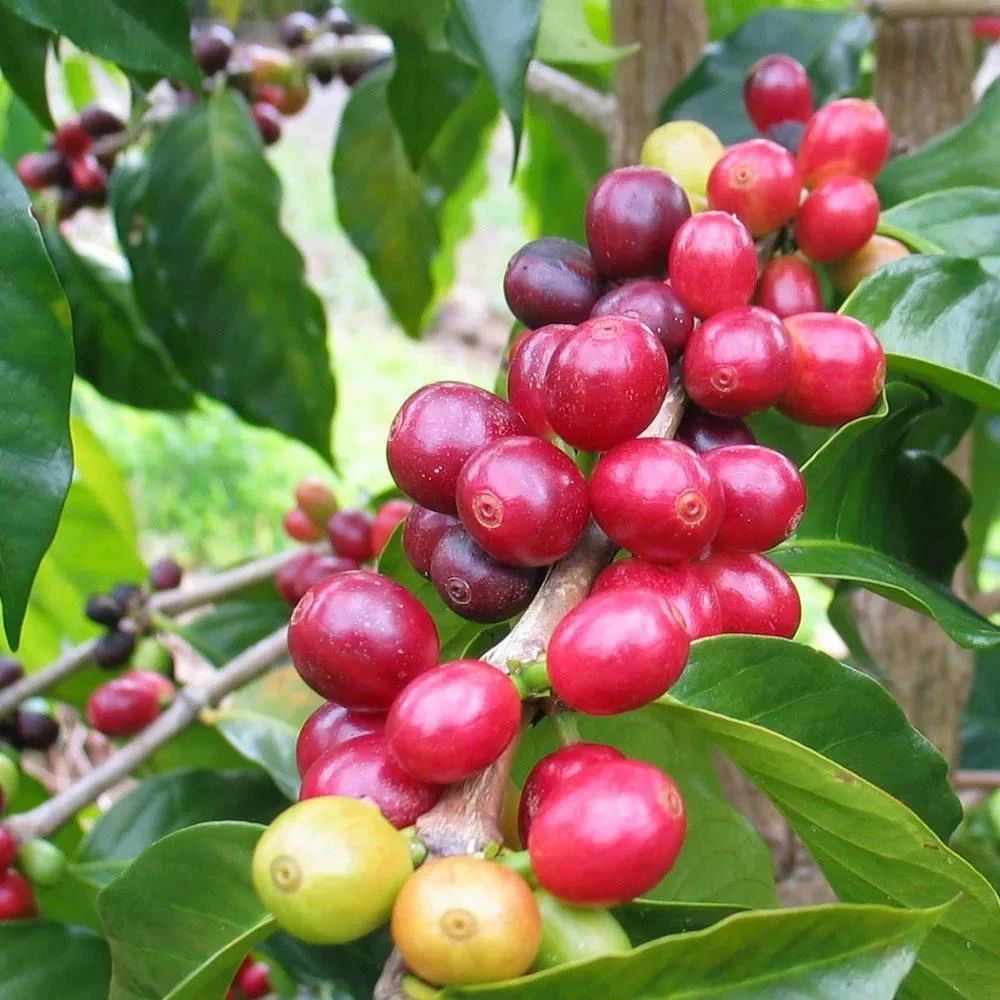
We generally know that Arabica has 44 chromosomes while Robusta has 22. More chromosomes usually mean greater genetic complexity and more advanced traits - yet Arabica is self-pollinating while Robusta is cross-pollinating, and pollination is a genetic process.
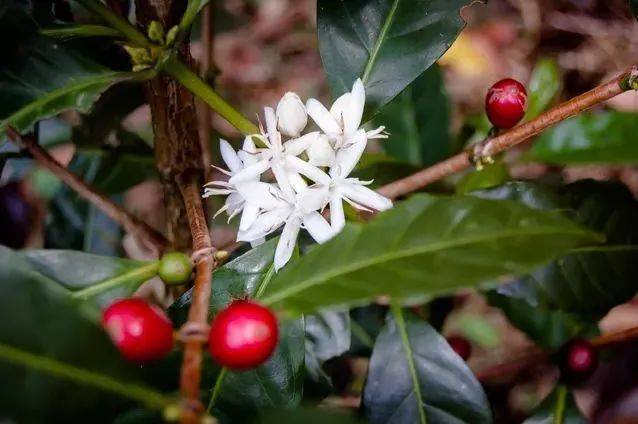
Cross-pollinated plants often produce higher quality, since offspring inherit traits from both parents and may develop new characteristics that help them survive a changing environment. Self-pollinating Arabica is therefore rather fragile; its genes become increasingly homogeneous through continual reproduction without outside genetic input. If a disease such as leaf rust appears, it can wipe out plants that share the same genes. Robusta's strength lies in constantly adapting through genetic change.
Disadvantages of Robusta
Flavor
Compared with Arabica, Robusta has higher caffeine, amino acid, and chlorogenic acid content. Chlorogenic acid is the source of bitterness, so Robusta naturally lacks the delicate aromatic fragrance unique to Arabica. Instead, it offers a richer, deeper body with flavors of walnut, peanut, hazelnut, wheat, and grains, and sometimes a pungent earthy note. Because of its inferior flavor, Robusta is often rejected by the specialty community and is typically blended with Arabica or turned into instant coffee.
Compared with Arabica, Robusta has higher caffeine, amino acid, and chlorogenic acid content. Chlorogenic acid is the source of bitterness, so Robusta naturally lacks Arabica's delicate aromatic fragrance. Instead it offers a richer, deeper body, more abundant coffee oils, and flavors of walnut, peanut, hazelnut, wheat, and grains, sometimes with a pungent earthy note. Thanks to its abundant caffeine, Robusta is commonly used as the raw material for instant coffee. Its caffeine content sits at about 2.7% to 4%, it is rich in coffee oils, and it is thick in body. Some espresso blends also add a suitable amount of Robusta to achieve rich, heavy crema.
FrontStreet Coffee Brewing Suggestions
To brew a good cup, variety matters - but so does freshness. FrontStreet Coffee believes bean freshness is a vital part of brewing. FrontStreet Coffee ships beans within 5 days of roasting because freshness heavily impacts flavor. FrontStreet Coffee's roasting philosophy is "Freshly Roasted Good Coffee," ensuring every customer receives the freshest coffee on arrival. The resting period is about 4-7 days, so by the time customers receive their coffee it is at peak flavor.
Of course, some customers need FrontStreet Coffee to grind their beans, and that is perfectly fine. FrontStreet Coffee must remind you, though: pre-ground coffee does not need a resting period, because during transport the pressure from carbon dioxide building up in the packaging also helps round out the flavor, so you can brew a cup as soon as the grounds arrive. Ground coffee does need to be brewed promptly, however, because it oxidizes quickly once exposed to air - the flavor dissipates relatively fast and the cup won't taste as good. FrontStreet Coffee therefore suggests buying whole beans and grinding fresh before brewing to appreciate the flavor at its best.
FrontStreet Coffee Recommendation
If this comparison leaves you wanting to explore what Arabica can do, Geisha is the most celebrated place to start. FrontStreet Boquete Geisha is an entry-level estate Geisha from Panama grown at 1,600 meters on fertile volcanic ash soil, showing the signature jasmine florals along with green tea, honey, citrus, and orange.
To experience the famed Esmeralda line, FrontStreet Esmeralda Red Label Geisha is harvested from a single plot above 1,700 meters and delivers a refined orange-blossom honey character. Geisha is a light-to-medium roast with a firm, dense bean, so FrontStreet suggests grinding to about fine-sugar size (roughly 78% passing a Chinese standard #20 sieve) and brewing at 91°C - for example, 15g of coffee in a small Hario V60 at a 1:16 ratio.
For a value-driven way to enjoy Geisha-style florals, FrontStreet Strawberry Candy pairs a Costa Rican honey-process coffee with Panama Geisha, offering delicate florals and sweet fruit and working well for pour-over, moka pot, espresso machine, or cold brew.
Important Notice :
FrontStreet Coffee is a long-established specialty coffee roaster in Guangzhou China, selling freshly roasted beans from its own farm in Yunnan as well as dozens of carefully selected single-origin beans from around the world for both pour-over and espresso. The products deliver consistently excellent quality and great value, with shipping within 24 hours. Guangzhou's FrontStreet Coffee shop is recommended by many coffee lovers, and the beans are now available online at the Tmall 。
FrontStreet Coffee has moved to a new address:
FrontStreet Coffee Address: 315,Donghua East Road,GuangZhou
Tel:020 38364473
 Scan and follow the En Gafei WeChat official account. Please indicate that the reprint comes from "En Gafei".