Horse Champion Coffee Bean Origin Introduction and Flavor Characteristics Description - What's the Difference Between New Horse Champion Coffee Beans and Horse Champion 6.0
The Story of Guanhua Coffee: From TOH Champion to Specialty Favorite
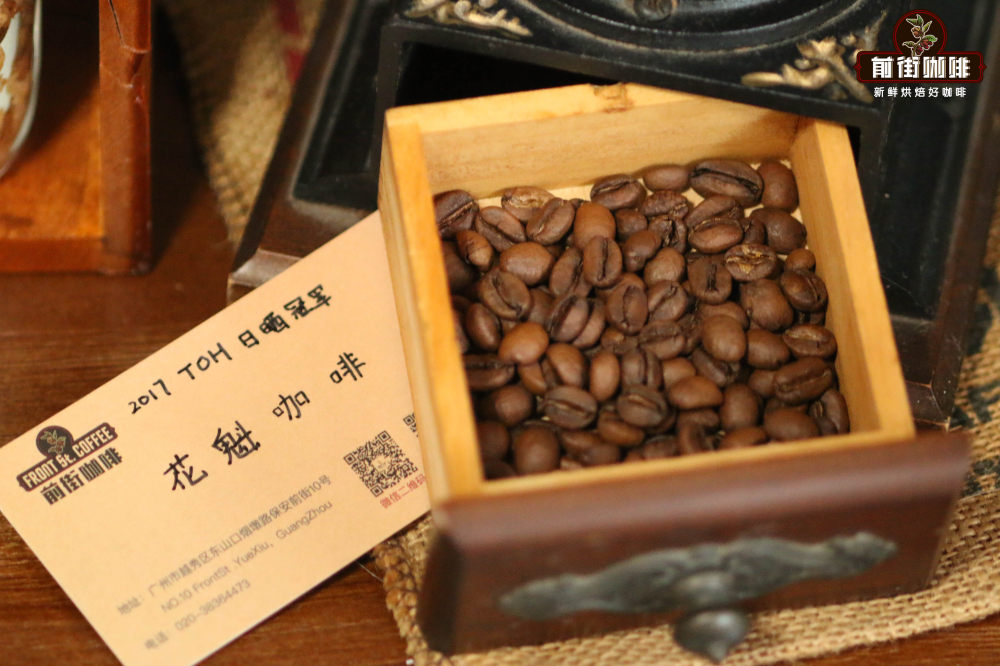
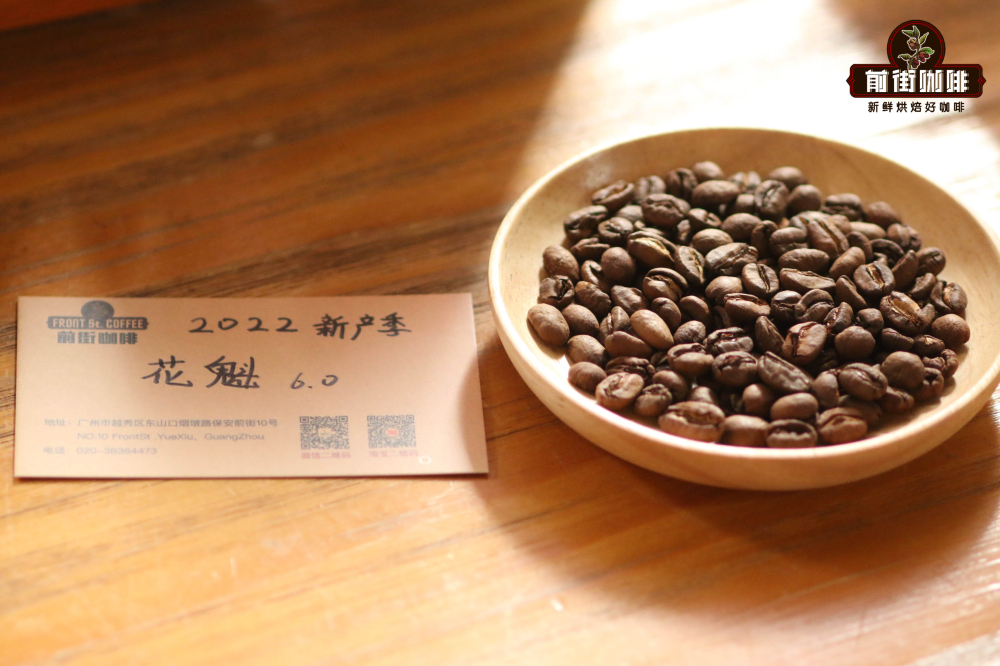
Anyone who has spent time in specialty coffee has probably heard of "Guanhua" coffee beans. After becoming an overnight sensation at the 2017 TOH (Taste of Harvest) competition, and then being taken to competitions by Chinese baristas who won championships with it, that year's Guanhua "dominated" the Geisha category and left an unforgettable impression on everyone who tasted it.
The reason Guanhua became so popular is the sheer allure of the 2017 TOH Natural Process Champion lot: a creamy smoothness like strawberry cream, rose aromatics, and tropical-fruit fermentation notes. Later harvests of Guanhua X.0 may not have been quite as astonishing as the 2017 crop, but their juicy mouthfeel and black-tea aftertaste, together with a very friendly price, let countless beginners discover for the first time that coffee isn't just bitter — it can be as fresh and enticing as fruit tea.
The Evolution of Guanhua Coffee
"So are the current Guanhua X.0 beans different from the 2017 Guanhua?" Yes — the flavor profiles are genuinely different. Coffee is an agricultural product: fruit development and flavor formation depend on climate, soil, and environment, so one exquisite harvest guarantees nothing about the next. That's why DW Green Bean Company used the X.0 suffix to mark each harvest season — the 2018 crop was Guanhua 2.0, and the 2022 crop is Guanhua 6.0.
The Origin and Naming of Guanhua
"Why can't you find Guanhua coffee beans abroad?" Because "Guanhua" is a name coined by the Chinese trade! Overseas, these beans are simply known as natural-processed coffee from the Hambella region. After the 2017 championship, DW expanded the number of processing stations in Hambella's core Dimtu area — "Buku Abel," "Buku Saysay," "Haro Soresa," and "Tirtiro Goye" — with an annual coffee output of roughly 1,100 tons. Among all these stations and growing areas, only the area processed by "Buku Abel" covers the original small production zone that produced the champion "Guanhua" naturals.
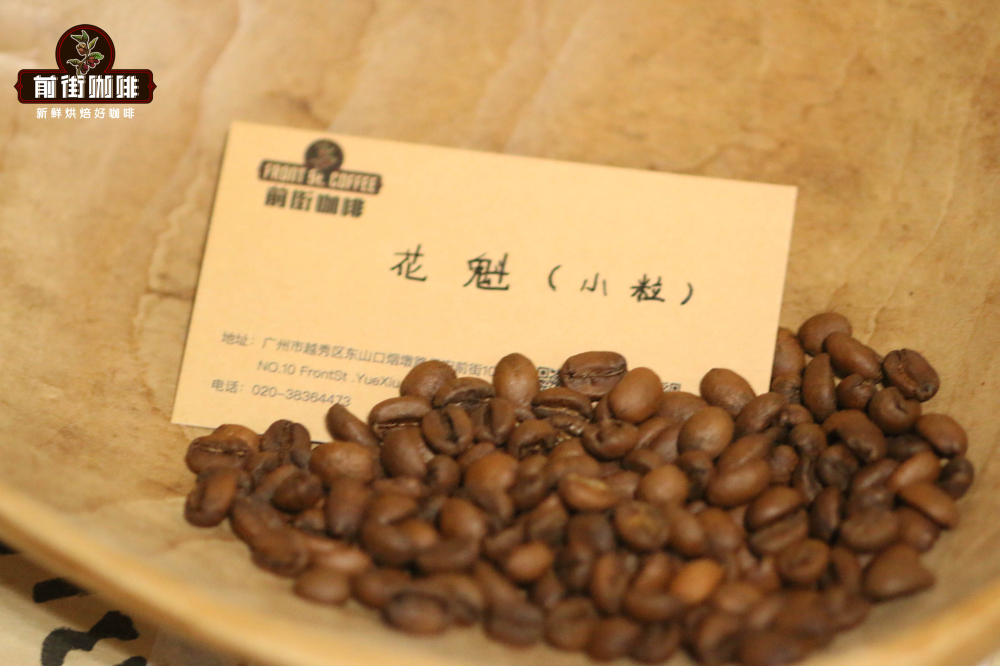
Strictly speaking, only natural-processed Ethiopian native-variety beans from the Buku Abel station earn the "Guanhua X.0" name when each new Hambella harvest arrives. When FrontStreet Coffee cupped each new season, they found the overall body and aftertaste of later X.0 lots couldn't quite match the 2017 Guanhua. However, in 2018 and 2019, some particularly small beans from Hambella's Buku station showed flavors remarkably similar to the 2017 lot.
The Discovery of Small Bean Guanhua
By comparing batches, FrontStreet Coffee realized the 2017 Guanhua's signature aroma came mainly from those unusually small-sized beans. They weren't abundant — among ten burlap bags of Guanhua X.0, only a few bags contained them. After two years of cupping across 2018 and 2019, FrontStreet Coffee confirmed these small beans were the aroma's main source and shared the finding with the green bean supplier. From 2020 onward, Guanhua was split into two lines: Guanhua 4.0 and Small Bean Guanhua. That's why Small Bean Guanhua doesn't belong to the "X.0" series — likewise, in 2022 the two were released as Small Bean Guanhua and Guanhua 6.0.
Understanding Ethiopian Native Varieties
Put simply, "Guanhua" is just a trade name created by a domestic green bean importer; the coffee itself is the natural-processed native variety from Hambella's Buku station. "Ethiopian native variety" doesn't denote one specific cultivar. As the birthplace of coffee, Ethiopia holds a bewildering number of varieties — a natural gene bank for Arabica. So many varieties exist that identification and classification are extremely difficult, and the Ethiopian government, for protection reasons, declines to release detailed variety information, hence the umbrella label.
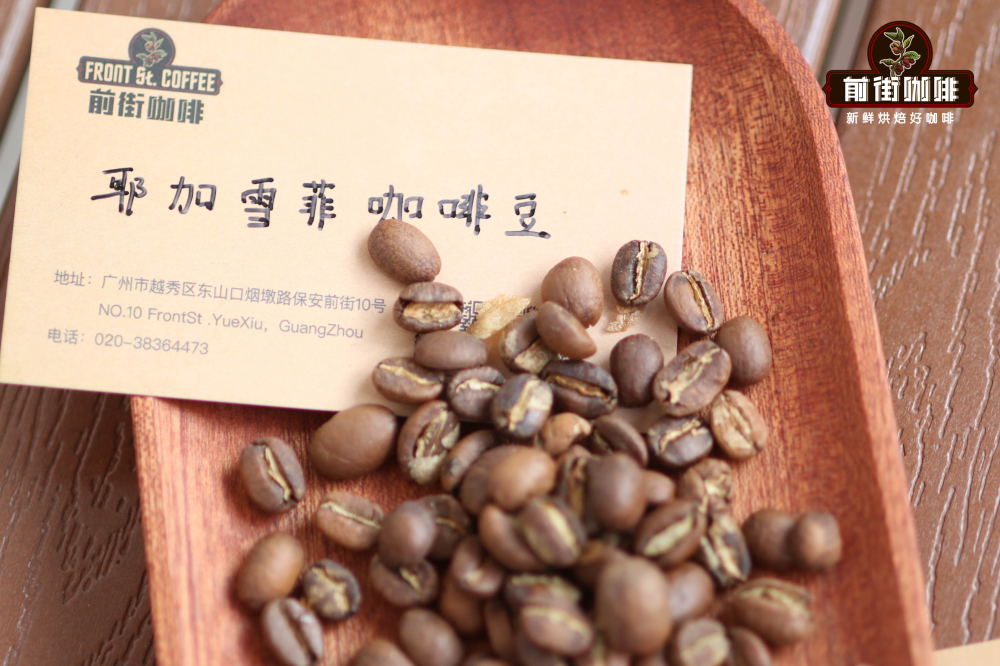
That varietal complexity also means mixed planting and mixed harvesting, so native-variety beans vary widely in size — which is why even a single Guanhua X.0 batch contains some notably small beans.
The Natural Process
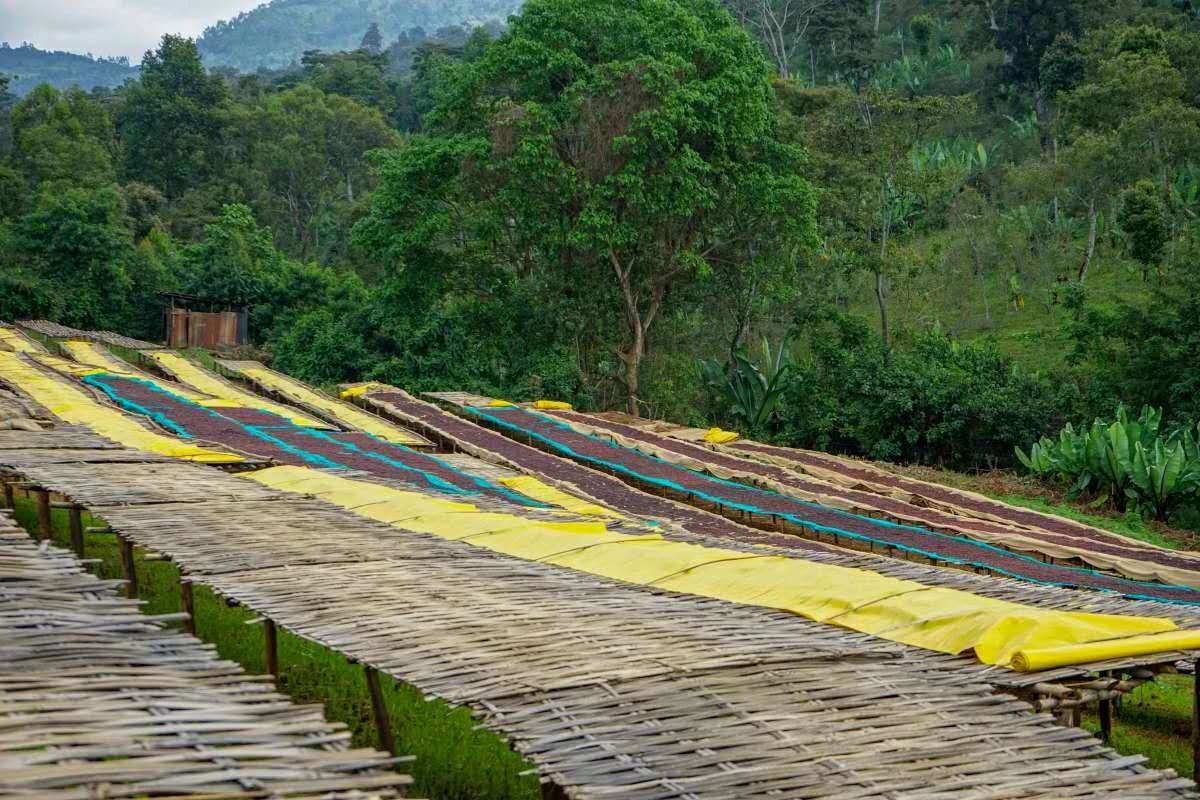
One of the oldest processing methods, the natural process involves harvesting and sorting ripe cherries, then drying them whole until they reach 13% moisture before removing skin, pulp, and mucilage. During drying, the sugars in the pulp ferment in the heat, and some of those sugars and fermentation aromas migrate into the bean. FrontStreet Coffee finds naturally processed coffees show pronounced sweetness and a pleasant, light fermented character.
Roasting and Brewing Recommendations
FrontStreet Coffee roasts Guanhua lightly to foreground its floral and fruity character, so the bean structure stays largely intact. Grown at high altitude in Hambella, with big day-night temperature swings that stretch the growing period, the beans are dense and hard — their compounds don't dissolve easily in water.
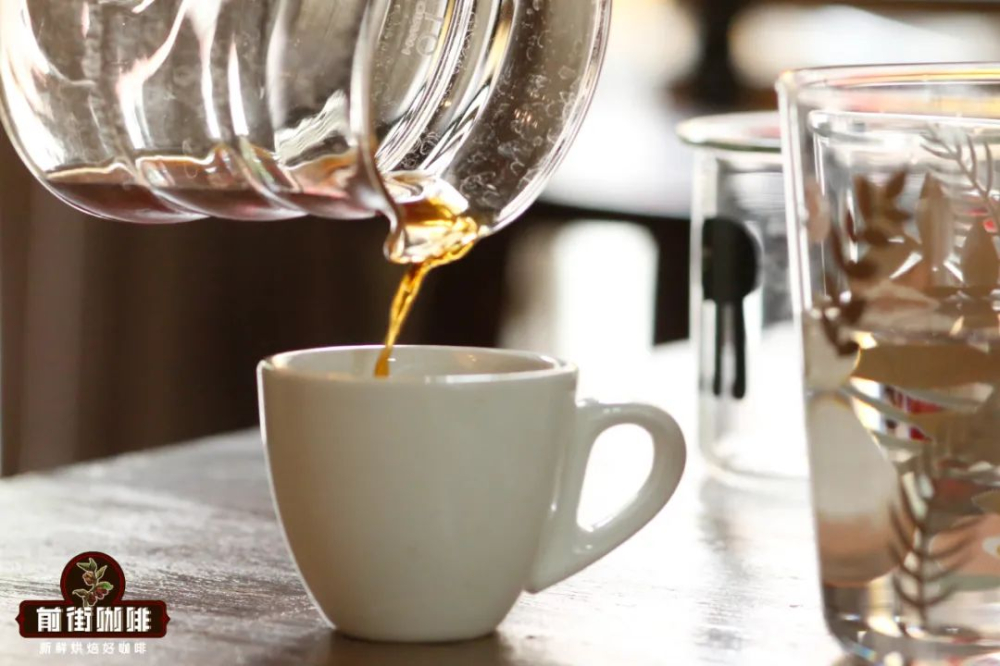
FrontStreet Coffee therefore recommends a medium-fine grind (75%–80% pass-through on the China #20 standard sieve), 90–91°C water, and a 1:15 coffee-to-water ratio. Brew in three stages: start the timer and pour 30g of water for a 30-second bloom; then pour in small circles up to 125g, wait for the water level to drop to half, and continue in small circles up to 225g. Once the bed has fully drained, total extraction time should land around 2 minutes 20 seconds to 2 minutes 30 seconds.
Flavor Profile of Small Bean Guanhua
FrontStreet Coffee's Small Bean Guanhua tasting notes: passion fruit, fermented wine aroma, strawberry, jackfruit, black tea.
FrontStreet Coffee Recommendation
If that floral-and-fruit profile appeals to you, explore the Geisha family it belongs to. For newcomers, the FrontStreet Boquete Geisha from Panama offers the classic "orange-blossom honey" character — oolong tea texture, delicate fruit acidity, and clear layers — at an accessible price. From Geisha's Ethiopian homeland, the FrontStreet Granal Estate Geisha, medium-light roasted, shows bright citrus acidity, elegant ginger-flower aroma, and the ripe-fruit sweetness of raised-bed naturals.
For a geisha-style cup on an everyday budget, the FrontStreet Strawberry Candy — a blend of Costa Rica honey-process and Panama washed Geisha — pairs refined florals with sweet fruit, and works beautifully as a pour-over, moka pot, or cold brew.
Important Notice :
FrontStreet Coffee is a long-established specialty coffee roaster in Guangzhou China, selling freshly roasted beans from its own farm in Yunnan as well as dozens of carefully selected single-origin beans from around the world for both pour-over and espresso. The products deliver consistently excellent quality and great value, with shipping within 24 hours. Guangzhou's FrontStreet Coffee shop is recommended by many coffee lovers, and the beans are now available online at the Tmall 。
FrontStreet Coffee has moved to a new address:
FrontStreet Coffee Address: 315,Donghua East Road,GuangZhou
Tel:020 38364473
 Scan and follow the En Gafei WeChat official account. Please indicate that the reprint comes from "En Gafei".