
Beethoven Coffee Bean Variety Origin Processing Method Costa Rica Coffee Bean Flavor Characteristics Evaluation
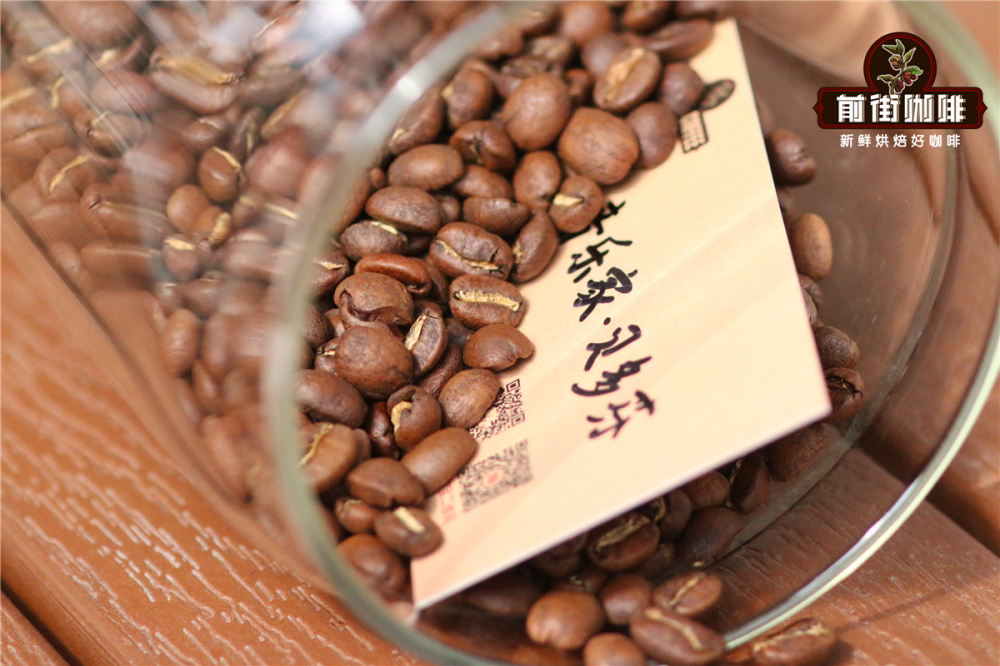
When it comes to Romantic classical music, Beethoven is the most celebrated composer of all. FrontStreet Coffee offers a Costa Rican coffee named "Beethoven," sourced from Finca Canet. Washed processed, it unfolds pleasant aromatics and elegant sweet-tart flavors in the cup—reminiscent of the lively, vibrant melodies of the composer himself.
Costa Rica's Tarrazú Region
Costa Rica sits in Central America, connected to Panama, the land that made Geisha famous. Pacific and Atlantic currents and monsoons shape an excellent microclimate here, and combined with the varied topography, it is a perfect region for coffee to thrive.

Although Costa Rica doesn't rank high in production volume, its many volcanoes endow the soil with exceptional fertility and mineral content, plus excellent drainage. Crops here enjoy abundant rainfall and nutrients, and the fruit quality shows it. Notably, Costa Rican law explicitly prohibits growing any coffee variety other than Arabica—in other words, cultivating Robusta there is illegal, a clear statement of the country's commitment to quality.
On the map, Costa Rica's territory is elongated, and its coffee zones stretch in a narrow band across the center. There are five main producing regions—Central Valley, Tres Ríos, West Valley, Tarrazú, and Brunca—plus three smaller ones: Turrialba, Orosi, and Guanacaste. Tarrazú is the largest and most renowned, and it is where the Costa Rican beans on FrontStreet Coffee's regular menu come from. Located south of the capital San José, Tarrazú is among the country's most valued growing regions. With altitudes of 1,200 to 1,700 meters, a cool climate, and nutrient-rich volcanic ash soil, Tarrazú coffee displays diverse acidity and a rounded body. And as specialty coffee has developed, continuous innovation in processing has earned Tarrazú an excellent reputation among coffee lovers.
Coffee Varieties
Like much of Central and South America, Costa Rica grows mainly Bourbon, Caturra, and Catuai. The Beethoven beans are Catuai, an artificially bred hybrid of Caturra and Mundo Novo. Catuai inherits Mundo Novo's high yield, strong disease resistance, and excellent cup quality, along with Caturra's compact stature, superior acidity, and love of sun. Because the plants are small, they can be planted at twice the density. Catuai beans are oval and flat with a slenderer tail end, offering soft acidity, a clean mouthfeel, and rich fruity aromatics.

Finca Canet Estate
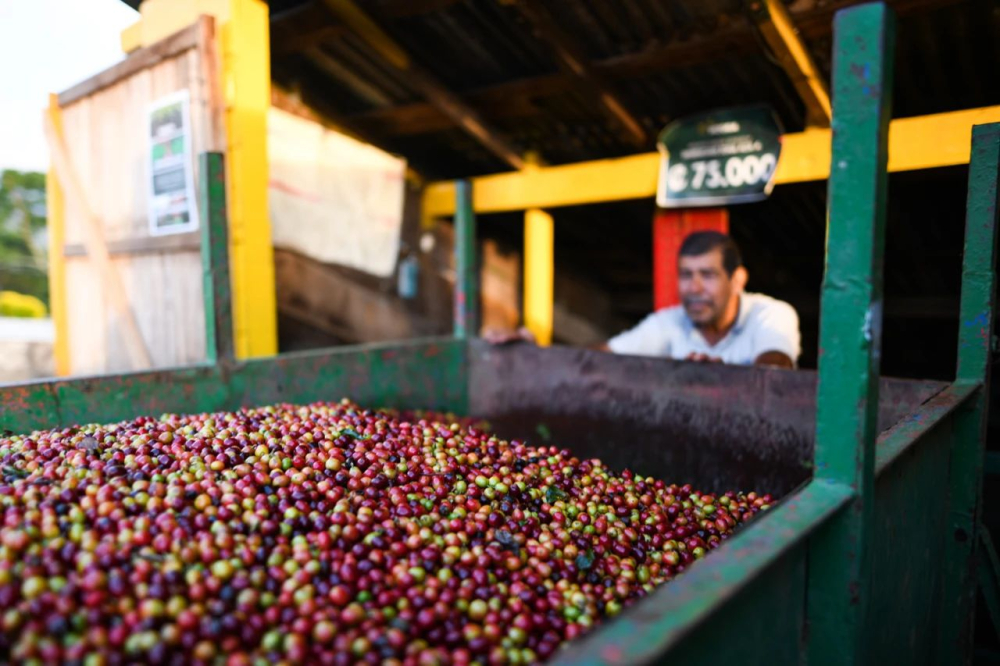
Finca Canet is run jointly by three brothers who focus primarily on honey-processed coffee, backed by more than a decade of production experience. The estate also grows fruits such as passion fruit, with the coffee trees concentrated in designated plots for careful management. Each December, as the cherries ripen, the owners arrange the harvest and truck the fruit to a nearby small wet mill (beneficio) for processing. The owners are passionate about classical music and romanticism, so every coffee from the estate is named after a musician—Mozart, Bach, Chopin, and, in this case, Beethoven. They keep refining variety selection and post-harvest processing: high-quality beans combined with different degrees of fruit mucilage in raisin honey processing yield coffees with good sweetness, consistency, and body, often showing ripe fruit flavors reminiscent of banana. Paired with the famous names of great musicians, they are easy for consumers to remember.
Washed Processing
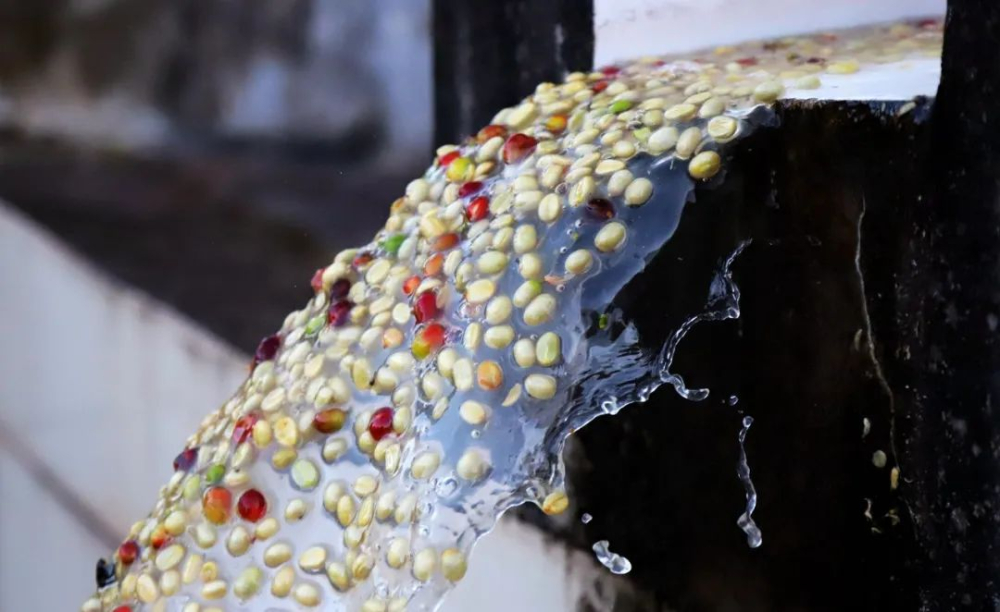
Unlike the other three musician-themed coffees, the Beethoven beans are the only lot processed with the traditional washed method, presenting the purest expression of the coffee's own aroma. In washed processing, the selected cherries go into a depulper to strip away skin and pulp; the beans, still coated with pulp and mucilage, then ferment in water for about 18-36 hours. Afterward the parchment coffee is washed in flowing channels to remove what remains, dried until moisture drops to about 12%, and finally hulled to yield green coffee. FrontStreet Coffee finds washed beans give a cleaner, brighter mouthfeel with more vibrant acidity.
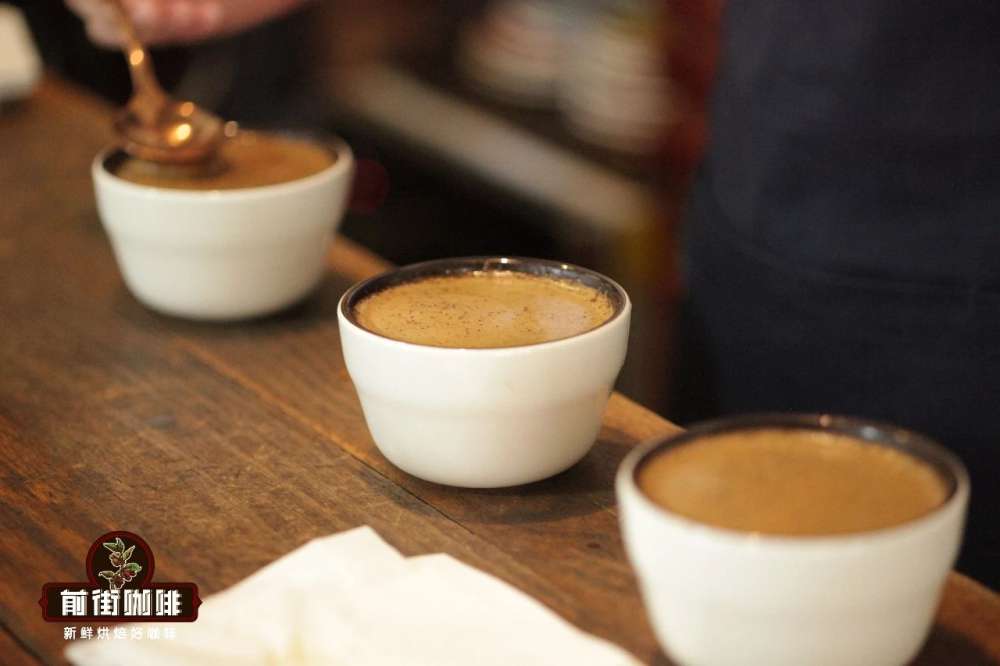
For roasting, FrontStreet aims to preserve the fruit acidity and florals, so the beans get a medium-light roast. Cupping the Beethoven reveals the sweet-tart character of red berries and lively, citrus-like brightness. As it cools, the juiciness of red berries slowly emerges, with a hint of almond in the aftertaste.
Pour-Over Reference
Filter: V60
Water Temperature: 91°C
Dose: 15 grams
Ratio: 1:15
Grind Size: 80% passing through the #20 standard sieve
FrontStreet's baristas brew with a three-pour technique:
The first pour adds 30 grams of water for a 30-second bloom, followed by 95 grams (the scale reads about 125 grams), finishing the pour in about 1 minute. When the water level drops to two-thirds of the coffee bed, add the remaining 100 grams (the scale reads about 225 grams), completing the pour at about 1 minute 35 seconds. Drip-through finishes at 2'10"; remove the dripper and the extraction is complete.
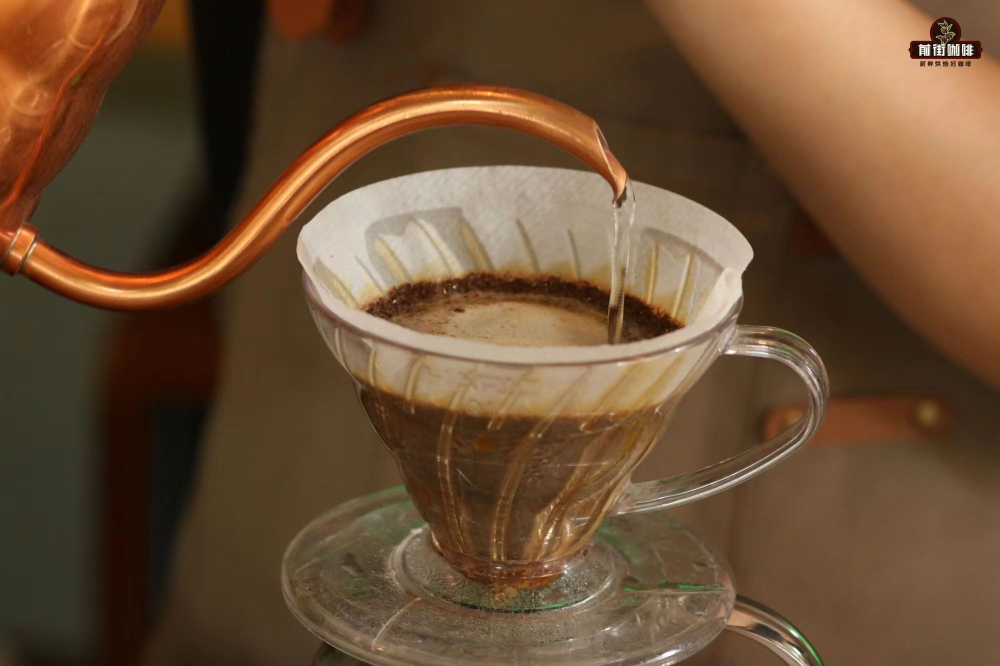
In the cup, Beethoven is clean overall with rich aromatics: the entry brings the sweet-tart of strawberry juice and lively citrus acidity, like cheerful notes dancing on the palate, while floral tones and an almond-like aftertaste provide the perfect finishing flourish to this musical chapter.
FrontStreet Coffee Recommendation
If the musician theme appeals to you, FrontStreet's Strawberry Candy blend pairs a honey-processed Costa Rica component with Panama Geisha—combining delicate florals with sweet, fruit-forward character that suits pour-over, moka pot, espresso, and even chilled cold brew.
For the classic Panama Geisha experience, the entry-level FrontStreet Boquete Geisha delivers the orange-blossom honeyed aroma, oolong tea feel, and delicate fruit acidity of high-grade Panama Geisha at an accessible price, while the Esmeralda Red Label (Esmeralda Special, grown at 1,600-1,800 meters, cupping above 90 points from single plots) and the more affordable Green Label (Private Collection) represent the pinnacle of the variety.
Those curious about Geisha's Ethiopian roots can explore the Geisha Village estate: the Gold Label (Gesha 1931, meticulous natural process, just 10% of the estate's output) and Red Label (Gori Gesha, fully traceable single-terroir lots scoring 88 or above on the SCA scale) offer complex, competition-grade cups.
Important Notice :
FrontStreet Coffee is a long-established specialty coffee roaster in Guangzhou China, selling freshly roasted beans from its own farm in Yunnan as well as dozens of carefully selected single-origin beans from around the world for both pour-over and espresso. The products deliver consistently excellent quality and great value, with shipping within 24 hours. Guangzhou's FrontStreet Coffee shop is recommended by many coffee lovers, and the beans are now available online at the Tmall 。
FrontStreet Coffee has moved to a new address:
FrontStreet Coffee Address: 315,Donghua East Road,GuangZhou
Tel:020 38364473
 Scan and follow the En Gafei WeChat official account. Please indicate that the reprint comes from "En Gafei".

