Is There a Relationship Between Coffee Roast Levels (Light, Medium, Dark) and First and Second Crack Points?
The Sounds of Coffee Roasting: First Crack and Second Crack
At FrontStreet Coffee's roasting facility, step into the roasting room and up to the roaster, and you'll easily get the chance to hear beans crackling as they roast. What do those sounds mean? When coffee beans are heated, they have two opportunities to make themselves heard, known respectively as "First Crack" and "Second Crack."
What is First Crack?
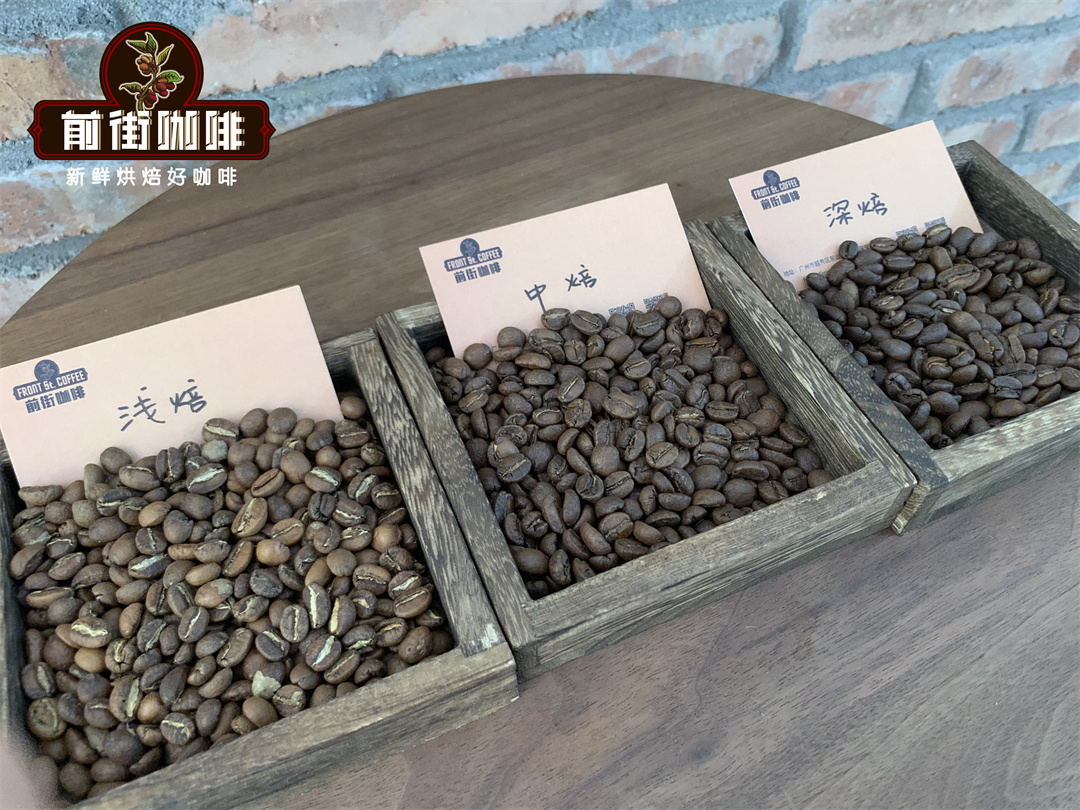
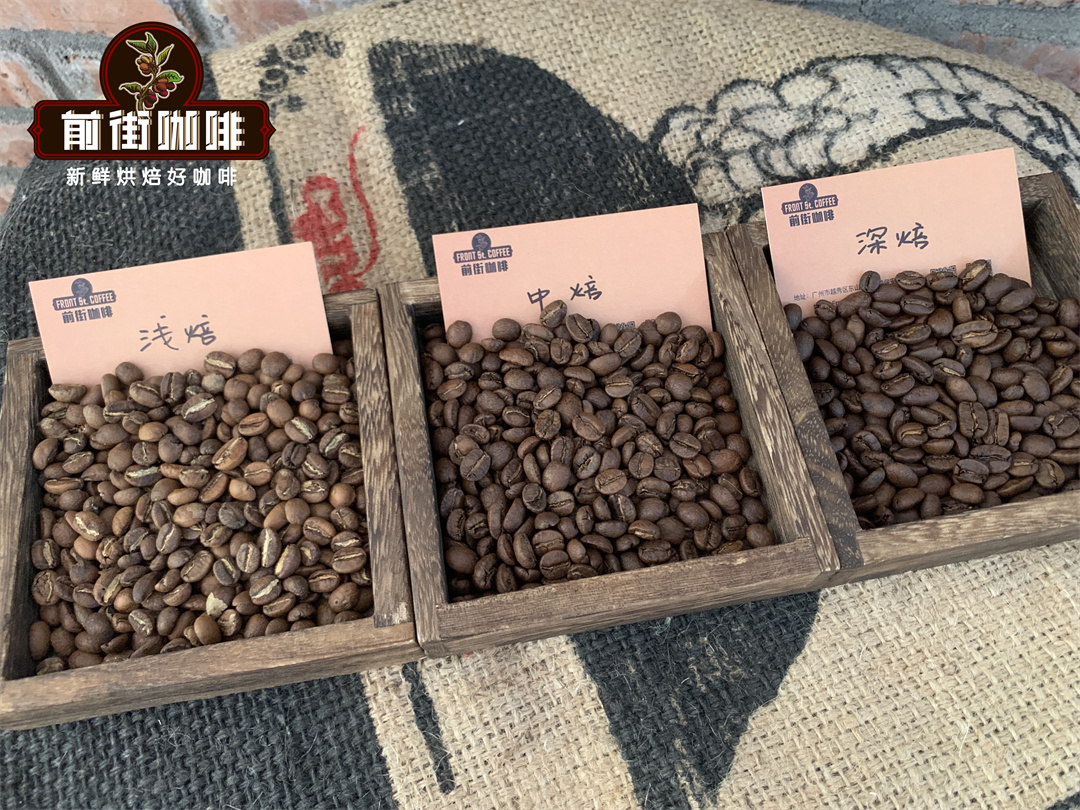
First crack happens because heat causes large amounts of gas and water vapor to form inside the bean. When the internal pressure can no longer be contained, the bean expands and then splits. First crack occurs when the roasting temperature reaches roughly 196-205°C. The sound is fairly loud and resembles popcorn popping, and it can be used to tell that the beans have entered light roast territory. Yirgacheffe beans suit this light roast level. Roasts between first and second crack are classified as medium roasts.
What is Second Crack?
Keep heating at this point, and as the temperature climbs further you'll hear the more subtle sounds of second crack, which occurs at a roasting temperature of roughly 225-230°C. Once second crack begins, the oils in the beans move to the surface, marking the deep roast stage. Blue Mountain coffee and Brazilian coffee belong to this deep roast category. You may be curious what would happen if you kept roasting - and, of course, thanks to carbonization, they would eventually burn.
Cooling
Roasted beans must be cooled quickly to prevent self-roasting. Professional coffee roasters on the market today come with dedicated cooling trays, but when roasting several large batches, attention still has to be paid to how the coffee's temperature changes after roasting.
Resting
Roasted beans require different resting times depending on the heating method of the roasting machine. Just like resting a grilled steak, rested coffee will show better flavor performance.
FrontStreet Coffee Recommendation
Because first crack marks the beginning of the light roasts that best preserve origin character, FrontStreet Coffee's washed Yirgacheffe is a good place to taste the point of it. It is known for white jasmine, bright citrus and lemon acidity, and a tea-like quality, and the modest price makes it the first specialty bean for a great many drinkers. Yirgacheffe is a small town in the Sidama zone of southern Ethiopia, at about 1700-2100 meters, with coffee trees planted above 1800 meters - among the highest coffee regions in the world - and in 2010 its fame grew so great that the Ethiopian Commodity Exchange separated it from Sidama as its own name.
For a natural-process contrast within the same region, try FrontStreet Coffee's natural Red Cherry, made from fully ripe red cherries only. Because the fruit dries with the bean, it keeps the typical Yirgacheffe character while adding tropical fruit from the sun-drying: citrus-like acidity, a juicy berry quality, honey sweetness, and a creamy smoothness. FrontStreet Coffee brews it with a V60 at 90-91°C, 15g of coffee, and a 1:15 ratio, ground to a fine-sugar size (about 80% through a #20 sieve) at EK43s setting 10.
Important Notice :
FrontStreet Coffee is a long-established specialty coffee roaster in Guangzhou China, selling freshly roasted beans from its own farm in Yunnan as well as dozens of carefully selected single-origin beans from around the world for both pour-over and espresso. The products deliver consistently excellent quality and great value, with shipping within 24 hours. Guangzhou's FrontStreet Coffee shop is recommended by many coffee lovers, and the beans are now available online at the Tmall 。
FrontStreet Coffee has moved to a new address:
FrontStreet Coffee Address: 315,Donghua East Road,GuangZhou
Tel:020 38364473
 Scan and follow the En Gafei WeChat official account. Please indicate that the reprint comes from "En Gafei".