Pour-Over Method for New Blue Label Geisha Coffee Beans - Authentic Flavor Profile of Hacienda La Esmeralda's Volcanic Rock Geisha Las Rocas
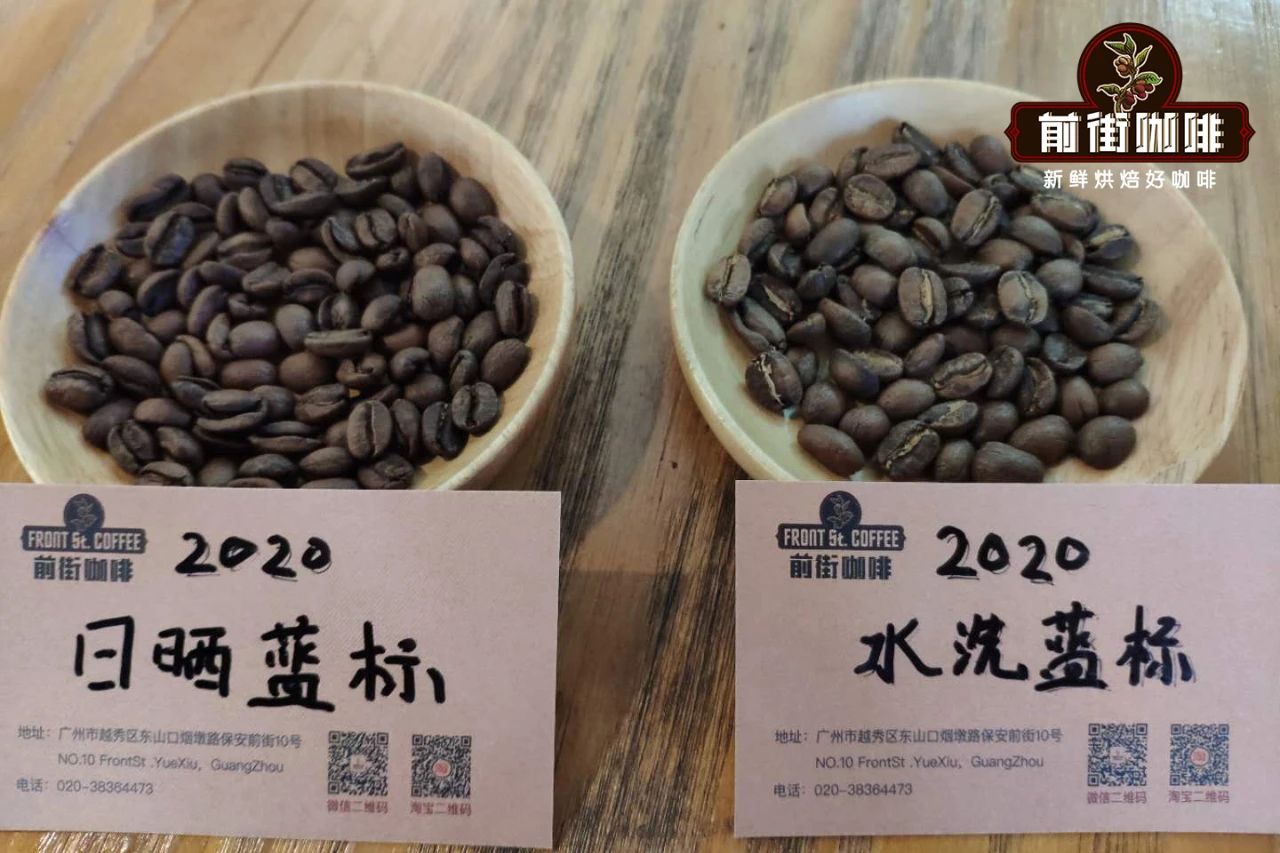
In 2020, Panama's "godfather of Geisha," Hacienda La Esmeralda, announced it was adding a natural process to its Blue Label Geisha series — great news for everyday coffee lovers, since Blue Label had long been the estate's most affordable Geisha.
Then in 2021, La Esmeralda released a statement saying that year's lineup would include only the Red Label and Green Label series, with even finer sub-classifications — and no mention of Blue Label at all. Rumors flew that Blue Label had been canceled. Shortly afterward, FrontStreet Coffee confirmed it: Hacienda La Esmeralda would not release a Blue Label Geisha series in 2021.

This puzzled us, because within the estate's own classification, Blue Label differs from Red and Green essentially by altitude. Here's how the tiers break down:

Red Label Geisha
The estate's specially selected Geisha — the famous Red Label, officially "Esmeralda Special" — uses beans grown at 1600–1800 meters in the Jaramillo and Cañas Verdess regions, with every batch cupping above 90 points. Each auction-lot batch comes from a single small plot with its own independent number, letting buyers pick exactly the nuance they prefer.

The Red Label sold at La Esmeralda's own independent auction consists of designated plot batches selected for bidding. Customers often ask whether auction Red Label tastes better than regular Red Label. In truth, they come from the same plots — the only difference is whether the batch went to auction. FrontStreet's view: there's no need to chase auction coffee specifically. The price is considerably higher, and if you simply want to try it, the regular Red Label is an excellent choice.
This tier is processed either natural or washed, with special, bright floral aromas and citrus notes.
Green Label Geisha
Green Label is the "Private Collection" — non-auction Geisha that skips the competitions yet still keeps excellent quality. It blends micro-batches from multiple plots across Jaramillo, Cañas Verdess, and beyond, all grown at 1600–1800 meters.

The most common question is how Green differs from Red, and FrontStreet's answer is the most direct one possible: Red Label traces back to specific small plots; Green Label is a blend that cannot be traced. Because batches mix plots without detailed provenance, one Green Label may taste strikingly close to a Red Label — and the next batch may not. Buying Green Label, we like to say, is like buying a lottery ticket: this batch might carry that Red Label magic.
Though a tier below Red Label, Green still delivers the classic Geisha profile — florals, fruit, citrus acidity, and a thick, juicy body — in both washed and natural processing.

Over the years, FrontStreet's La Esmeralda Red Label and Green Label have been favorites among Geisha fans and stay on our menu year-round, available directly through the FrontStreet Coffee flagship store.
Blue Label Geisha
Blue Label is the "Geisha 1500" brand: a blend of three plots — Jaramillo, Cañas Verdess, and El Velo — grown at 1400–1500 meters. The cup shows subtle florals, fruit acidity, and sweetness with a lighter body, available washed or natural.
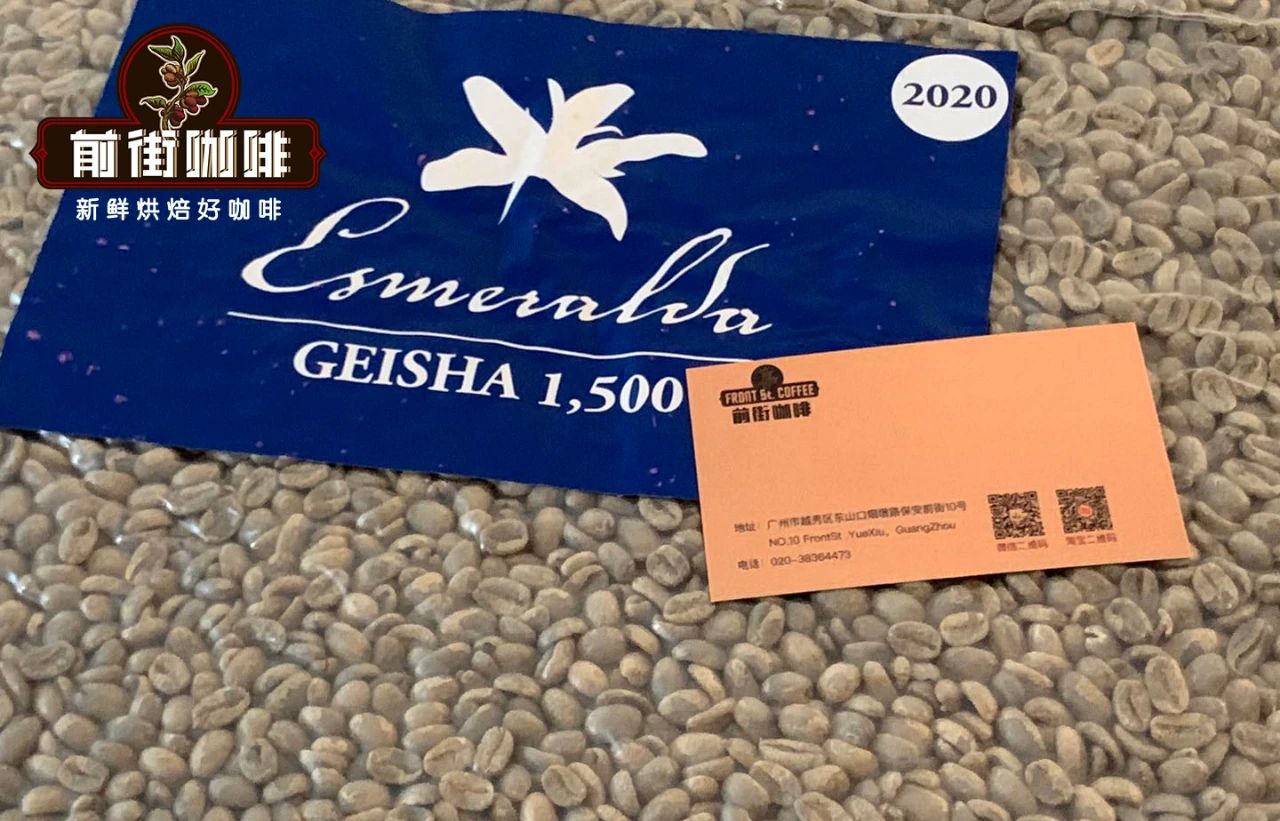
So where did this year's Blue Label production go? Folding it into Red or Green Label would damage the estate's reputation — no owner foolishly kills the goose that lays the golden eggs. Disease among the Geisha trees? Unlikely, since then more than just the Blue Label series would have been affected.
The Truth Revealed
At the end of September 2021, a Panama Geisha labeled "Las Rocas" appeared. Judging by the packaging, it looked like a new Geisha brand from Boquete. But after some investigation, FrontStreet Coffee discovered that this "Las Rocas" batch was in fact La Esmeralda's Blue Label coffee.

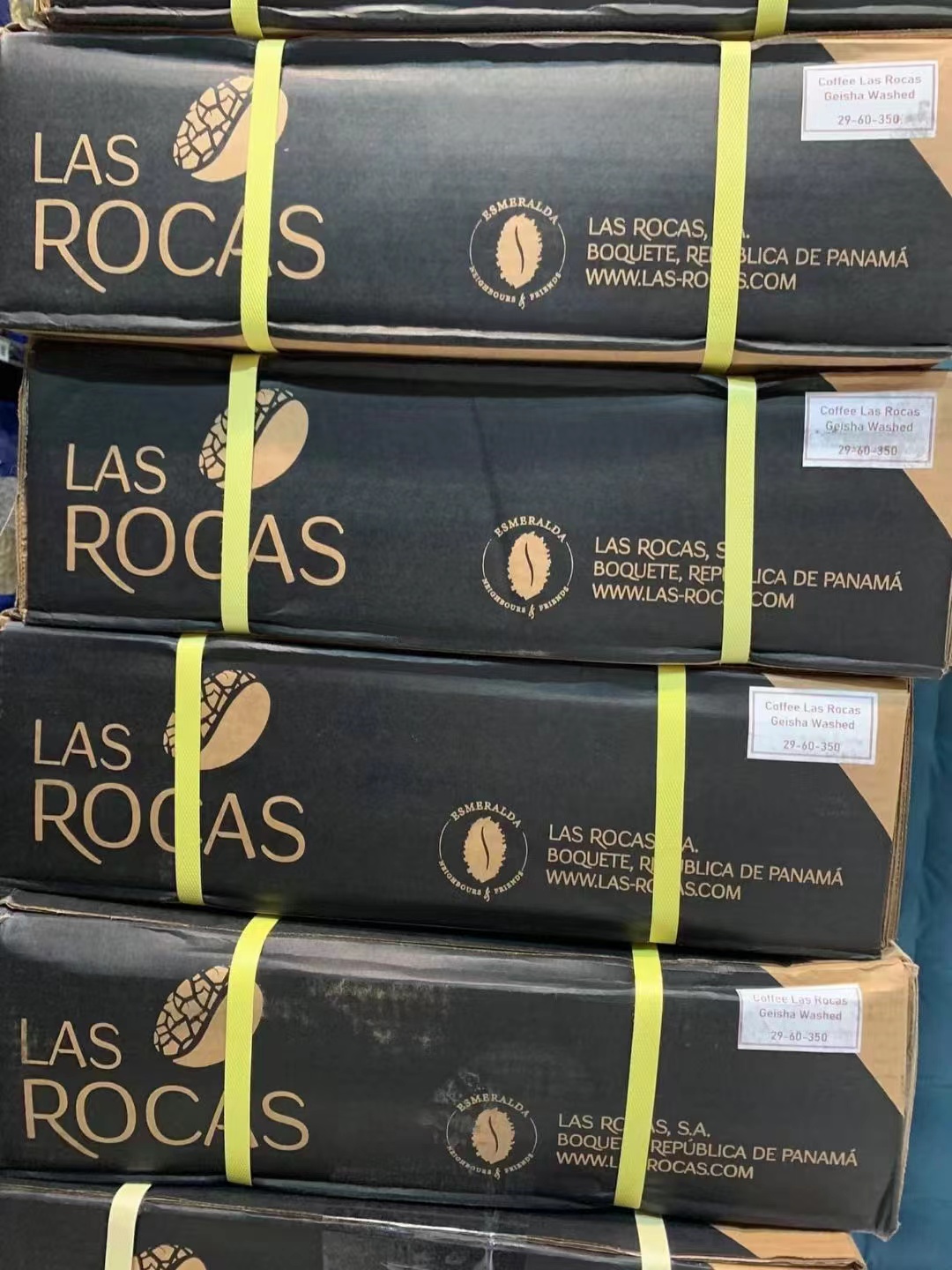
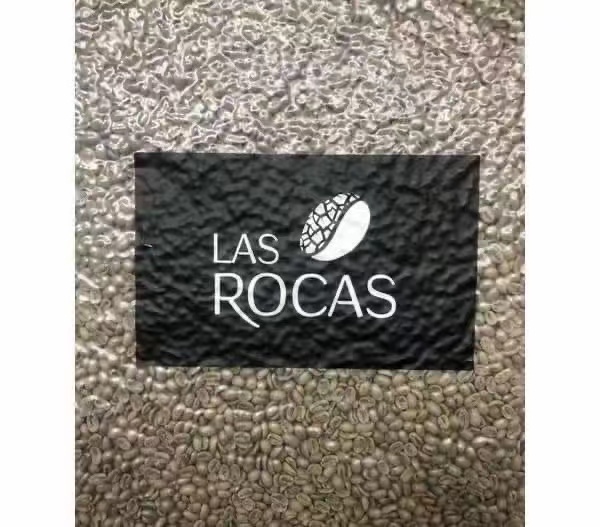
Blue Label hadn't disappeared at all — it had simply changed its disguise to keep reaching the consumer market. The beans were washed and still handled by Hacienda La Esmeralda, maintaining the same excellent quality as Blue Label. Anyone craving that Geisha can look forward to it.
FrontStreet Coffee Recommendation
Geisha now grows far beyond Panama, and FrontStreet keeps a full spectrum on the menu. At the top sit the La Esmeralda Red Label (Esmeralda Special, 1600–1800 m, 90+ cupping scores, single-plot traceability) and the more affordable Green Label Private Collection. For a first taste of the legendary "orange-blossom honey" character without the collector price, the entry-level Panama Boquete Geisha delivers classic orange aroma, honeyed sweetness, oolong tea-like body, and delicate fruit acidity.
Ethiopia — Geisha's birthplace — offers its own versions. FrontStreet's Granana Estate Gesha, from a processing station established in 2014 near the border of Kochere and Granana Abaya, is dried 14–20 days on raised beds and roasted medium-light: bright citrus acidity, elegant ginger-flower aroma, and ripe-fruit sweetness. The Geisha Village estate, founded by a couple 12 miles from the original Gori Gesha forest, produces the Gold Label (Geisha 1931, 10% of output, refined natural) and Red Label (Gori Gesha, 15% of output, 88+ SCA score, fully traceable single-terroir lots).
For brewing any of these, use a coarse-fine grind (about 78% pass through a #20 sieve, fine-sugar size) at 91°C: 15 g of coffee in a small Hario V60 at a 1:16 ratio, poured in three stages — 30 g to bloom for 30 seconds, then to 125 g, then to 225 g once the bed drains halfway, for a total extraction of about 2:10–2:20.
Important Notice :
FrontStreet Coffee is a long-established specialty coffee roaster in Guangzhou China, selling freshly roasted beans from its own farm in Yunnan as well as dozens of carefully selected single-origin beans from around the world for both pour-over and espresso. The products deliver consistently excellent quality and great value, with shipping within 24 hours. Guangzhou's FrontStreet Coffee shop is recommended by many coffee lovers, and the beans are now available online at the Tmall 。
FrontStreet Coffee has moved to a new address:
FrontStreet Coffee Address: 315,Donghua East Road,GuangZhou
Tel:020 38364473
 Scan and follow the En Gafei WeChat official account. Please indicate that the reprint comes from "En Gafei".