
Is Robusta Considered Specialty Coffee? Why Are Robusta Beans So Inexpensive? What's the Price per Pound?
Understanding Coffee Varieties: Arabica and Robusta

Coffee splits into three main species: Arabica, Robusta, and Liberica - but only the first two carry real commercial weight. Specialty coffee circles barely mention Robusta, while everyday marketing loves to boast "100% Arabica." The result: Arabica plays the beloved heiress, and Robusta the scruffy poor cousin.
The Origins of Coffee Varieties
Both Arabica and Robusta come from Africa. Arabica is a small-seeded species originating on Ethiopia's high-altitude plateau. Leaving Ethiopia, coffee exported through the port of Mocha spread around the world, and centuries of cultivation produced distinct varieties - Typica, Bourbon, Geisha, Caturra, and more - all Arabica.
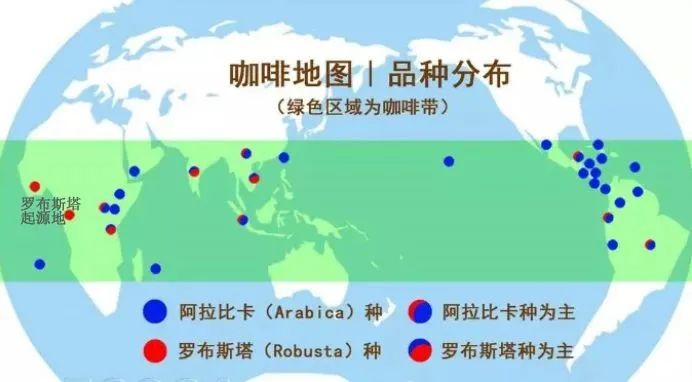
Robusta is a medium-seeded species from the Congo Basin on Africa's west coast. Under strict botanical classification it should be called Coffea canephora, ranking alongside Coffea arabica - Robusta is merely one variety within canephora, just as Typica is one variety within arabica.
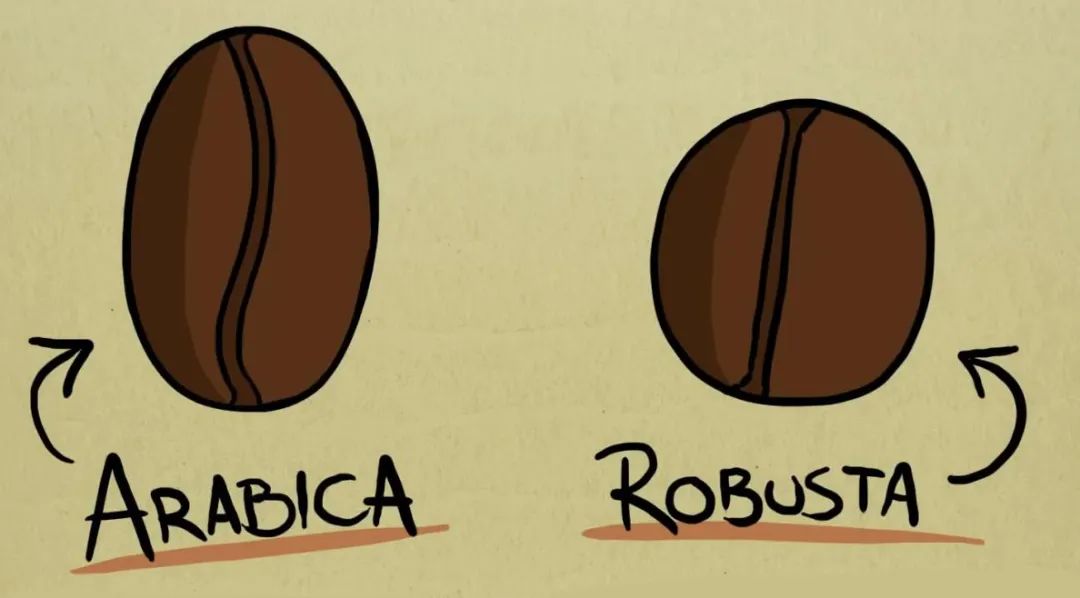
Why did the name Robusta eclipse Canephora? Because among its subspecies, only Robusta was adopted for commercial cultivation - the rest remain wild. So medium-seeded coffee is now simply called Robusta. In terms of domestication, though, Arabica predates Robusta by several centuries. Robusta was identified in 1898 by a Belgian scholar in Congo, and when coffee leaf rust outbreaks swept the globe, Robusta's excellent disease resistance got it planted across the affected regions.
The Rise and Fall of Robusta
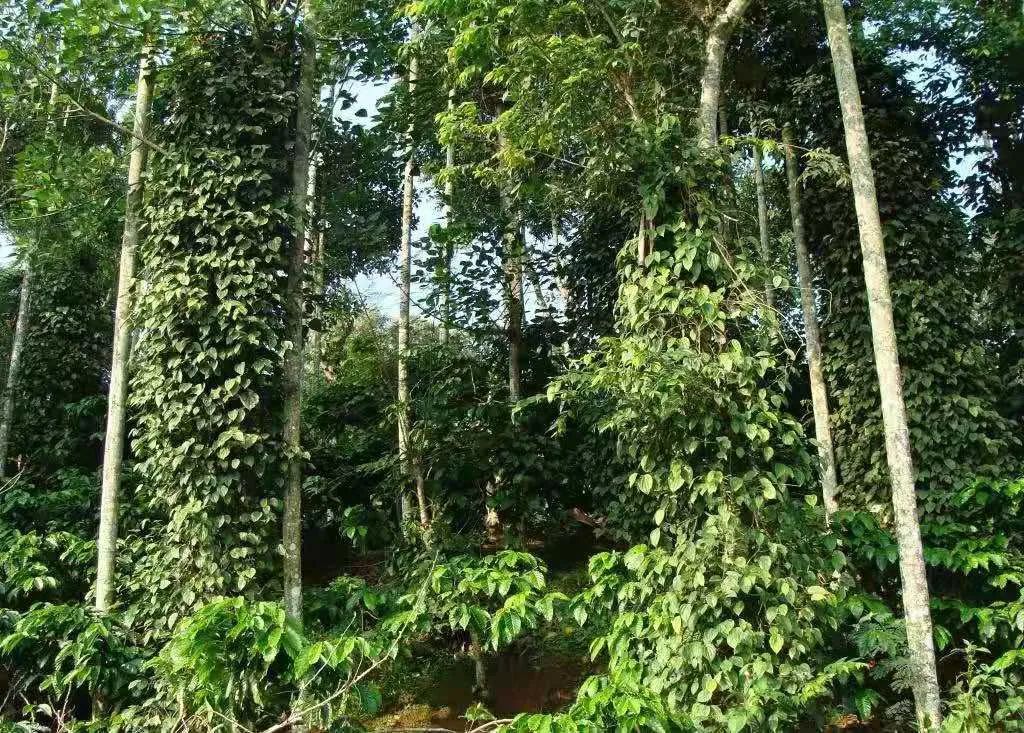
Robusta has had its glory days. With high caffeine content and rich oils, it was a staple of espresso blends during the period when espresso conquered the world - back when much of the point of drinking coffee was the caffeine.
Then specialty coffee arrived, and people began chasing origin flavors. Robusta's inherent bitterness and its walnut, peanut, hazelnut, and smoky notes became "defects." Most importantly, its rival Arabica, refined by origin-specific cultivation, now offers flavor profiles Robusta can't approach. That's the fundamental problem: Robusta's flavor simply appeals less, so people choose Arabica.

Inherent Limitations and Challenges
FrontStreet Coffee believes that within specialty coffee, flavor comes first - caffeine is no longer why we drink. Robusta's advantages instantly become disadvantages. Light-roasted Arabica offers floral and fruity aromatics with lingering acidity; light-roast Robusta delivers grainy, almond-like flavors and muddled acidity. With current Robusta beans, light roasting is a lost cause.
And dark roasting? It brings out Robusta's bitterness in full - very bitter, but also very aromatic. Vietnam is a case in point: people love Robusta's aroma but not its bitterness, so they temper black coffee with condensed milk or egg.
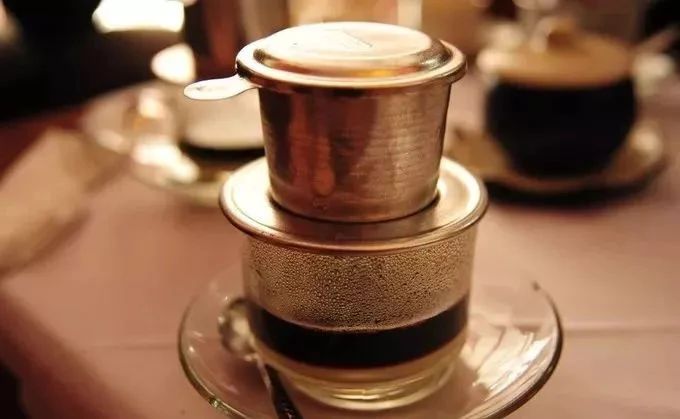
Some argue Robusta grows in worse environments than Arabica, so why not grow it carefully at high altitude? That's exactly what some producers have tried. India's "Coffee Royal" Robusta - marketed as specialty Robusta - is cultivated to the same standards as specialty Arabica. It shows impressive cleanliness, free of the harsh defects of cheap Robusta, with a thicker, more stable mouthfeel and intense walnut, peanut, hazelnut, and wheat flavors reminiscent of peanut butter and hazelnut paste.
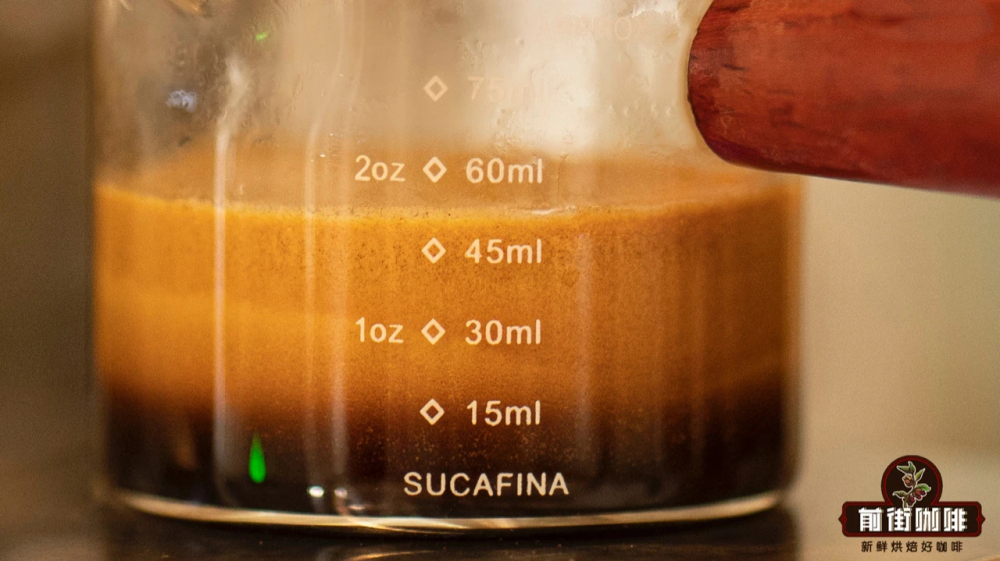
The Practical Applications of Robusta
Better cultivation does improve quality, but Robusta is Robusta - genetics cap its flavor below Arabica's. It's not that Robusta tastes terrible; it's that as long as public preference leans Arabica, Robusta will be judged by Arabica standards. Unfair, but reality.
So what is Robusta for? Cheapness, for one: in Brazil, ordinary Robusta costs about half as much as ordinary Arabica. Add its superior body and caffeine, and its best destination becomes obvious - instant coffee.
Of course, some decent Robusta shows up in espresso blends or as straight Robusta beans. To be honest, FrontStreet Coffee once tried a Vietnamese Robusta whose milky, creamy aromas were genuinely pleasant - but the bitterness was shocking. (Just add milk already.)
FrontStreet Coffee Recommendation
For those who fell for "100% Arabica" the moment they learned of Robusta's shortcomings, the crown jewel of Arabica is Geisha - and FrontStreet Coffee has it at every level. Newcomers should start with FrontStreet Panama Boquete Geisha, an entry-level washed Geisha grown at 1600 meters in Boquete's volcanic soil, where jasmine florals, green tea, honey, and orange-citrus flavors come through at an approachable price.
To climb the ladder, FrontStreet Esmeralda Red Label Geisha ("Esmeralda Special") grows at 1600-1800 meters, with every batch cupping above 90 points from a single named plot, while the green-label "Private Collection" blends multiple high-altitude plots for the estate's signature Geisha character at a friendlier price. Back where Geisha came from, FrontStreet Granana Estate Gesha from Ethiopia offers a medium-light roast with bright citrus acidity, ginger-flower elegance, and ripe fruit sweetness - brew it on a V60 at 91 degrees C with a 1:16 ratio and enjoy the full story of this legendary variety.
Important Notice :
FrontStreet Coffee is a long-established specialty coffee roaster in Guangzhou China, selling freshly roasted beans from its own farm in Yunnan as well as dozens of carefully selected single-origin beans from around the world for both pour-over and espresso. The products deliver consistently excellent quality and great value, with shipping within 24 hours. Guangzhou's FrontStreet Coffee shop is recommended by many coffee lovers, and the beans are now available online at the Tmall 。
FrontStreet Coffee has moved to a new address:
FrontStreet Coffee Address: 315,Donghua East Road,GuangZhou
Tel:020 38364473
 Scan and follow the En Gafei WeChat official account. Please indicate that the reprint comes from "En Gafei".

