
How to Make Concentrated Cold Brew Coffee & Brewing Ratios? Cold Brew Coffee Bean Recommendations for Specialty Coffee Drinks
Understanding Coffee Grind Size for Cold Brew: Why Finer Isn't Always Better

Before writing this article, FrontStreet Coffee asked a few coffee professionals and enthusiasts the same question: "With the same water, beans, dose, container, and extraction time, how would you raise the concentration of a cold brew?" Nearly everyone answered the same way you probably just did: "Grind finer!"

It's what we've all learned since our first brew: finer grounds give stronger flavor, coarser grounds give milder flavor. But that rule has a hidden premise — high-temperature extraction with an agitated coffee bed. Cold brew is low-temperature, static extraction, and the rule doesn't apply. Here's why.
Water Temperature and Particle Movement in Extraction
Higher water temperature means faster molecular motion. When thermal motion overcomes the attraction between solid molecules, they disperse into the water — and the increased contact frequency between water molecules and coffee particles means finer grounds dissolve faster and more completely.
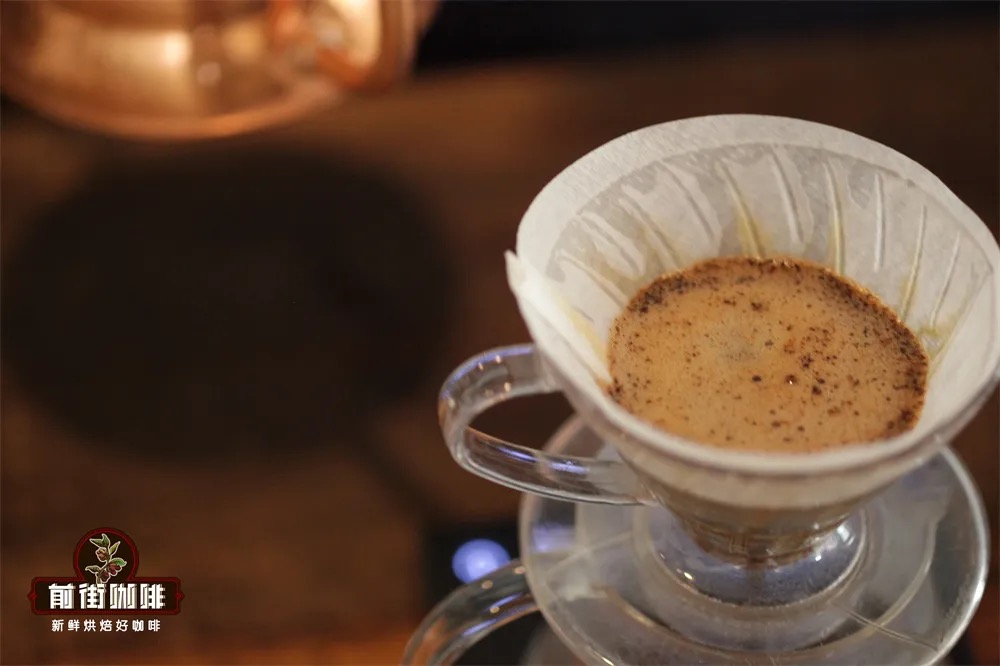
In cold or near-freezing water, molecular motion slows almost to a standstill. With no thermal energy to overcome intermolecular attraction, coffee particles "clump together." The finer the grind, the worse the clumping — and the grounds trapped inside each clump never get fully extracted.
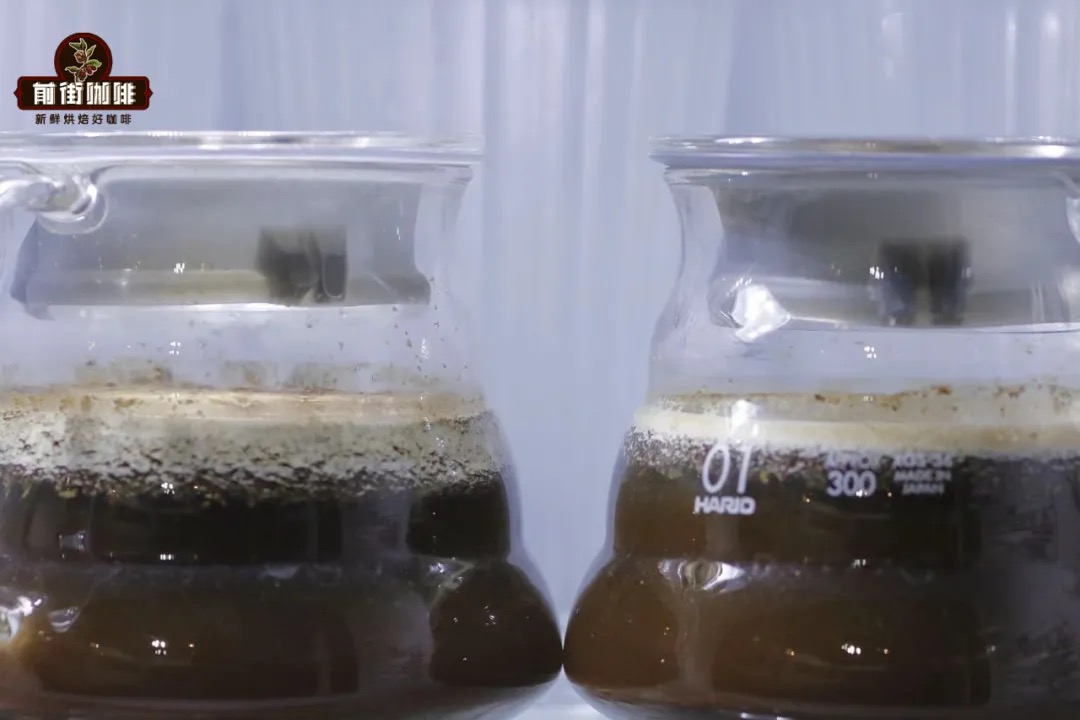
In pour-over, by contrast, near-boiling water plus the physical impact of pouring keeps the coffee bed constantly agitated, driving extraction efficiency way up — which is why a too-fine grind there easily over-extracts.
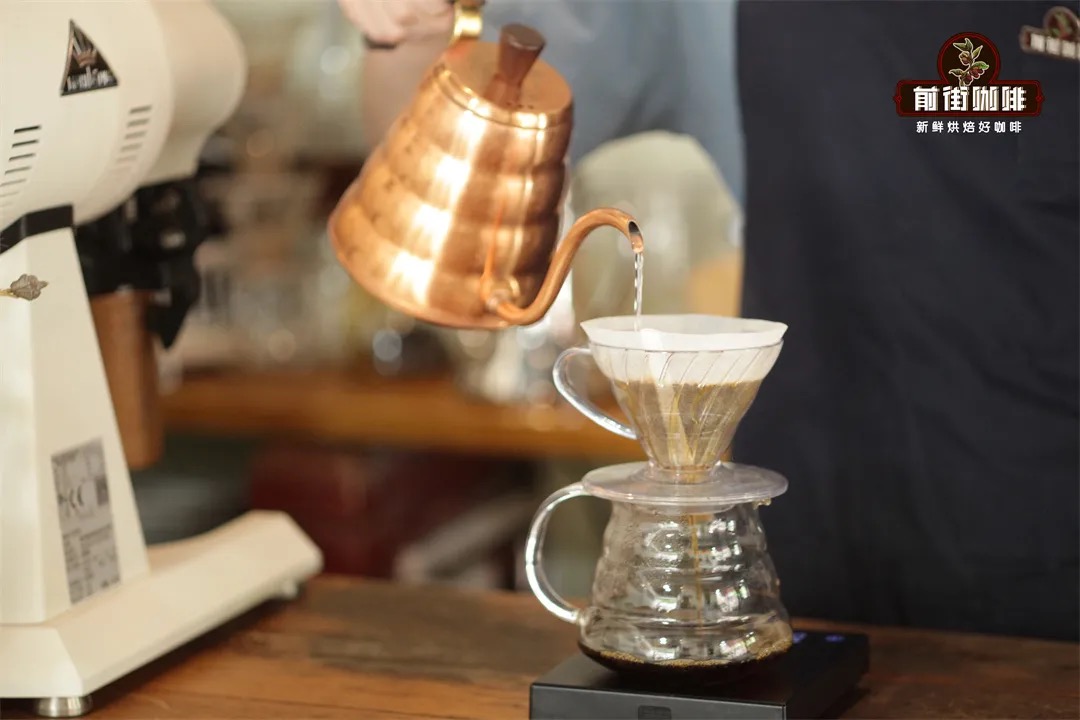
For cold brew or cold drip, we stir thoroughly once at the start, then refrigerate for over 12 hours at consistently low temperature. Despite that initial stirring, some particles still extract in "clumped" mode — meaning a small portion of the grounds never contributes to the cup at all.
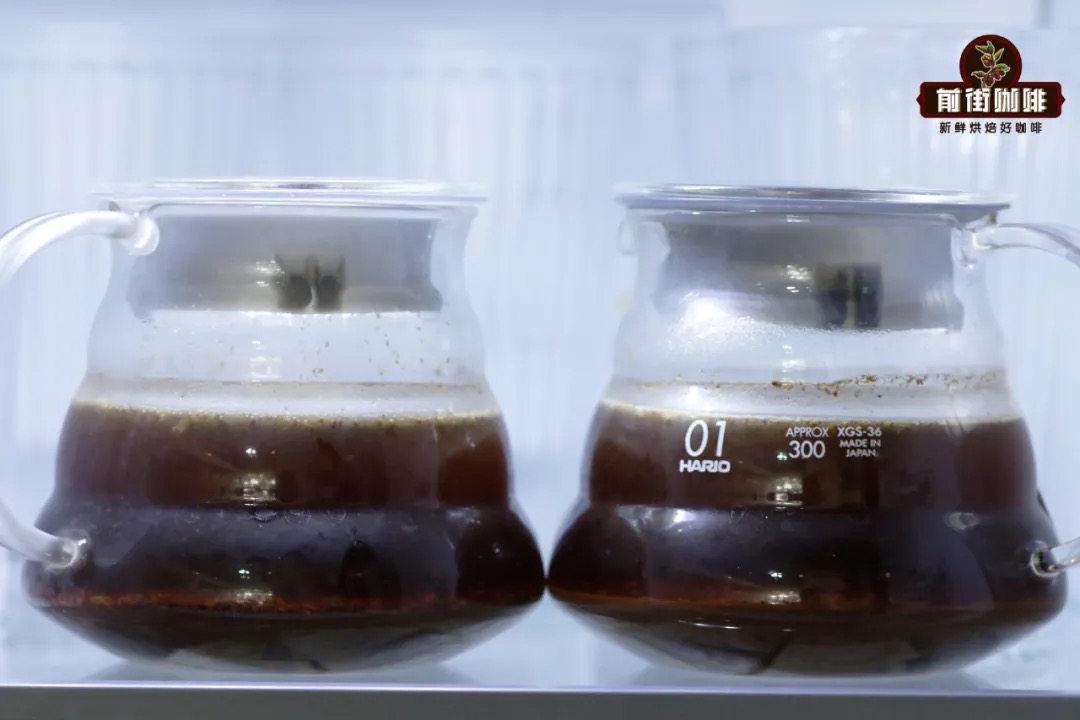
Does a Coarser Grind Actually Improve Cold Brew Extraction?
FrontStreet Coffee ran a small experiment.
We used FrontStreet Coffee's Yirgacheffe Gedeb Cooperative beans from Ethiopia. Same container, same water quality, room temperature: 30g of coffee at a 1:10 coffee-to-water ratio, in two grinds — EK43s #9 (fine) and EK43s #10.5 (coarse) — both refrigerated for 16 hours of low-temperature extraction.
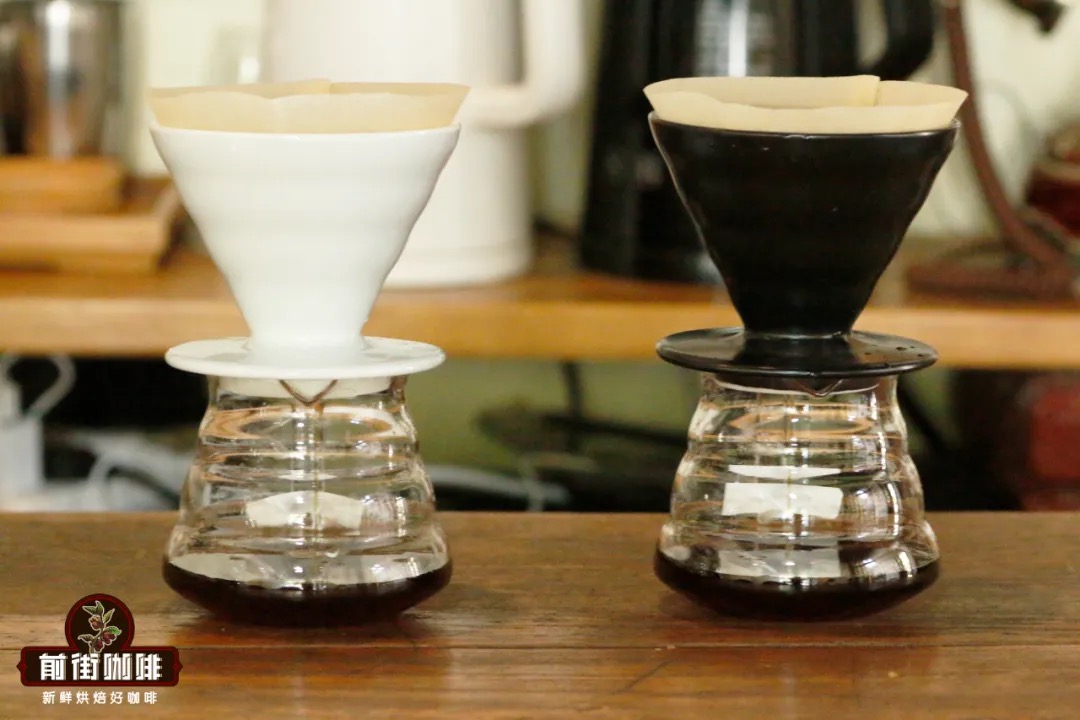
After extraction, each liquid was filtered through a room-temperature dripper with dry filter paper into a clean container, then measured with a TDS meter.
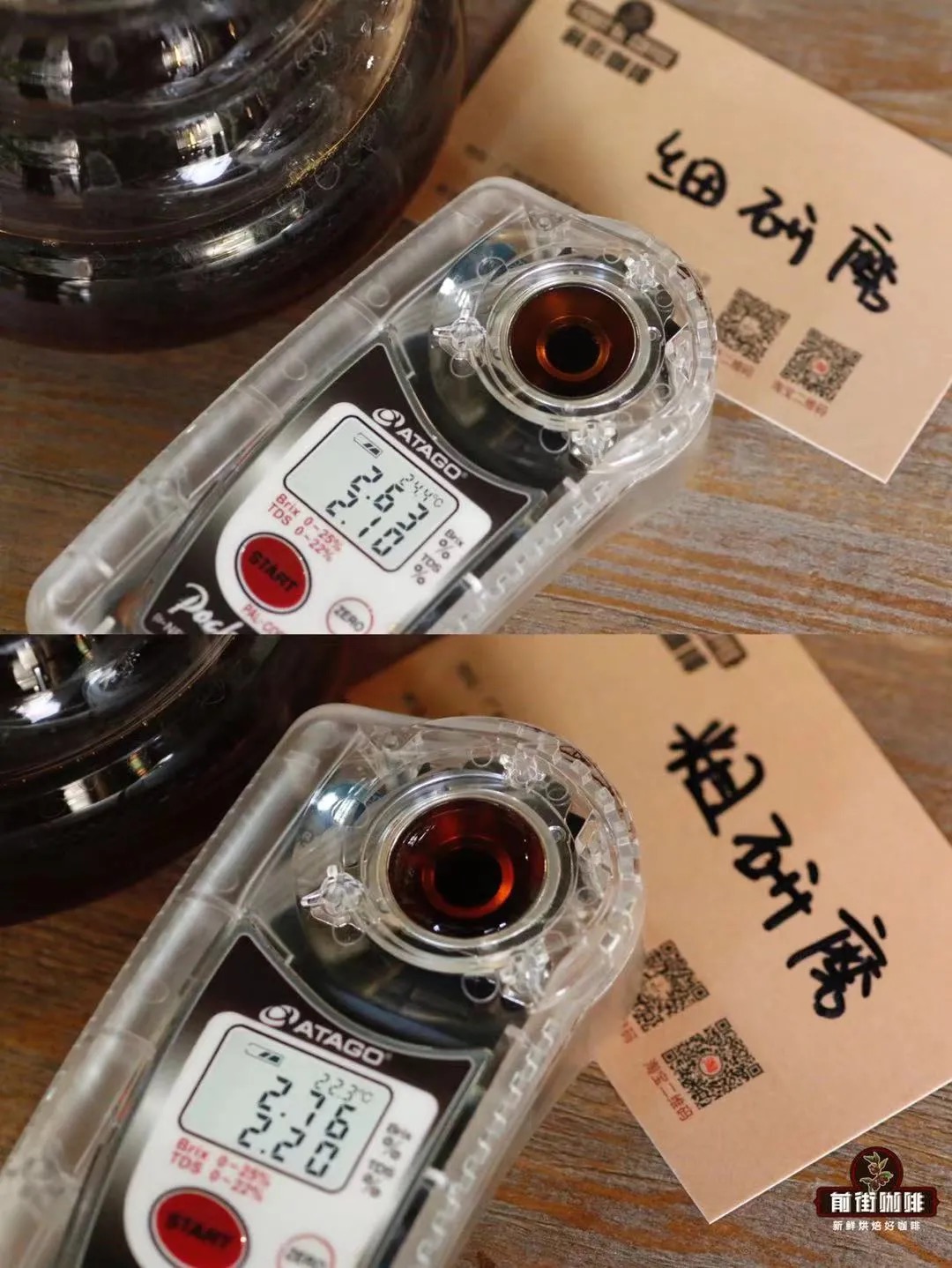
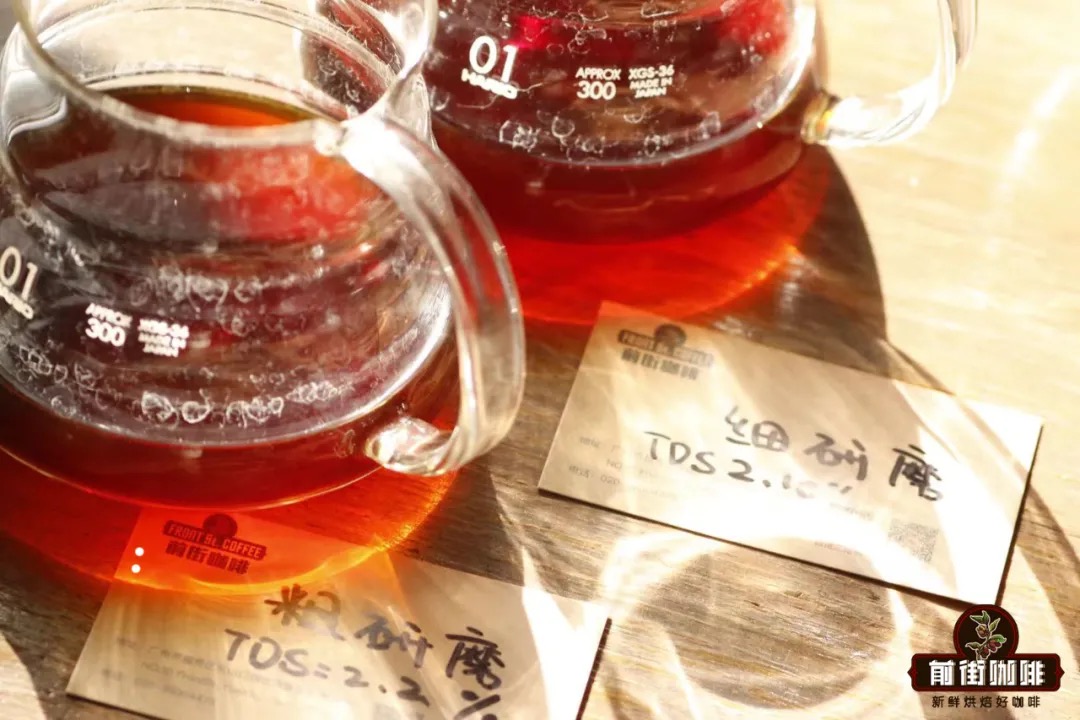
The results: the fine-grind cold brew measured 2.10% TDS; the coarse-grind cold brew measured 2.20% TDS. The fine grind showed bright citrus acidity, honey notes, and a slight tea-like sensation; the coarse grind showed even brighter citrus, more pronounced sweetness and tea character — like unsweetened lemon tea.
We ran this experiment because so many readers ask how to make a stronger cold brew for specialty coffee drinks — one whose aroma won't get buried under milk and other ingredients. If you want a cold brew at a ready-to-drink concentration that needs no dilution, FrontStreet Coffee recommends a fine grind with a 1:13–1:15 coffee-to-water ratio.
Important Considerations
Even though a coarser grind can lift extraction efficiency and concentration, this approach doesn't suit every bean or every cold brew method.
Very light or very dark roasts should not use it — the extra extraction easily pulls harsh acidity or unpleasant bitterness.
Electric cold brew bottles that "finish" quickly work on a different principle: the device continuously shakes the filter screen up and down, keeping the coffee bed in motion. In that setup, a finer grind is actually the better choice.
- This experiment was based on common cold brew coffee methods -
FrontStreet Coffee Recommendation
Great cold brew starts with beans whose florals and fruit survive low-temperature extraction. FrontStreet Coffee's natural Hua Kui, from Ethiopia's coffee homeland, is a cold-brew standout: the natural process loads the beans with sweetness, and cold steeping brings out magnolia, creamy strawberry, dried mango, guava, and black tea. If you want a juice-like cup, the FrontStreet Kenya Cherry — SL28 and SL34 from Thika, processed with the local K72 double-washed method — unfolds cherry tomato, snow pear, black plum, and dried dark plum at low temperatures, bright and refreshingly low in bitterness over ice.
And if you like a little wine-like complexity, the FrontStreet Strawberry Candy Geisha blend — Panamanian Geisha florals meeting Costa Rican honey-process blueberry-and-strawberry sweetness — makes a cold brew so lively that a short rest turns it into something like fruit wine. All are light-to-medium roasted, exactly the roast window this cold-brew method rewards.
Important Notice :
FrontStreet Coffee is a long-established specialty coffee roaster in Guangzhou China, selling freshly roasted beans from its own farm in Yunnan as well as dozens of carefully selected single-origin beans from around the world for both pour-over and espresso. The products deliver consistently excellent quality and great value, with shipping within 24 hours. Guangzhou's FrontStreet Coffee shop is recommended by many coffee lovers, and the beans are now available online at the Tmall 。
FrontStreet Coffee has moved to a new address:
FrontStreet Coffee Address: 315,Donghua East Road,GuangZhou
Tel:020 38364473
 Scan and follow the En Gafei WeChat official account. Please indicate that the reprint comes from "En Gafei".

