
How to Determine if Coffee Beans Have Added Flavorings: Are Rose Valley Coffee Beans Flavored?
The rose-flavored beans we are discussing today are FrontStreet Coffee's Colombian Rose Valley. Every time customers open a bag of these beans, they are amazed by the rose aroma. So are they artificially flavored with essences? No. The flavor comes from a special processing method: double anaerobic enzyme fermentation.
The Double Anaerobic Fermentation Process
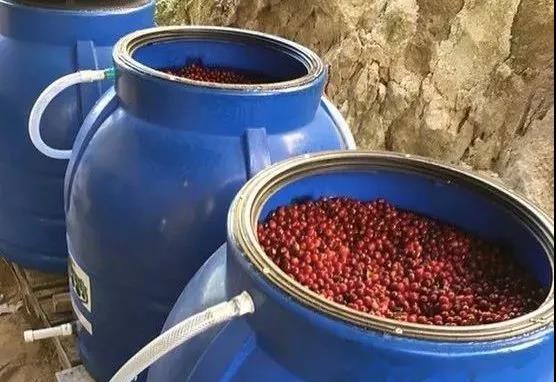
Anaerobic fermentation has become a popular processing method in recent years. It mimics winemaking by injecting carbon dioxide into a sealed container to displace oxygen. In this oxygen-free environment, the breakdown of sugars in the coffee mucilage slows, and the pH value drops more gradually. That extends the fermentation time and allows enhanced sweetness and more balanced flavors to develop.
Anaerobic double enzyme washing takes anaerobic washing a step further, adding special enzymes for a second anaerobic fermentation. After the cherries are removed from the first anaerobic environment and mechanically depulped, the mucilage-covered beans are placed in plastic bags or other sealed containers for another round of anaerobic fermentation. This two-stage process is what we call double anaerobic fermentation.
Origin and Growing Region
FrontStreet Coffee's Rose Valley comes from the Das Arvores Estate in Colombia's Santander region. Santander sits in northern Colombia, bordering the Magdalena River to the west, with cultivation altitudes of roughly 1,400-1,600 meters across an area of 30,537 square kilometers. It is a very important yet rarely mentioned department in Colombia; it was in fact the first province in the country to grow coffee and now accounts for about 5% of Colombia's total coffee production.
Through cupping, FrontStreet Coffee has found that beans from this region are characterized by intense flavors, a long-lasting aftertaste, and unique fresh herbal notes. The owner of Das Arvores Estate, Vargas, has been growing coffee for 20 years. At the estate, only fully mature, bright red cherries are selected for harvest. The beans are washed to remove defective floating beans, then given two rounds of anaerobic fermentation with special enzyme groups. The estate also pays close attention to drying, avoiding excessive temperatures and adopting a slow drying method.
Coffee Variety
The variety is Caturra, a natural mutation of Bourbon. It was discovered between 1915 and 1918 on a plantation in Minas Gerais, Brazil, where a genetic mutation in the Bourbon plants produced smaller growth, similar to dwarfism. The variety suits cultivation from low altitudes of 700 meters up to 1,700 meters, with strong altitude adaptability; the higher the altitude, the better the flavor, though production capacity drops relatively.
Flavor Profile
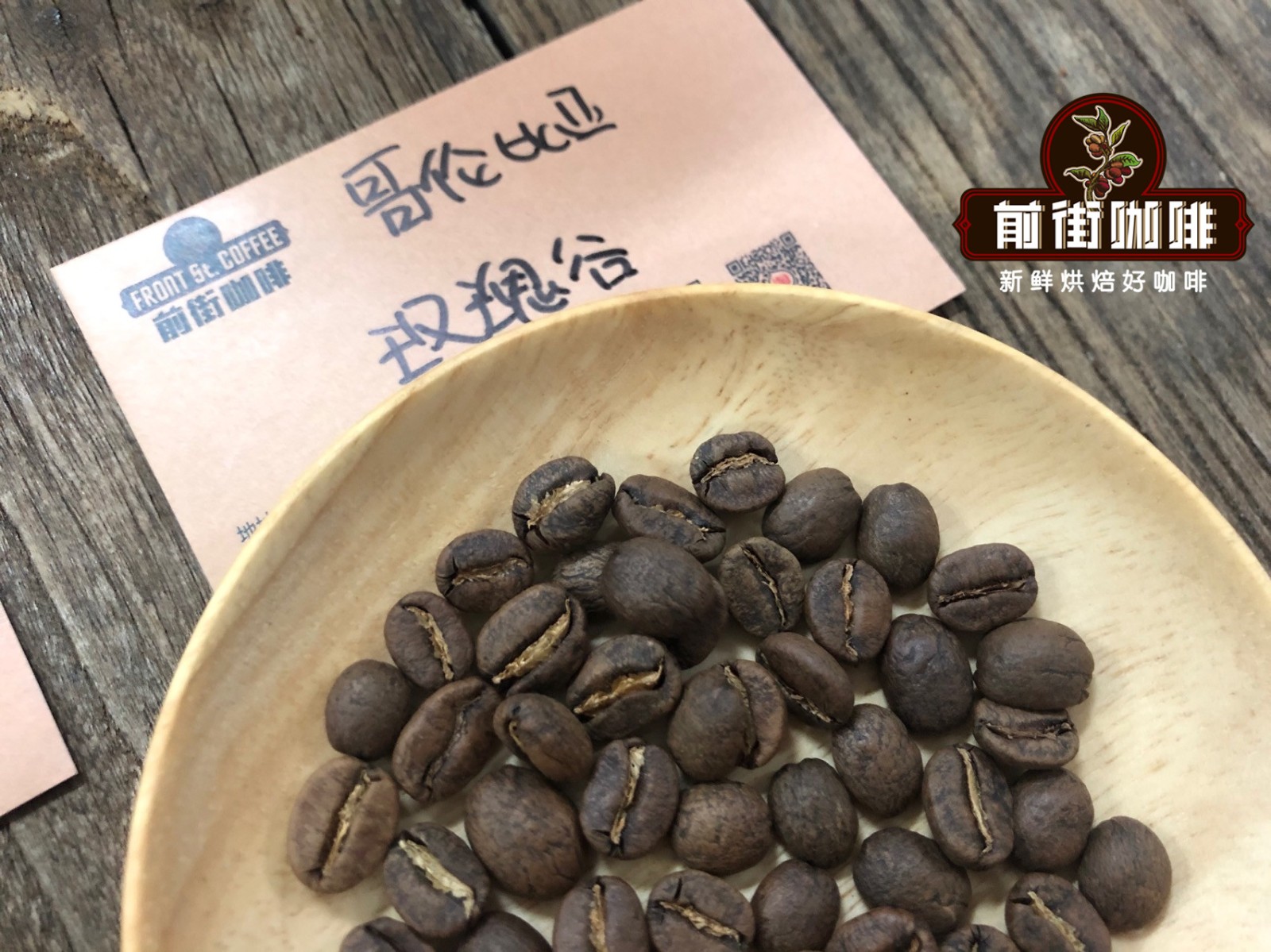
The flavor characteristics of FrontStreet Coffee's Colombian Rose Valley are wine chocolate, rose, cranberry, peach, and cream.
Health Considerations
Are specially processed coffee beans harmful to health? Beyond their special flavors, these beans are no different from regular ones and are not harmful to the body. That said, don't drink too much, since consuming a lot of coffee can make it hard to sleep at night.
FrontStreet Coffee Recommendation
If Colombia's anaerobic coffees appeal to you, FrontStreet Coffee has several to explore. The Colombia Huila is a medium-dark washed single origin from the country's famous southern Central Cordillera, grown above 1,500 meters; it shows dark chocolate and nutty sweetness, moderate crema, and a full body, and works for pour-over, French press, Moka pot, and espresso alike.
For a modern, fruit-forward style, the Colombia Xizhua uses anaerobic natural processing, which develops more tropical fruit aroma; medium-light roasted, it brings passion fruit, grape, apricot, and dried-fruit notes to pour-over, cold brew, drip bags, and Moka pot. Both are good reminders that when a Colombian coffee tastes strongly of fruit, the cause is usually processing rather than added flavoring.
Important Notice :
FrontStreet Coffee is a long-established specialty coffee roaster in Guangzhou China, selling freshly roasted beans from its own farm in Yunnan as well as dozens of carefully selected single-origin beans from around the world for both pour-over and espresso. The products deliver consistently excellent quality and great value, with shipping within 24 hours. Guangzhou's FrontStreet Coffee shop is recommended by many coffee lovers, and the beans are now available online at the Tmall 。
FrontStreet Coffee has moved to a new address:
FrontStreet Coffee Address: 315,Donghua East Road,GuangZhou
Tel:020 38364473
 Scan and follow the En Gafei WeChat official account. Please indicate that the reprint comes from "En Gafei".
Flavor Characteristics of Bolivia Alasitas Estate Cocoa Natural Process Caturra Roasted Coffee
