How Long Should Pour-Over Coffee Brew for the Best Taste - Tutorial on Single-Origin Coffee Bean Parameters: Grind, Water Temperature, Ratio, and Technique
I remember a movie scene where Takeshi Kaneshiro's character was obsessive about food. Even making instant noodles, he used a stopwatch, strictly following his "scientific instant noodle method."
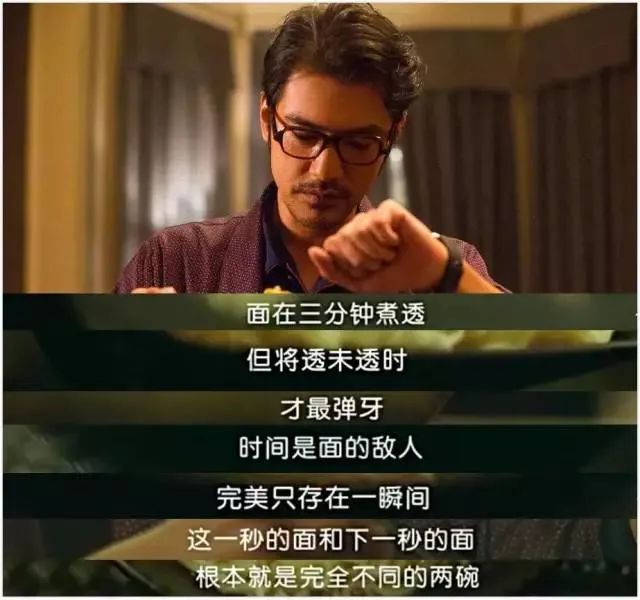
Time matters just as much in pour-over coffee. Today's baristas are every bit as fixated on timing as Kaneshiro's character was with his noodles.
When Should We Start Timing?
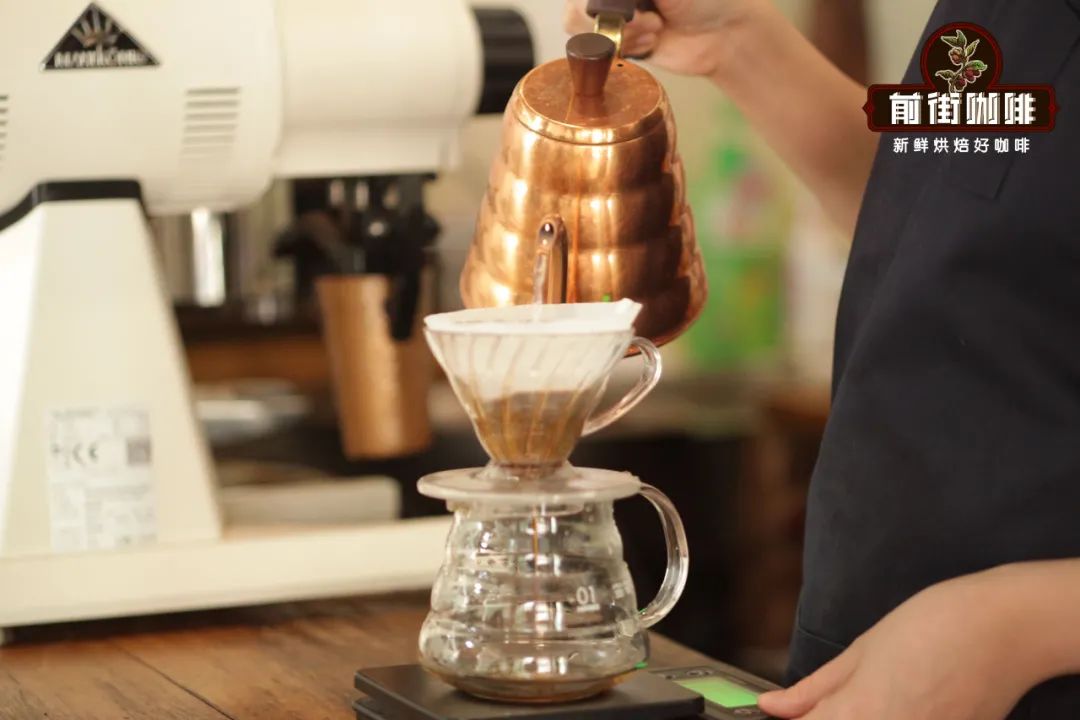
The electronic scale is an essential pour-over tool, combining weighing and timing. The scale gives you accurate data for dose and water-to-coffee ratio, while the timer serves as a check on how well the cup was brewed.

Everyone agrees timing matters, but there is disagreement about when to start. Some start the timer at the first pour; others only press the button after finishing it.
FrontStreet Coffee holds that extraction begins the instant water first touches the grounds. If you pour first and start the timer afterwards, you are ignoring the extraction happening during the pour. And if we all accept a 30-second bloom, the second approach actually yields a bloom longer than 30 seconds.
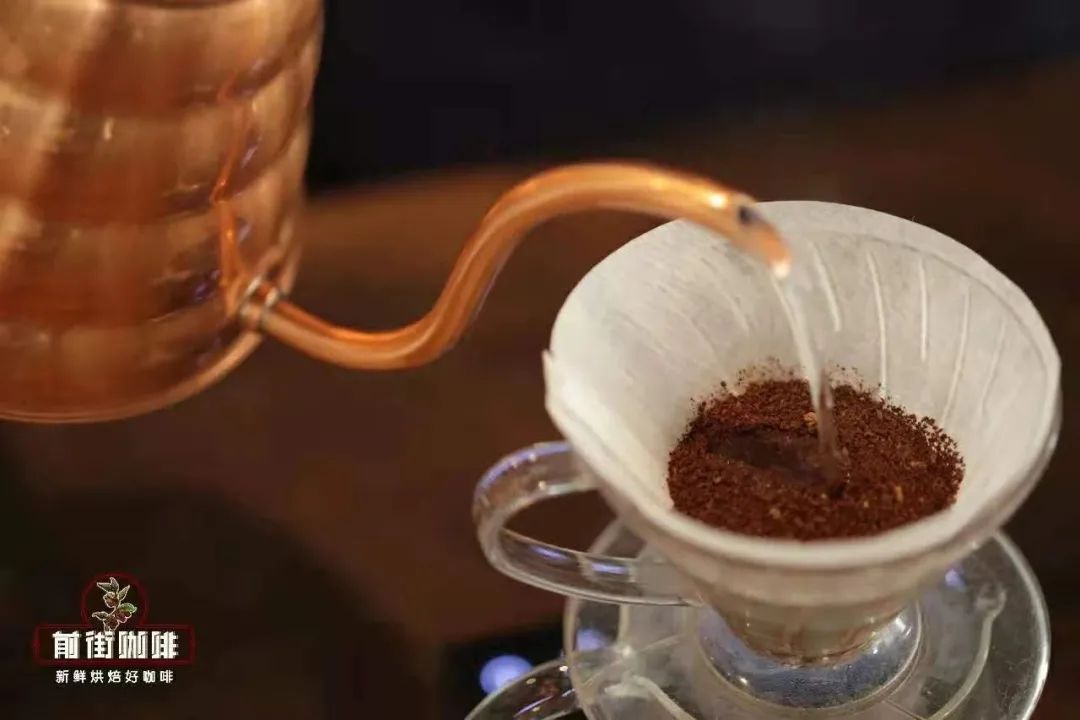
So FrontStreet Coffee suggests starting the timer the moment water first touches the coffee grounds - that is, as you begin pouring.
How Does Brew Time Affect Coffee?
In immersion brewing, too little time leaves flavors weak and underdeveloped; too much brings astringency, intensity, and bitterness - though it takes a difference of more than 30 seconds to produce such a dramatic contrast.
Pour-over is different: you pour water over the grounds and it drips through the bed into the server below. You can directly control the pouring time, but you cannot precisely control how long the water takes to finish draining. A margin of error within 5 seconds is normal.
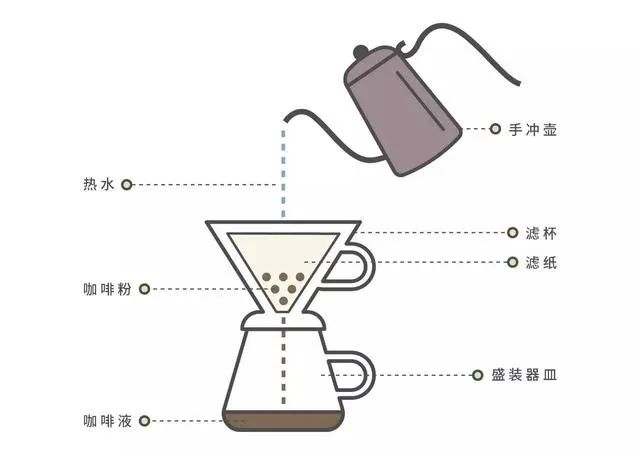
How long the water takes to flow through depends on grind size, pouring technique, and dripper design. The grounds are the key variable: finer grounds create more resistance, slowing the flow and pushing toward stronger, more bitter flavors; coarser grounds let water pass faster, leaving soluble compounds under-extracted and the cup weak and sour.
Pouring technique is easier to control. The more pour segments you use, the longer the total brew time. With FrontStreet Coffee's three-stage pouring method, the total brew runs about 2 minutes.
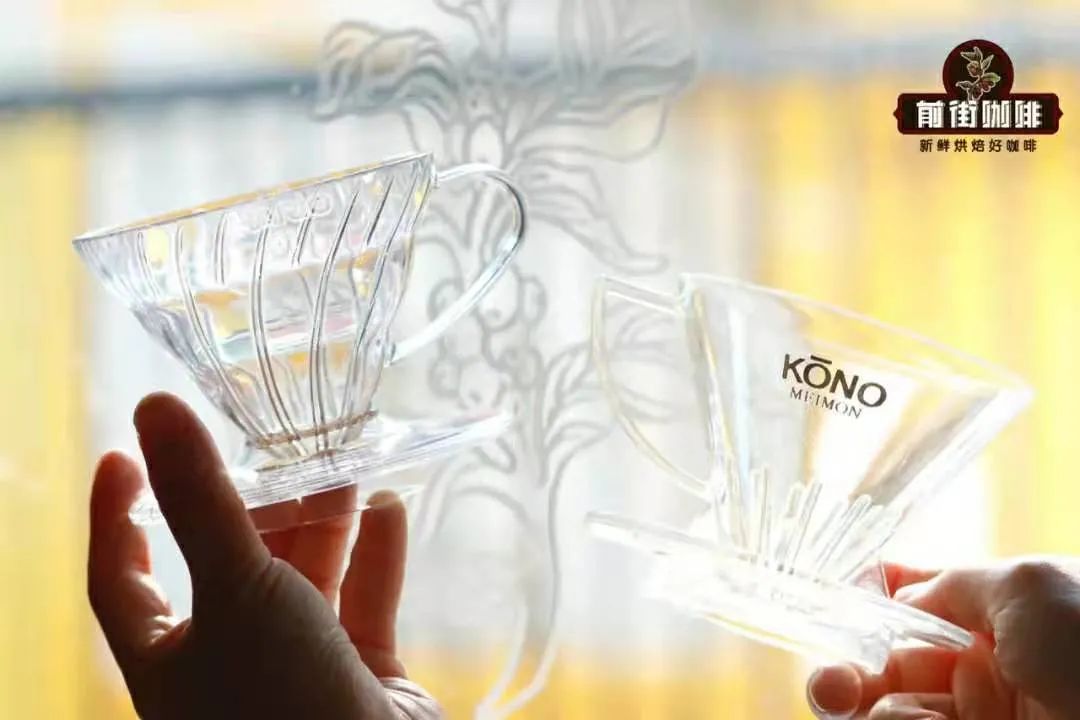
Dripper design matters too. The V60 that FrontStreet Coffee typically uses has spiral ribs that guide water in one direction for even extraction and flow, enhancing layered complexity. The Kono dripper, also used at FrontStreet Coffee, has shorter ribs that extend contact time without clogging, producing a richer, fuller-bodied cup. Choosing the right dripper clearly shapes the final flavor.
What's the Ideal Brewing Time?
For standard brewing (excluding extremes like ultra-fine grinds or drip-by-drip methods) with 15 g of coffee: under 1 minute 30 seconds and the flavors will not be fully developed, leaving a weak, watery cup; past 2 minutes 30 seconds and bitter, astringent notes creep in. For FrontStreet Coffee's beans, most extract best between 1 minute 50 seconds and 2 minutes 10 seconds - the most enjoyable window.
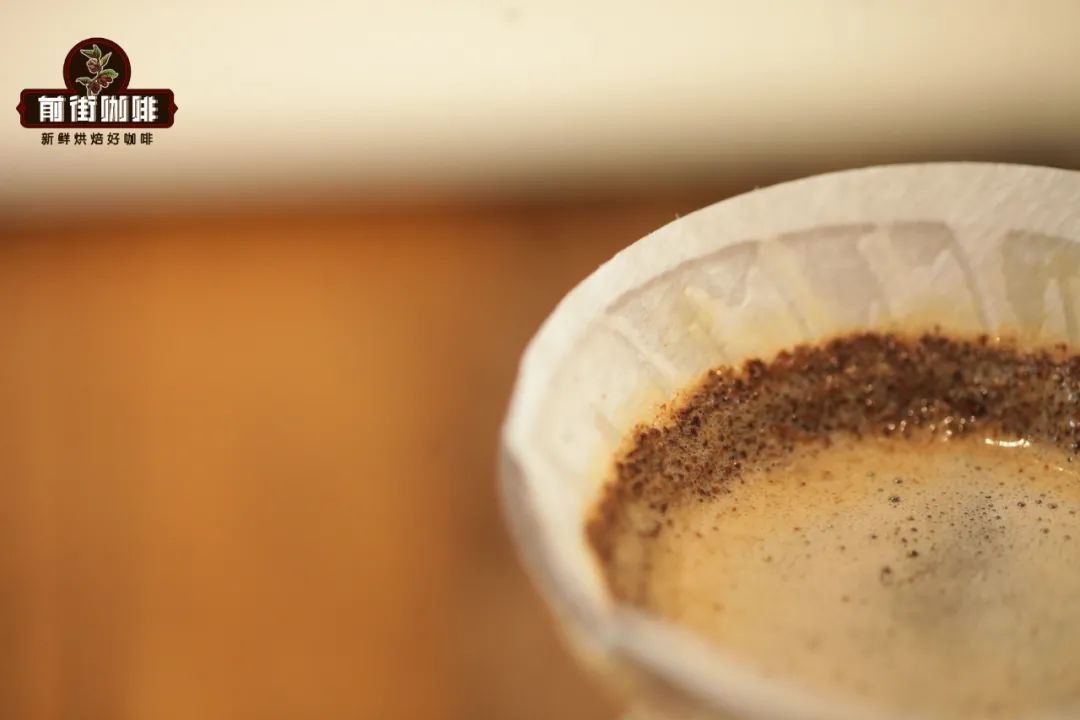
For anyone working on their pour-over skills, 1:50-2:10 is a forgiving benchmark. If your brew falls outside that window and the cup disappoints, adjust grind size or pouring technique to bring extraction back into the optimal range.

FrontStreet Coffee Recommendation
The V60 is the dripper FrontStreet reaches for most, and it pairs best with bright, floral, fruit-forward beans. Designed by Hario - the Tokyo glassware maker founded in 1921 - the V60 takes its name from its 60-degree V-shaped cone, and its single large outlet puts flow control entirely in the brewer's hands. That fast, even extraction is exactly what shows off beans like the FrontStreet Guodingding from Yirgacheffe (citrus, berries, white florals, and a green-tea-like finish), the FrontStreet Hua Kui with its rich tropical fruit character of strawberry, passion fruit, and jackfruit, the Geisha-style FrontStreet Strawberry Candy, and the raisin-toned FrontStreet Mozart.
If you lean toward the classic, heavier style instead, the V60 is not your only option: a Kono dripper with beans like FrontStreet PWN Golden Mandheling or FrontStreet Blue Mountain No. 1 - low acidity, thick body, dark chocolate and caramel sweetness - will produce a richer, fuller cup in the spirit of the pre-third-wave era.
Important Notice :
FrontStreet Coffee is a long-established specialty coffee roaster in Guangzhou China, selling freshly roasted beans from its own farm in Yunnan as well as dozens of carefully selected single-origin beans from around the world for both pour-over and espresso. The products deliver consistently excellent quality and great value, with shipping within 24 hours. Guangzhou's FrontStreet Coffee shop is recommended by many coffee lovers, and the beans are now available online at the Tmall 。
FrontStreet Coffee has moved to a new address:
FrontStreet Coffee Address: 315,Donghua East Road,GuangZhou
Tel:020 38364473
 Scan and follow the En Gafei WeChat official account. Please indicate that the reprint comes from "En Gafei".