The Correct Pour-Over Method for Making Mandheling Coffee, Dark Roast Pour-Over Coffee Brewing Techniques, How to Make a Sweet and Clean Cup of Pour-Over Coffee
What is FrontStreet Coffee's Mandheling Coffee?
Mandheling is an Indonesian coffee whose name begins with a story from the Japanese occupation of Indonesia in World War II. A Japanese soldier walked into a local café and drank an astonishingly fragrant cup of coffee. When he asked the owner its name, the owner assumed he was asking where the coffee was from and answered: "Mandailing." After the war, the soldier remembered that cup, found an Indonesian coffee merchant, and had 15 tons shipped to Japan — but when asked what to call it, he said "Mandehling" instead of "Mandailing." Thanks to this double misunderstanding, the name "Mandheling" was born, and as the coffee's popularity exploded in Japan, the name spread from there.
FrontStreet Coffee's Golden Mandheling
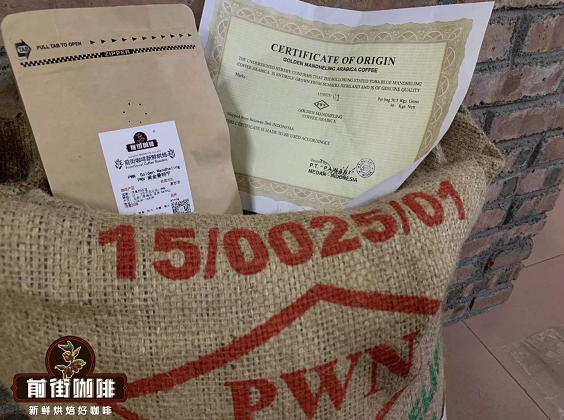
Tonight's featured bean is a premium Mandheling: FrontStreet Coffee's Golden Mandheling, produced by Indonesia's PWN Coffee Company (which owns the Golden Mandheling trademark). Imported lots come with a PWN certificate of authenticity. FrontStreet Coffee's Golden Mandheling is grown in the Gayo Highlands of Aceh, graded G1, and passes through three rounds of hand selection to guarantee large, full beans (19 screen) with minimal defects — a very clean, rich mouthfeel and high sweetness that define top-quality Mandheling.
How to Brew Clean and Delicious FrontStreet Coffee Mandheling
Why does home-brewed Mandheling so often taste bitterly overdone? And how do you get a clean, delicious cup instead? FrontStreet Coffee's goal when brewing Mandheling is a rich yet clean mouthfeel that highlights caramel, chocolate, and its signature herbal aromatics — with no unpleasant bitterness. Here's our equipment and parameter guide, demonstrated with the Golden Mandheling.
Equipment and Parameters
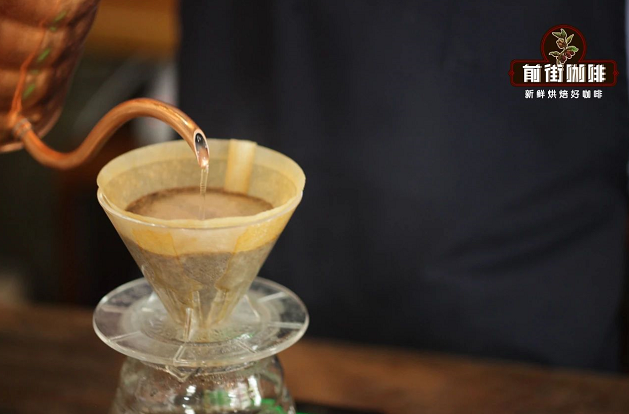
For the dripper, FrontStreet Coffee chose the Kono Meimon. Its defining feature: ribs that run only from the base to mid-wall, leaving the upper section smooth. When the filter paper sits flush against the wall, water can't sneak around the coffee bed, which deepens the mouthfeel. This dripper suits other full-flavored beans too — FrontStreet Coffee's Brazil Queen Estate and Blue Mountain among them.
Dose: 15g of grounds. More isn't better — the dose depends on the dripper. With a 1-2 cup dripper, 15-20g is the sensible range; brewing outside it gets awkward.
Ratio: 1:15. Some suggest 1:13 or even tighter, but concentration and richness aren't the same thing — and excessive concentration reads as harshness. At 1:15, the Mandheling's rich body still comes through fully.
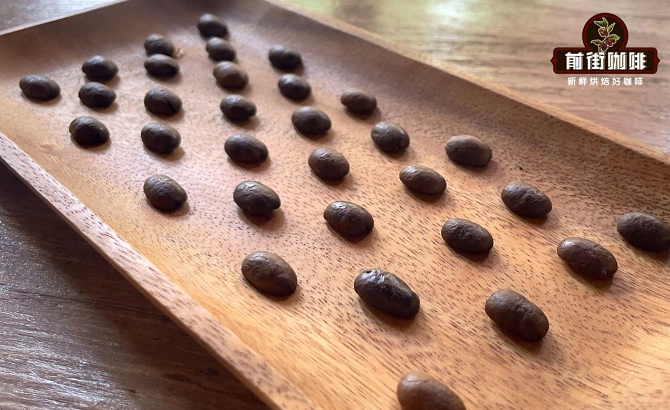
Grind: 70% pass rate through a #20 sieve. Golden Mandheling should be ground slightly coarser than light-roast beans, because dark roasting makes the bean structure more porous — it absorbs water and releases its compounds faster. Ground as fine as a light roast, it burns bitter; ground any coarser, the cup turns thin and watery.
Water: 87-88°C. Same logic as grind — too hot and you pull burnt bitterness; too cool and the cup goes flat with unpleasant sourness.
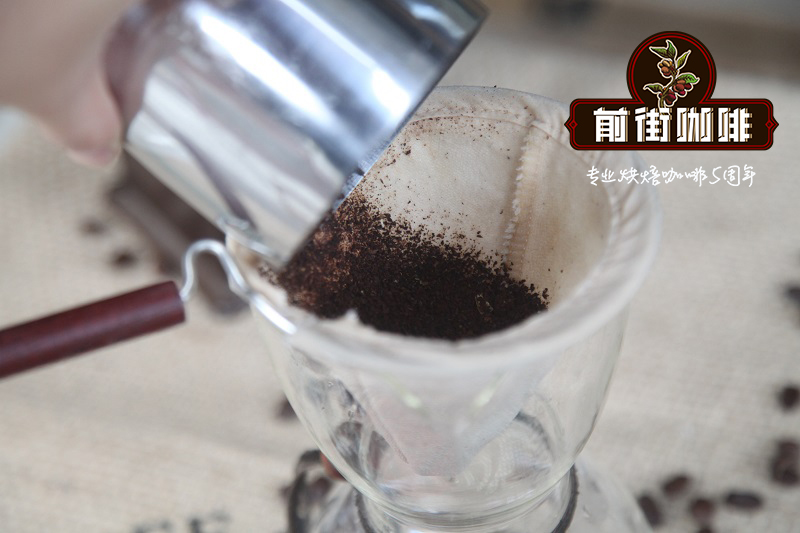
Technique: a three-pour method. Splitting the water into three pours expresses the Golden Mandheling's full body and caramel sweetness best. First pour: 30ml to bloom — fully wetting the grounds lets them degas so later pours extract more cleanly. Second pour: 100ml. Final pour: 95ml, which lifts the sweetness — delivering a substantial, rich body with caramel, chocolate, and nut flavors.
FrontStreet Coffee Recommendation
If this tutorial wins you over, the FrontStreet PWN Indonesia Golden Mandheling is the bean to brew it with — PWN machine- and hand-sorts premium Sumatran green beans to the strict G1 grade (fewer than 3 defects per 300 g sample, beans above 18 mesh) and roasts medium-dark for herbal, dark-chocolate depth with heavy body and caramel sweetness. For a more traditional, rustic take, the FrontStreet Lintong Mandheling from the Lake Toba region offers clove and woody spice with a strong, enduring sweetness.
And if you'd like Mandheling in your espresso machine, the FrontStreet Classic Blend builds on Brazil's creamy nuts with medium-dark Mandheling and a touch of robusta — butter, roasted chestnut and caramel notes, thick crema, and an easy pour for latte art or a layered Dirty.
Important Notice :
FrontStreet Coffee is a long-established specialty coffee roaster in Guangzhou China, selling freshly roasted beans from its own farm in Yunnan as well as dozens of carefully selected single-origin beans from around the world for both pour-over and espresso. The products deliver consistently excellent quality and great value, with shipping within 24 hours. Guangzhou's FrontStreet Coffee shop is recommended by many coffee lovers, and the beans are now available online at the Tmall 。
FrontStreet Coffee has moved to a new address:
FrontStreet Coffee Address: 315,Donghua East Road,GuangZhou
Tel:020 38364473
 Scan and follow the En Gafei WeChat official account. Please indicate that the reprint comes from "En Gafei".
World's Top 10 Premium Coffees | How Are the Coffee Beans from Ethiopia's Woka Cooperative? Which is the Best Coffee Bean in the Yirgacheffe Region?