
How to Drink Espresso and Describe Its Flavor Characteristics - Is Espresso Bitter? What Coffee Beans Make It Less Bitter?
"What's so good about this bitter stuff?" That's probably a lot of people's honest impression of espresso.
Plenty of first espresso experiences follow the same script: you walk into a coffee shop, glance at the menu prices, break into a cold sweat, and cautiously order the cheapest coffee on the list.
Then the barista sets down a tiny cup. "How can something this small cost that much? The milk tea next door is several times bigger and cheaper." You knock it back in one gulp — and spit it out. "Ugh! Why is this so bitter!"
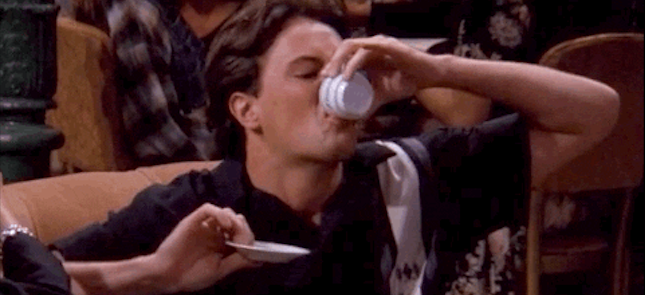
Is espresso really bitter?
If a café lists espresso on its menu, it's usually the least-ordered item — almost no one comes in to explore what espresso is really about. In Italy, though, it's the national drink. Italians hold that only espresso's rich, caramelized aroma truly captures the essence of coffee. In practice, many treat it as a functional energy shot, adding creamer and sugar without hesitation — whatever makes it go down easier.
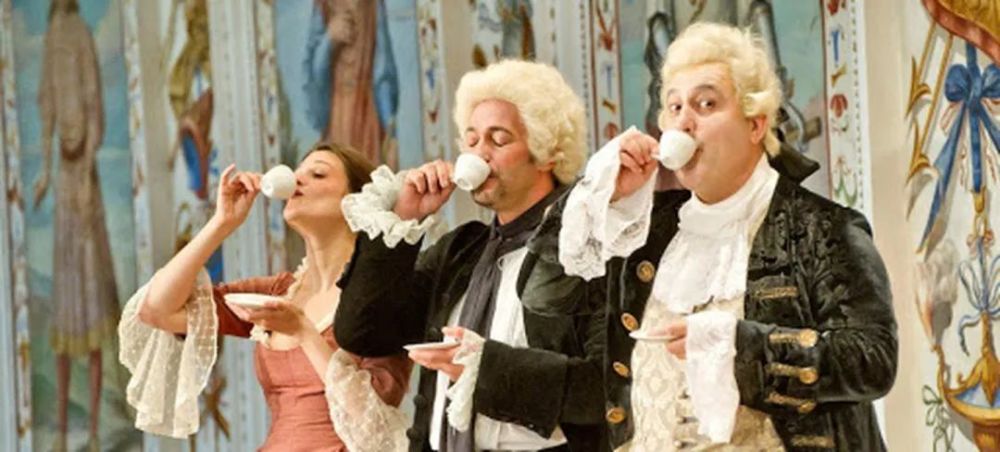
Perhaps only people from Guangdong who grew up drinking herbal tea truly understand espresso's bitterness. Plenty of folks can't stomach herbal tea either, but some genuinely love it — and espresso is the same.
People who enjoy espresso can absolutely taste the bitterness. They can also taste the coffee aroma hiding behind it.
Espresso's defining trait is using pressure to extract the essence from finely ground coffee — a 30ml cup that concentrates everything the bean has to offer, rich and aromatic in a way no other brewing method can match.
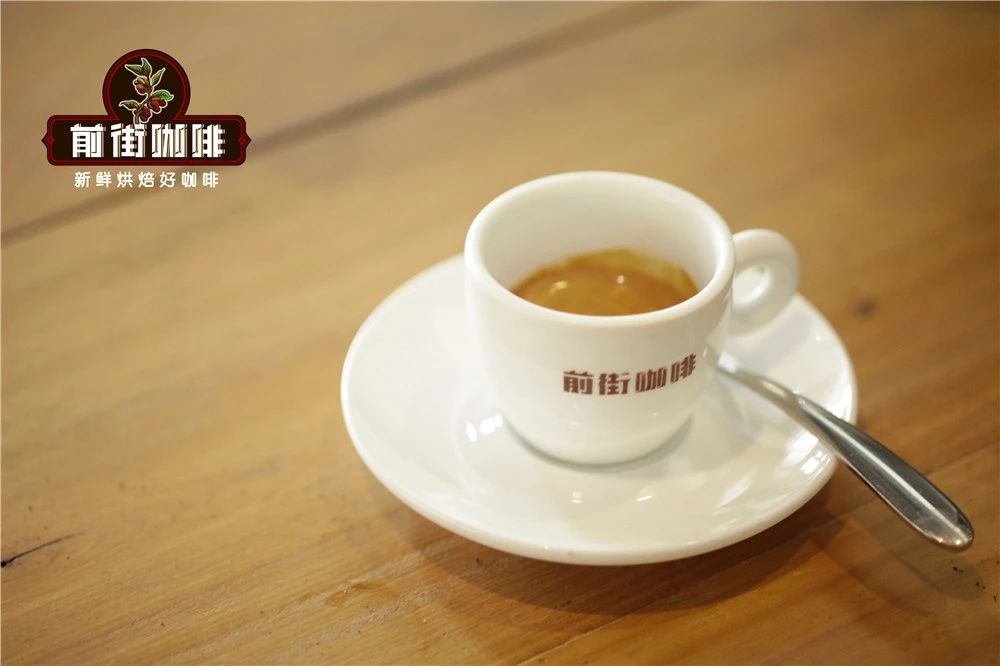
Brewed with a classic Italian blend (like FrontStreet Coffee's commercial blend), the shot shows abundant golden crema and nutty aromas. On the palate you get caramelized bitterness wrapped in a creamy, full-bodied texture; after swallowing, the bitterness fades and a pleasant sweetness lingers.
Most of espresso's bitterness comes from the beans
Most espresso you'll encounter is made from dark-roasted blends. Cafés build those bases so that Americanos and lattes taste good, paying little attention to how the espresso drinks on its own — after all, hardly anyone orders it.
Under that logic, a good Americano or milk coffee doesn't guarantee a good straight shot. It's like enjoying a drink of concentrated juice mixed with green tea — it doesn't mean you'd happily sip the concentrate by itself.
Given Italian coffee's history, dark-roasted blends are traditionally considered the stable, reliable choice for espresso. But with the rise of Single Origin Espresso (SOE), more medium and light-roasted options are rewriting the assumption that espresso can only be bitter.
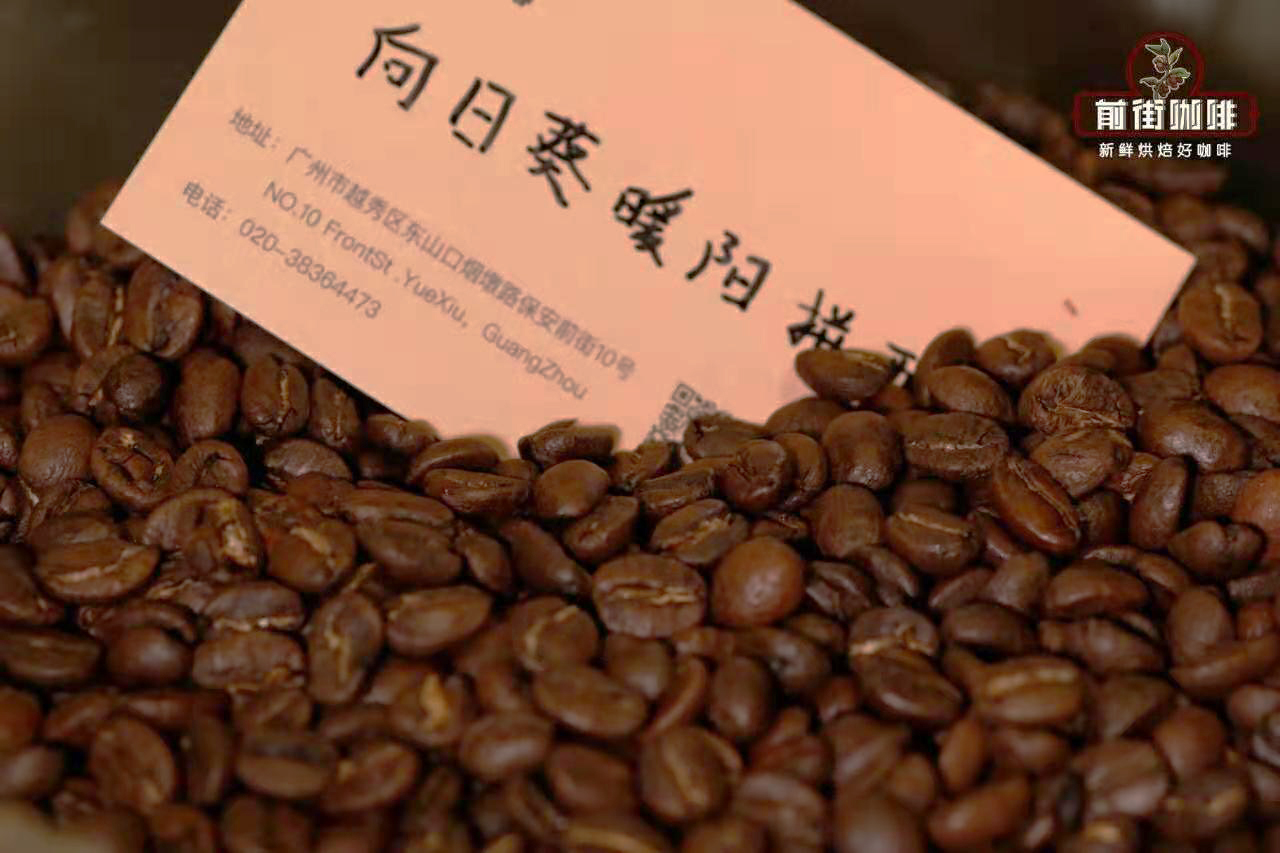
Take FrontStreet Coffee's popular Sunflower Warm Sun Blend — its flavor profile has little to do with pure bitterness. Vanilla and sherry aromas announce themselves the moment you lean in. Stir it with the small spoon and the golden crema stays delicate and dense. The taste is intense dark chocolate with strong caramel notes, and the aroma that rises after swallowing lingers endlessly. (Dark chocolate here means 70%–99% cocoa solids, only slightly bitter.)
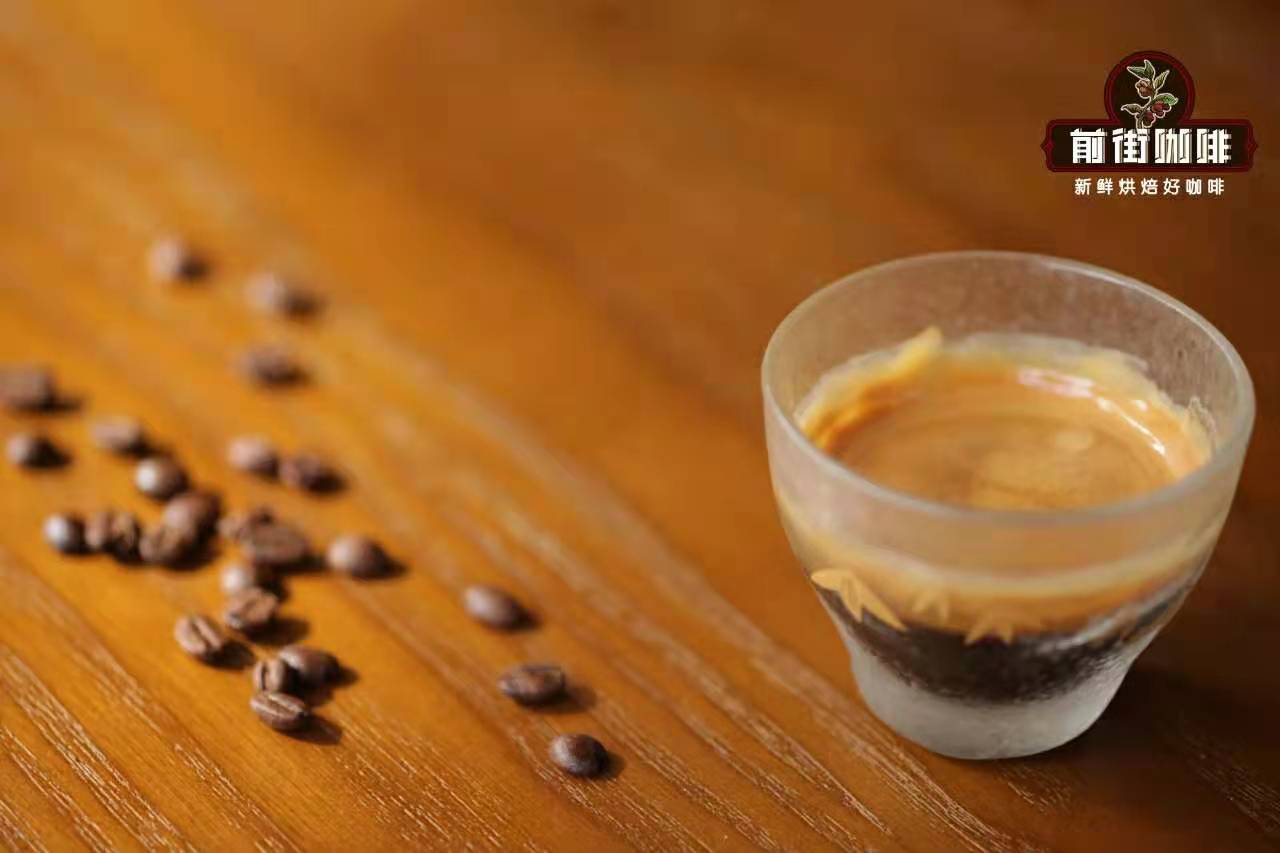
Some cafés deliberately choose distinctive beans for espresso. To showcase those characteristics, they avoid roasting too dark, and the resulting shots lead with gentle acidity and the bean's signature aromatics.
How can you taste beyond the bitterness?
1. Your everyday diet shapes flavor perception. People who eat lighter food tend to have more sensitive palates.
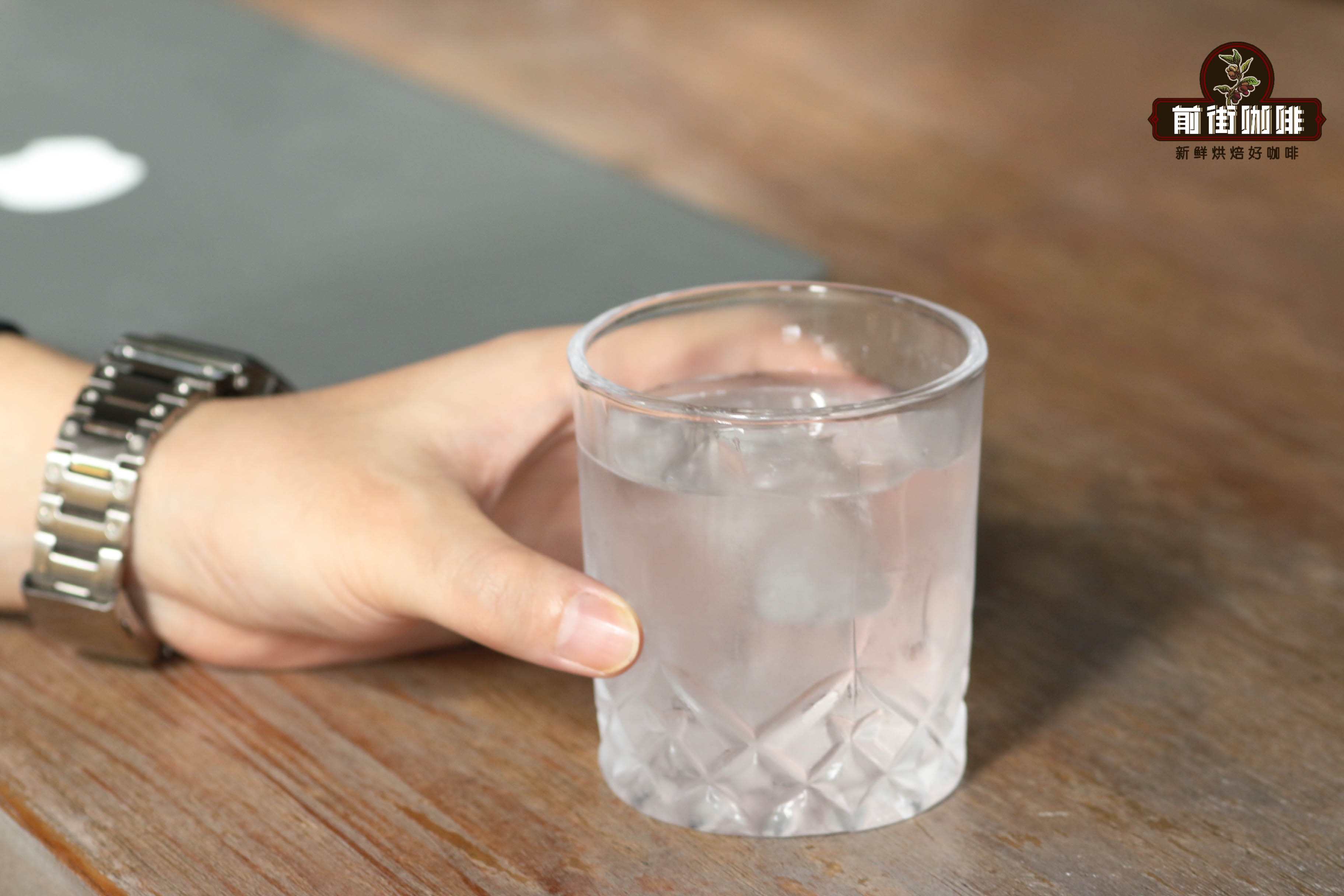
2. Espresso usually arrives with a glass of ice water. That's there to rinse residual flavors from your palate before you drink.
3. Even though espresso reaches you seconds after extraction, that's enough time for the crema to begin separating — and since it's extracted straight into the cup, the concentration can be uneven. Stir it with the spoon before drinking.
4. Now lift the cup and sip the espresso with the crema, letting the coffee coat your tongue and palate.
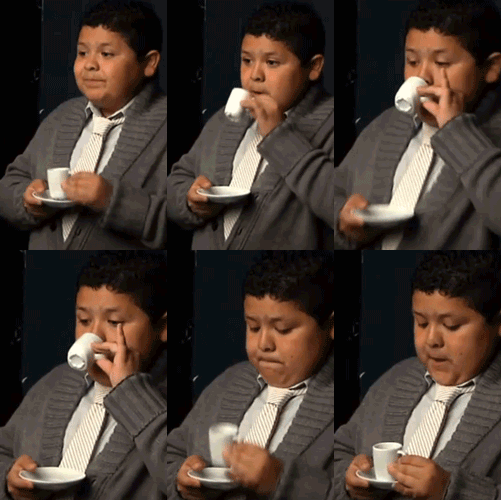
5. After swallowing, close your mouth and exhale through your nose to catch the espresso's aroma and aftertaste. Then a sip of clean water — and notice the sweetness it leaves on your taste buds.
By all means try tasting espresso this way, but if bitterness simply isn't your thing, don't force it. Everyone's palate is different, and there's a coffee out there for you.
FrontStreet Coffee Recommendation
Espresso beans generally come in two forms: the blends most cafés default to, and single origins chosen for their own flavor — SOE. Blends exist to make coffee better, combining the strengths of different origins into a more balanced cup. For a traditional-style Americano or latte, FrontStreet Coffee's Classic Blend or Commercial Blend builds on the old-school Italian formula with a touch of Robusta, extracting buttery, nutty, spicy notes of dark chocolate and toast with a wild, thick body and explosive golden crema that makes latte art effortless.
If you're drawn to nutty espresso — almond, walnut, cashew — reach for the Specialty Blend or the Dark Cocoa Blend. Both lean heavily on Brazilian coffee for a comfortable bittersweetness and creamy peanut aroma, remarkably smooth on the palate. The Specialty Blend adds Colombia's nut, chocolate, and caramel notes with balanced acidity; the Dark Cocoa Blend brings the ripe-plum acidity of Yunnan small-bean coffee and a creamy chocolate fragrance, versatile enough for signature drinks as well as lattes and Americanos.
For SOE, FrontStreet Coffee's natural Hibiscus (Huakui) from Guji Hambela in Ethiopia — grown at up to 2300 meters — offers creamy strawberry from the terroir and natural process, with cream, cocoa, berries, soft florals, and black tea after medium roasting; the Costa Rica Blackberry SOE, a honey-processed lot, delivers blackberry sweetness as a bright Americano and cranberry cookie, raisin, and nut flavors with milk; and the Brazil Queen Estate SOE, a distinctive Yellow Bourbon roasted medium-dark, pulls butter cookie, macadamia, and toasted bread aromas at a friendly price.
Important Notice :
FrontStreet Coffee is a long-established specialty coffee roaster in Guangzhou China, selling freshly roasted beans from its own farm in Yunnan as well as dozens of carefully selected single-origin beans from around the world for both pour-over and espresso. The products deliver consistently excellent quality and great value, with shipping within 24 hours. Guangzhou's FrontStreet Coffee shop is recommended by many coffee lovers, and the beans are now available online at the Tmall 。
FrontStreet Coffee has moved to a new address:
FrontStreet Coffee Address: 315,Donghua East Road,GuangZhou
Tel:020 38364473
 Scan and follow the En Gafei WeChat official account. Please indicate that the reprint comes from "En Gafei".

