
Pour Over Coffee Tutorial: Practical Tips & How to Control Pour Over Water Flow
The Importance of Proper Pour-Over Technique
If you have read the title and felt seen (please, no surveillance cameras), these are problems every newcomer to pour-over coffee runs into sooner or later. So what should you do? At this point, you need to adjust your brewing posture and the way you grip the kettle.
(Not strictly necessary, but worth a look.)
First, let us understand what else is at stake when you adjust these things.
Poor brewing posture leads to poor application of force. Apply force the wrong way and your hands shake while holding the kettle. When your hands shake, you cannot pour the water vertically. When the water is not vertical, your circular pour will not be even. Yes, that is roughly how it goes.
Brewing posture matters enormously.
Recently a friend mentioned that they brew coffee sitting at home, and no matter what they do it never tastes good. Sitting? Brewing pour-over coffee while seated will definitely not taste good.

For one thing, sitting puts your line of sight nearly parallel to the dripper, so you have to lean forward to see inside it. When your body must lean forward and you deliberately raise the angle of your arm to lift a fairly heavy pour-over kettle, both your arm and your wrist grow very tired. Then your hands start to shake. And as we said, shaky hands have consequences. So the first step to brewing a delicious cup is to stand up.
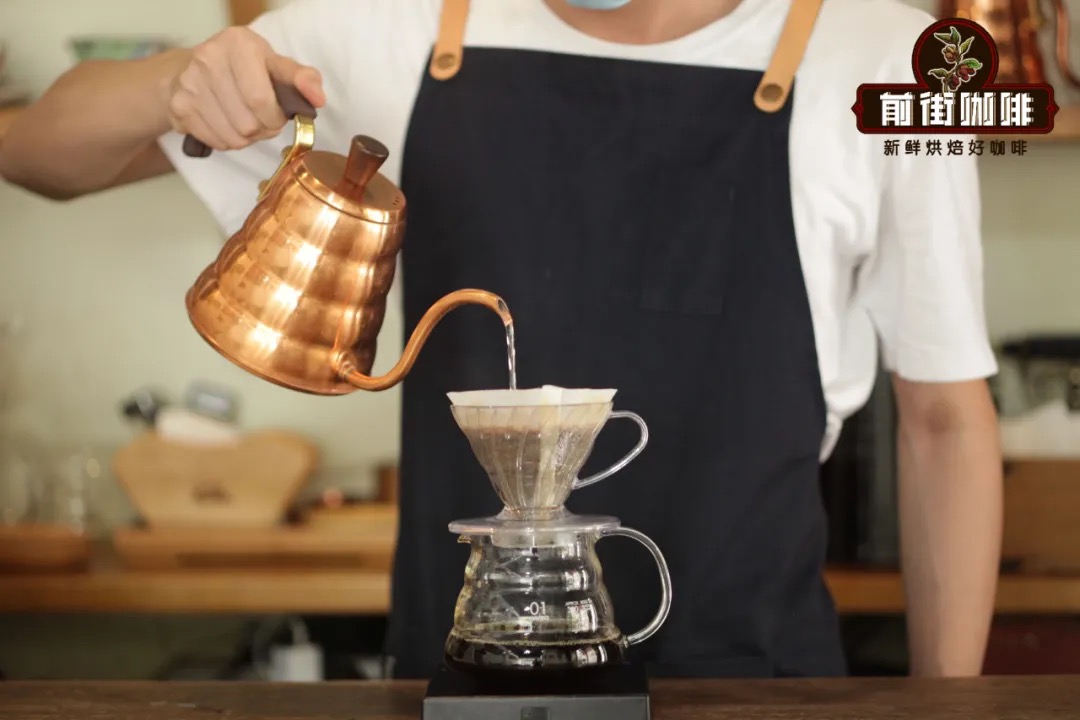
When brewing pour-over, pick a countertop as close to waist level as you can. The recommended stance is to stand with your feet slightly staggered, left foot forward, concentrating your weight on the left foot.
Choosing the Right Pour-Over Kettle
Choose a pour-over kettle with a comfortable handle.
Adjust your kettle grip.
Pour-over kettles come with many handle designs. A kettle that sits comfortably in your hand saves you a great deal of effort. Before buying, you can ask at a coffee shop whether you might hold their kettles to see which handle type suits you best.
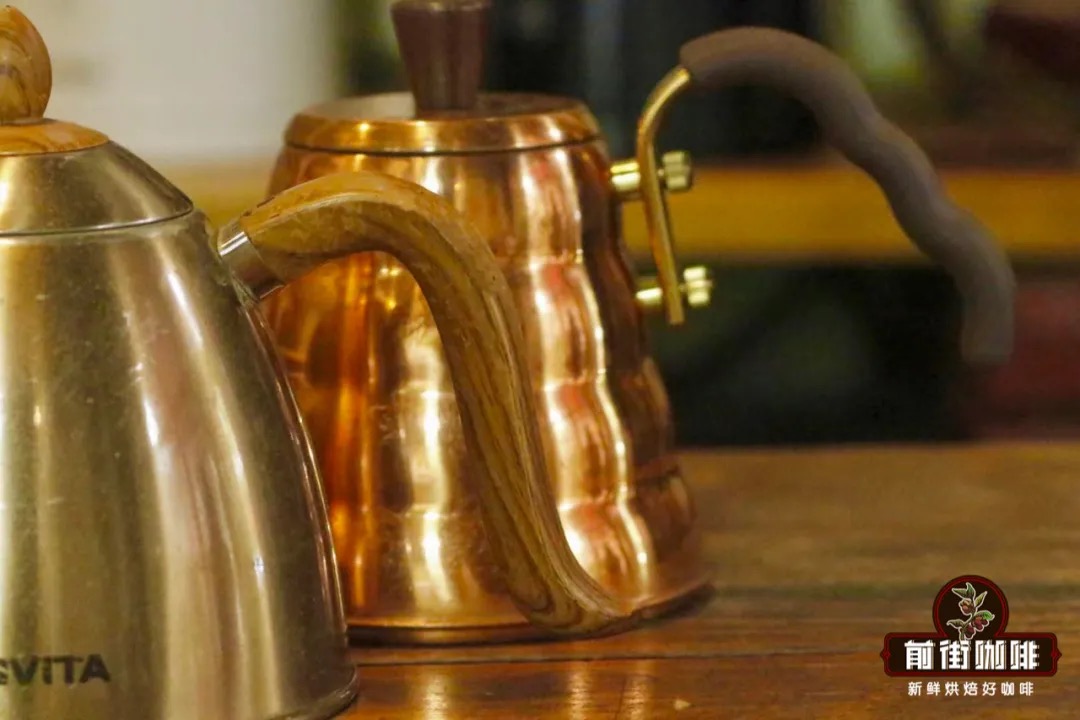
The kettle you choose should be neither too heavy nor too light. FrontStreet Coffee recommends a 600ml pour-over kettle with a net weight of about 400g-480g. Filled with 350ml-400ml of water for brewing, it will not produce an unstable flow by being too light, nor ache your muscles by being too heavy.
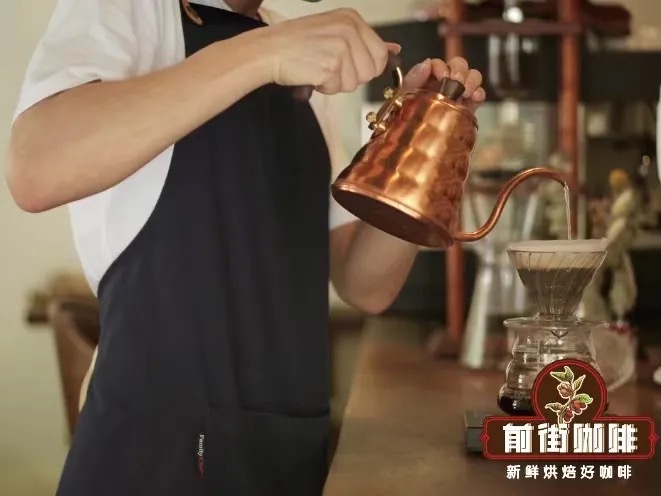
For holding the kettle, use your right hand with the arm extended, slightly below shoulder level (the key word is slightly). If the arm hangs too low, the force concentrates on the wrist, making it hard to apply force properly and easily causing muscle soreness that leads to shaking. Beginners may find a one-handed hold unsteady, so you can use your left hand to pinch the kettle lid and steady yourself while pouring.
Achieving Perfect Water Flow
Now you are standing steadily with a firm grip.
So how do you keep the water flowing vertically?
In general, filling the kettle to 60%-70% of capacity makes a vertical stream easiest to maintain. Of course, the spout shape matters too. A gooseneck kettle, with a spout that curves downward, makes vertical pouring easier to control.
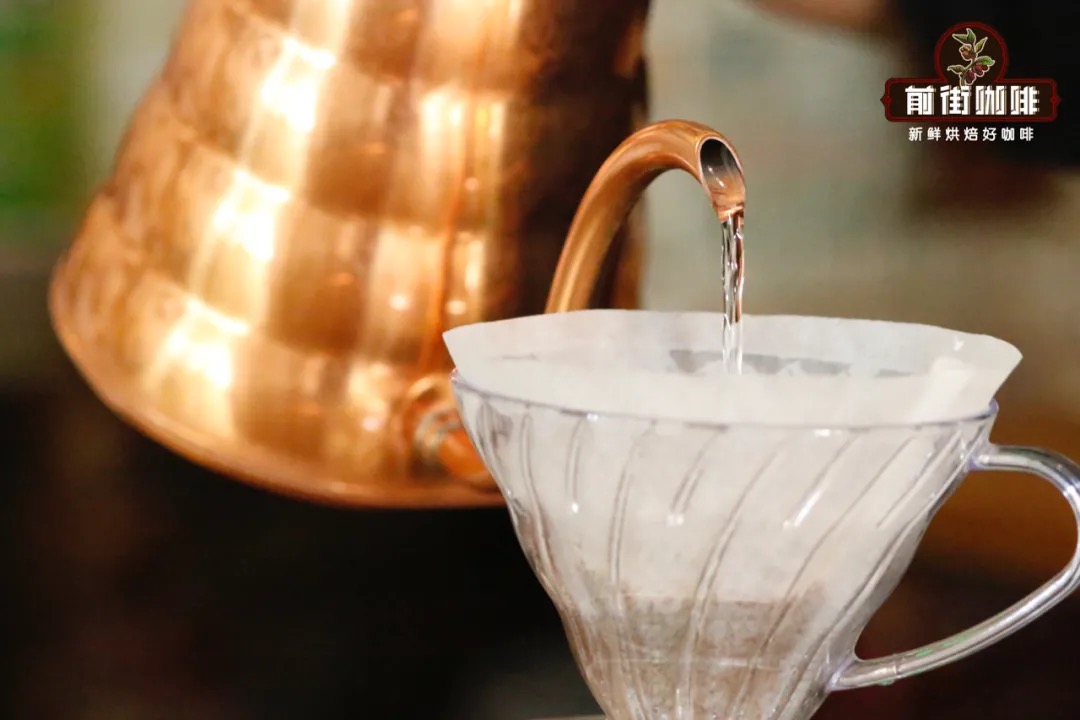
Some straight spouts tend to produce a parabolic stream and demand stronger fundamentals. Beginners should patiently practice a slow circular pour with a vertical stream. Once you are proficient, you can naturally speed up the circle while keeping the stream vertical.
Mastering the Circular Pour
Steady stance, firm grip and vertical stream, all achieved.
So why are the circles still uneven?
An uneven circular pour makes the coffee bed uneven in thickness, which leads to uneven extraction in the final cup.
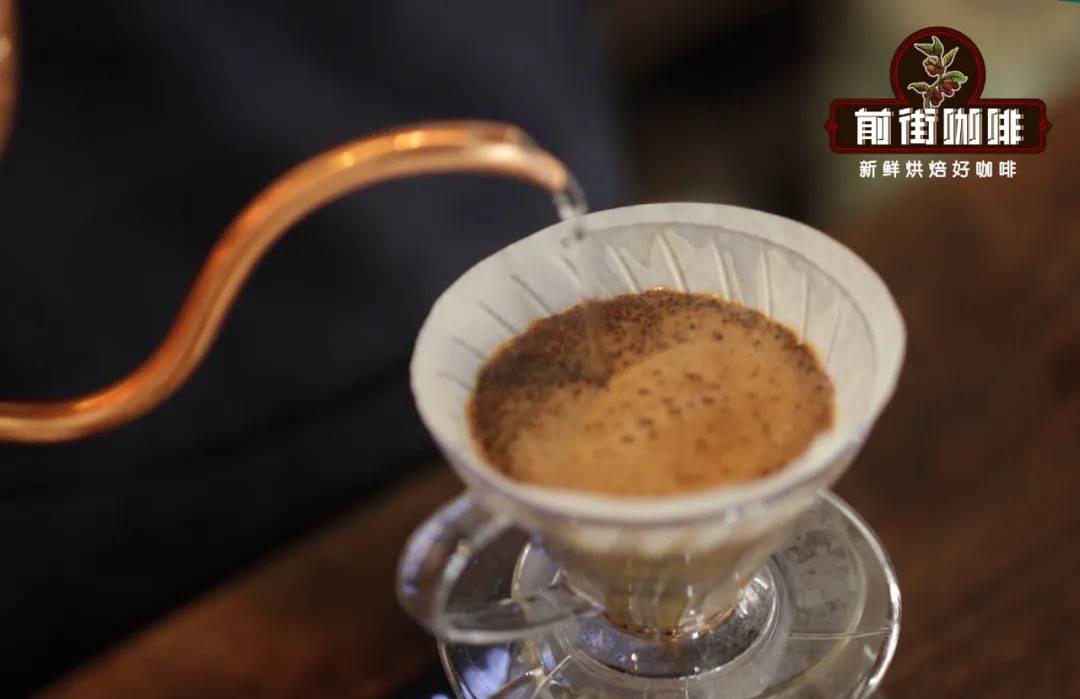
During the pour, uneven circles generally come from three situations. First, the table is too high (so stand up to brew) or too low, which limits your field of vision. Second, your stance is wrong and your body is pressed against the edge of the table, restricting the movement of your right hand. Third, you pour in circles using your wrist, which makes the kettle rise and fall, so the stream becomes unstable and the circle drifts. Move your arm in straight lines to drive the circular pour instead of flicking water with the wrist.
FrontStreet Coffee Recommendation
Once your stance, grip and pour are steady, a clean, aromatic bean makes the improvement obvious right away. FrontStreet Yirgacheffe Gudingding is a lovely one to practice on: its bright citrus, berry and floral notes over a green-tea finish respond directly to a more even circle, so you can taste the difference your technique makes.
For a sweeter, more forgiving cup while you build the habit, FrontStreet Ethiopia Huakui offers tropical aromas of strawberry, passion fruit and jackfruit with low bitterness and plenty of juice. Its generous sweetness means a slightly uneven pour still drinks well, which makes it encouraging to brew while you are learning.
Important Notice :
FrontStreet Coffee is a long-established specialty coffee roaster in Guangzhou China, selling freshly roasted beans from its own farm in Yunnan as well as dozens of carefully selected single-origin beans from around the world for both pour-over and espresso. The products deliver consistently excellent quality and great value, with shipping within 24 hours. Guangzhou's FrontStreet Coffee shop is recommended by many coffee lovers, and the beans are now available online at the Tmall 。
FrontStreet Coffee has moved to a new address:
FrontStreet Coffee Address: 315,Donghua East Road,GuangZhou
Tel:020 38364473
 Scan and follow the En Gafei WeChat official account. Please indicate that the reprint comes from "En Gafei".

