
How to Brew Gesha Coffee Beans? How to Make Delicious Pour-Over Coffee with Gesha Beans from Different Origins?
How to Brew Geisha Coffee from Different Origins?
The delicate, captivating flavors of Geisha coffee leave many enthusiasts longing for more. Because Geisha trees are "picky" about their environment and yield poorly, those flavors come with a shockingly expensive price tag.
The name Geisha (or Gesha) sounds like the Japanese word for the performing artist, so in some places the coffee is called "Geisha coffee" in that sense. However delicate the flavor, it originates from very specific growing conditions: the variety demands high altitude, cloud cover or extensive tree shade, and fertile soil to develop its rich floral aroma, elegant fruit acidity, and tea-like finish.
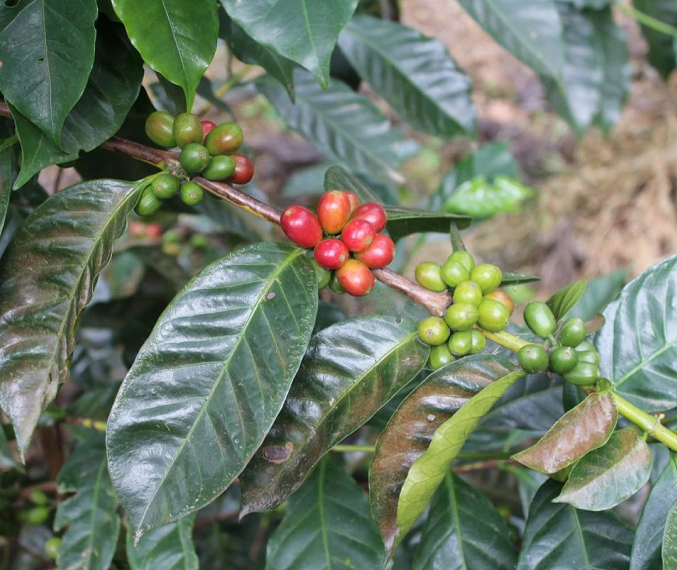
Why Is Panama's La Esmeralda Geisha So Expensive?
First, La Esmeralda was the first to recognize Geisha's captivating florals. In 2003 they isolated the variety from among their other trees and cultivated it with special care; in 2004 it won the Best of Panama green-bean competition — judges reportedly gave it an average cupping score of 94.6, a BOP record — and Geisha became famous overnight, cementing La Esmeralda's status in specialty coffee. Second, the estate's high altitude, rich volcanic soil, and windbreak cultivation provide ideal conditions. The Panamanian Geisha traces back to Ethiopia: discovered in the Gesha forest in 1931, sent to Kenya's coffee research institute, introduced to Uganda and Tanzania in 1936, Costa Rica in 1953, and Panama in 1970. Because of its low yield, early Panamanian farmers wouldn't cultivate it — it ended up planted in windbreaks to shelter other coffee trees.
Beyond La Esmeralda, other Panamanian regions grow Geisha too, and while some can't match La Esmeralda's altitude and refinement, Panama's ash-rich volcanic soil is exceptionally fertile. FrontStreet Coffee has cupped Panamanian Geishas from multiple regions and found they all share clear florals, bright clean acidity, a honey-like finish, and rich layered complexity.
Because Panamanian Geisha is so layered, brew it slightly diluted so each layer shows. FrontStreet Coffee recommends a 1:15.5-1:16 ratio at 90-91°C with a medium-fine grind (77% pass-through on a #20 sieve).
Costa Rican Geisha
By the spread route above, Costa Rica grew Geisha before Panama did. Its volcanic terrain supplies fertile ash soils, mild temperatures, and stable, abundant rainfall — all key to its excellent coffee. Since Panamanian Geisha's rise, many Costa Rican estates have planted the variety, especially in Tarrazú, whose rich microclimates create a 26°C day-night temperature difference that lets cherries accumulate nutrients and develop more delicate flavors.
FrontStreet Coffee's cuppings of Costa Rican Geisha show a profile close to Panama's — florals, clean lemon acidity, juice-like texture — with a relatively fuller body. Brew it at 91-92°C with a 1:15 ratio and a medium-fine grind (80% pass-through on a #20 sieve).
Ethiopian Geisha
Ethiopia's most representative Geisha comes from Gesha Village Estate, one of the few estates growing the variety as their focus. Their trees are wild Geisha — similar to Panama's in plant and flavor, yet distinctly different in the cup. To distinguish the two, Gesha Village named its variety "Gori Gesha," after the Gori Gesha forest where it was found.
Cupping Gesha Village lots, FrontStreet Coffee finds primarily yellow drupe fruit (yellow peach), medium-high sweetness, and toffee notes in the best batches. Since sweetness is its strength, brew at 91-92°C to extract more of it, with a medium-fine grind (80% pass-through on a #20 sieve) and a 1:15 ratio.
Colombian Geisha
Colombia only began importing Geisha from Panama in recent years. Most of its growing regions sit in mountains with rich microclimates, mild temperatures, and flavorful water — excellent conditions for coffee. FrontStreet Coffee's cuppings show florals, gentle orange/tangerine acidity, honeyed sweetness, and a tea-like finish.
Colombian Geisha is gentle and balanced overall: brew at 90-91°C with a 1:15 ratio and a medium-fine grind (78% pass-through on a #20 sieve).
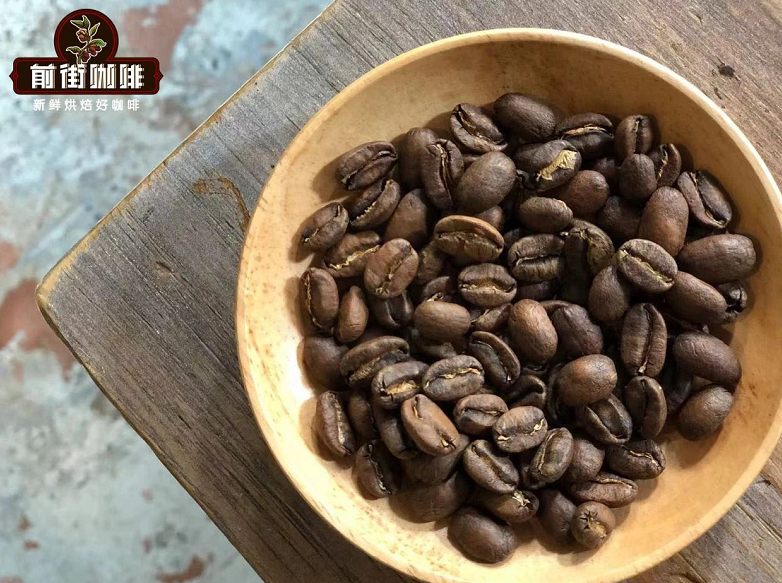
FrontStreet Coffee Recommendation
Geisha is generally roasted medium-light; its dense, hard beans sink easily and clog the dripper, so FrontStreet Coffee recommends a slightly coarser grind (about 78% pass-through on a #20 sieve, roughly fine-sugar texture) and 91°C water. For pour-over, use 15g of coffee in a small Hario V60 at a 1:16 ratio, in three pours: bloom with 30g for 30 seconds, pour in small circles to 125g, resume once the bed drains to half, finish at 225g — total extraction around 2'10"-2'20".
To taste the classic Panama character, try FrontStreet's Esmeralda Red Label (Esmeralda Special) — grown at 1,600-1,800 meters, each batch scoring above 90 points and drawn from a single plot such as Jaramillo — or the more affordable Green Label (Private Collection), a blend of plots that expresses the estate's signature high-altitude Geisha at excellent value. Beginners can start with the entry-level Boquete Geisha for its classic orange-blossom honey note, oolong-tea feel, and delicate fruit acidity at a friendly price.
For Ethiopia, the medium-light roasted Genlana Gesha Estate lot from the Genlana station (founded 2014, run by Israel Degefa, on 700 hectares of mostly uncultivated, shade-dotted land near the Kochere-Genji Abaya border) offers bright citrus acidity, elegant ginger-flower aroma, and ripe-fruit sweetness. Stepping up, Gesha Village's Gold Label (Gesha 1931 variety, just 10% of production, natural process) and Red Label (Gori Gesha, 15% of production, 88+ SCA points, fully traceable single-terroir lots) are must-tries for advanced drinkers.
Geisha also shines as a SOE: FrontStreet's medium-roast Genlana Gesha SOE pulls espresso with apricot, caramel, and nut flavors — dose 20g, extract 40g in 25 seconds — and makes an Americano (1:5, 200g hot water) with orange, nut, and blueberry notes, or a latte (200g milk) with a silky cream-cookie texture. For a budget-friendly nod to Geisha, FrontStreet's Strawberry Sugar blend of Costa Rica honey and Panama Geisha works as pour-over, moka pot, espresso, or even cold brew (30g coarsely ground, 360g water, 8 hours refrigerated, then rest 3 more hours — grape juice, rose, sweet orange, and winy fruit in every sip).
Important Notice :
FrontStreet Coffee is a long-established specialty coffee roaster in Guangzhou China, selling freshly roasted beans from its own farm in Yunnan as well as dozens of carefully selected single-origin beans from around the world for both pour-over and espresso. The products deliver consistently excellent quality and great value, with shipping within 24 hours. Guangzhou's FrontStreet Coffee shop is recommended by many coffee lovers, and the beans are now available online at the Tmall 。
FrontStreet Coffee has moved to a new address:
FrontStreet Coffee Address: 315,Donghua East Road,GuangZhou
Tel:020 38364473
 Scan and follow the En Gafei WeChat official account. Please indicate that the reprint comes from "En Gafei".

