
Iced Pour-Over Coffee: Water-to-Coffee Ratio, Ice Timing, and Brewing Guide
A refreshing glass of iced coffee that cuts through richness is a genuinely delightful thing. The common iced lineup includes cold drip, cold brew, and iced Americano — and iced pour-over is another style that's especially beloved among enthusiasts.
As today's mainstream specialty coffee, pour-over is one of the core offerings in coffee shops, served both hot and cold. The difference is that iced pour-over is only enjoyable at low temperatures, while a hot pour-over can be savored from high to low, expressing different flavors along the way. Today, we'll walk through how to make iced pour-over coffee.
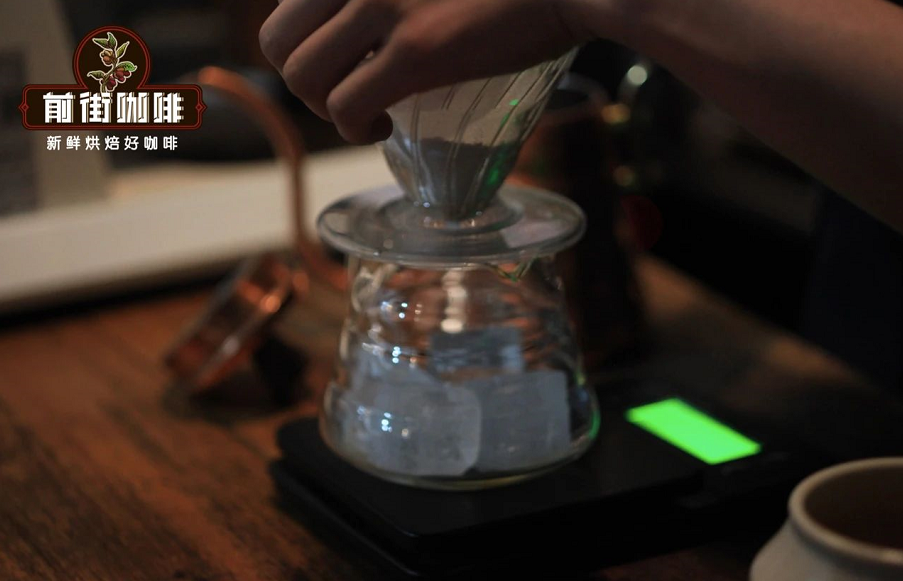
How to Brew Iced Pour-Over Coffee?
The approach is to brew a concentrated coffee solution, then add ice. When the ice meets the hot coffee, it melts and dilutes the brew, landing the drink at just the right temperature and strength.
For brewing, the baristas at FrontStreet Coffee use 15 grams of coffee beans in a V60 dripper. To get a more concentrated coffee solution, they choose a coffee-to-water ratio of 1:10 — meaning only 150 grams of water is poured in total, ultimately yielding about 120 grams of coffee liquid. The grind is set finer than for hot brewing, too, with the goal of extracting sufficient (or even extra) flavor compounds — achieving a very high concentration and extraction rate so the cup doesn't taste weak after dilution.
After grinding, place the coffee in a pre-wetted filter — wetting the paper helps it cling snugly to the dripper. Add some ice cubes to the server; the baristas at FrontStreet Coffee stir the ice with a stir stick to pre-chill the server, and the serving cup gets an ice-chilling treatment as well.
The brew itself unfolds in two stages. First, pour 30 grams of water to bloom. Blooming releases carbon dioxide — too much CO2 obstructs water flow during extraction — so a small amount of water is used, generally about twice the weight of the grounds, for 30 seconds. In the second stage, pour gently in circles straight up to 150 grams of water. Total extraction time is about 1 minute and 30 seconds; once the time is up, remove the dripper to end the extraction.
Finally, give the server a shake — partly to mix the coffee evenly, partly to cool it down quickly. When serving, cap it with a lid to minimize the loss of aromatics.
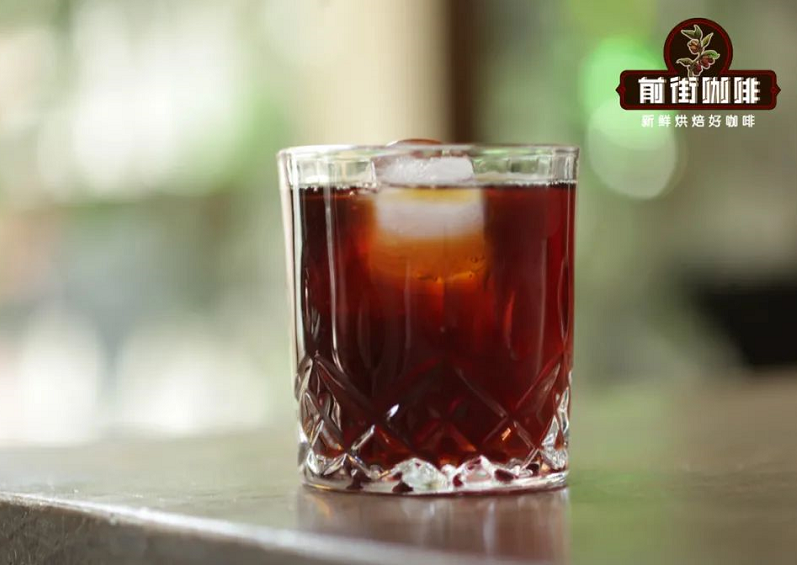
FrontStreet Coffee Recommendation
Bean selection makes or breaks an iced pour-over. A FrontStreet Coffee favorite is the Strawberry Candy Geisha blend, which marries the classic floral-and-fresh-fruit character of Panama Geisha with Costa Rica honey-processed coffee — one contributes delicate rose and orange notes, the other a grape, dried-blueberry, strawberry-candy sweetness. Over ice, it's sweet, lively, and refreshing, and if you let the brew rest and settle, it even takes on a wine-like character.
Craving a fuller, juice-like iced coffee instead? FrontStreet Coffee's Kenya Cherry Tomato, from the Thika region at 1550-1750 meters, uses the classic SL28 and SL34 varieties and a local K72 double-washed fermentation to maximize fruit expression. Expect vivid cherry tomato, black plum, pear, and black sugar sweetness with a clean green-tea finish — low bitterness, bright and plump acidity, and a lingering fragrance that tastes even better chilled.
Important Notice :
FrontStreet Coffee is a long-established specialty coffee roaster in Guangzhou China, selling freshly roasted beans from its own farm in Yunnan as well as dozens of carefully selected single-origin beans from around the world for both pour-over and espresso. The products deliver consistently excellent quality and great value, with shipping within 24 hours. Guangzhou's FrontStreet Coffee shop is recommended by many coffee lovers, and the beans are now available online at the Tmall 。
FrontStreet Coffee has moved to a new address:
FrontStreet Coffee Address: 315,Donghua East Road,GuangZhou
Tel:020 38364473
 Scan and follow the En Gafei WeChat official account. Please indicate that the reprint comes from "En Gafei".

