
Barista Techniques: How to Make a Delicious Latte? What's the Difference Between Latte, Mocha, and Cappuccino?
The Art of Latte: From Italian Tradition to Coffee Excellence
Latte is the classic marriage of Italian espresso and milk, and Italians drink it as a breakfast ritual. In an Italian morning kitchen, sunlight typically falls across a stove where coffee and milk are warming at the same time. You could say Italians who order lattes are really after the milk rather than the espresso — yet it's only espresso that can transform ordinary milk into something unforgettable.
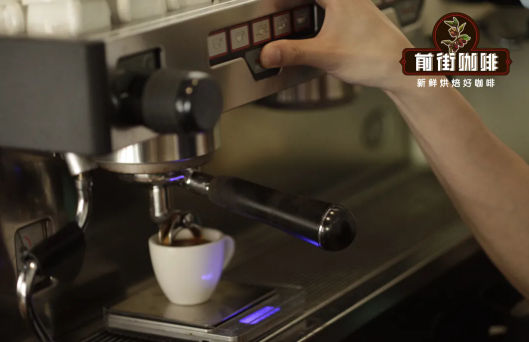
So a latte comes down to two components: espresso and milk. For a hot latte, properly steamed milk is essential, and that's a real test of a barista's milk-steaming skills. Making a hot latte involves three stages: extract the espresso; steam the milk; then pour the steamed milk into the espresso and finish with latte art.
Milk steaming relies on the espresso machine's steam wand. Pour an appropriate amount of milk into a pitcher — for instance, FrontStreet Coffee uses 300ml cups for lattes, so you'd pour in 280ml of milk, since milk expands after steaming as air is incorporated. Before steaming, briefly open the steam valve to purge water from the wand, then submerge the steam tip just below the milk surface and open the valve.
Steaming happens in two stages. In the first, the steam holes sit at the milk surface to introduce air, producing a sharp, paper-tearing sound — this stage sets the foam thickness. The second stage is texturing: once enough foam has formed, lift the pitcher slightly to sink the steam holes into the milk, letting it spin and texture under the steam's force — this stage sets foam quality.
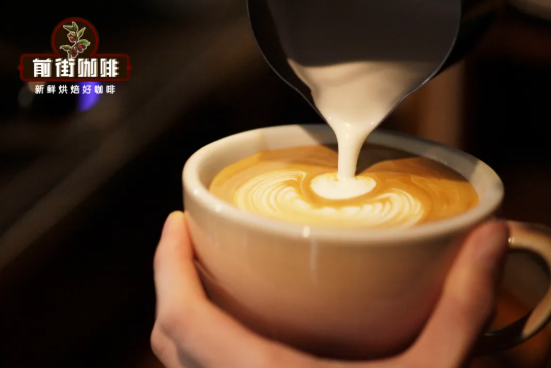
Latte foam should be moderately thick — about 1 centimeter — glossy, free of bubbles, and properly fluid. Now pour the steamed milk into the espresso to create latte art. Start pouring from a higher position so the milk has impact and merges gently with the coffee until the cup is seven-tenths full. Then lower the pitcher, bringing the spout close to the surface to reduce impact. The foam rises thanks to buoyancy, painting white patterns; by moving your arm you can create ripple patterns — the moderate, fluid foam draws flowing lines. Finally, lift the pitcher and push forward to complete a basic heart-shaped latte art design.
What's the Difference Between Latte, Mocha, and Cappuccino?
So what separates a latte from a mocha and a cappuccino?
For the mocha, the difference is chocolate sauce. Compared to a latte, a mocha adds chocolate syrup to the espresso, making the drink sweeter and more intense.
The cappuccino differs in its proportions — it's built in equal parts: one-third espresso, one-third steamed milk, and one-third milk foam.
FrontStreet Coffee Recommendation
Practice makes perfect, and the right beans make practice worthwhile. For learning latte art at home, FrontStreet Coffee recommends its Classic Blend — a medium-dark, three-origin espresso recipe inspired by the old-school "Mamba" pairing of Mandheling and Brazil, with a touch of Robusta for extra aroma and crema. Extraction yields clear butter, toasted toast, and caramel cookie notes with a solid body and fine, stable crema — the perfect beginner's home coffee.
If you prefer rich, nutty flavors, go for the FrontStreet Coffee Premium Blend, a classic pairing of washed Colombian and pulped-natural Brazilian beans. It shows nuts, dark chocolate, and caramel in espresso, and brings smooth cream, almond, and cocoa aromas to lattes, flat whites, and Americanos alike — with crema every bit the match of cafe output, and more than enough for practicing your pouring.
Important Notice :
FrontStreet Coffee is a long-established specialty coffee roaster in Guangzhou China, selling freshly roasted beans from its own farm in Yunnan as well as dozens of carefully selected single-origin beans from around the world for both pour-over and espresso. The products deliver consistently excellent quality and great value, with shipping within 24 hours. Guangzhou's FrontStreet Coffee shop is recommended by many coffee lovers, and the beans are now available online at the Tmall 。
FrontStreet Coffee has moved to a new address:
FrontStreet Coffee Address: 315,Donghua East Road,GuangZhou
Tel:020 38364473
 Scan and follow the En Gafei WeChat official account. Please indicate that the reprint comes from "En Gafei".

